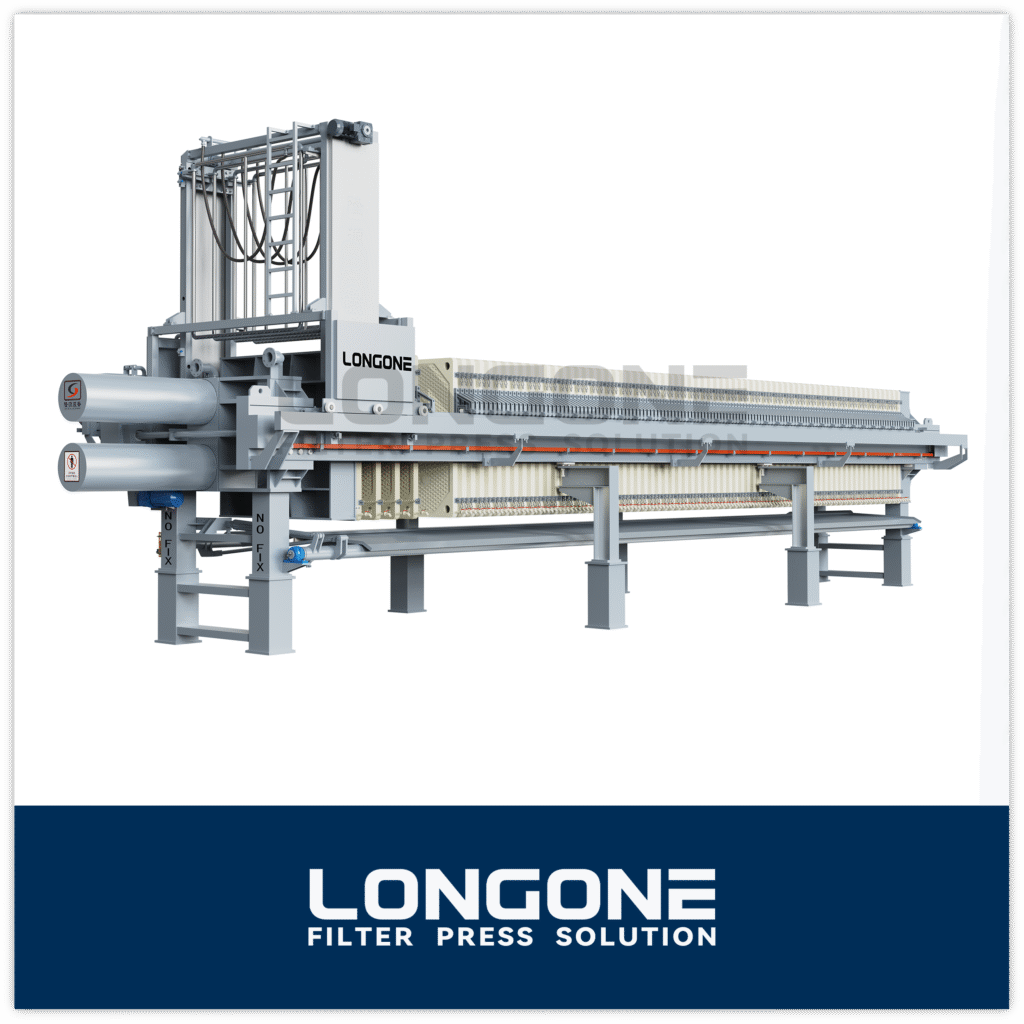
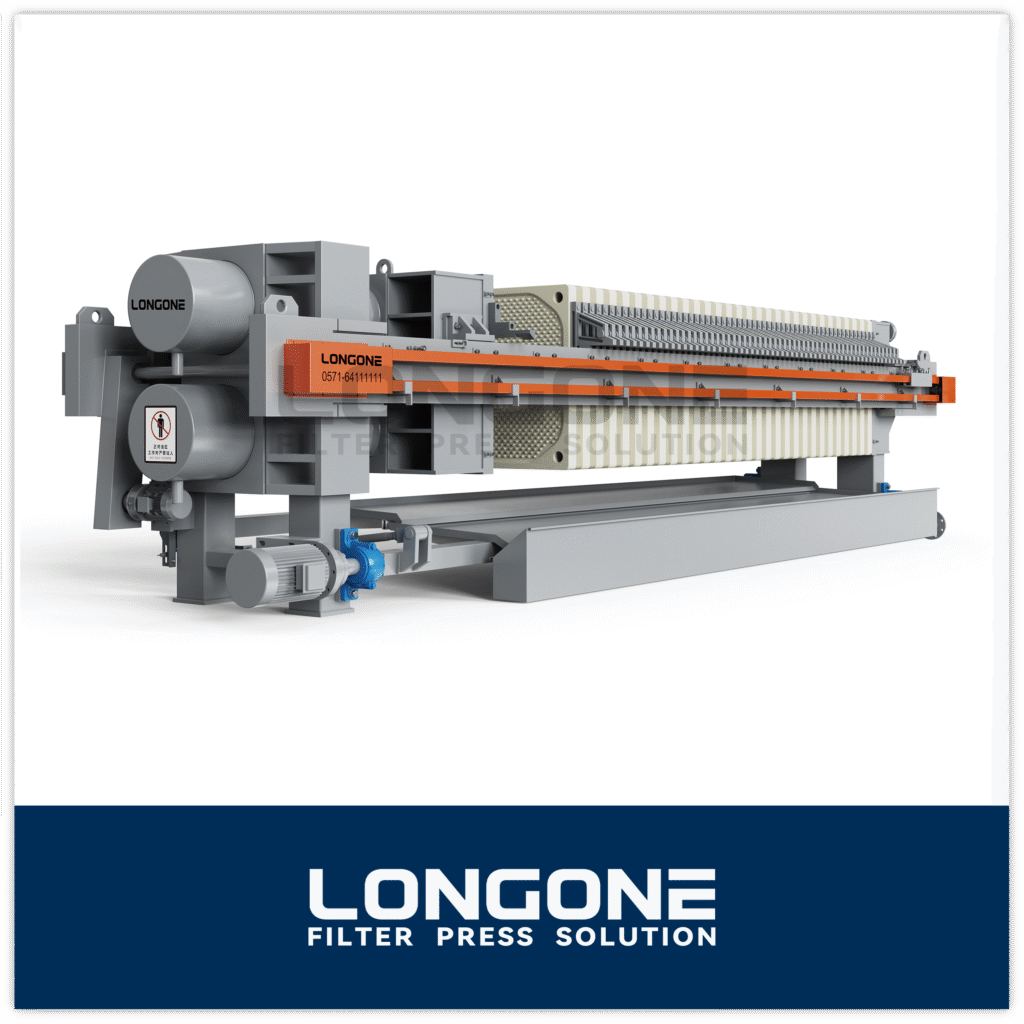
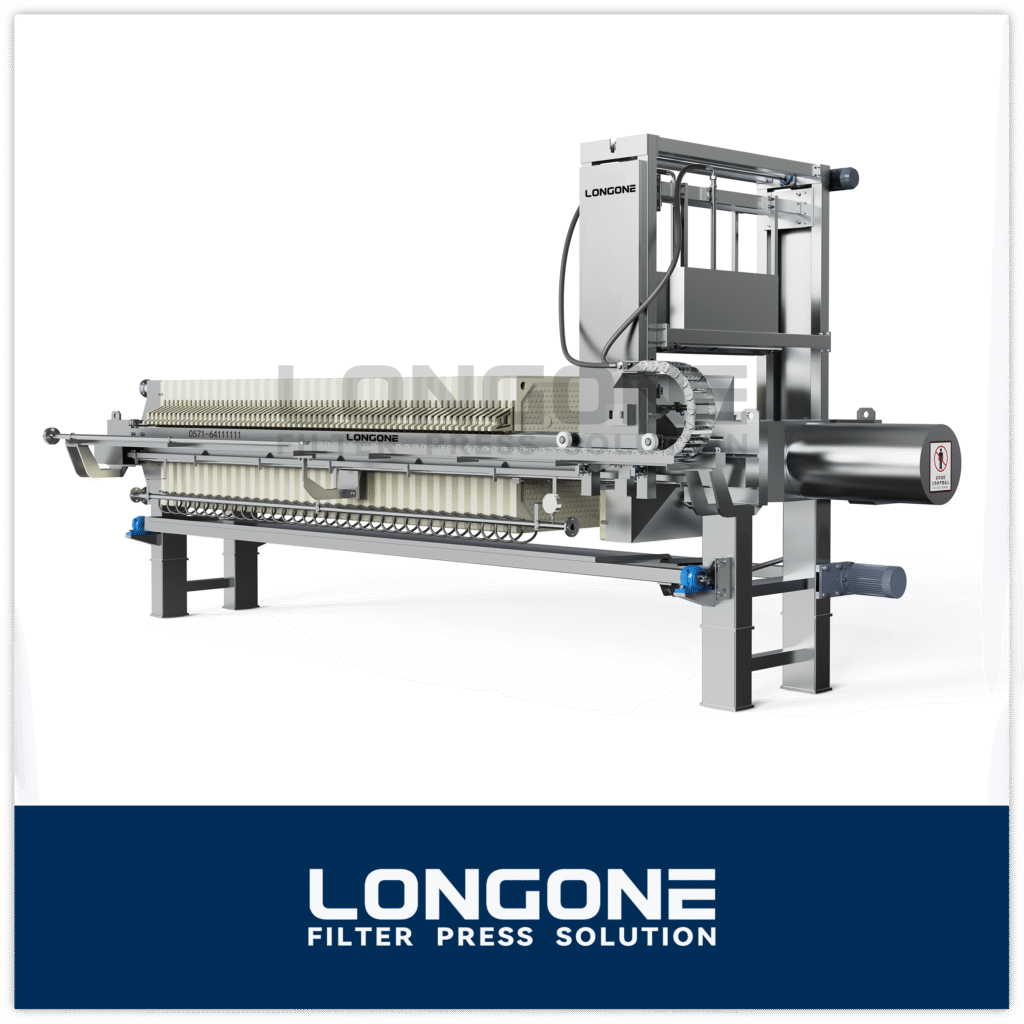
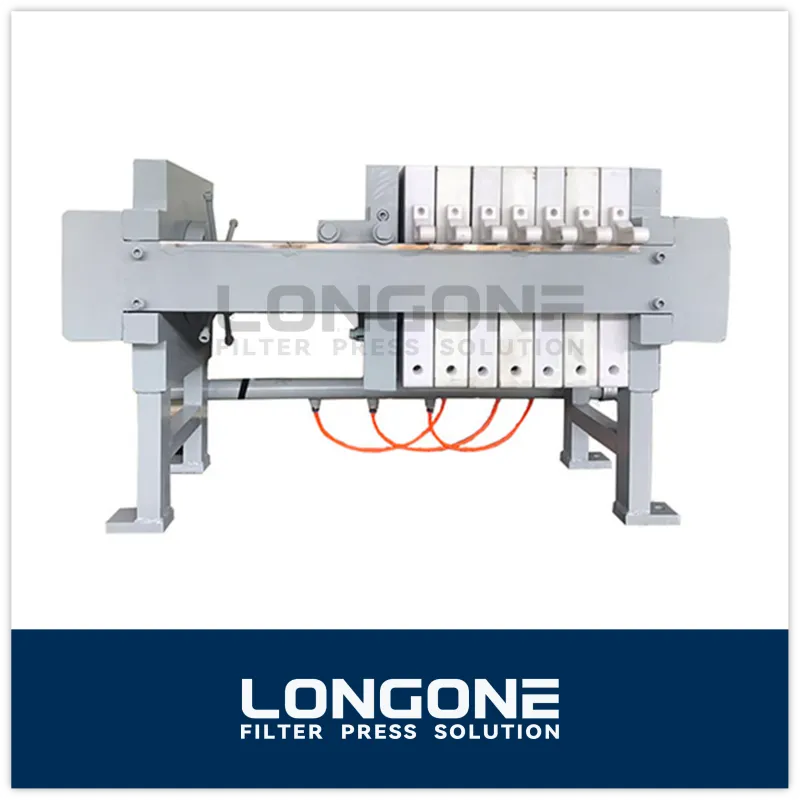
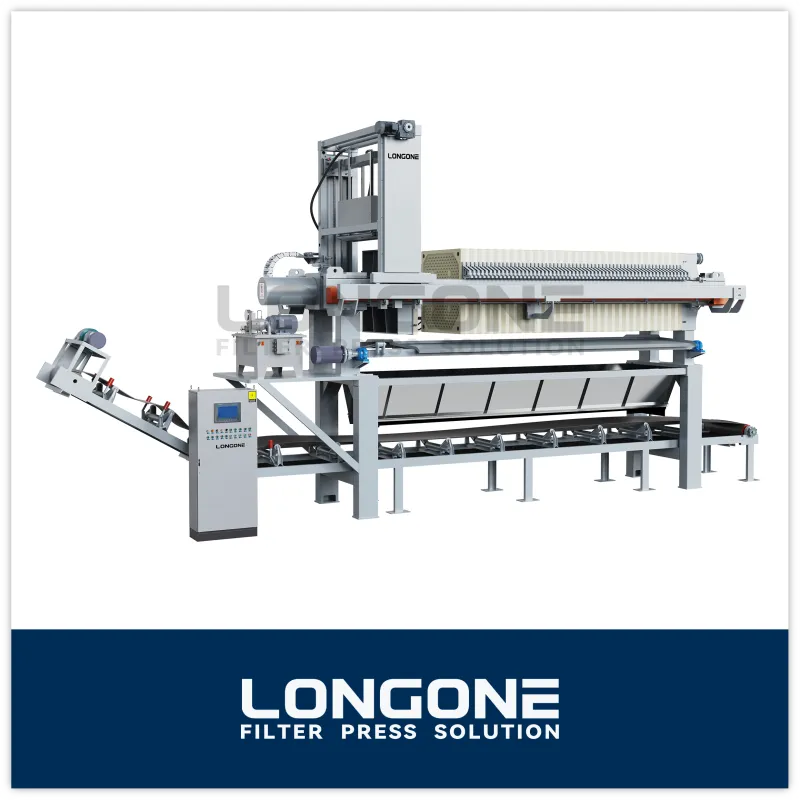
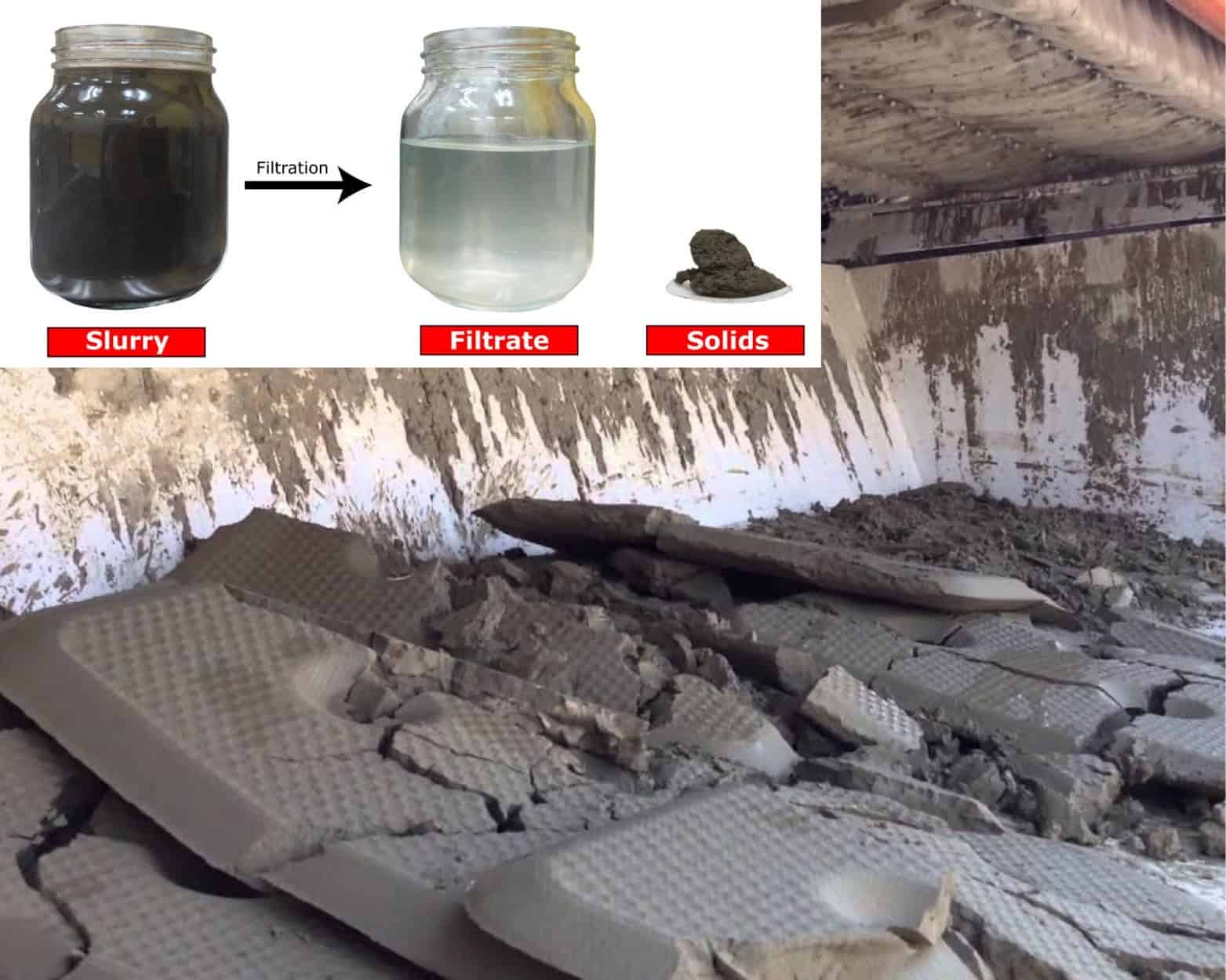
Sludge is an unavoidable by-product of wastewater treatment, mining, chemical production, and food processing. Because it is mostly water, it is expensive to store, haul, and dispose of. A sludge dewatering filter press solves this problem by separating liquid from solids under pressure, leaving a firm, spadeable cake and clear filtrate.
This guide explains what a filter press does, which sludge types it handles, how it operates, and what to consider before you buy.
What Is a Sludge Dewatering Filter Press?
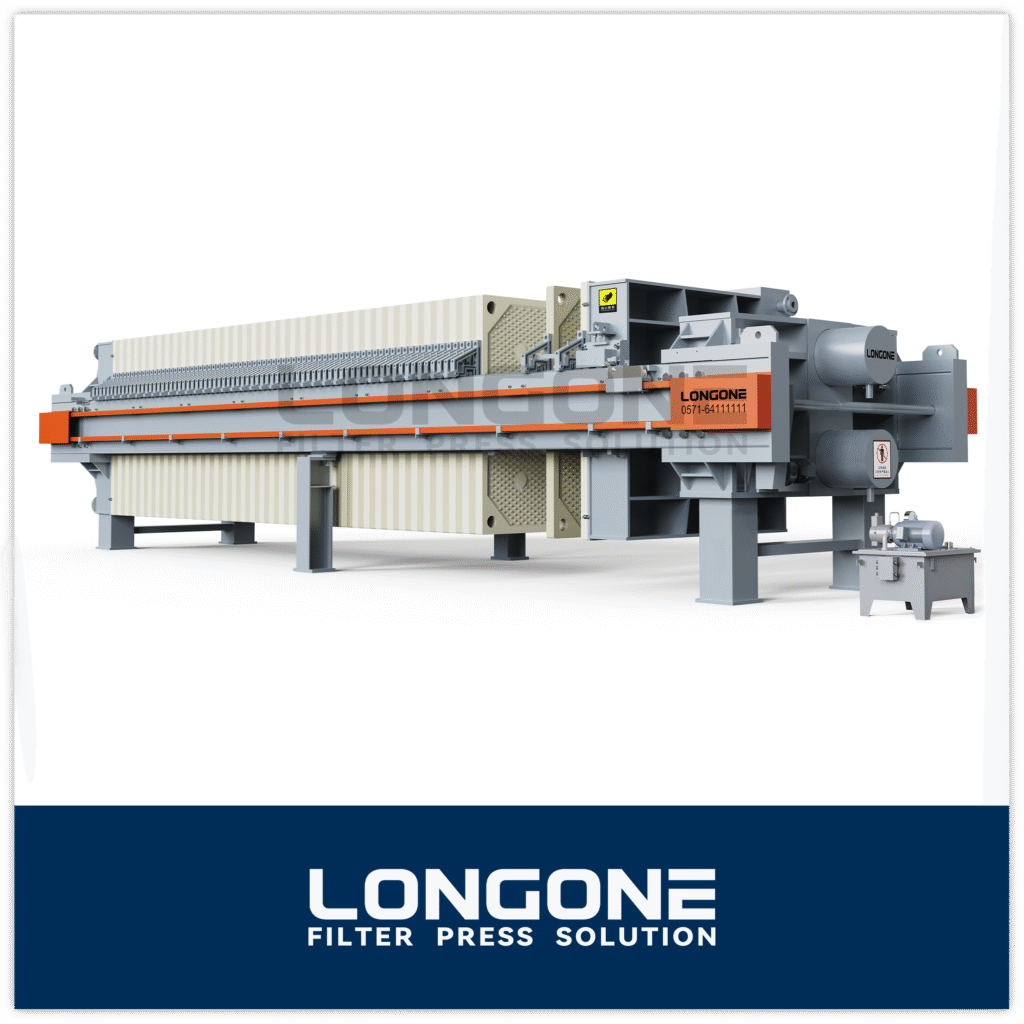
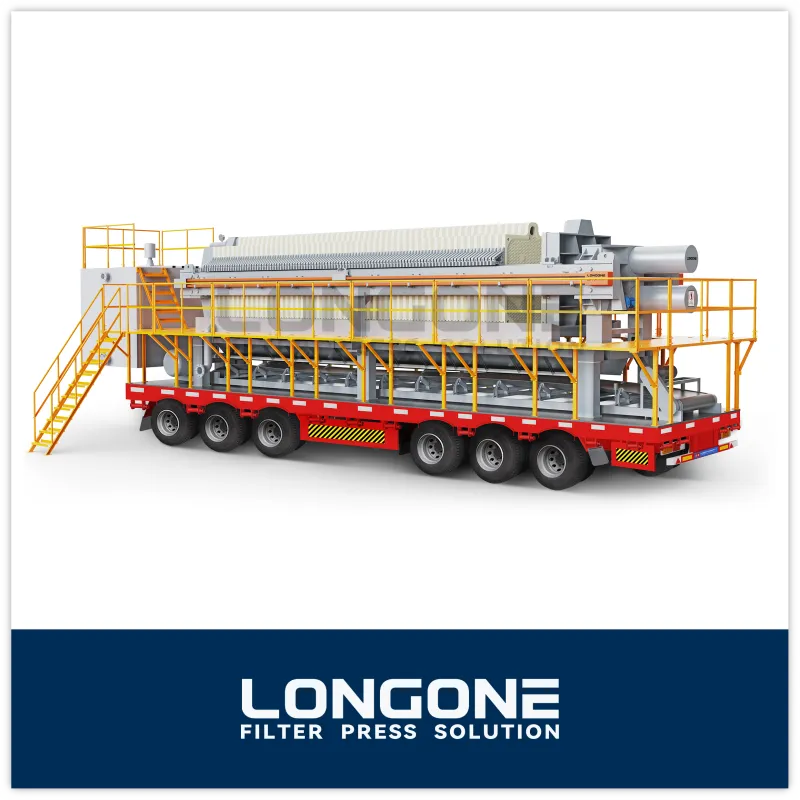
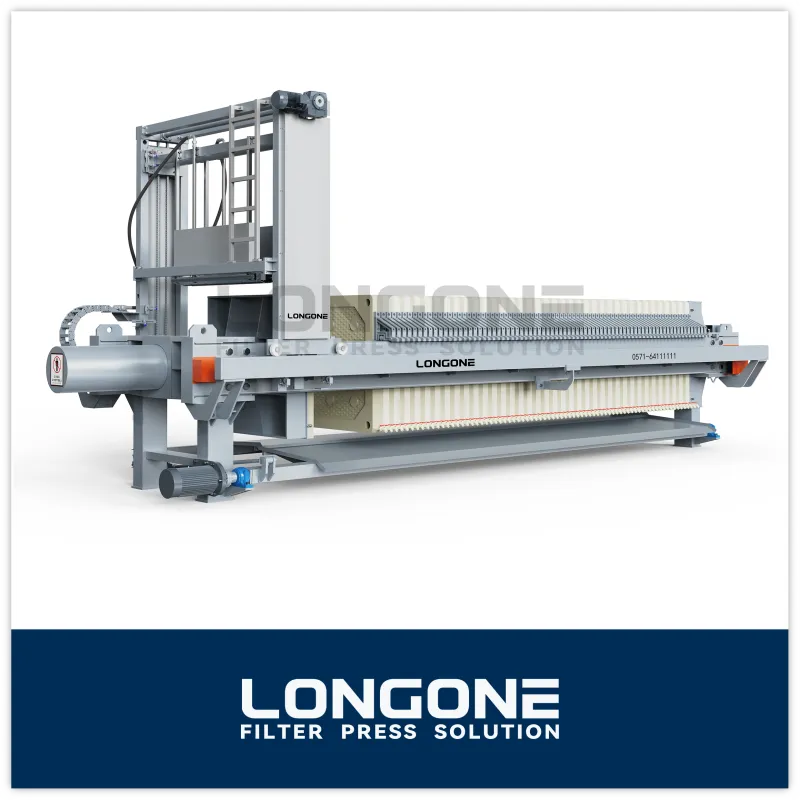
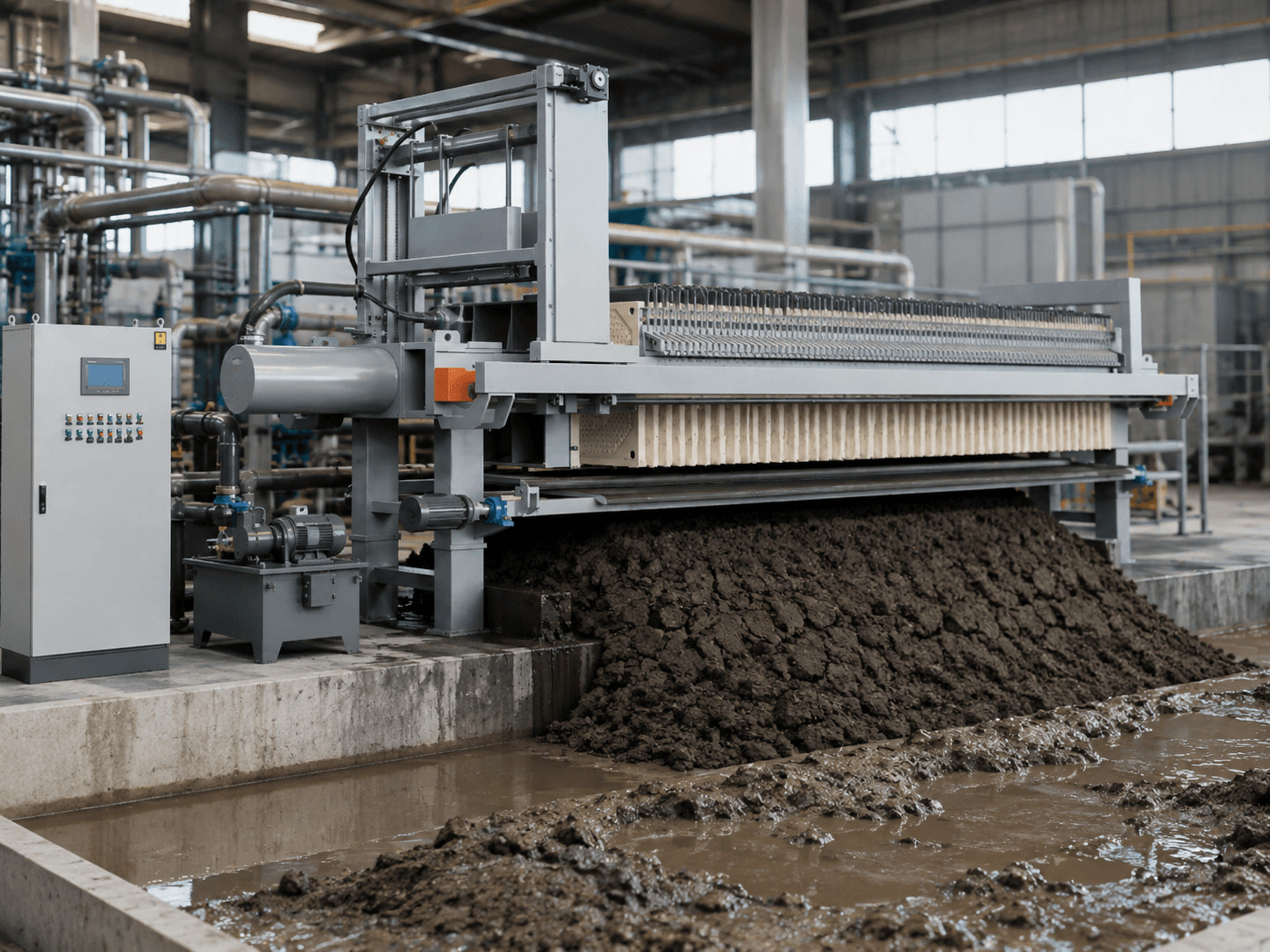
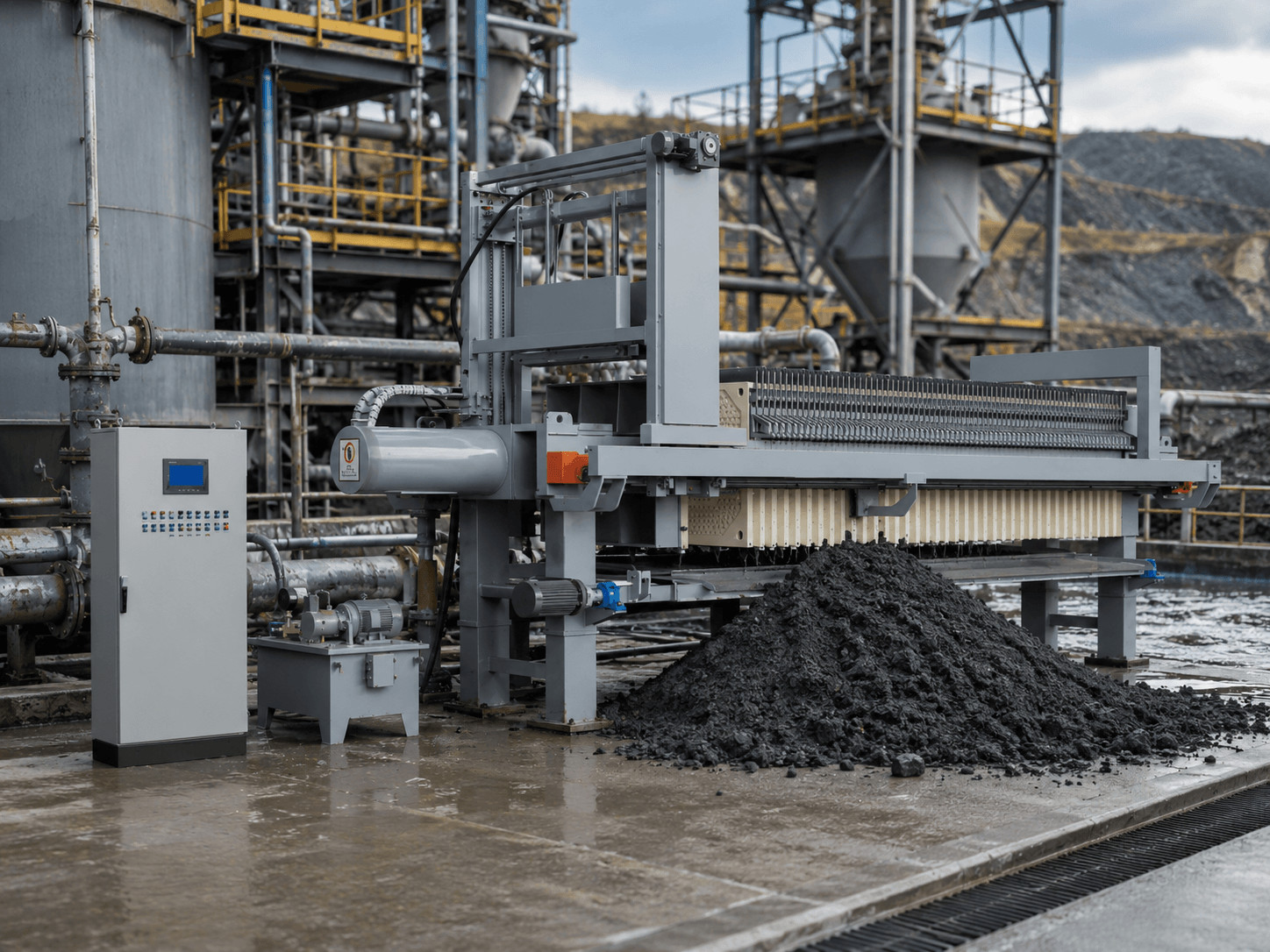
A sludge dewatering filter press is a batch-operated solid-liquid separation machine. It pumps sludge into a series of chambers formed by stacked filter press plates covered with filter cloth. Pressure forces water through the cloth while solids stay behind and build up into a cake. When the chambers are full, the press opens and the cakes are discharged.
Compared with belt presses and centrifuges, filter presses typically produce a drier cake and cleaner filtrate, especially with fine or difficult sludges. That is why they are widely used where disposal cost, regulatory limits, or material recovery matter.
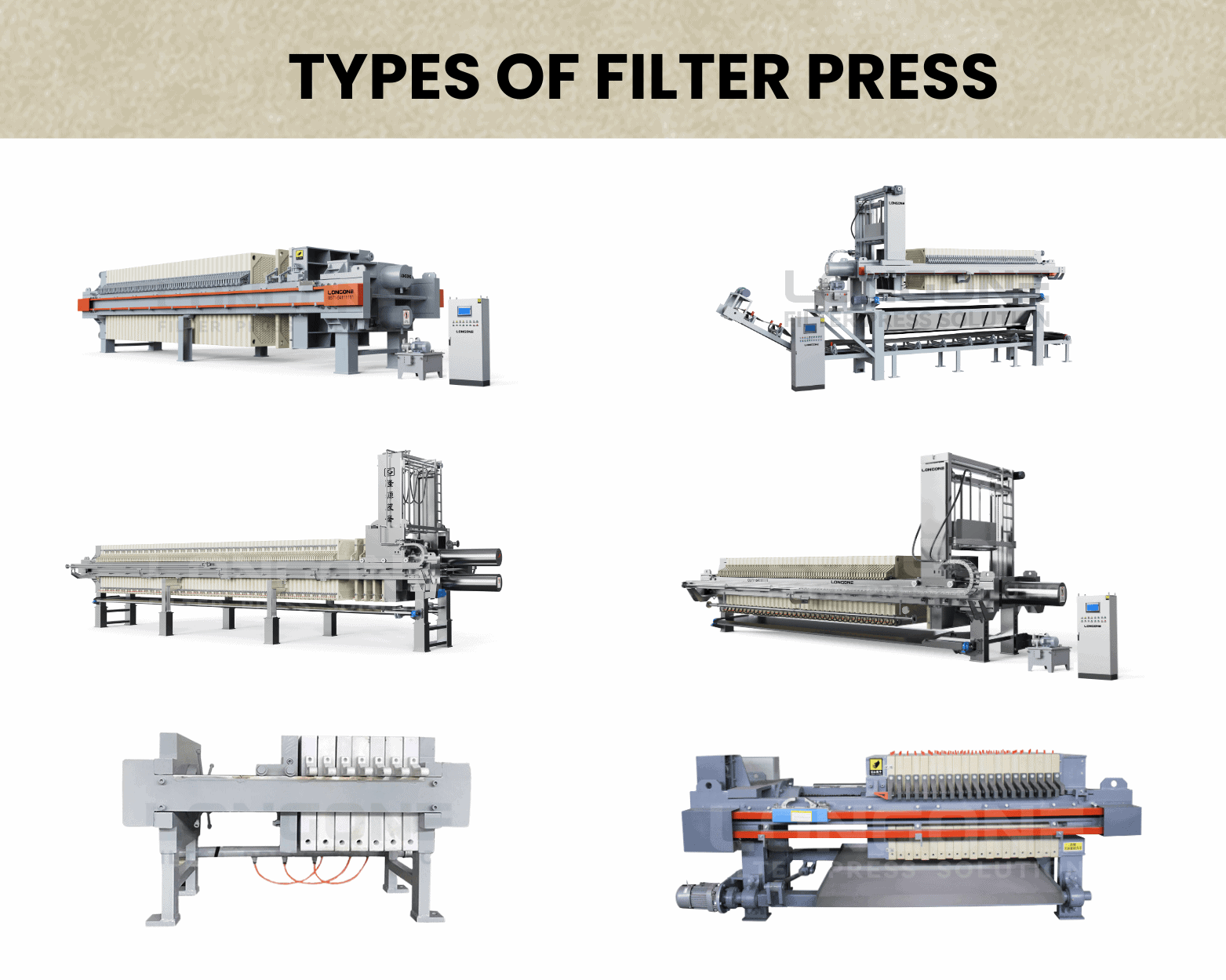
There are two main plate designs:
- Recessed chamber plates: Standard plates that form a fixed chamber. Simple, durable, and cost-effective for many sludges.
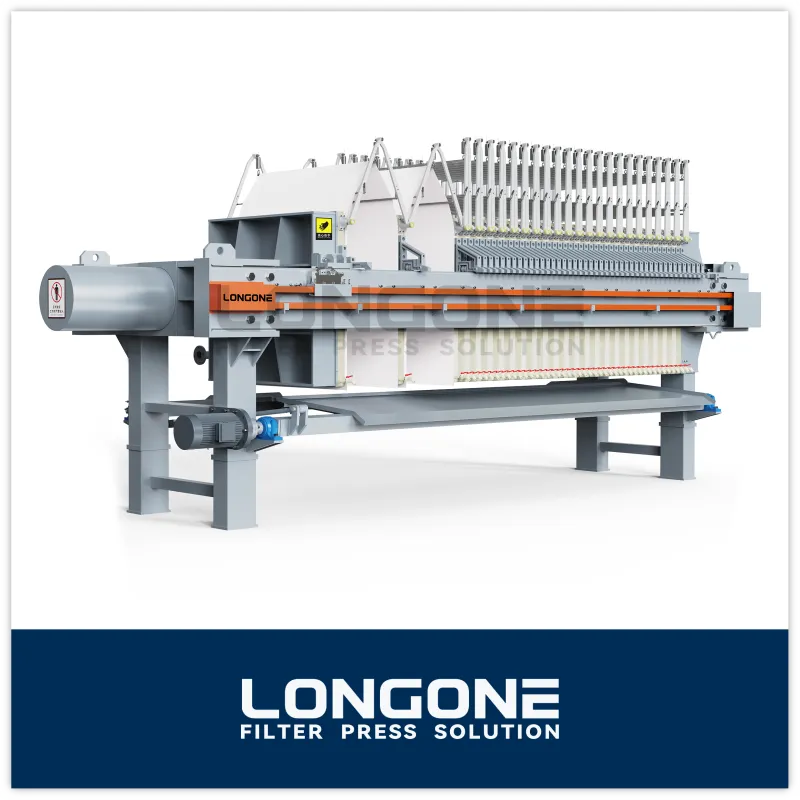
- Membrane plates (membrane filter press): Plates with a flexible diaphragm that inflates after filtration to squeeze the cake further. This extra squeeze stage usually gives a drier, more uniform cake and can shorten overall cycle time.
Common Sludge Types Handled by Filter Presses
Not all sludge behaves the same way. Solids concentration, particle size, compressibility, and response to chemical conditioning all affect how a sludge dewaters. Filter presses are used for a broad range of materials:
- Municipal wastewater sludge: Often organic and compressible, usually needing polymer or inorganic conditioning.
- Industrial wastewater sludge: Including metal hydroxide sludge from plating and surface finishing.
- Mining and mineral tailings: Fine, abrasive particles that dewater well under high pressure.
- Chemical and pharmaceutical sludge: Varied chemistry that calls for careful cloth and plate material selection.
- Food and beverage sludge: Organic-rich sludge from processing and washing operations.
- Paper mill and textile sludge: Fibrous or dye-laden material with high water content.
The table below shows typical industry ranges for reference. These are indicative values only. Actual results depend on your specific sludge, conditioning, and equipment, so laboratory or pilot testing is always recommended.
| Sludge Type | Typical Conditioning | Typical Cake Solids (by weight) | Typical Cycle Time | Suggested Plate Option |
|---|---|---|---|---|
| Municipal biological sludge | Polymer, or lime and ferric chloride | Approx. 25%-40% | Approx. 2-4 hours | Membrane plates |
| Metal hydroxide sludge | Often minimal or lime-based | Approx. 30%-50% | Approx. 1.5-3 hours | Recessed or membrane plates |
| Mining tailings | Coagulant or flocculant as needed | Approx. 70%-85% | Approx. 0.5-1.5 hours | Recessed or membrane plates |
| Chemical sludge | Depends on chemistry | Approx. 30%-60% (varies widely) | Approx. 1.5-4 hours | Chosen after testing |
| Food processing sludge | Polymer, sometimes lime | Approx. 20%-35% | Approx. 2-4 hours | Membrane plates |
Key Components of a Filter Press
Het begrijpen van de main filter press parts helps you compare suppliers and plan maintenance.
- Frame: The steel structure that holds the plate pack, including the head stock, follower, and side rails.
- Filter press plates: The core of the machine. Plate material (commonly polypropylene), design, and pressure rating determine durability and performance.
- Filter cloth: Sits on each plate and does the actual filtering. Material and permeability affect filtrate clarity, cake release, and cycle time.
- Hydraulic system: Closes the plate pack and holds it tight against feed pressure.
- Feed pump: Delivers sludge to the press. Pump type and pressure profile influence cake formation.
- Membrane squeeze system (for membrane presses): Uses compressed air or water to inflate the diaphragm for final pressing.
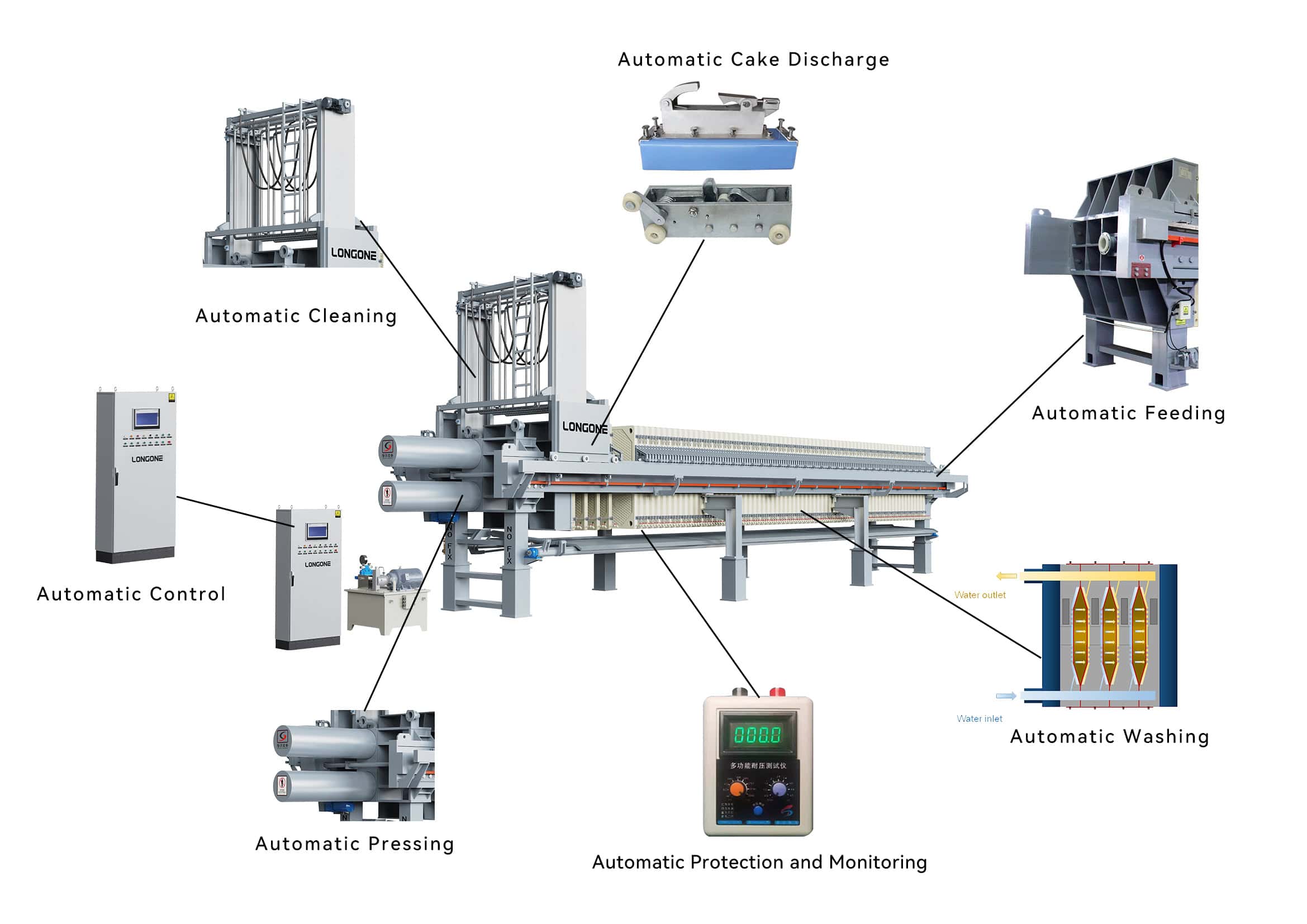
- Control system: From basic manual controls to PLC-based automation for stable, repeatable cycles.
- Optional automation: Automatic plate shifting, cloth washing, drip trays, and cake conveyors.
Standard Operating Cycle for Sludge Dewatering
A filter press runs in repeating batches. A typical cycle looks like this:
- Plate closing: The hydraulic system pushes the plates together and locks them.
- Filling and filtration: Conditioned sludge is pumped into the chambers. Filtrate flows through the cloth and out through the discharge ports while solids build up as cake.
- Membrane squeeze (if equipped): Air or water inflates the diaphragms to press the cake further and release more water.
- Cake wash or air blow (optional): Used when washing the cake or removing residual liquid is required.
- Plate opening and cake discharge: The plates open one by one, and the cakes drop into a bin, hopper, or conveyor.
- Cloth cleaning: Cloths are rinsed, manually or automatically, to keep filtration efficient.
Conditioning is a critical step: lime, ferric chloride, or polymer must be dosed correctly, since poor conditioning is one of the most common causes of wet cake and long cycles.
The table below summarizes typical operating parameters. Again, these are general ranges, not guarantees.
| Parameter | Recessed Plate Press | Membraanfilterpers |
|---|---|---|
| Typical feed pressure | Approx. 7-15 bar | Approx. 7-15 bar |
| Squeeze pressure | Not applicable | Approx. 15-16 bar |
| Typical total cycle time | Approx. 1.5-4 hours | Approx. 1-3.5 hours |
| Relative cake dryness | Goed | Typically drier and more uniform |
| Best suited for | Free-draining, easy sludges | Compressible or difficult sludges |
Cycle time varies with sludge properties, feed pressure, plate count, and equipment design.
Key Benefits of Filter Press Dewatering
- Drier cake: Filter presses generally achieve higher cake solids than many alternative dewatering methods, which reduces the weight and volume you must transport and dispose of.
- Lower disposal and hauling costs: Less water in the cake often means fewer truckloads and lower landfill or treatment fees.
- Clear filtrate: Good solids capture means the liquid can often be recycled or sent back to treatment with minimal load.
- Flexibility: Different plate types, cloths, and pressure ratings let one press design adapt to many sludges.
- Reliable, proven technology: A simple mechanical principle with a long track record in demanding industries.
- Automation-ready: Automatic plate shifting, cloth washing, and PLC control reduce labor and keep results consistent.
Filter presses do run in batches rather than continuously, so they require proper sizing and, ideally, automation to fit smoothly into a plant’s workflow.
Common Applications Across Industries
Filter presses appear in many sectors:
- Municipal and industrial wastewater treatment: Dewatering biological and chemical sludge before disposal or reuse.
- Mining and mineral processing: Dewatering concentrates and tailings, and recovering process water.
- Chemical and pharmaceutical manufacturing: Separating solids from process streams and treating waste sludge.
- Food and beverage processing: Handling organic sludge and by-products.
- Metal finishing and electroplating: Dewatering metal hydroxide sludge.
- Paper, textile, and ceramics: Processing high-moisture sludge and slurries.
How to Choose the Right Sludge Dewatering Filter Press
Many buyers compare machines by price or plate size alone, but the right choice starts with the sludge. Consider these points:
- Test your sludge first. Share a representative sample so performance is based on real results, not assumptions.
- Match the plate type to your goal. If cake dryness is a priority, a membrane filter press is often worth the investment.
- Do not overlook filter cloth. The right cloth material and permeability strongly affect filtrate quality, cake release, and long-term operating cost.
- Plan conditioning and feed pressure. Cake dryness comes from conditioning, feed pressure profile, and plate type working together.
- Think about automation. Plate shifting, cloth washing, and PLC control help reduce labor and stabilize results.
- Consider service and spare parts. Filter press plates and cloths are wear items, so reliable supply matters.
Frequently Asked Questions
What is the difference between a recessed plate and a membrane filter press?
A recessed plate press relies on feed pressure alone to form the cake. A membrane filter press adds a squeeze stage in which flexible diaphragms press the cake further, usually producing a drier, more uniform result.
How dry can the cake be?
It depends on the sludge type, conditioning, feed pressure, and plate design. As a general reference, municipal and food sludge often reaches roughly 20%-40% solids, while metal hydroxide and mineral sludge can go considerably higher. Testing with your own sludge is the most reliable way to estimate results.
Do I always need chemical conditioning?
Not always. Some sludges dewater well without it, while others need lime, ferric chloride, or polymer to form a filterable structure.
How often should filter cloth be replaced?
There is no fixed interval. Cloth life depends on the sludge, pressure, cleaning routine, and material. Regular inspection and washing extend its service life.
Is a filter press suitable for continuous operation?
A filter press is a batch machine, but with correct sizing and automation it can be integrated into continuous plant operations.
Conclusie
A sludge dewatering filter press is one of the most dependable ways to turn wet, costly sludge into a dry, manageable cake. Its value comes from a drier cake, lower hauling and disposal costs, and clear filtrate that can often be reused or treated more easily.
Getting these results depends on matching the machine to the sludge. Sludge type, conditioning, feed and squeeze pressure, plate design, and filter cloth all work together. For difficult or compressible sludge, a membrane filter press is often the better investment, while recessed plate presses remain a solid choice for easier materials. Automation further improves consistency and reduces labor.
The most reliable way to decide is to test a real sample before finalizing your specification. That way, the press is sized for actual performance rather than assumptions.