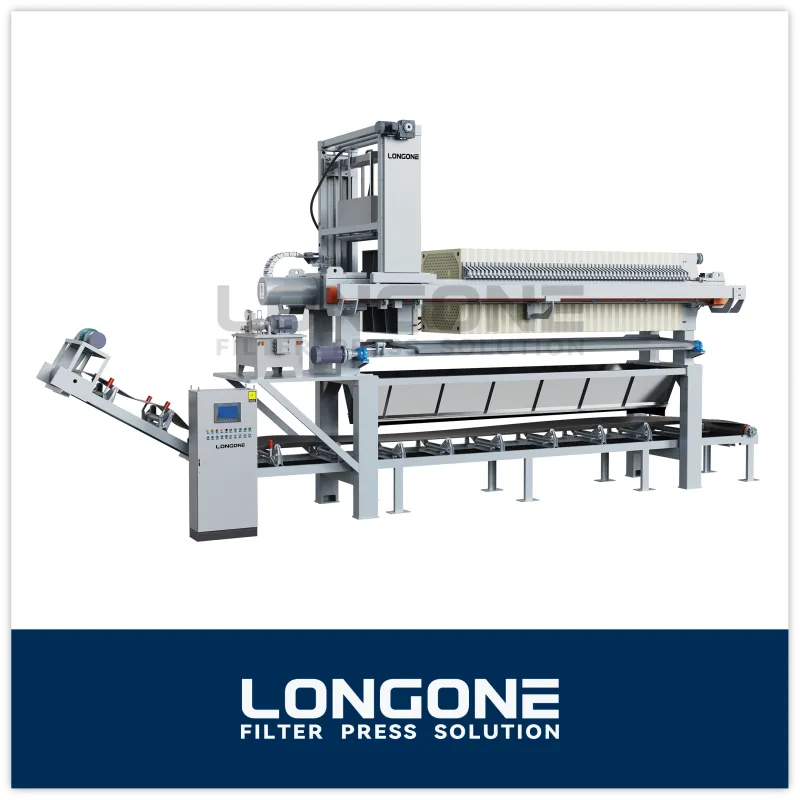
A filter press is a major purchase, and the wrong configuration shows up quickly: cake that is wetter than the process allows, cycles that are too long, or an operator crew larger than the budget assumed. Most of these problems begin at the specification stage, before the machine is built.
The horizontal filter press is the most widely installed solid-liquid separation machine in heavy industry. This guide explains how it works, how it compares with a vertical press, which plate configuration fits which slurry, and what information a supplier needs to size one correctly.
What Is a Horizontal Filter Press and How Does It Work?
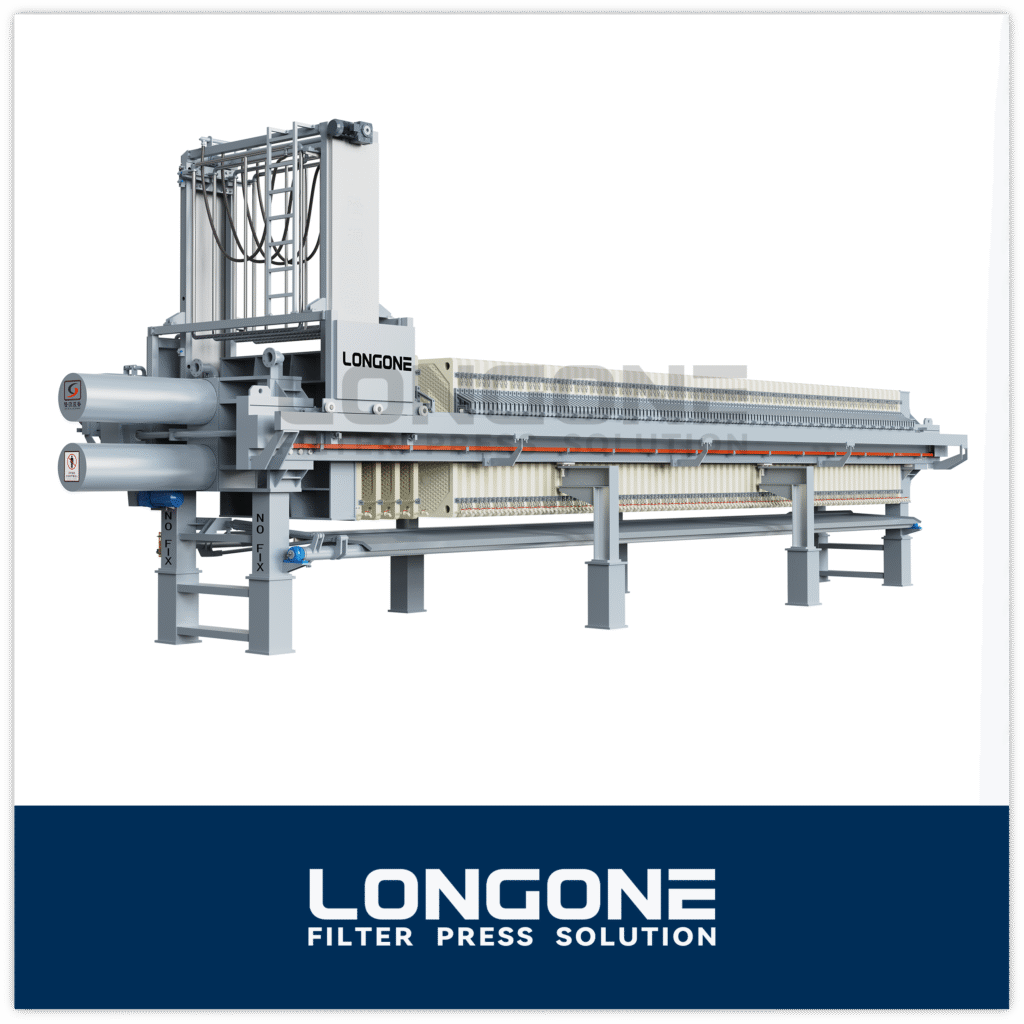
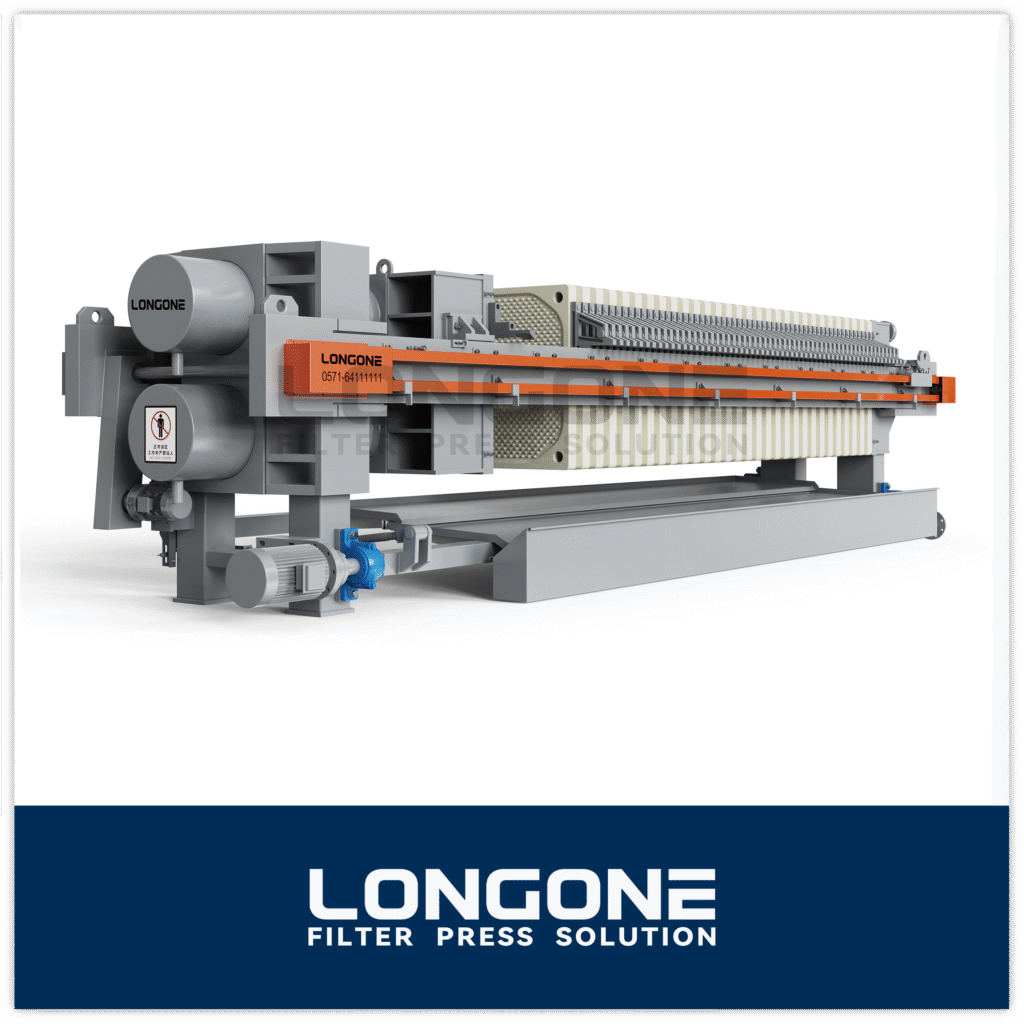
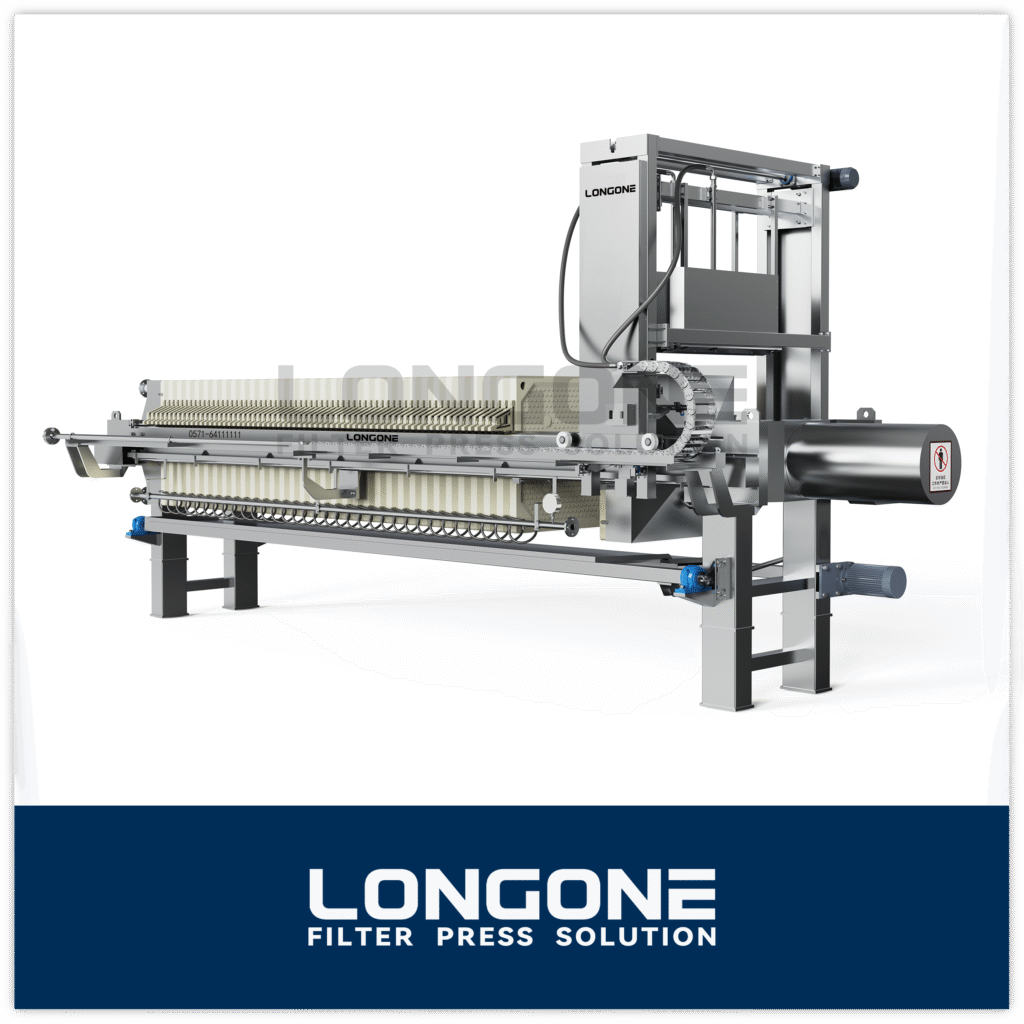
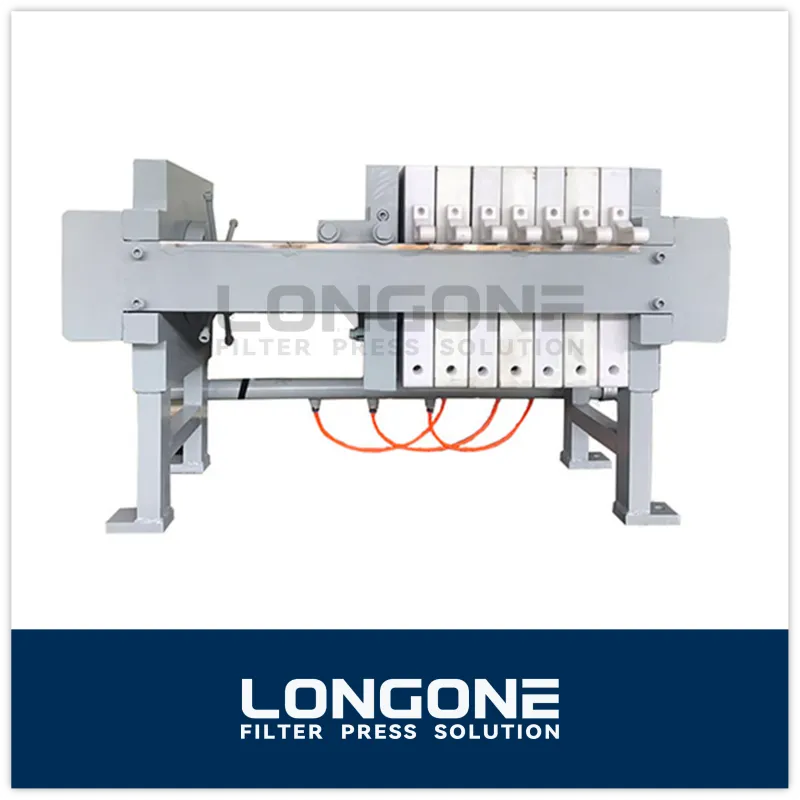
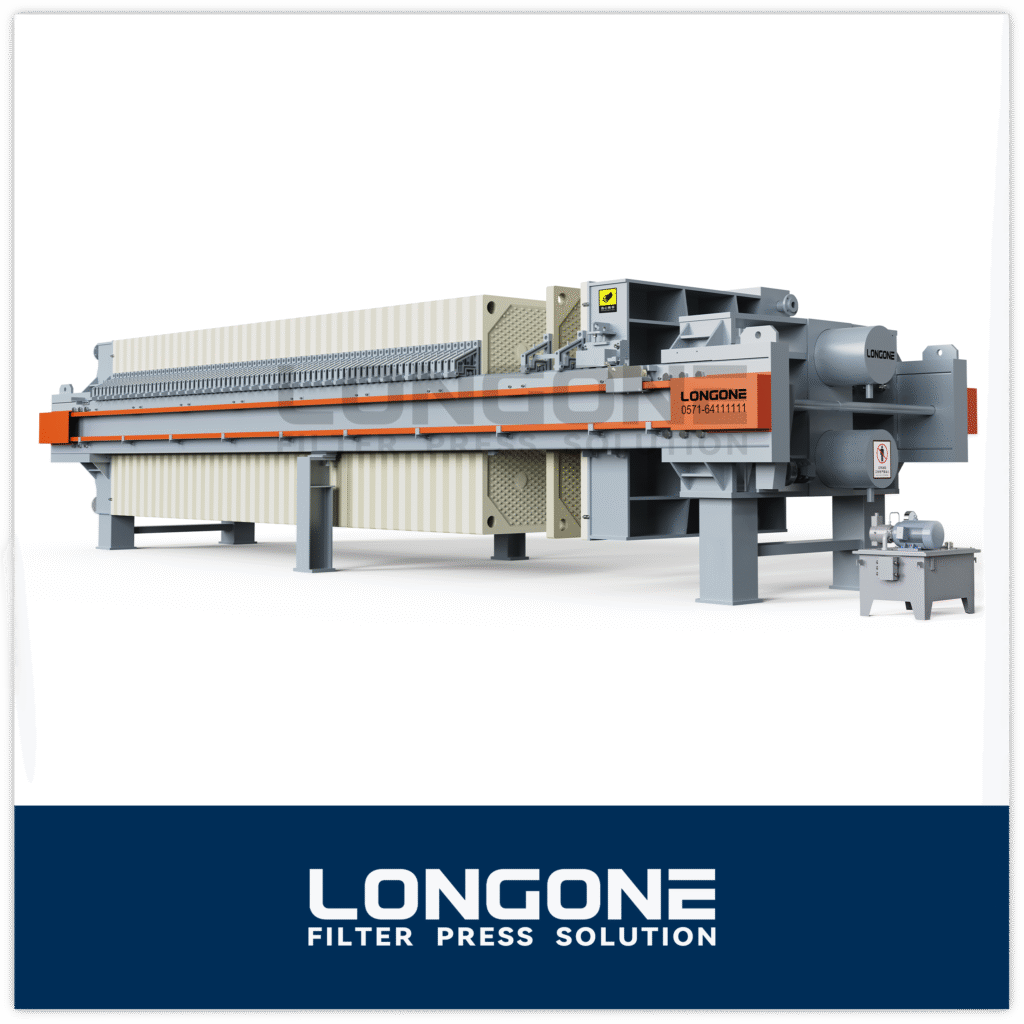
A horizontal filter press is a batch filtration machine. A stack of filter plates hangs horizontally on two side beams. A hydraulic cylinder pushes the stack together and holds it closed, and a feed pump forces slurry into the chambers between the plates. Each plate is covered with filter cloth. The cloth retains the solids and lets the liquid through, so the solids build up as a cake while the clear filtrate drains out.
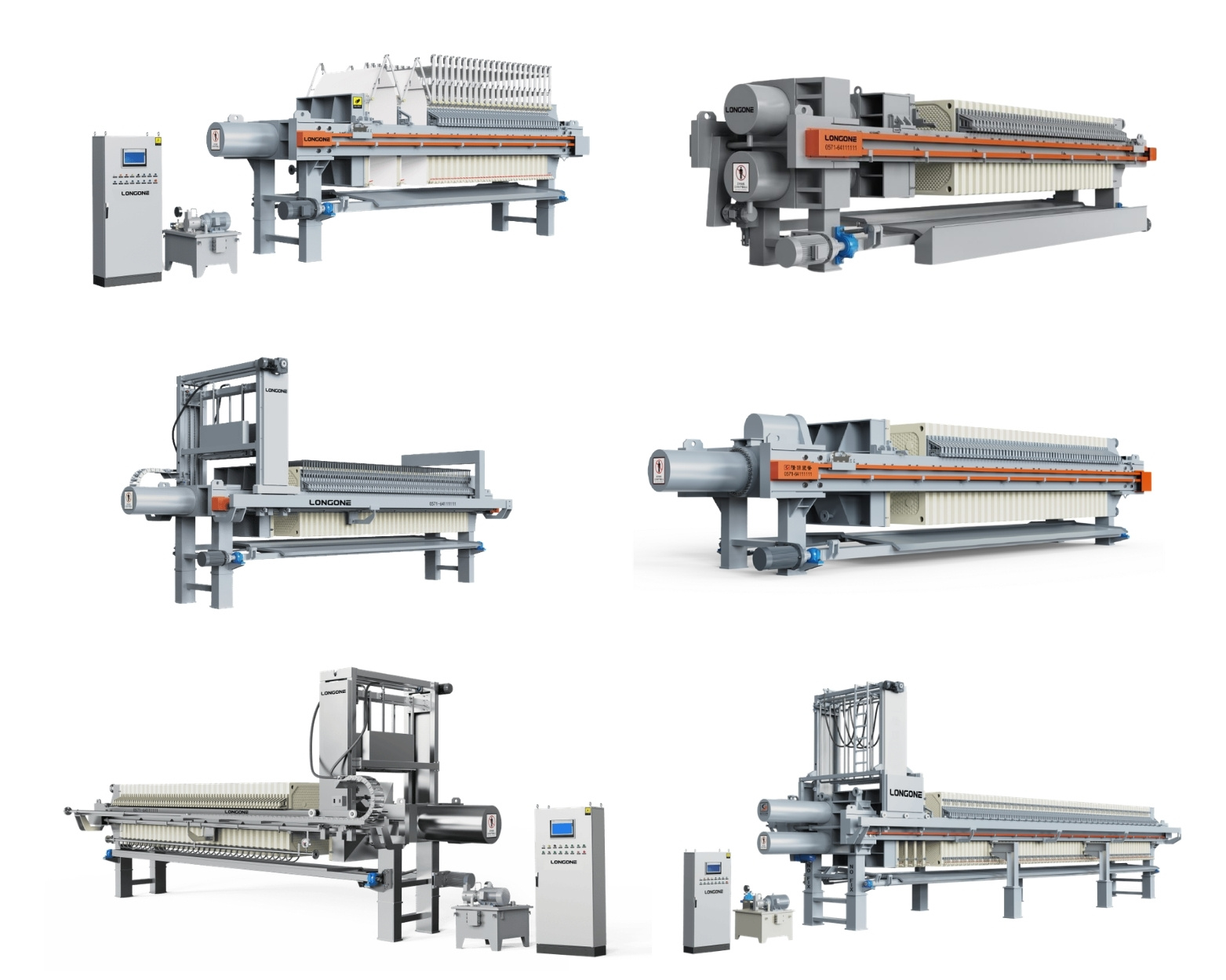
The filtration cycle
One batch runs through the same sequence every time:
- Closing: the hydraulic system presses the plates together and seals the chambers.
- Voeding: the feed pump fills the chambers with slurry. Filtrate leaves through the cloth while solids start to form a cake.
- Pressing: feed pressure rises as the chambers fill. With membrane plates, an additional squeeze step compresses the cake further.
- Washing and air blow (optional): water or compressed air removes residual liquid or soluble contaminants from the cake.
- Opening and discharge: the cylinder retracts, the plates separate, and the cake drops into a hopper, onto a conveyor, or into a container below.
Why it is called “horizontal”
The name describes the plate stack, which runs horizontally along the beams. The term separates this design from vertical presses, in which the filter chambers are stacked on top of each other. In day-to-day trade usage, “filter press” with no qualifier usually means the horizontal type.
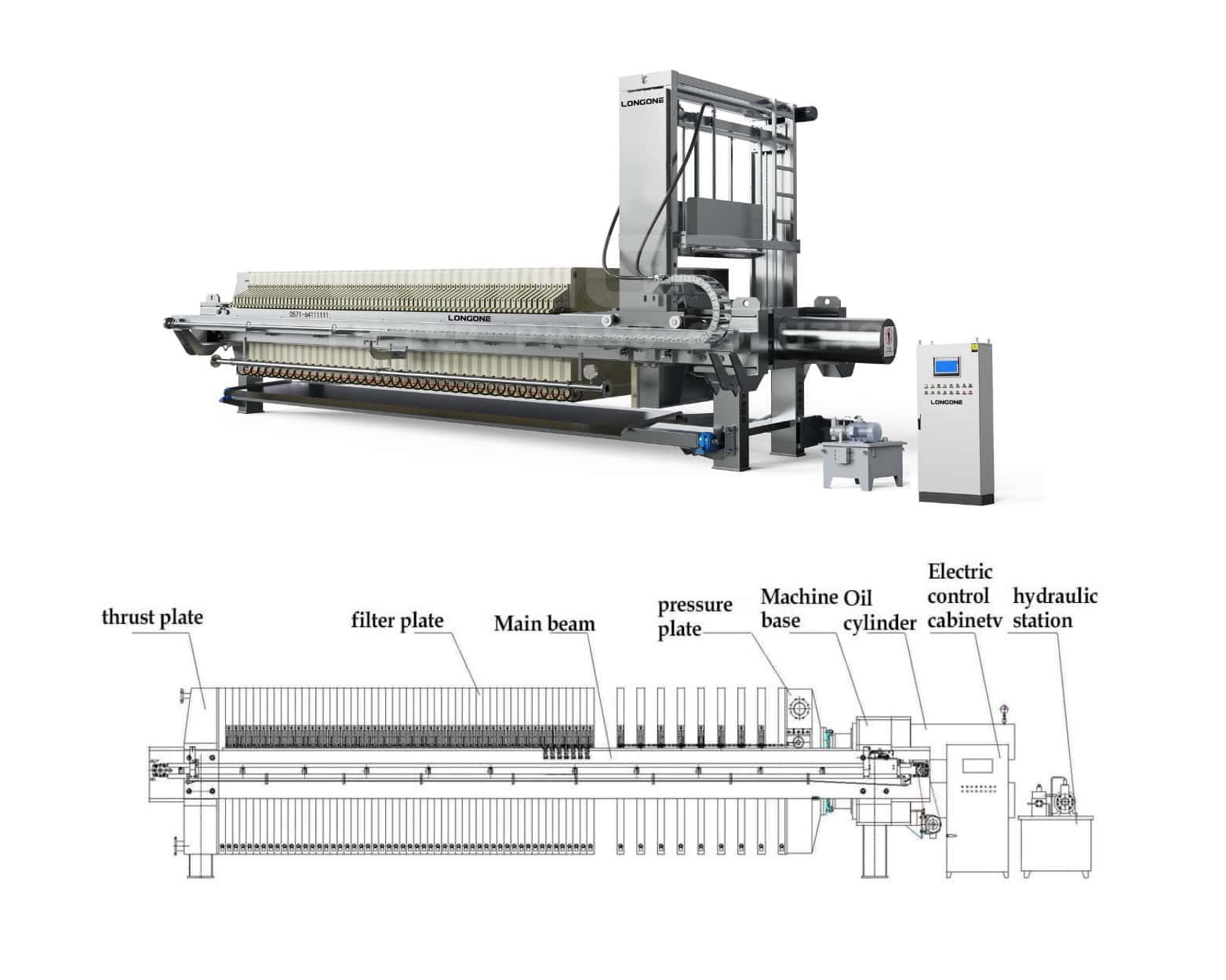
Key Components of a Horizontal Filter Press
Knowing the main parts helps you read a quotation and compare suppliers on equal terms.
- Kader: the thrust plate, cylinder bracket and side beams carry the clamping force. The beams also support the plates as they shift.
- Hydraulisch systeem: the cylinder and power unit close, hold and open the press. Holding pressure must stay stable throughout the cycle, or the plates may leak at high feed pressure.
- Filter plates: the plate material, chamber depth and drainage design determine how the press performs. Polypropylene is the most common choice for general industrial use.
- Filterdoek: cloth permeability and weave need to suit the particle size of the slurry. Cloth that is too open lets solids through, and cloth that is too tight blinds early.
- Feed pump, piping and valves: the pump has to deliver the required pressure and flow without damaging flocculated solids.
- Control and auxiliary systems: options include PLC control, automatic plate shifting, cloth washing, drip trays and cake conveyors. These determine how much manual labor the press needs.
Horizontal vs Vertical Filter Press: Which Fits Your Process?
Both machines separate solids from liquids under pressure, but they suit different operating profiles. The table below compares them in general terms. Individual models vary.
| Factor | Horizontal Filter Press | Vertical Filter Press |
|---|---|---|
| Plate arrangement | Plates side by side on horizontal beams | Plates stacked on top of each other |
| Footprint | Larger floor area, lower headroom | Smaller floor area, taller structure |
| Scalability | Add plates to increase filtration area | Capacity is generally more limited by the stack design |
| Typical slurry | Wide range, from fine mineral slurries to municipal sludge | Often lower-solids slurries needing high automation |
| Automation | Manual, semi-automatic or fully automatic | Usually highly automated by design |
| Cost per m² of filtration area | Generally lower | Generally higher |
| Maintenance | Simple structure, widely available spare parts | More specialized components |
| Typical industries | Mining, chemical, metallurgy, wastewater, food | Plating, electrolysis, fine chemicals |
How to read the table: if your slurry is difficult, your volume is large, or you expect to expand capacity later, the horizontal design is usually the safer choice. If you have a small footprint, a low-solids stream and a strong need for unattended operation, a vertical press deserves a closer look.

Types of Horizontal Filter Presses: Chamber, Membrane and Plate-and-Frame
“Horizontal” describes the layout. The plates themselves come in three main configurations.
Kamerfilterpers
Recessed plates are pressed together to form a chamber between each pair. This is the standard configuration for general dewatering. It is simple, robust and economical, and it suits slurries that form a firm cake under feed pressure alone. Learn more about our kamerfilter pers.
Membrane filter press
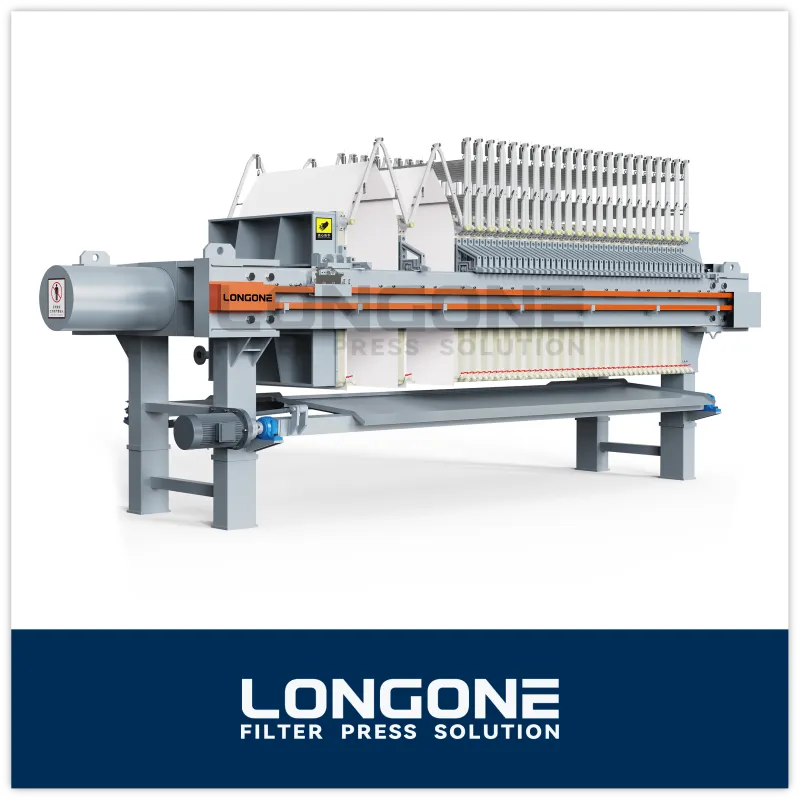
Membrane plates carry a flexible diaphragm. After the feed stage, air or water inflates the diaphragm and squeezes the cake. The extra compression usually lowers final moisture and shortens the pressing phase for compressible materials. It is the usual choice when cake moisture drives disposal or drying costs. See our membraanfilterpers.
Plate-and-frame filter press
Alternating plates and hollow frames create the filtration space. The frame thickness sets the cake thickness, and the structure allows cake washing. It suits applications where washing matters or where the cake is thick and easy to release. See our frame- en plaatfilterpers.
Choosing between them:
- Cake moisture target is moderate and the budget is tight: chamber.
- Cake moisture must be as low as possible: membrane.
- Thorough cake washing is part of the process: plate-and-frame.

Applications: Mining, Chemical, Wastewater and Food Processing
Horizontal filter presses work wherever solids must be separated from liquids at scale.
- Mining and metallurgy: concentrate dewatering, tailings treatment and coal washing. The aim is usually to recover water and produce a stackable cake.
- Chemical processing: product recovery, removal of by-products, and filtration of pigments, dyes and intermediates. Material compatibility of plates and cloth is a key consideration.
- Municipal and industrial wastewater: sludge dewatering to reduce volume before transport or disposal. Our sludge filter press is designed for this duty.
- Food and pharmaceutical processing: clarification and separation of solids from liquid products. Stainless steel construction is often specified for hygiene and corrosion resistance.
- Steel plants and other heavy industry: treatment of process water and residues.
Longone filter press machines operate at filtration pressures up to 1.6 MPa, can reach cake moisture as low as 15% depending on the material, and handle capacities up to 100 m³/h. Actual results always depend on the slurry, so a trial or reference test on your material is the most reliable guide.
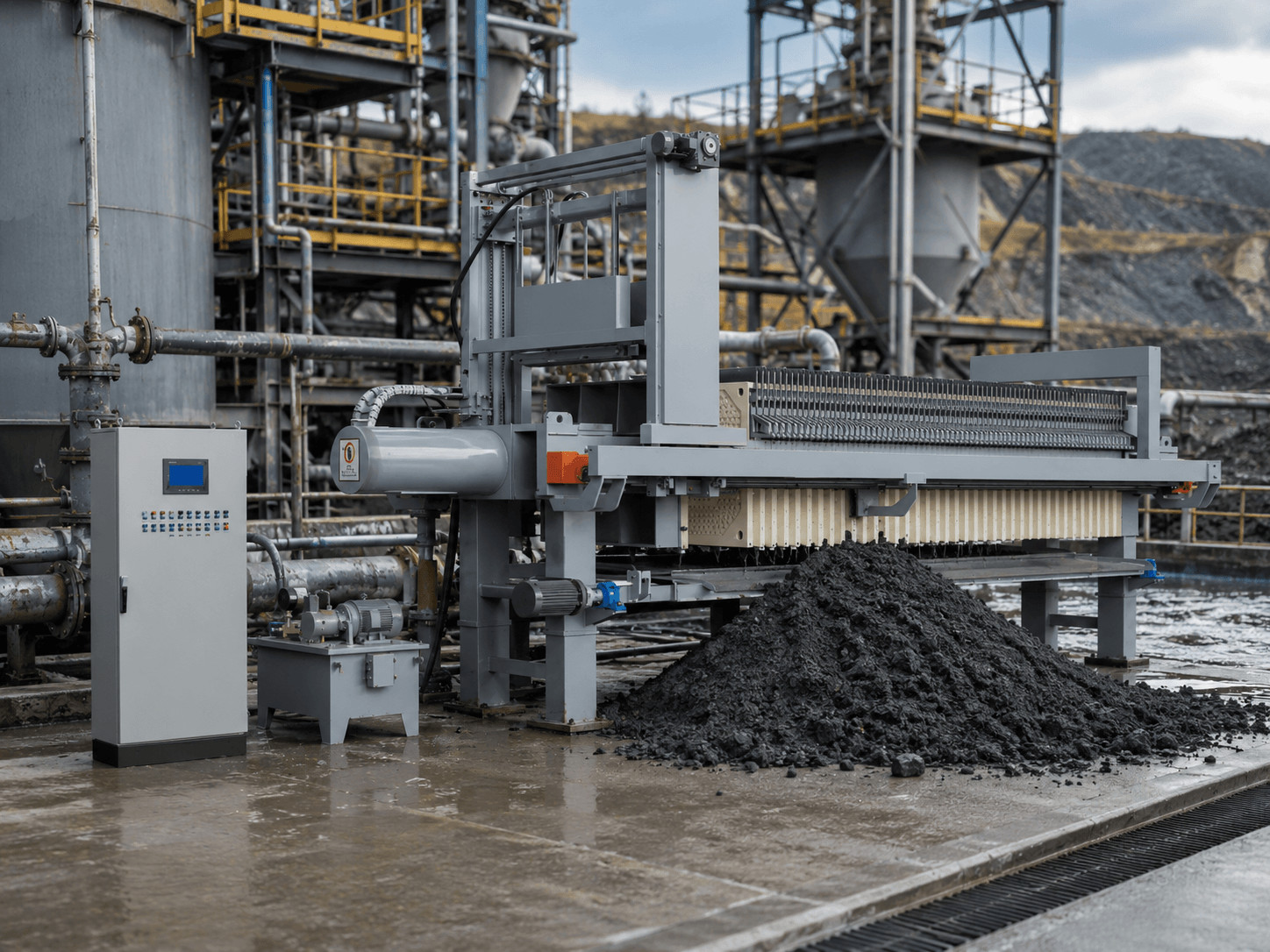
How to Choose a Horizontal Filter Press: Sizing, Automation and Supplier Checklist
Prepare your slurry data
A supplier cannot size a press without knowing what goes into it. Before requesting a quotation, collect:
- Solids concentration (% by weight)
- Particle size distribution
- pH and temperature
- Chemical composition, especially corrosive or abrasive components
- Daily or hourly volume to be processed
- Target cake moisture or solids content
- Available floor space and utilities
Estimate capacity and plate size
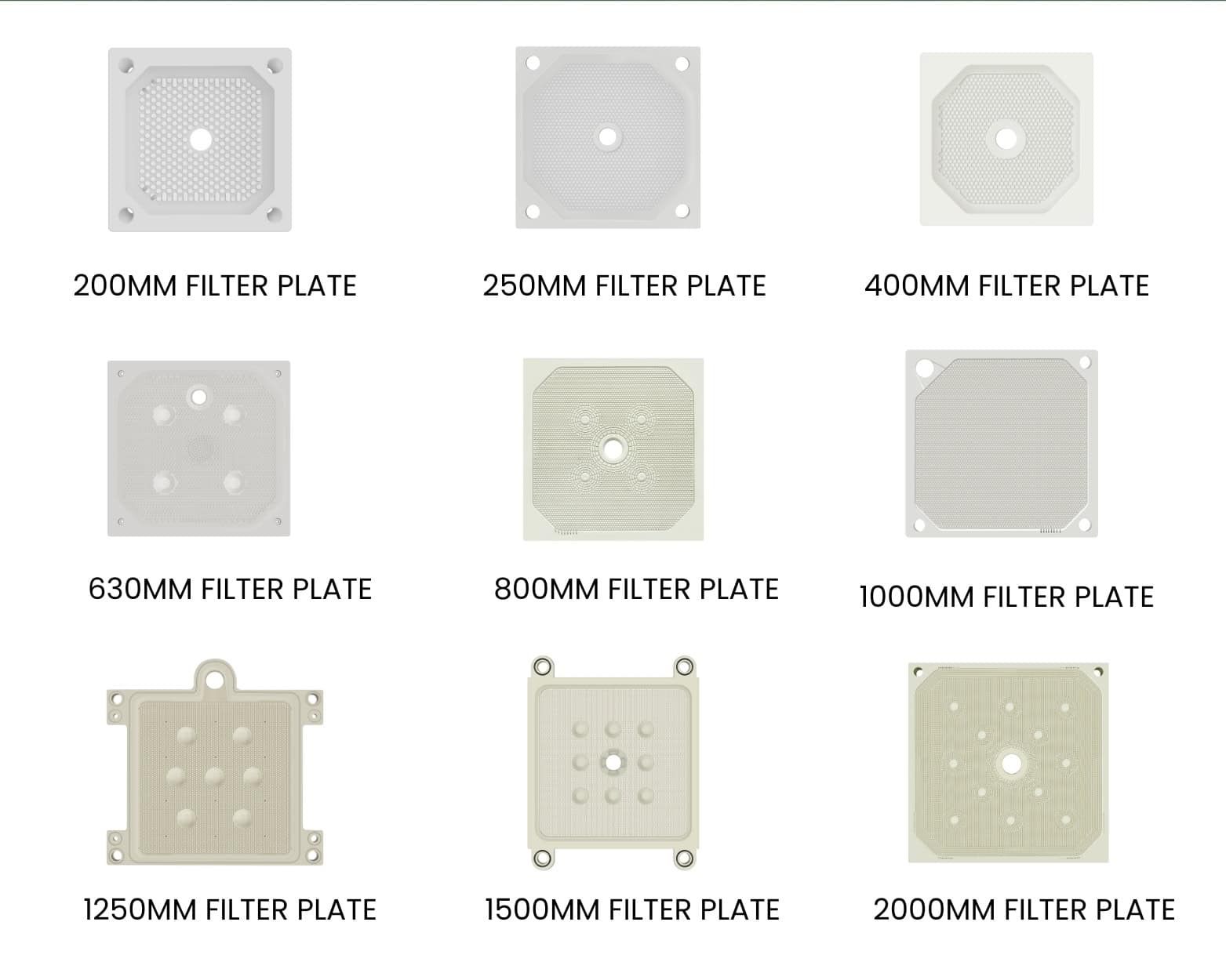
Filtration area, plate size and number of chambers follow from your daily solids load, the cycle time and the cake thickness. Larger plates and more chambers raise capacity, but they also raise the footprint and the weight of each plate. A supplier can work out the combination from your slurry data.
Decide the level of automation
- Manual: lowest purchase price, highest labor input. Suited to small or occasional operations.
- Semi-automatic: hydraulic closing and opening with manual cake handling.
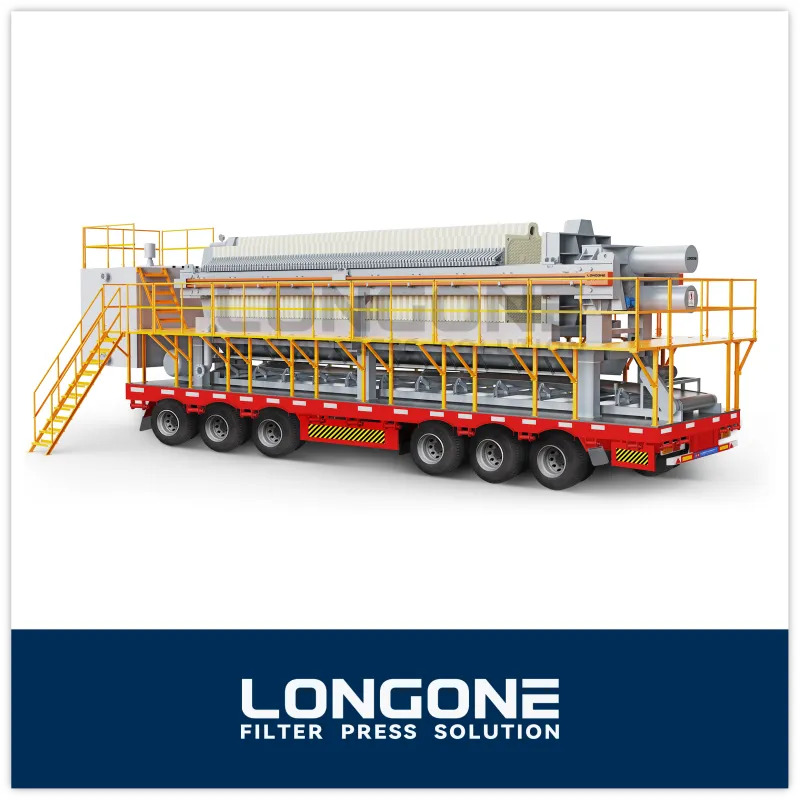
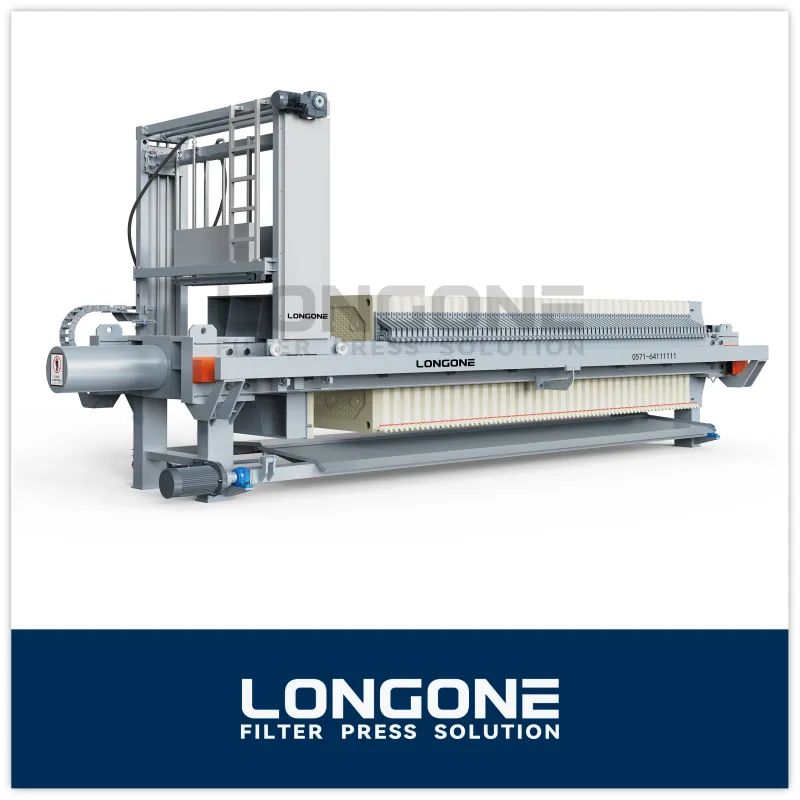
- Fully automatic: automatic plate shifting, cloth washing and PLC control, for continuous high-volume operation.
The extra investment in automation is usually recovered through lower labor cost and shorter cycles, but the saving depends on how many shifts the press runs.

Supplier checklist
When you compare manufacturers, check:
- Certifications: CE and ISO 9001 quality management.
- Maatwerk: plate size, chamber count, structural material, automation level and hydraulic control.
- Spare parts: plates, cloths and hydraulic components available long-term.
- After-sales support: installation guidance, operator training and maintenance support.
- Warranty and delivery: warranty terms, and delivery time (standard delivery for our equipment is 15–30 days, with longer lead times for customized systems).
- Factory access: whether you can visit or see the production line.
Veelgestelde vragen
What is a horizontal filter press used for?
A horizontal filter press separates solids from liquids under pressure. It is used for dewatering sludge, recovering product from slurries and clarifying liquids in mining, chemical, wastewater and food industries.
What is the difference between horizontal and vertical filter presses?
In a horizontal press the plates sit side by side on horizontal beams. In a vertical press the chambers are stacked on top of each other. Horizontal presses scale more easily and usually cost less per square meter of filtration area. Vertical presses take less floor space and are often more automated.
How do I calculate the filtration area I need?
Filtration area depends on your solids load per day, the cake thickness and the cycle time. The most reliable method is to give a manufacturer your slurry data and capacity target so they can propose plate size and chamber count.
Chamber or membrane plates: which is better?
Neither is better in every case. Chamber plates are simpler and cost less. Membrane plates add a squeeze step that usually gives a drier cake, which matters when disposal or drying costs are high.
How long does a filter press cycle take?
Cycle time depends on the material, the cake thickness and the pressure. It can range from under an hour to several hours. A test on your own slurry gives the most accurate figure.
Conclusie
If you are planning a dewatering or filtration project, send us your slurry data and target cake moisture. Our engineers can suggest a suitable plate type, size and automation level, and quote accordingly. Neem contact op met Longone to discuss your application.