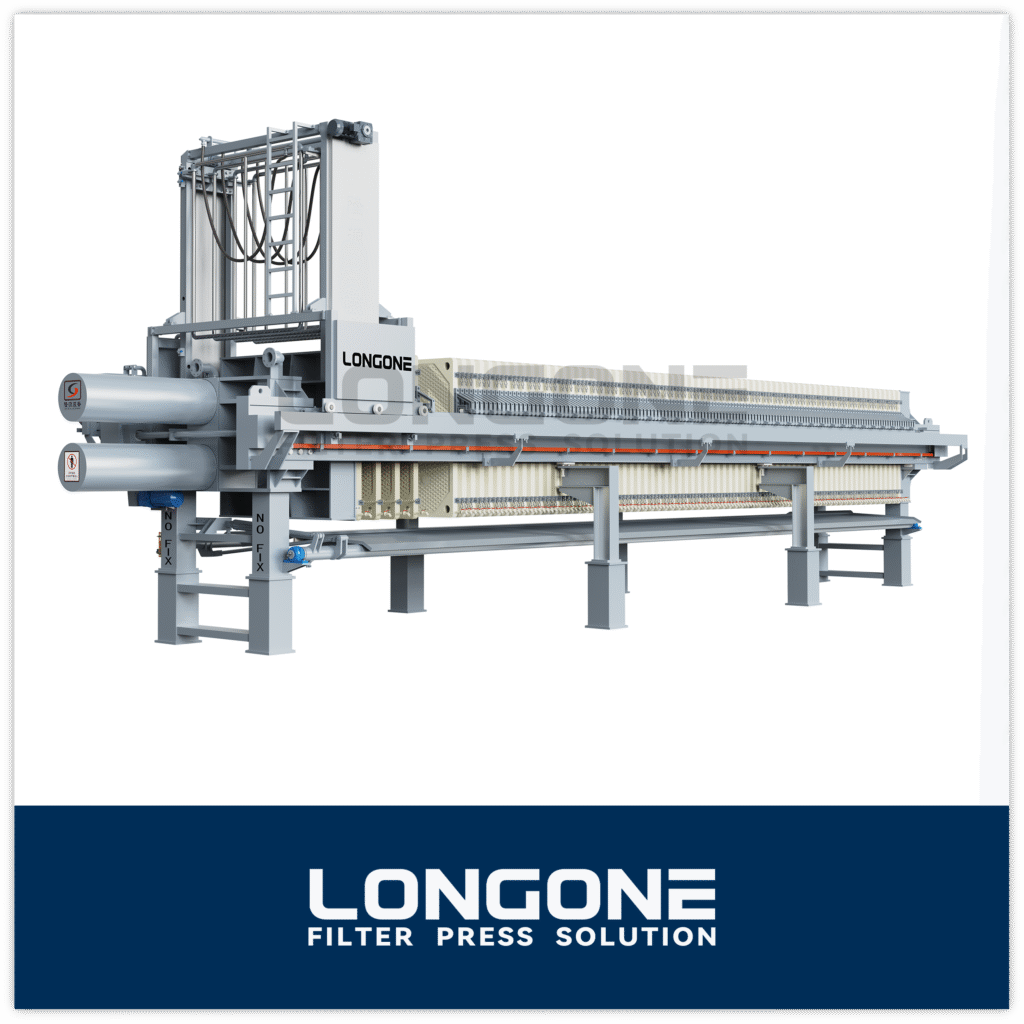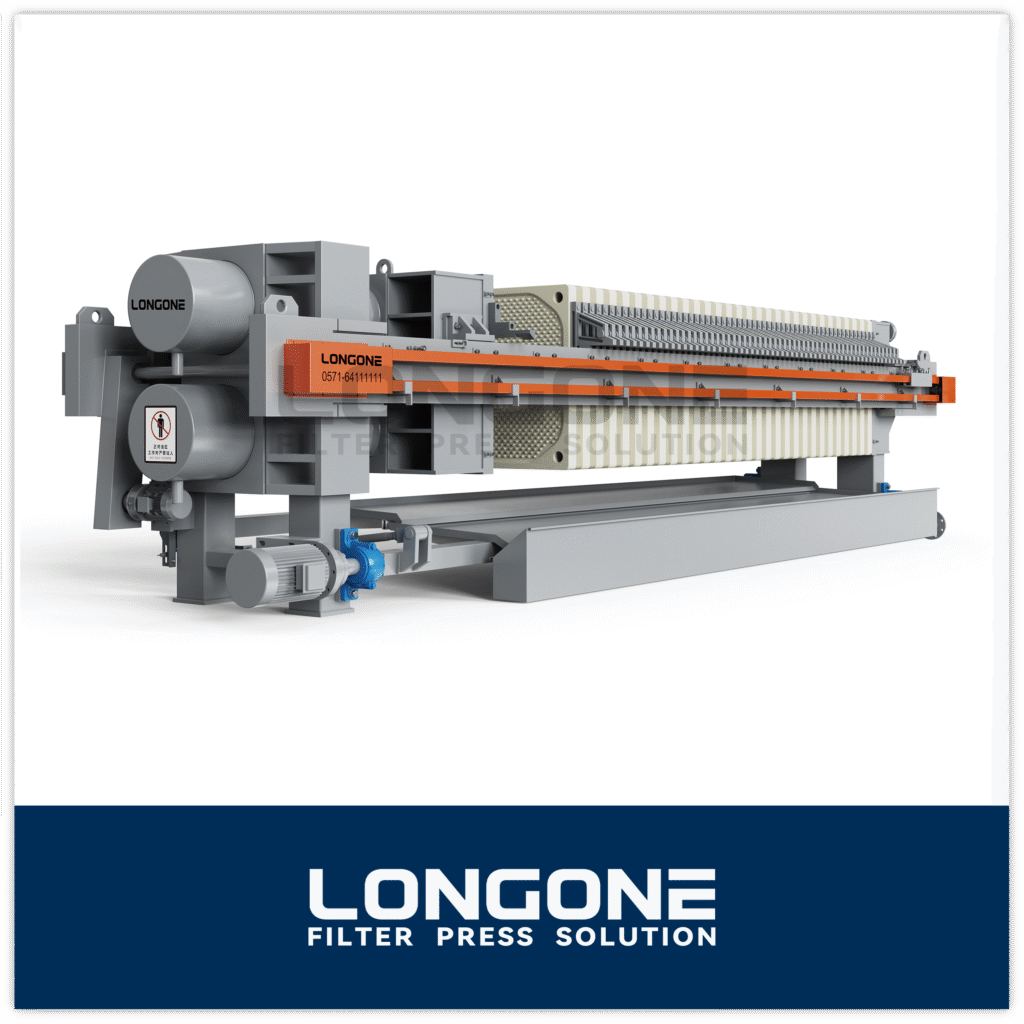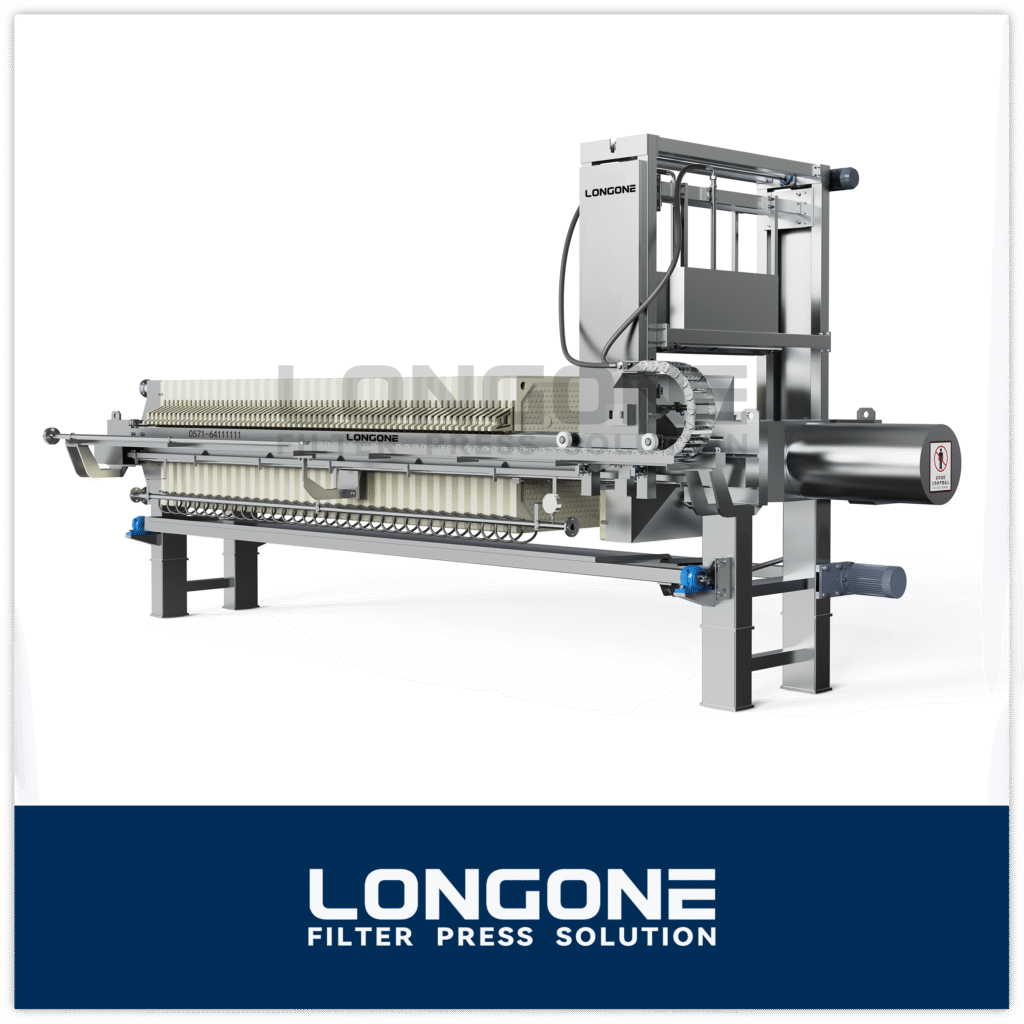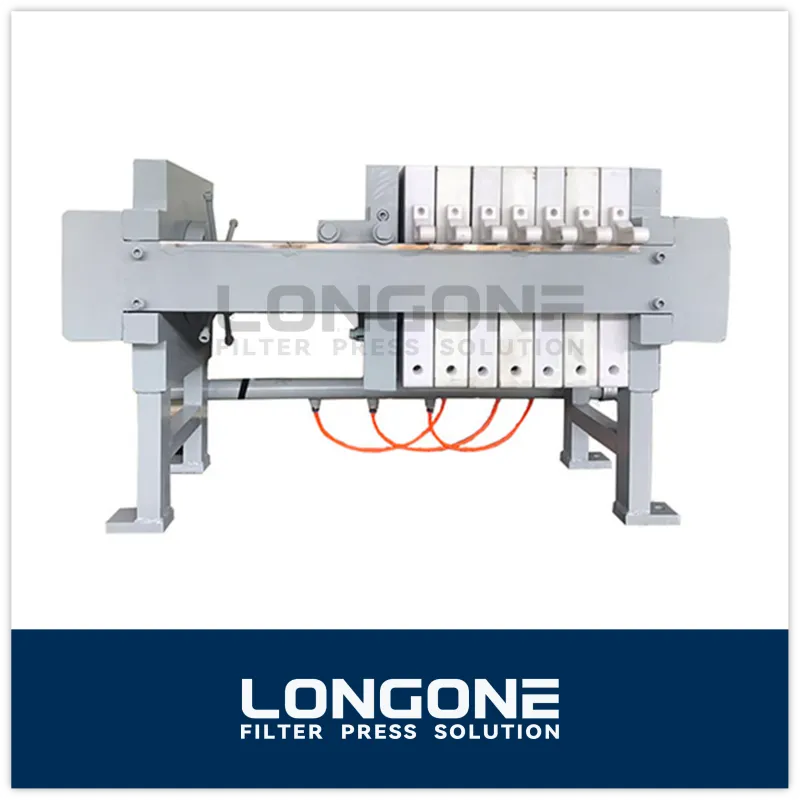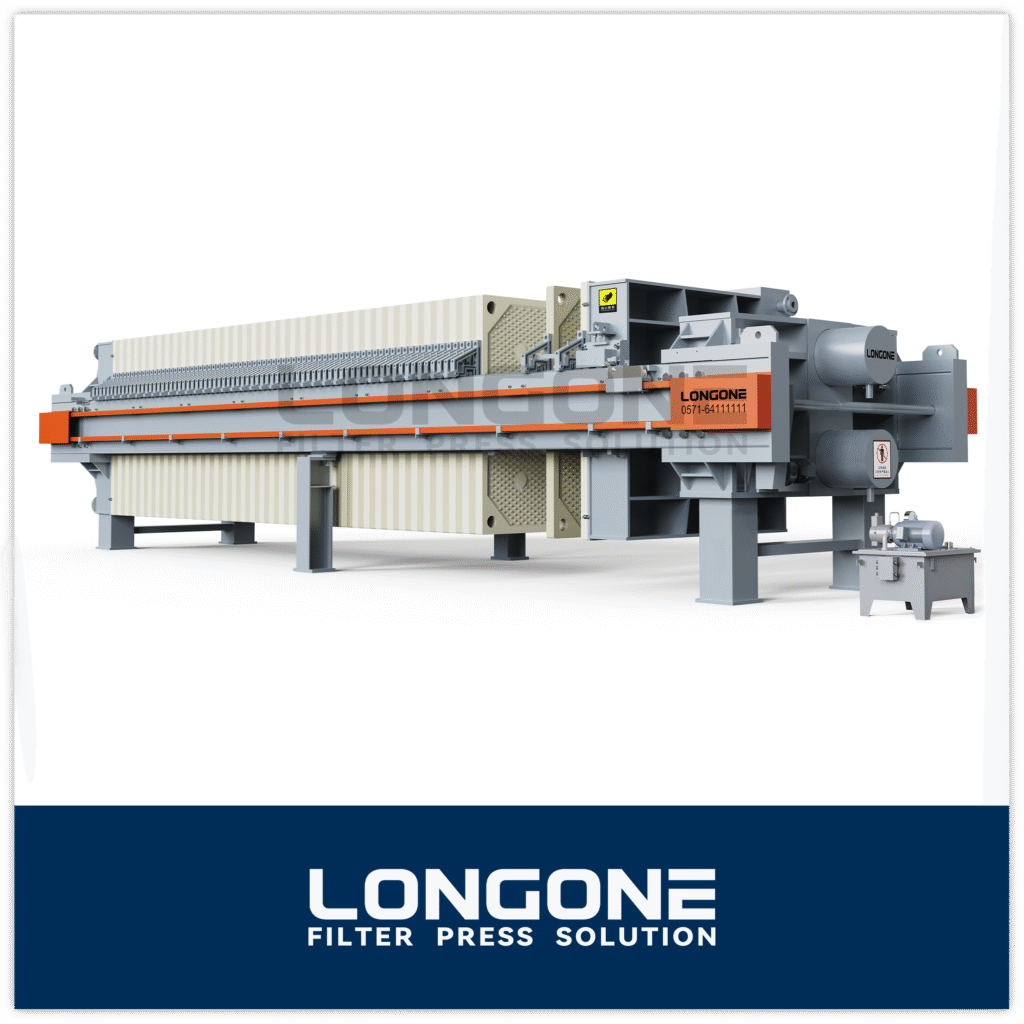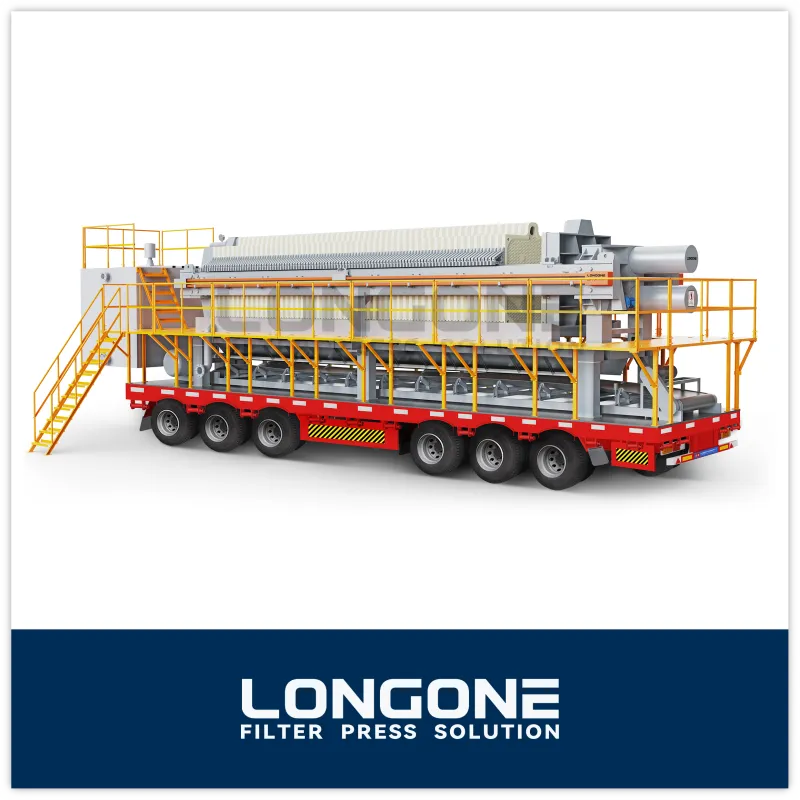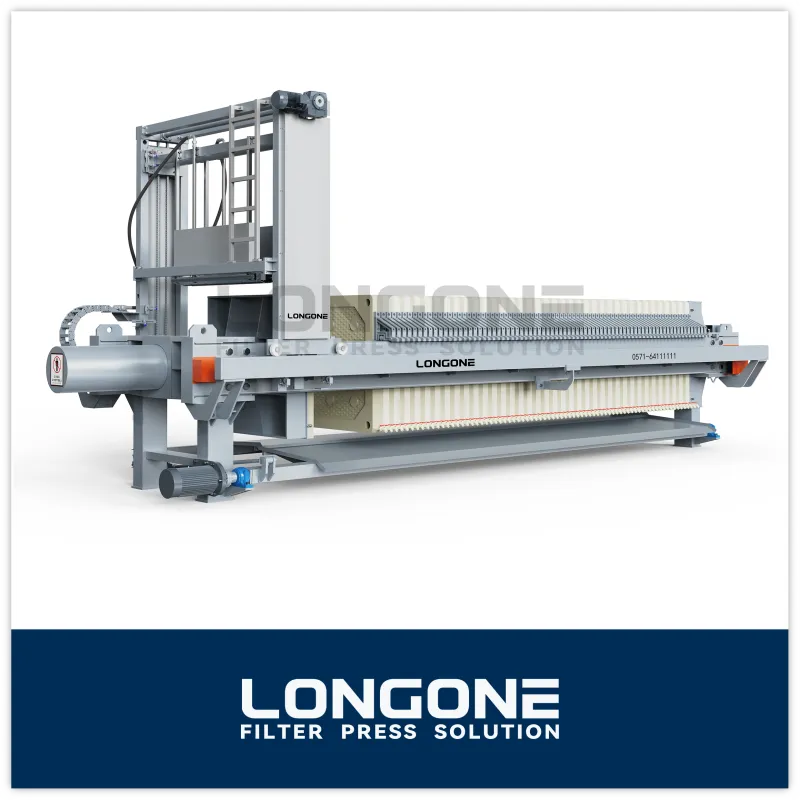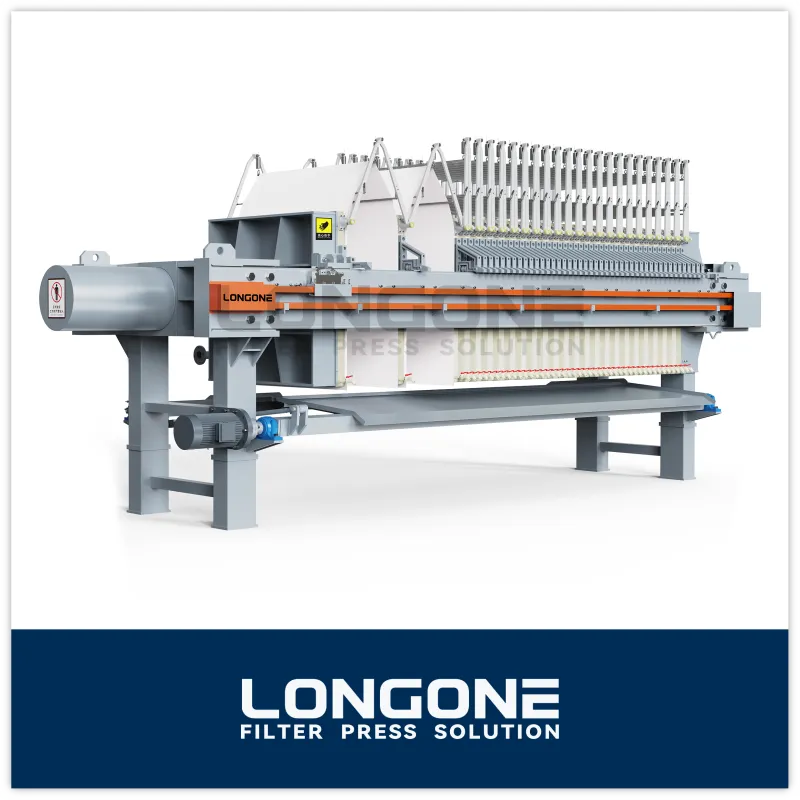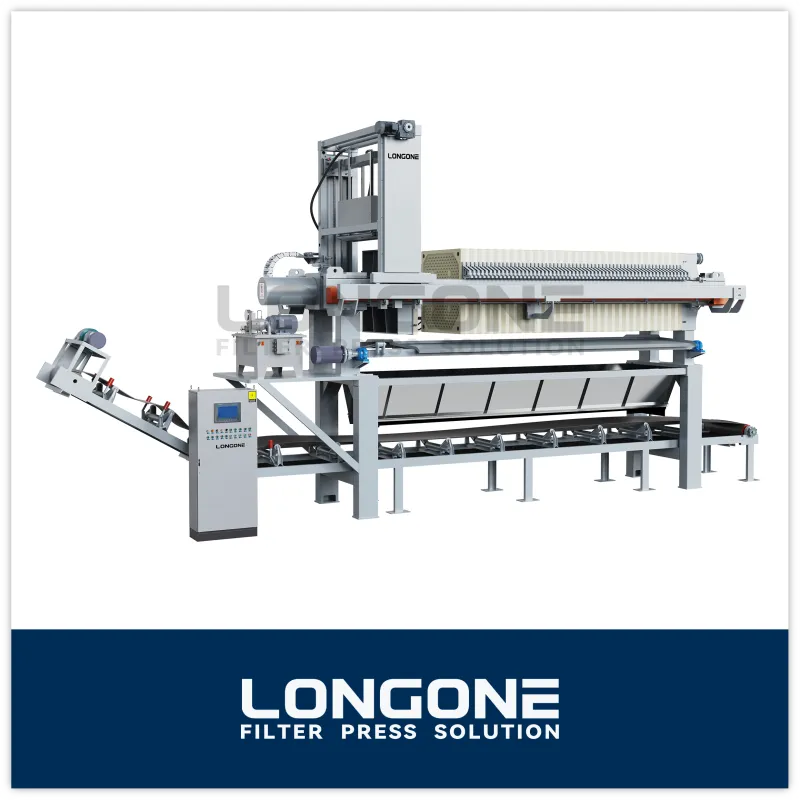
When solid-liquid separation efficiency declines, operating speed slows, and energy costs rise, factories face frustrating downtime. The root of the problem often lies in a small but crucial component—the filter plate. Choosing the right filter plate can significantly improve performance and reduce costs.
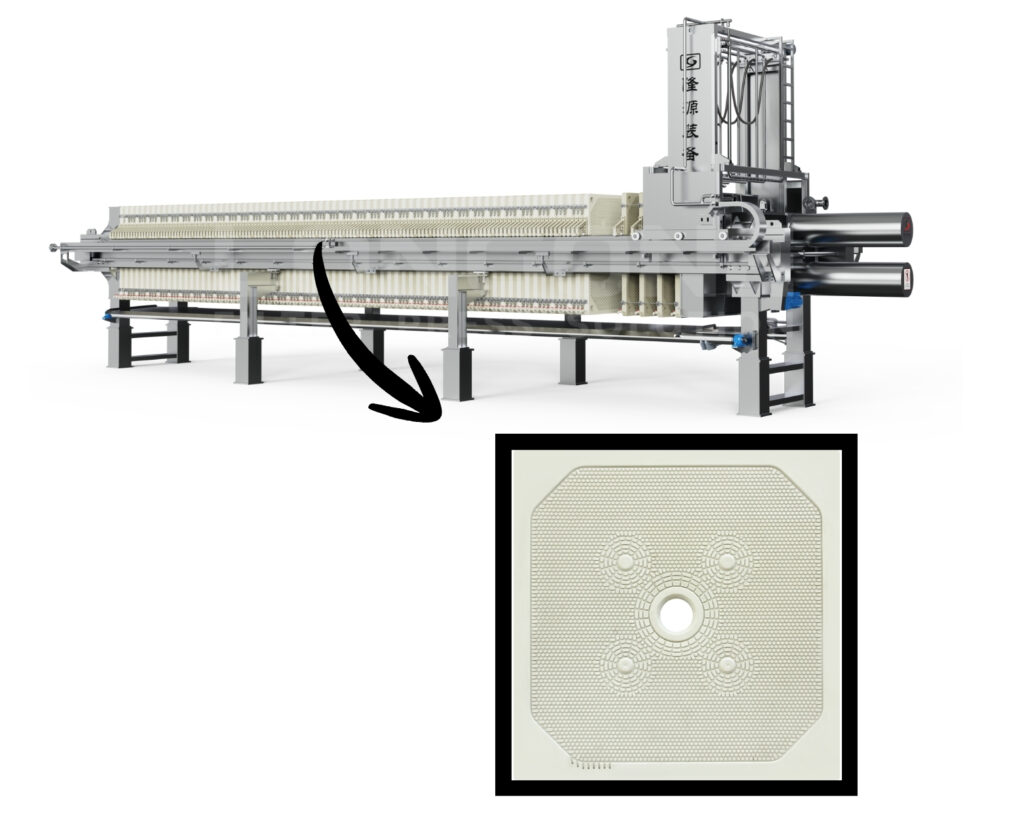
The filter plates are the core component of a filter press, responsible for supporting the filter cloth and forming the dewatering chamber. Selecting the appropriate filter plate type and material ensures optimal filtration efficiency, stability, and long-term reliability in any industrial process.
Next, we will discuss filter plate types, materials, and selection techniques.
What Is A Filter Plate?
A filter plate is an important part of a filter press system that separates solids from liquids. When the machine is running, slurry is pumped into chambers between plates. The liquid goes through the filter cloth, and the solids stay behind as “filter cake.”
In short, the plate gives the structure strength, keeps the pressure balanced, and makes sure that the water is removed quickly.
Even the best filter press makers can’t guarantee that their machines will work the same way every time without high-quality plates.
Filter plates are the most important parts of a filter press because they keep the pressure stable and help separate solids from liquids.
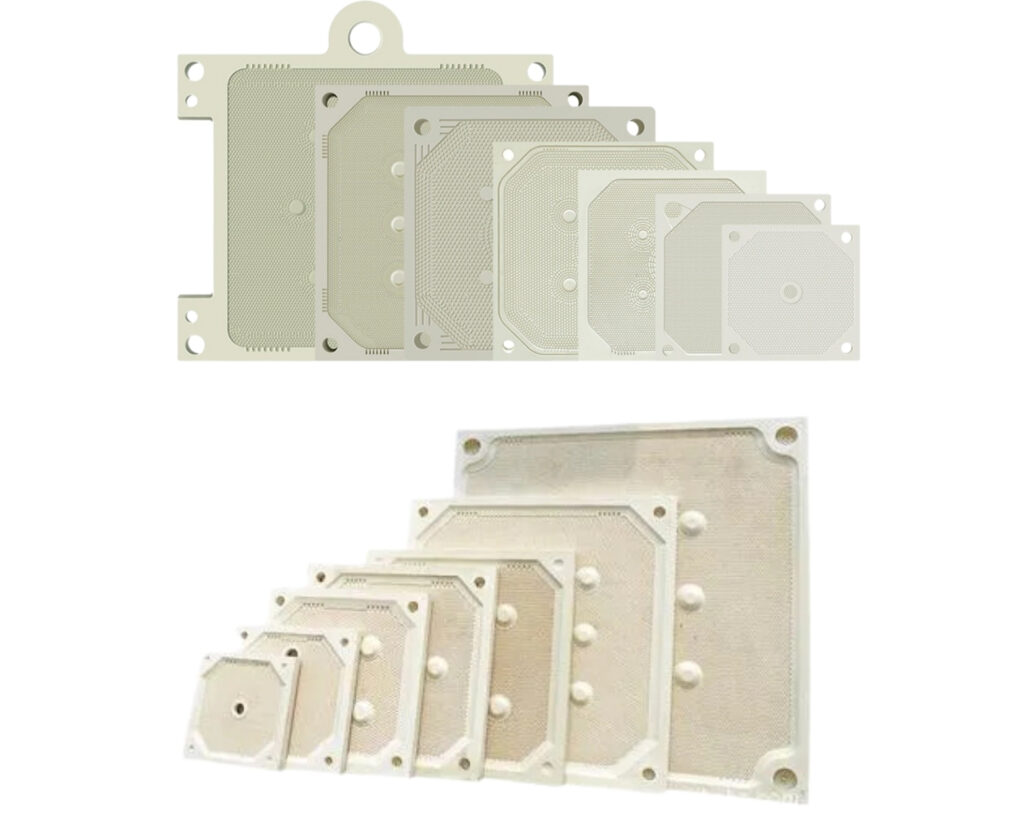
What Are The Different Types Of Filter Plates?
There are many different types and styles of filter plates, each made to meet a specific operational need. The design of a plate affects how well it filters, how long it takes to cycle, how dry the cake is, and how much work it takes to keep it clean. It’s important to choose the right type of plate to get the best performance at the best price.
Membrane Filter Plates
Membrane filter plates represent the most advanced design in modern filter press systems. Each plate consists of a rigid backing plate and a flexible diaphragm (membrane). After the filtration phase, the membrane inflates with air or water pressure to further compress the filter cake, significantly reducing its moisture content.
Advantages:
- Delivers the lowest possible moisture in the filter cake.
- Shortens filtration cycles, increasing throughput.
- Ideal for industries where product dryness or purity is critical.
Applications:
Widely used in membrane filter press units for mining, pharmaceutical, chemical, and food processing industries. For example, in mineral processing, membrane plates help recover more dry solids, reducing transportation and disposal costs.
Technical Tip:
Although membrane plates cost more upfront, they can reduce long-term operating costs due to shorter cycles and less energy use for drying.
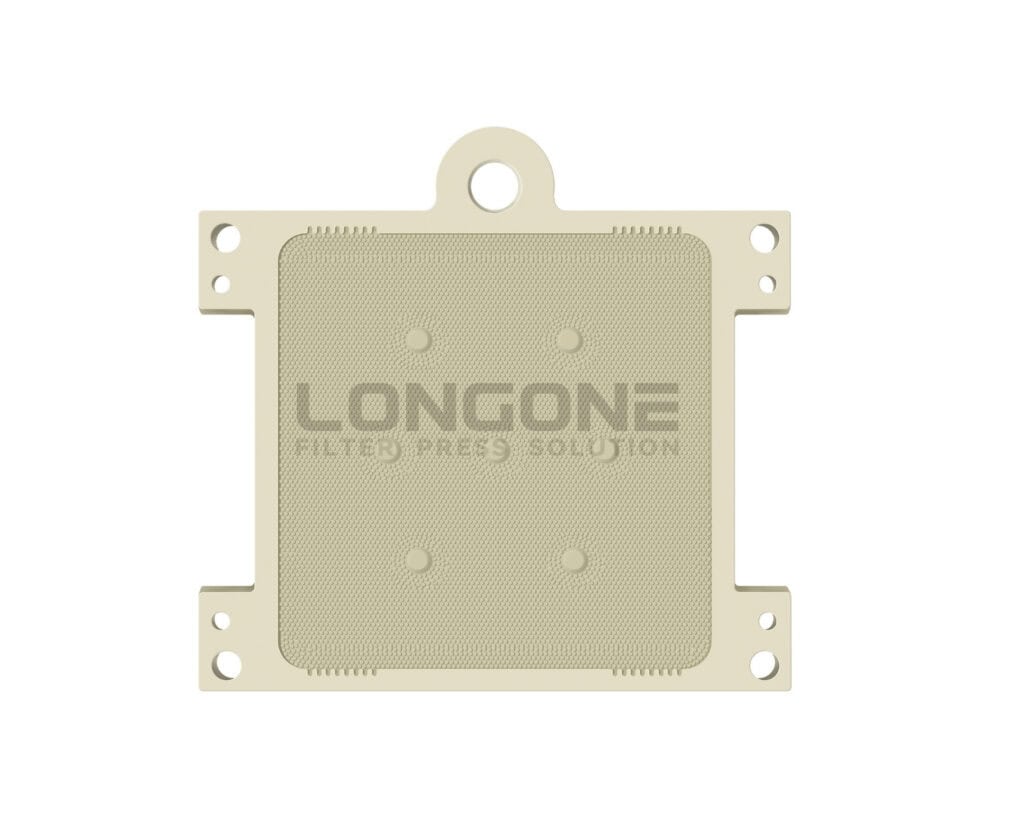
Chamber Filter Plates
Also known as recessed filter plates, this type is the most commonly used due to its simplicity and robustness. Each plate features a recessed cavity that creates a sealed chamber when paired with another plate. Slurry is pumped into the chamber, liquid passes through the cloth, and solids accumulate to form a cake.
Advantages:
- Simple structure with fewer moving parts.
- Cost-effective and suitable for heavy-duty operations.
- Works well with fully automatic chamber filter press systems.
Applications:
Chamber plates are widely used in wastewater treatment, chemical manufacturing, and metallurgical industries. In municipal wastewater systems, they are preferred for handling high volumes of sludge with moderate cake dryness requirements.
Technical Tip:
Their rugged design makes them ideal for applications requiring long-term reliability with minimal operator intervention.
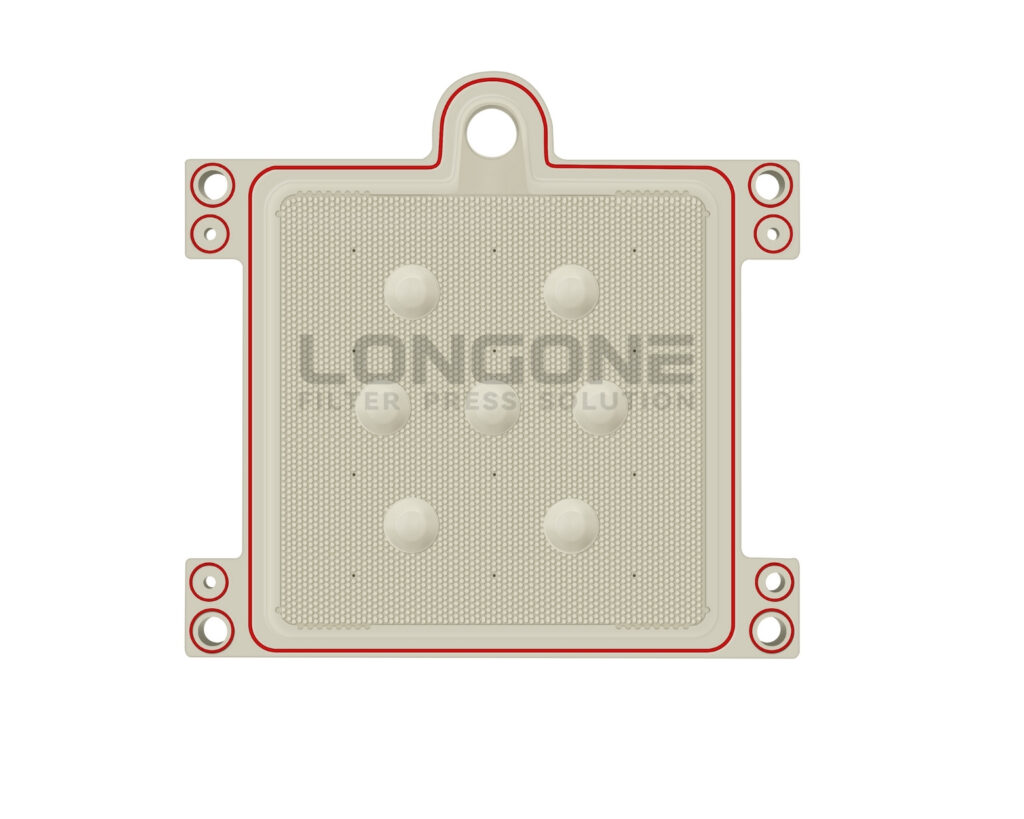
Plate And Frame Filter Plates
This traditional design consists of alternating solid plates and hollow frames. The slurry flows through the frame, while the plate and filter cloth retain the solids. Despite being an older design, it remains valuable for applications requiring exceptional filtration clarity.
Advantages:
- Produces high-clarity filtrate.
- Easy to inspect and clean.
- Suitable for small batches and laboratory environments.
Applications:
Commonly used in plate and frame filter press systems for laboratory testing, fine chemical production, and pilot-scale operations. In research environments, the ease of disassembly allows precise control and observation of filtration performance.
Technical Tip:
Though slower in cycle time, plate and frame systems offer unmatched versatility for experimental or specialty filtration processes.
What Are The Specifications Of Filter Plates?
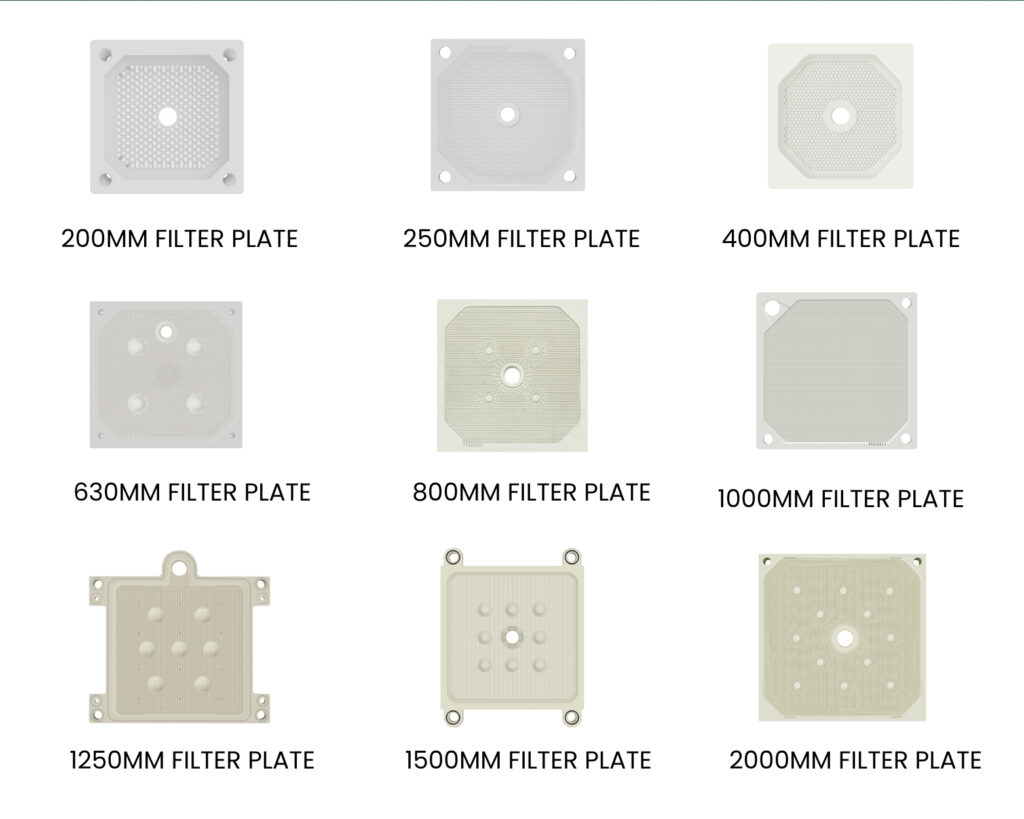
Filter plate specifications vary according to the filter press model and process requirements. Here are the most common parameters to consider:
| Plate Size (mm) | Press Capacity (cu.ft.) |
|---|---|
| 470 | 1–5 |
| 630 | 2–10 |
| 800 | 5–30 |
| 1000 | 40–150 |
| 15000 | 100–300 |
Always confirm dimensions, material, and pressure rating to ensure full compatibility with your filter press system.
Materials Used To Make Filter Press Plates
The material used in filter press plates determines their strength, chemical resistance, and temperature tolerance. Here are the most common materials:
| Material | Key Features | Applicable Industries |
|---|---|---|
| Polypropylene (PP) | Lightweight, corrosion-resistant, low cost | Wastewater, chemical, mining |
| Nylon | Higher temperature resistance, durable | Food, chemical, metallurgy |
| PVDF | Excellent chemical resistance, withstands high temperature | Chemical, pharmaceutical |
| Aluminum | High mechanical strength, lightweight | Industrial filtration, metallurgy |
| Stainless Steel | Corrosion-resistant, durable under high pressure | Petrochemical, food, pharmaceuticals |
Material selection depends on chemical compatibility, temperature, and pressure requirements of your process.
How To Use A Filter Plate?
To ensure optimal performance, proper operation and maintenance are key.
- Installation: Make sure each filter plate is properly aligned and sealed.
- Check Filter Cloth: Ensure the cloth is clean, properly centered, and free of wrinkles.
- Start Gradually: Increase pressure step by step to prevent leaks or plate cracking.
- Routine Cleaning: Remove residual cake and inspect for damage regularly.
- Preventive Maintenance: Replace worn filter cloths and check plate surfaces for deformation.
Regular inspection and cleaning can significantly extend the lifespan of filter plates and reduce downtime.
Advantages And Disadvantages Of Different Types Of Filter Press Plates
To make the right investment, it’s essential to compare the key strengths and limitations of each filter plate design. The table below summarizes their core characteristics:
| Type | Advantages | Disadvantages | Applicable Industries |
|---|---|---|---|
| Membrane Filter Plate | Excellent dewatering; lowest moisture; faster cycle; energy-saving | Higher cost; complex system with extra control valves | Mining, food, chemical, wastewater |
| Chamber Filter Plate | Cost-effective; easy to maintain; durable | Slightly higher cake moisture; longer drying time | Municipal wastewater, metallurgy |
| Plate And Frame Filter Plate | Best filtration clarity; easy inspection | Manual operation; low efficiency for large volumes | Laboratory, fine chemicals |
Applications Of Filter Plates In Different Industries
Filter plates play vital roles in multiple sectors:
- Mining & Minerals: For dewatering tailings and fine slurry.
- Chemical Processing: To handle corrosive materials safely.
- Wastewater Treatment: To reduce sludge volume and disposal costs.
- Food & Beverage: To ensure product purity and hygiene.
- Pharmaceuticals: For sterile and fine filtration processes.
Each industry requires tailored plate materials and configurations to achieve optimal filtration outcomes.
Filter plates serve across diverse industries where solid-liquid separation is essential.
How To Choose The Right Filter Plate
Choosing the correct plate type and material ensures long-term reliability and cost efficiency. Consider these factors:
- Filtration Material: Determine the chemical nature and particle size of your slurry.
- Operating Pressure & Temperature: Select materials that can withstand your process conditions.
- Moisture Requirements: If you need drier cakes, choose a membrane filter press design.
- Budget: Chamber filter press systems offer good performance at lower cost.
- Maintenance: Simpler plate types mean easier handling and reduced downtime.
When in doubt, consult your filter press manufacturers to receive tailored recommendations.
Conclusion
Selecting the right filter plates is not just about compatibility—it’s about maximizing performance and minimizing lifecycle costs. Understanding plate types, materials, and maintenance ensures reliable filtration for any industrial application.
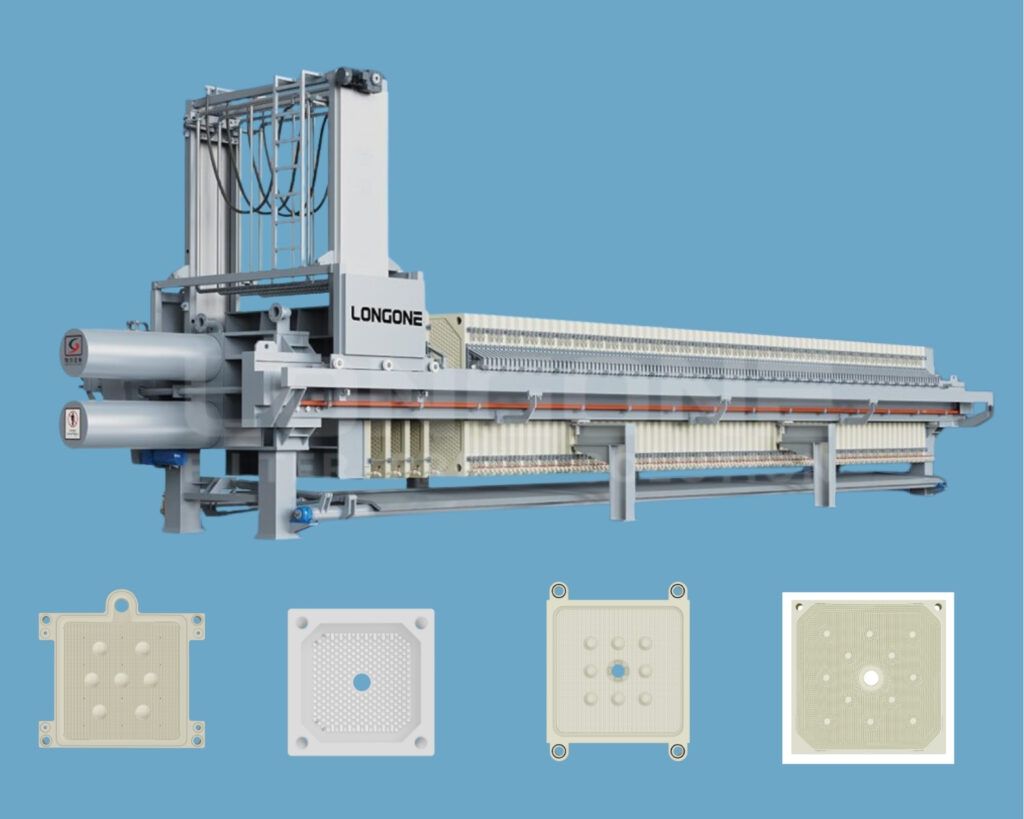
Contact Longone for customized filtration solutions designed to meet your operational goals and process requirements.