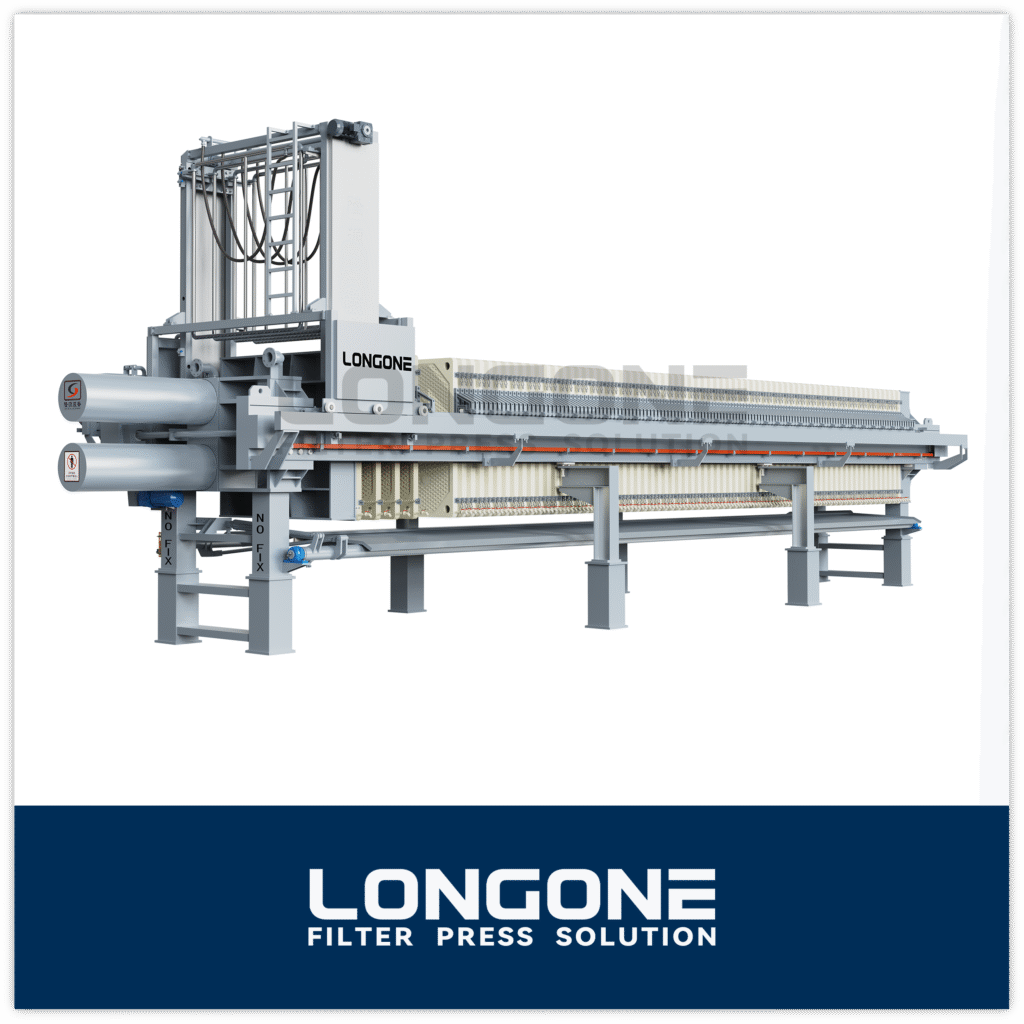
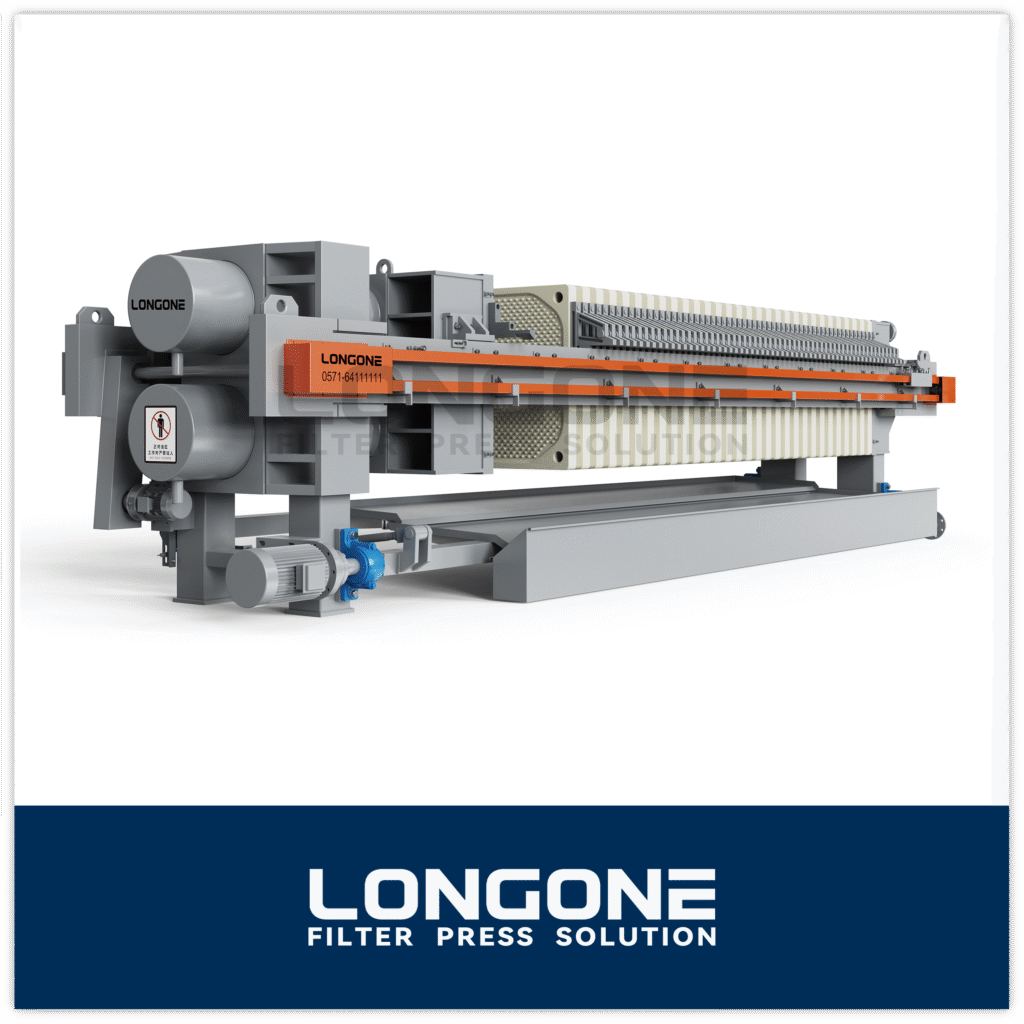
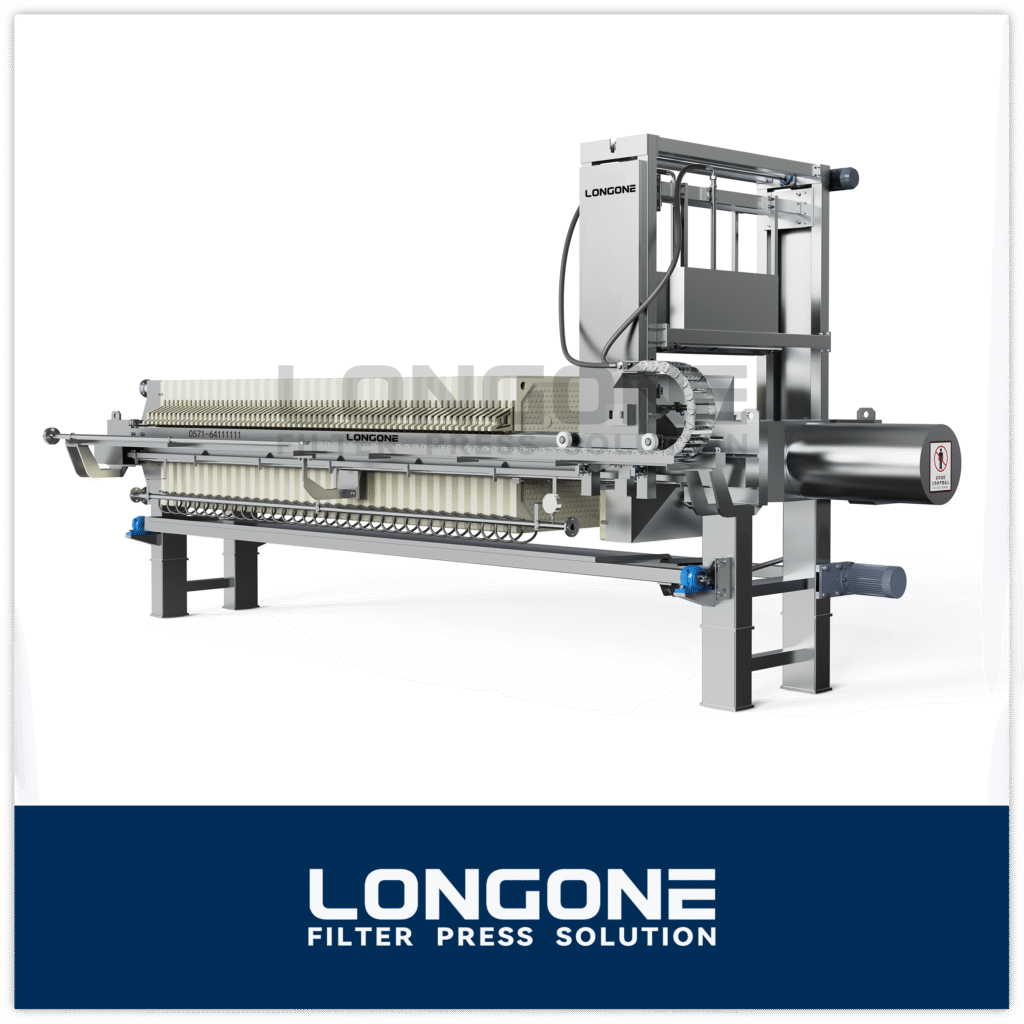
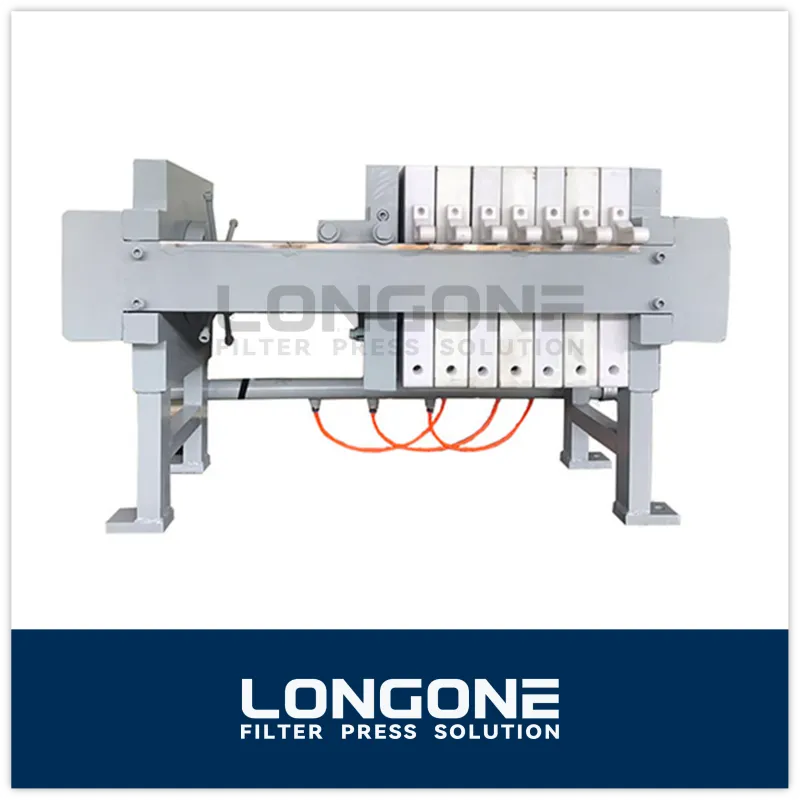
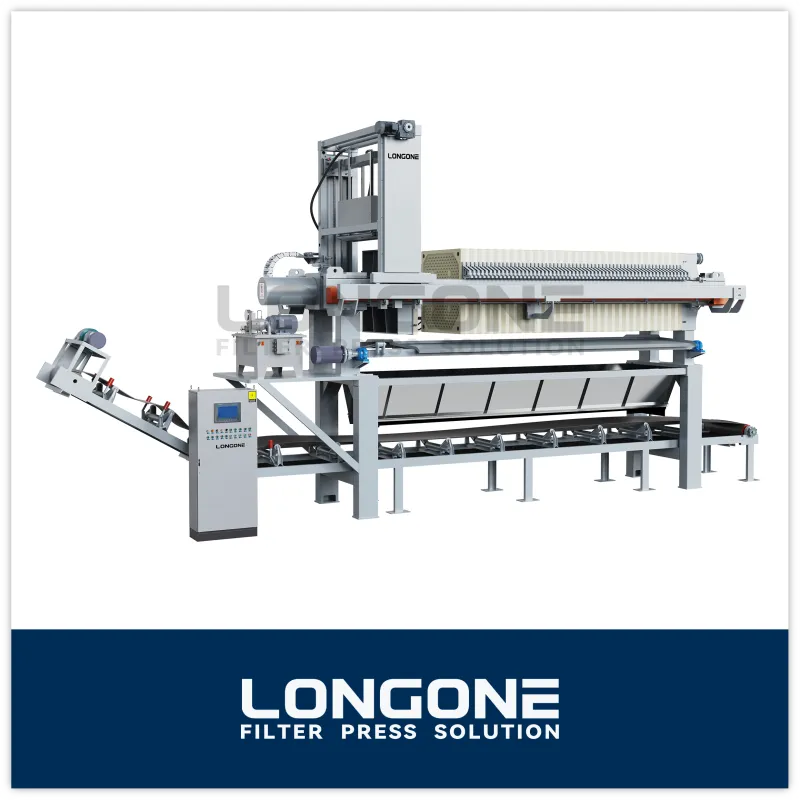
A filter press cloth is one of the most important components in a solid-liquid separation system. Although filter cloth is often considered a consumable part, its size directly affects filtration efficiency, equipment sealing performance, cake formation, and overall operating costs.
When selecting or replacing a filter press cloth, many users focus only on the material or filtration accuracy. However, the first and most fundamental requirement is ensuring that the cloth dimensions correctly match the filter press plate. A filter cloth that is too small may cause slurry leakage and poor sealing, while an oversized cloth may create wrinkles, uneven filtration, and premature wear.
Unlike some standardized industrial components, filter press cloth sizes are not universal. The correct dimensions depend on multiple factors, including filter plate size, filter press design, feeding method, installation structure, and application requirements. In most cases, filter cloths are manufactured according to the specific dimensions of the filter press plates rather than selected from a single standard size.
This guide explains how filter press cloth sizes are determined, common dimensions available in the market, how to measure filter cloth correctly, and how to choose a customized solution for industrial filtration systems.
What Determines Filter Press Cloth Size?
The size of a filter press cloth is mainly determined by the design and specifications of the filter press itself. Several technical factors must be considered before manufacturing or purchasing replacement cloth.
Filtre Plakası Boyutu
The filter plate is the primary reference point for determining filter cloth dimensions.
Common filter plate sizes include:
- 320 × 320 mm
- 450 × 450 mm
- 630 × 630 mm
- 800 × 800 mm
- 1000 × 1000 mm
- 1200 × 1200 mm
- 1500 × 1500 mm
- 2000 × 2000 mm
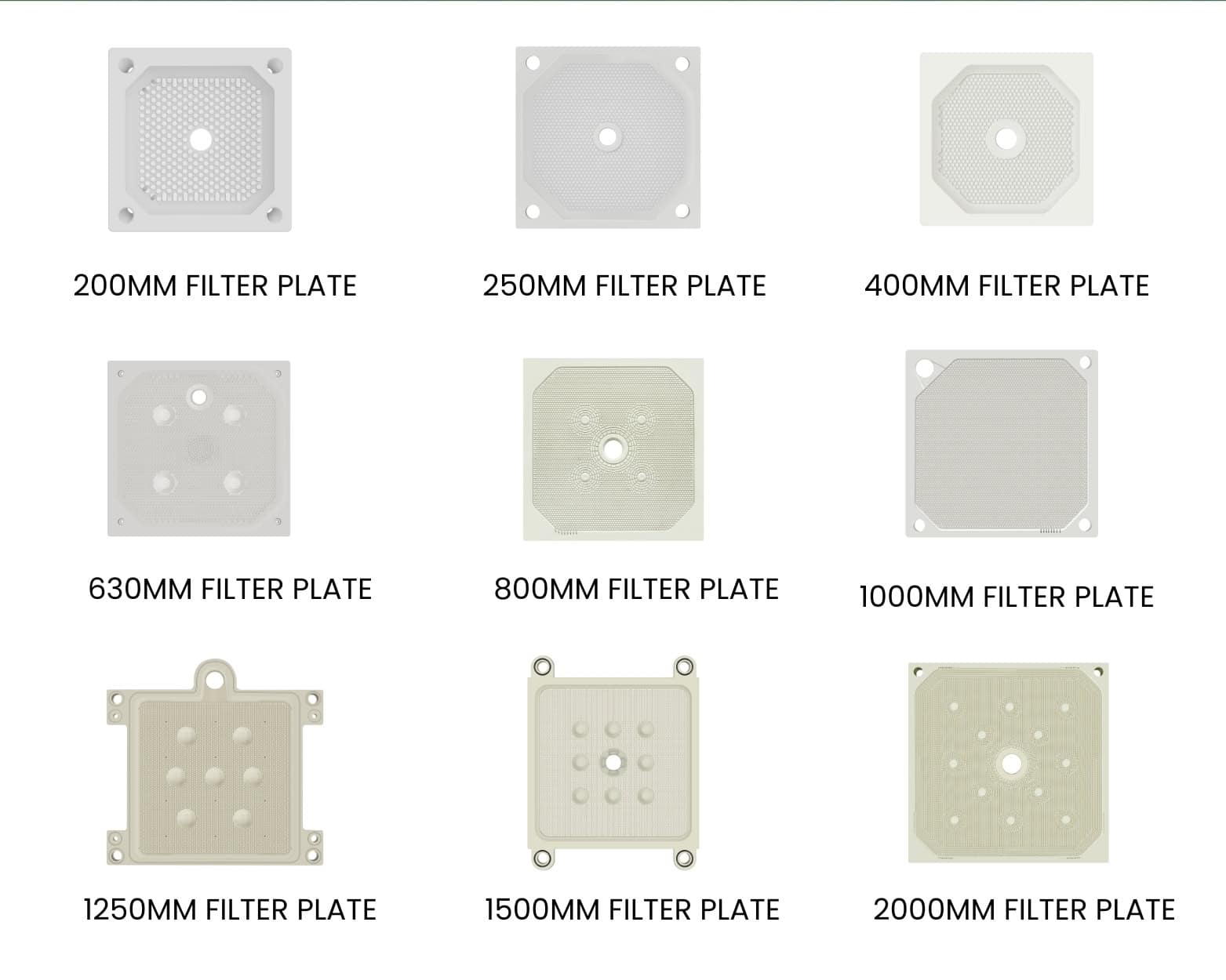
The filter cloth must cover the filtration surface of the plate while also allowing proper sealing around the plate edges.
For example, a filter press using 1000 × 1000 mm filter plates requires cloth dimensions designed specifically for that plate structure. The actual cloth size may vary depending on:
- plate thickness
- feeding hole position
- cloth installation method
- sealing requirements
- plate design
Therefore, the plate size alone is not always enough to determine the exact filter cloth dimensions.
Filter Press Design Type
Different types of filter presses require different filter cloth configurations.
Hazne Filtre Presi
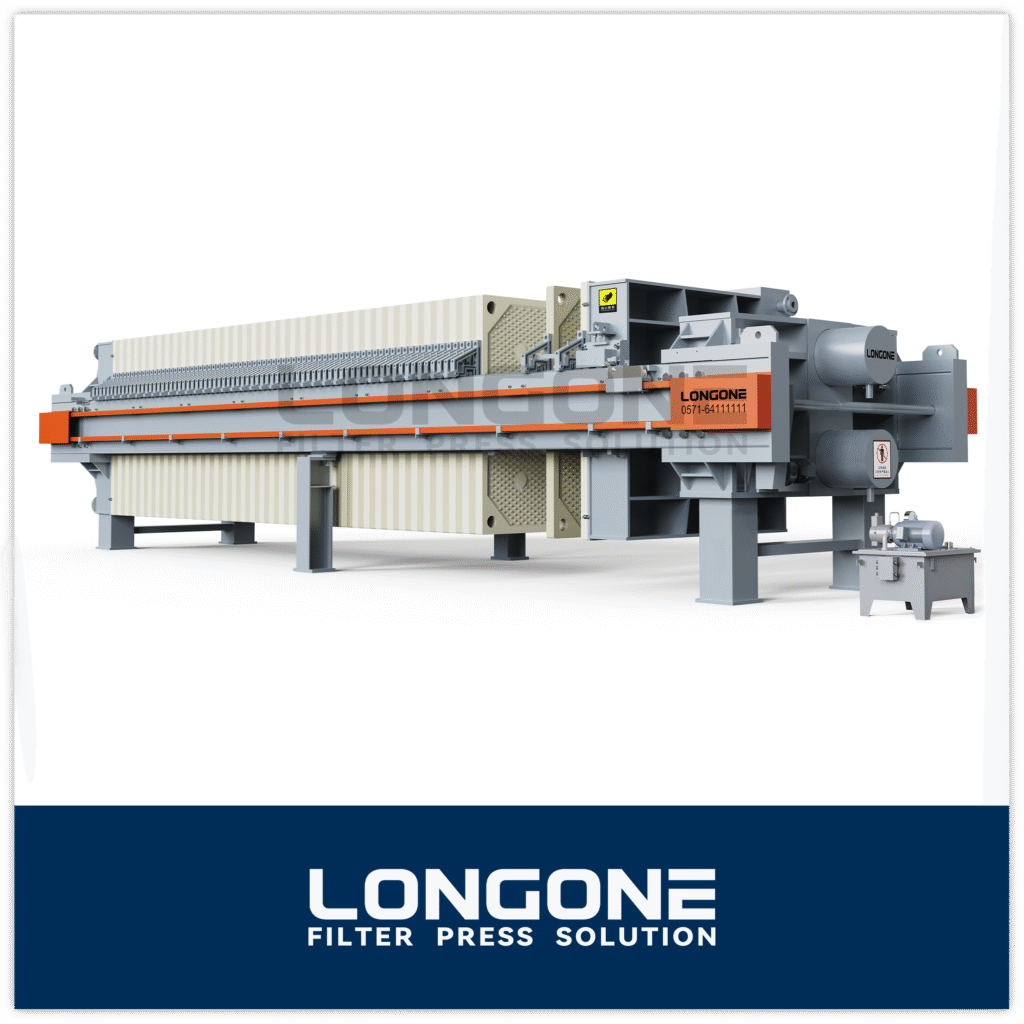
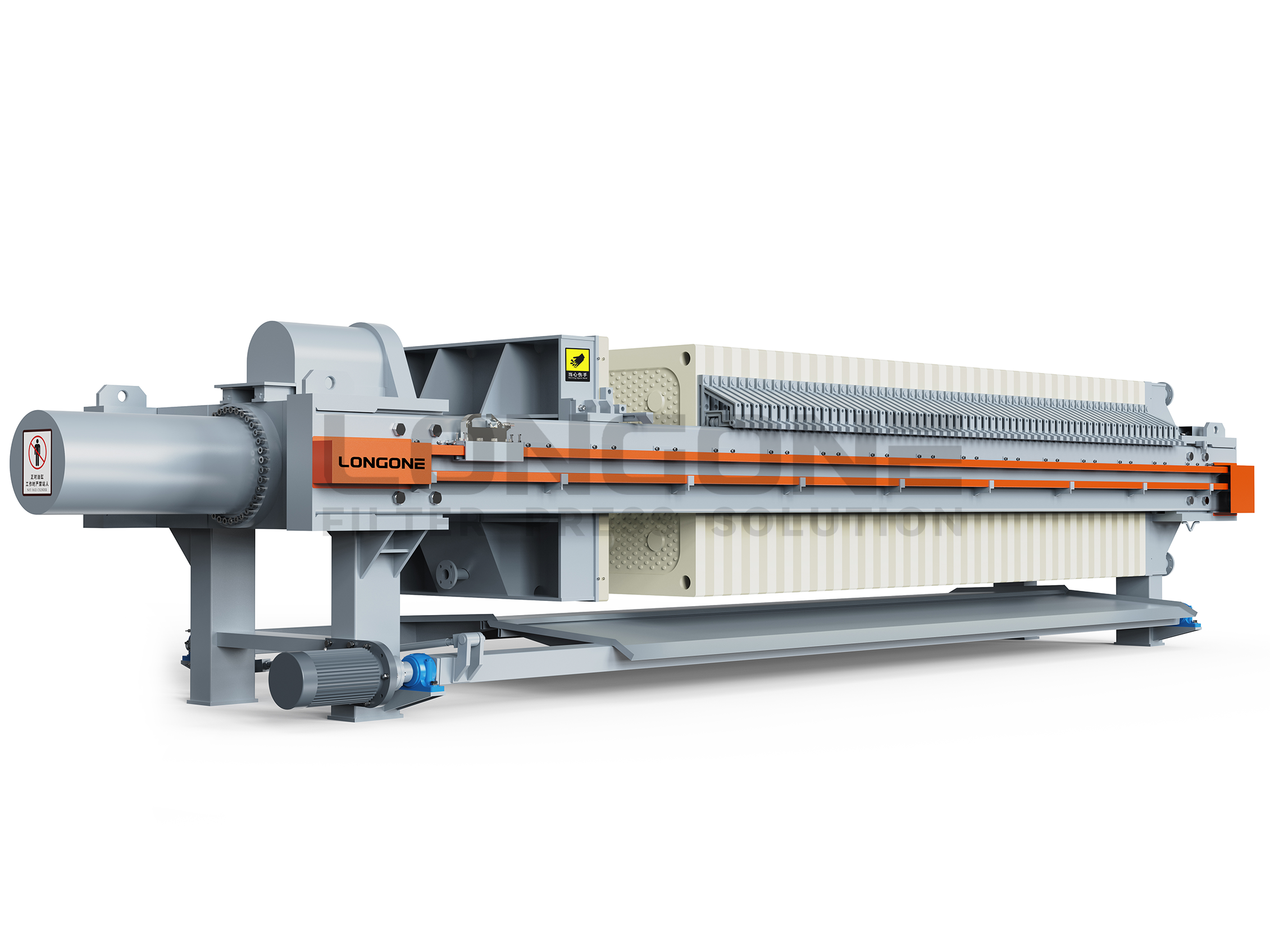
The chamber filter press is one of the most widely used designs in industrial solid-liquid separation.
The filter cloth is installed on both sides of the filter plate and must provide:
- complete filtration surface coverage
- reliable edge sealing
- stable cake formation
Membran Filtre Presi
Membrane filter presses use flexible membrane plates to apply additional squeezing pressure after filtration.
The filter cloth must be compatible with:
- membrane expansion movement
- higher mechanical stress
- repeated compression cycles
Recessed Plate Filter Press
For recessed plate designs, the cloth must match the recessed chamber structure and feeding configuration.
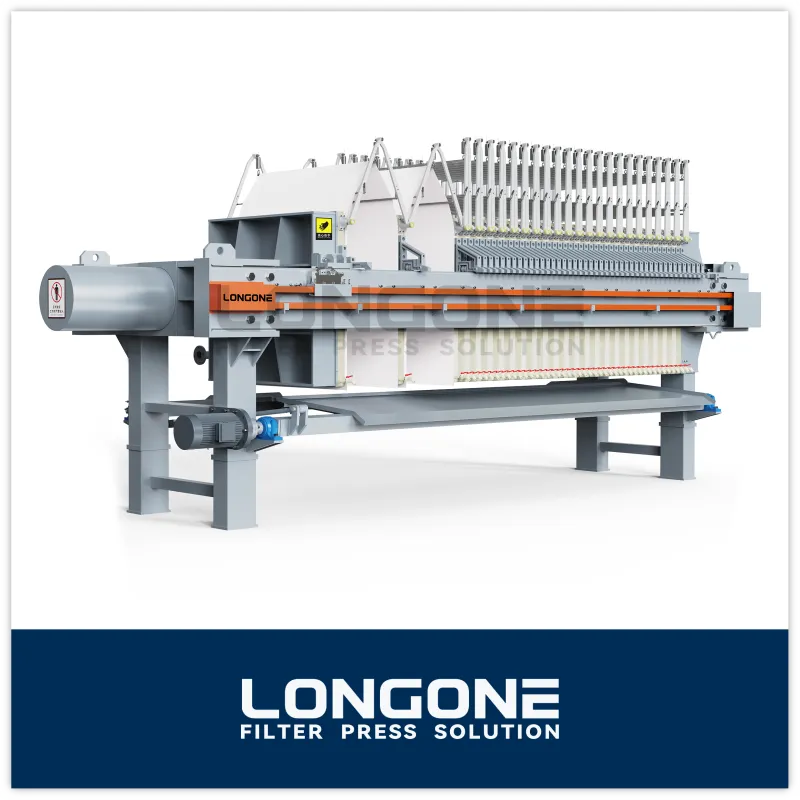
Otomatik Filtre Presi
Automatic systems often require more precise cloth dimensions because they may include:
- automatic cloth washing systems
- mechanical plate shifting
- cloth movement mechanisms
The filter cloth design must consider not only filtration but also continuous mechanical operation.
Common Filter Press Cloth Sizes
There is no single universal filter press cloth size because different manufacturers produce equipment with different plate dimensions and structural designs.
However, industrial filter presses commonly use cloths designed for the following plate sizes:
| Filtre Plakası Boyutu | Common Application |
|---|---|
| 450 × 450 mm | Small industrial filtration systems |
| 630 × 630 mm | Medium-scale processing applications |
| 800 × 800 mm | General industrial wastewater and chemical filtration |
| 1000 × 1000 mm | Widely used industrial filter presses |
| 1200 × 1200 mm | Large wastewater and process filtration |
| 1500 × 1500 mm | Mining and heavy-duty applications |
| 2000 × 2000 mm | Large-scale industrial filtration systems |
These dimensions refer mainly to the filter plate size. The actual filter cloth dimensions must be customized according to the plate structure.
For example, two filter presses may both use 1000 × 1000 mm plates, but their filter cloth designs may differ because of:
- different feed hole locations
- different cloth hanging methods
- different sealing structures
This is why professional filter cloth manufacturers usually require the customer to provide the filter press model, plate drawing, or original cloth sample before production.
How to Measure Filter Press Cloth Size Correctly
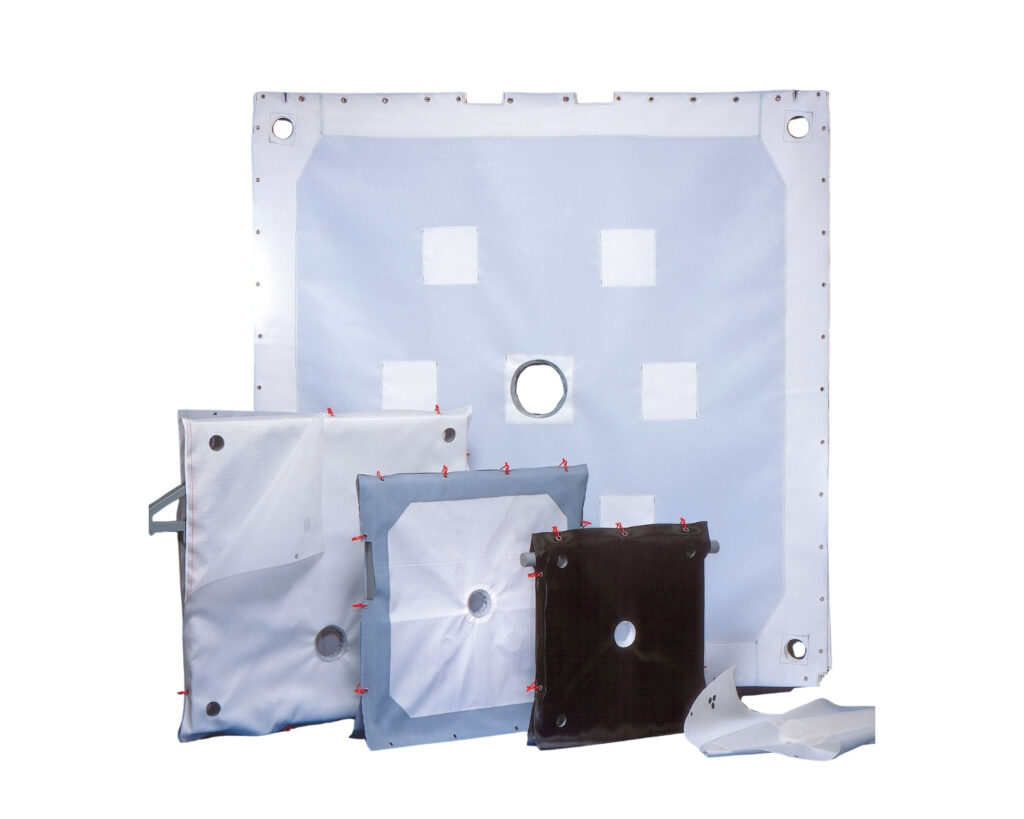
Correct measurement is essential when replacing filter press cloths. Incorrect dimensions can reduce filtration performance and create operational problems.
The following measurements should be confirmed before ordering new filter cloth.
Measure the Filter Plate Dimensions
The first step is measuring the filter plate.
Important parameters include:
Plate Length and Width
Measure the external dimensions of the filter plate.
Example:
A filter plate may measure:
1000 mm × 1000 mm
This information identifies the basic cloth size category.
Plate Thickness
Plate thickness affects:
- chamber volume
- cloth positioning
- installation clearance
Filtrasyon Alanı
The effective filtration area helps determine whether the selected cloth design can achieve the required filtration performance.
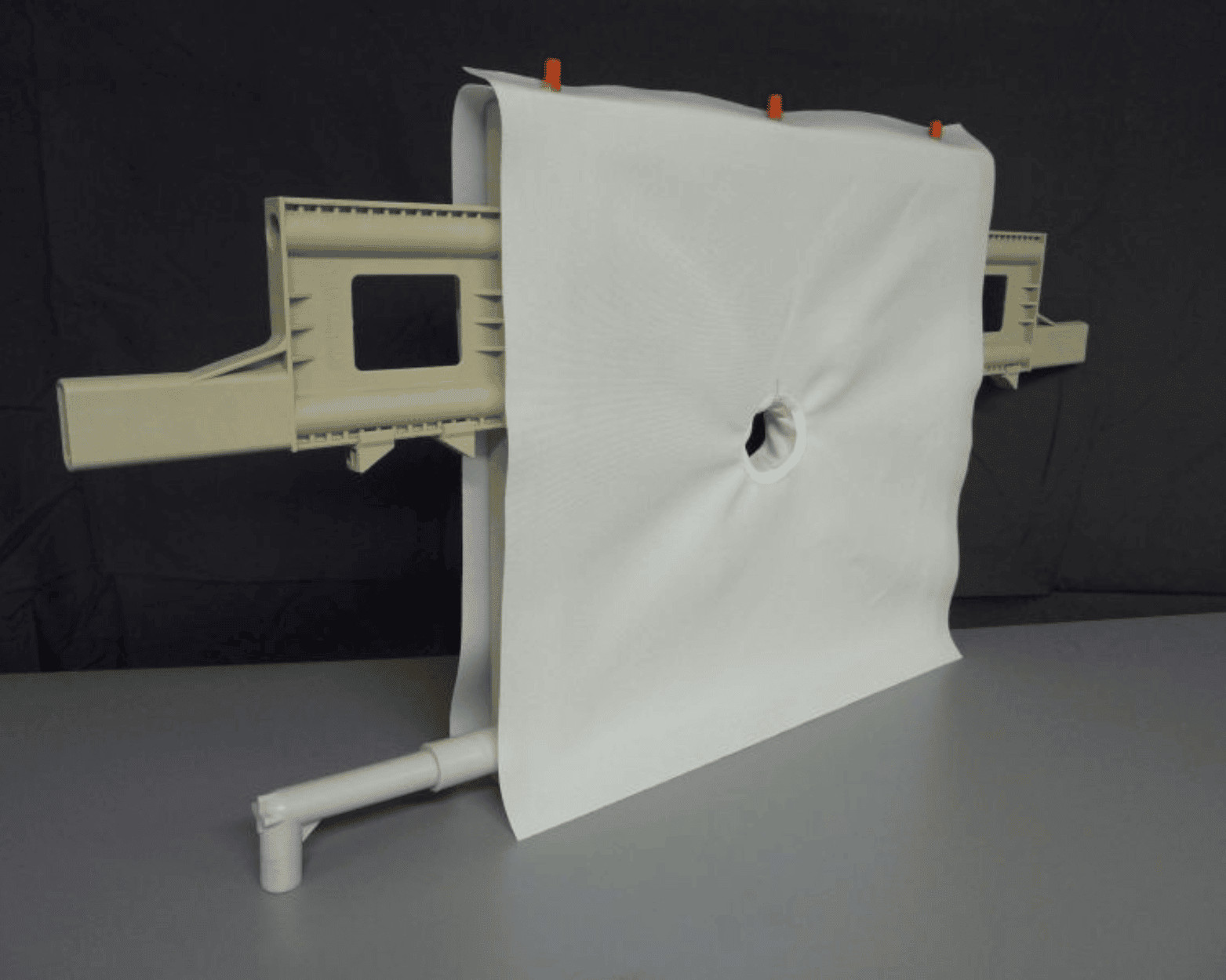
Measure Filter Cloth Opening Positions
Besides overall dimensions, several smaller details are equally important.
Feed Hole Diameter
Many filter presses use center-feed or corner-feed systems.
The cloth must have openings that match the slurry inlet position.
Incorrect hole positioning may result in:
- leakage
- uneven cake formation
- installation problems
Drainage Hole Position
The cloth must align with the drainage system of the filter plate.
Installation Method
Filter cloths may use different attachment methods, including:
- sewn edges
- snap fasteners
- cords
- eyelets
- hanging systems
The attachment design influences the final cloth dimensions.
Filter Press Cloth Size vs Filtration Performance
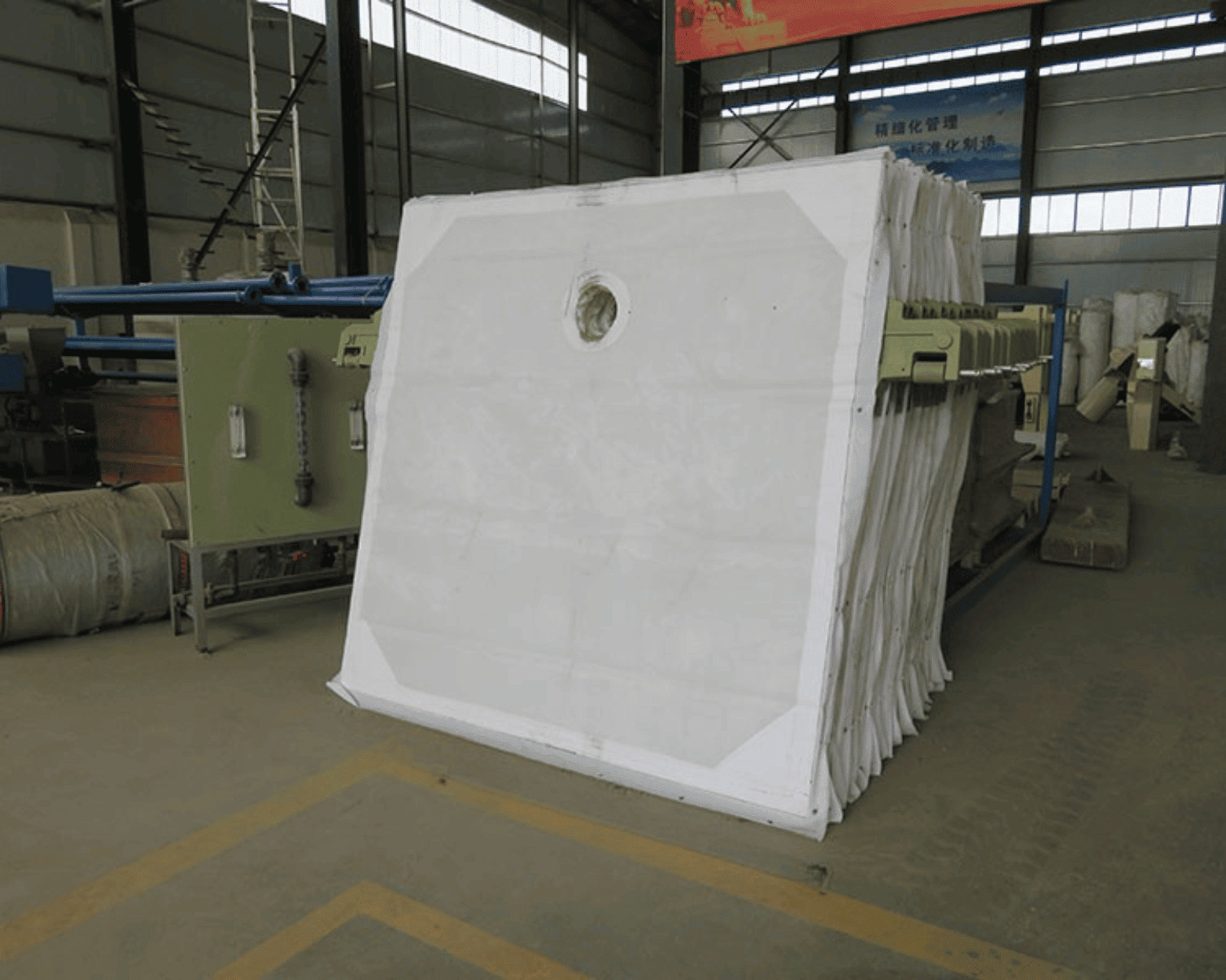
Filter cloth size directly affects filtration stability.
A correctly sized cloth provides:
- proper sealing
- uniform slurry distribution
- stable filtration pressure
- longer service life
Problems Caused by Undersized Filter Cloth
If the filter cloth is too small, several problems may occur:
Slurry Leakage
The cloth cannot fully cover the filtration area, causing solids and liquid to escape from sealing areas.
Reduced Filtration Efficiency
Poor coverage prevents the filter press from operating at designed capacity.
Increased Maintenance
Operators may need to frequently clean leaked slurry and replace damaged cloth.
Problems Caused by Oversized Filter Cloth
Oversized cloths can also create problems.
Excess material may cause:
- folding and wrinkles
- uneven pressure distribution
- poor cake formation
- accelerated wear
A proper fit is essential because the filter cloth must remain flat and stable during high-pressure filtration.
Relationship Between Cloth Size and Cake Formation
During filtration, solid particles accumulate on the cloth surface and gradually form a filter cake.
The filter cloth must maintain:
- consistent contact with the plate surface
- uniform filtration resistance
- stable liquid flow channels
A properly fitted cloth improves:
- cake release
- filtrate clarity
- filtration cycle stability
Filter Cloth Selection Beyond Dimensions
Although size is the first consideration, selecting a suitable filter press cloth requires evaluating additional technical factors.
Filter Cloth Material
Different filter cloth materials provide different chemical and mechanical properties.
Polipropilen (PP)
Polypropylene is one of the most commonly used filter cloth materials.
Advantages:
- excellent chemical resistance
- lightweight structure
- good durability
- suitable for many industrial applications
Polyester (PET)
Polyester filter cloth provides:
- strong mechanical strength
- good abrasion resistance
- stable performance under demanding conditions
Nylon (PA)
Nylon offers:
- high flexibility
- excellent wear resistance
- good mechanical performance
The correct material selection depends on slurry characteristics, temperature, chemical environment, and required service life.
Filter Cloth Weave Type
The weave structure affects filtration performance.
Common weave types include:
Monofilament Filter Cloth
Features:
- smooth surface
- easy cake release
- good anti-blocking performance
Suitable for applications requiring frequent cleaning.
Multifilament Filter Cloth
Features:
- higher filtration stability
- good particle retention
- balanced performance
Spun Yarn Filter Cloth
Features:
- excellent fine particle capture
- improved sealing performance
Often used where higher filtration precision is required.
Filter Cloth Opening and Permeability
The filter cloth opening size determines the balance between:
- solid retention
- filtration speed
- filtrate clarity
A cloth with very small openings may improve filtration accuracy but reduce flow rate.
A cloth with larger openings may increase throughput but allow more solids to pass through.
Therefore, the ideal filter cloth must match the characteristics of the slurry.
Custom Filter Press Cloth Manufacturing
Because filter press designs vary significantly between manufacturers and applications, customized filter cloth production is often required.
A professional filter cloth supplier should be able to provide customized solutions based on:
- filter press model
- filter plate dimensions
- filtration pressure
- slurry characteristics
- required filtration performance
Customization options may include:
- special dimensions
- different materials
- specific feeding hole positions
- reinforced edges
- customized attachment methods
For industrial buyers, purchasing directly from a manufacturer with engineering capability can reduce compatibility risks and improve long-term equipment performance.
LONGONE provides customized filter press cloth solutions together with complete filtration equipment, helping customers match filter cloth dimensions with filter plates, operating conditions, and specific industrial requirements.
Çözüm
Selecting the correct filter press cloth size is not simply a matter of choosing a cloth that matches the filter plate dimensions.
A reliable selection process should consider:
- Filter press model
- Filter plate dimensions
- Cloth installation method
- Feeding and drainage structure
- Slurry characteristics
- Filtration requirements
The right filter cloth size ensures better sealing, higher filtration efficiency, longer service life, and more stable operation.
For companies operating industrial filtration systems, working with an experienced filter press manufacturer can help ensure that filter cloth dimensions, materials, and equipment design work together as a complete filtration solution.
Whether replacing existing filter cloths or selecting components for a new filtration system, accurate measurement and professional customization are the keys to achieving reliable solid-liquid separation performance.