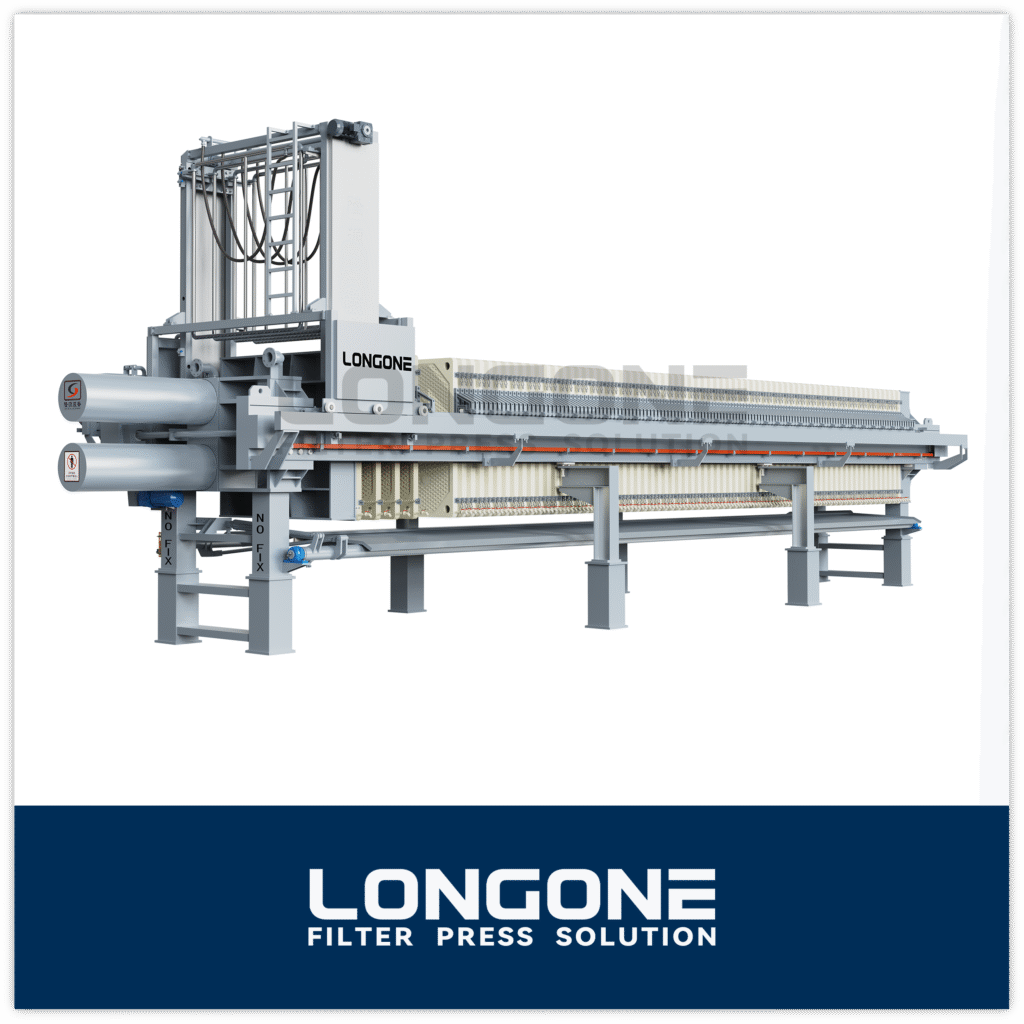
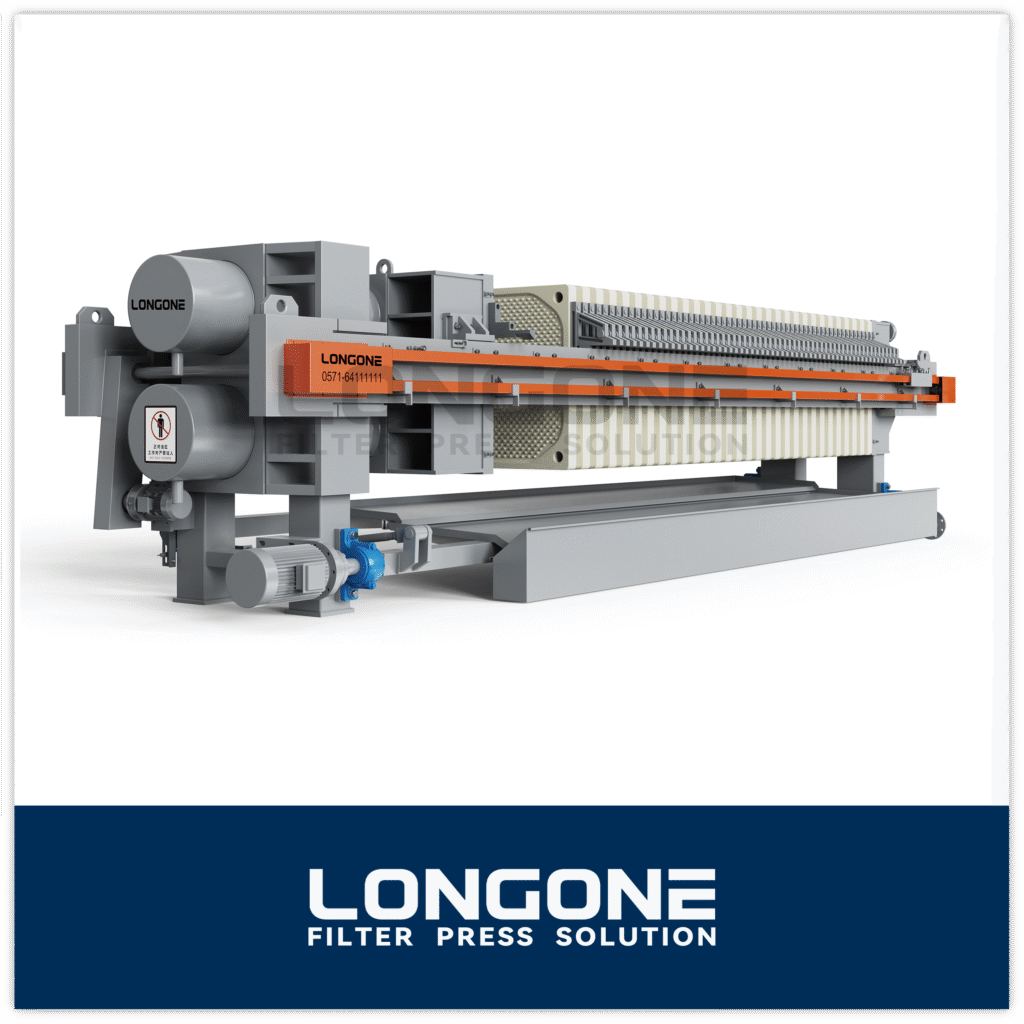
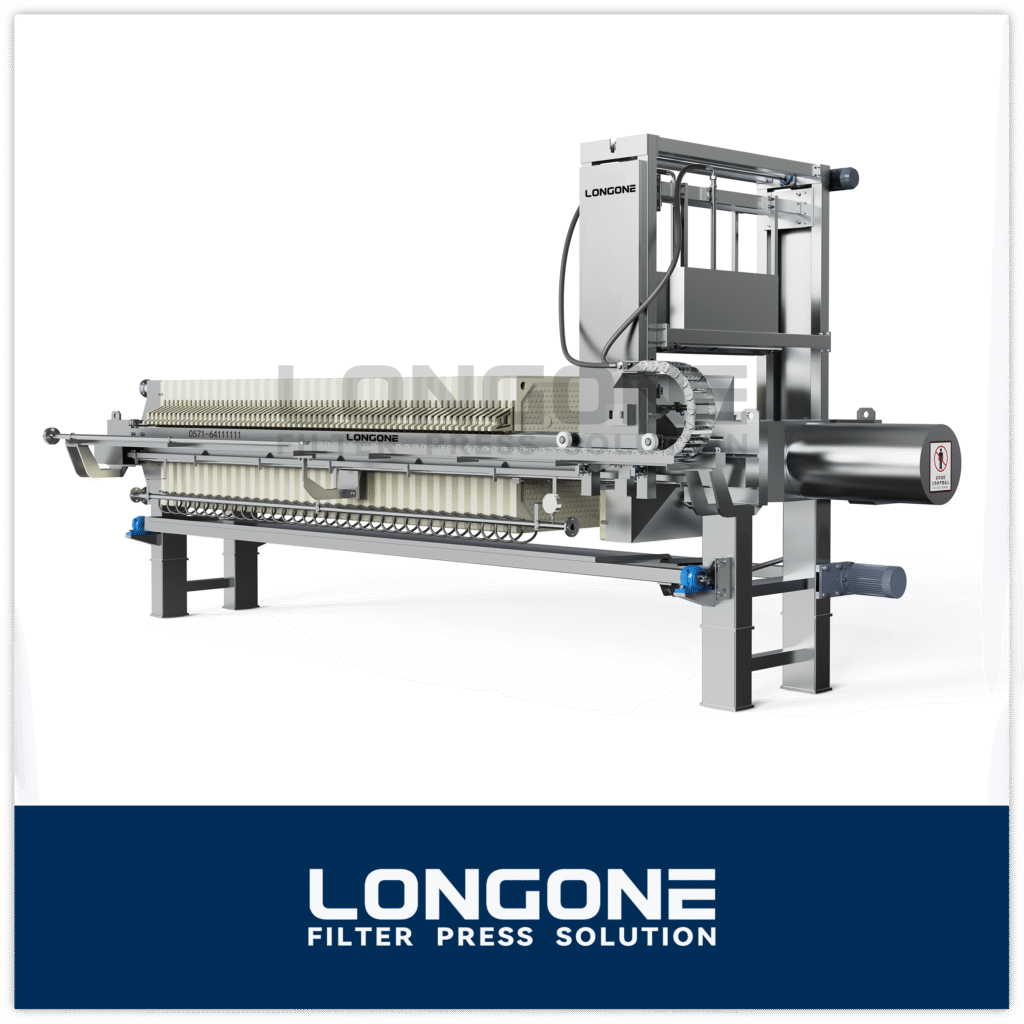
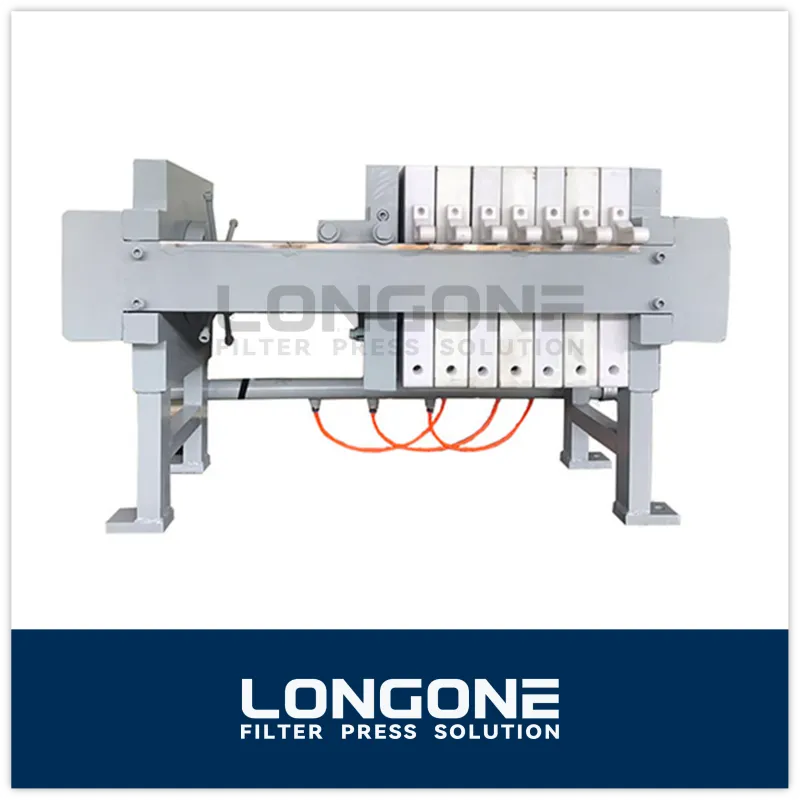
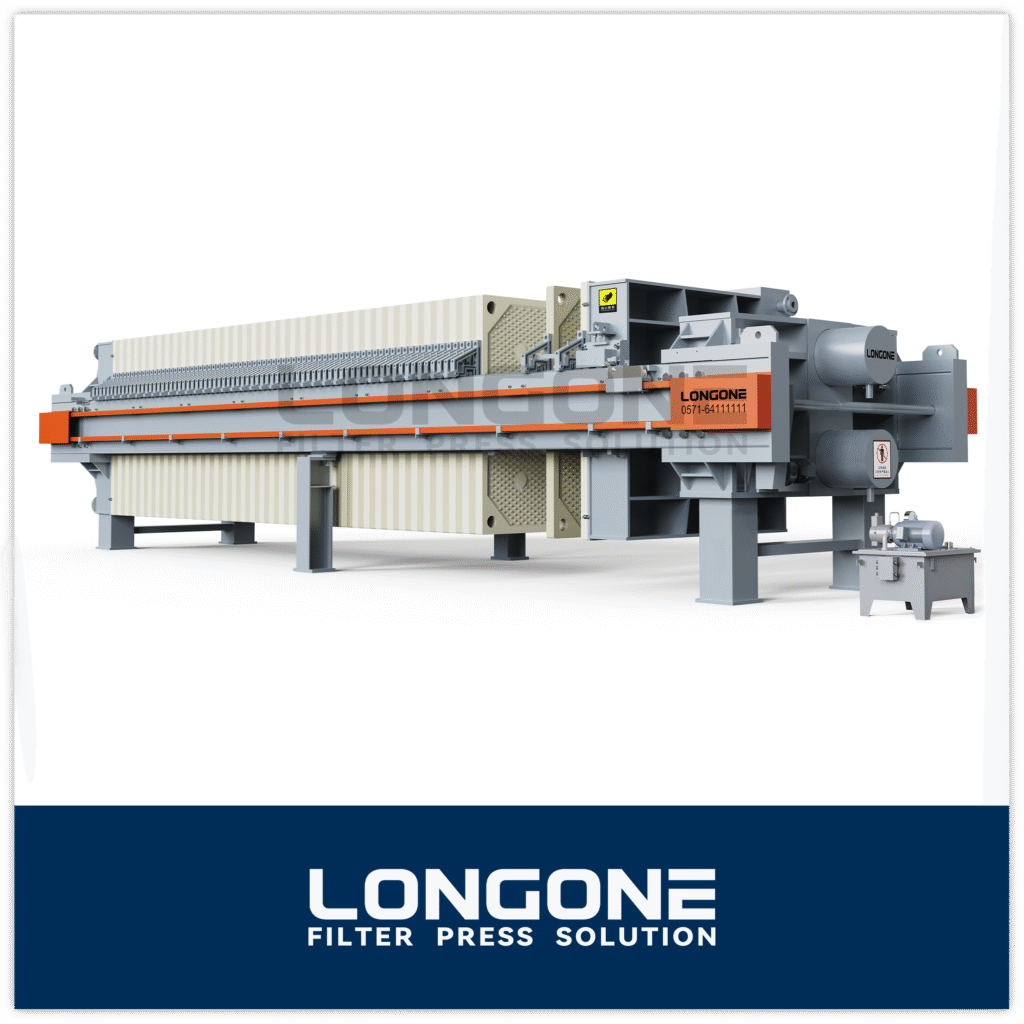
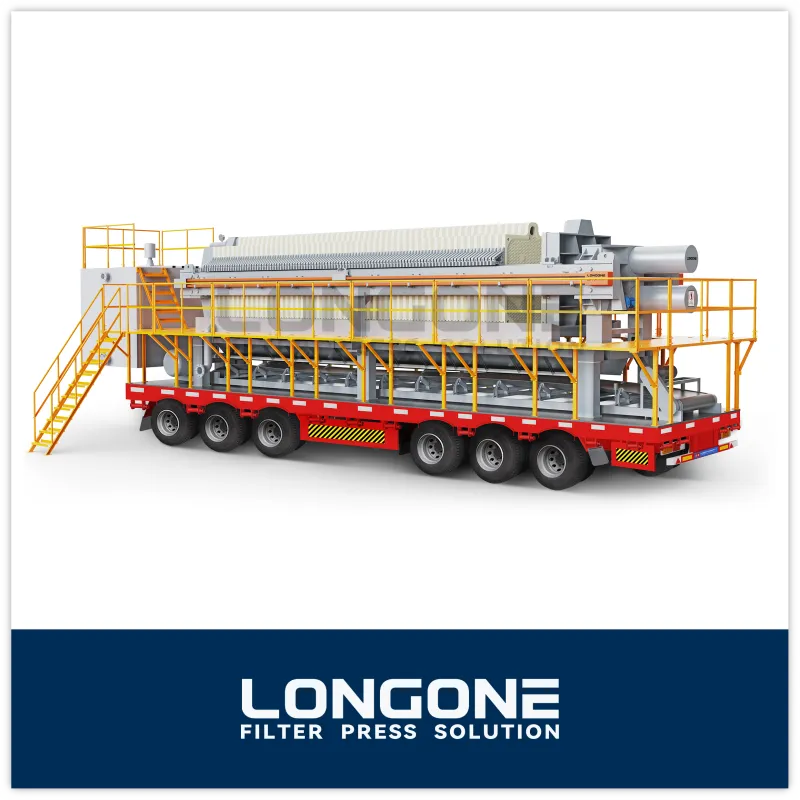
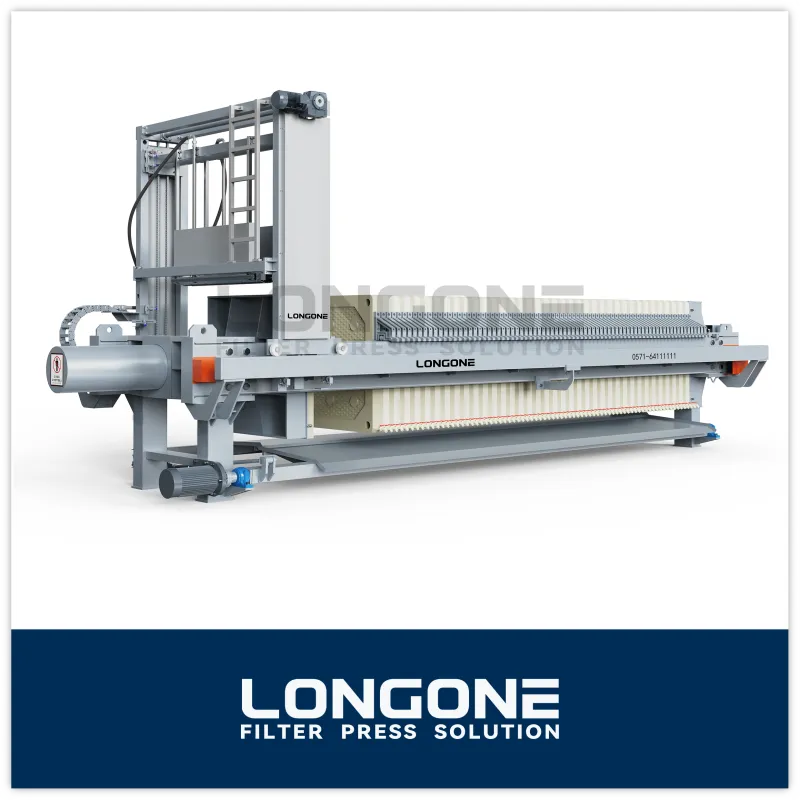
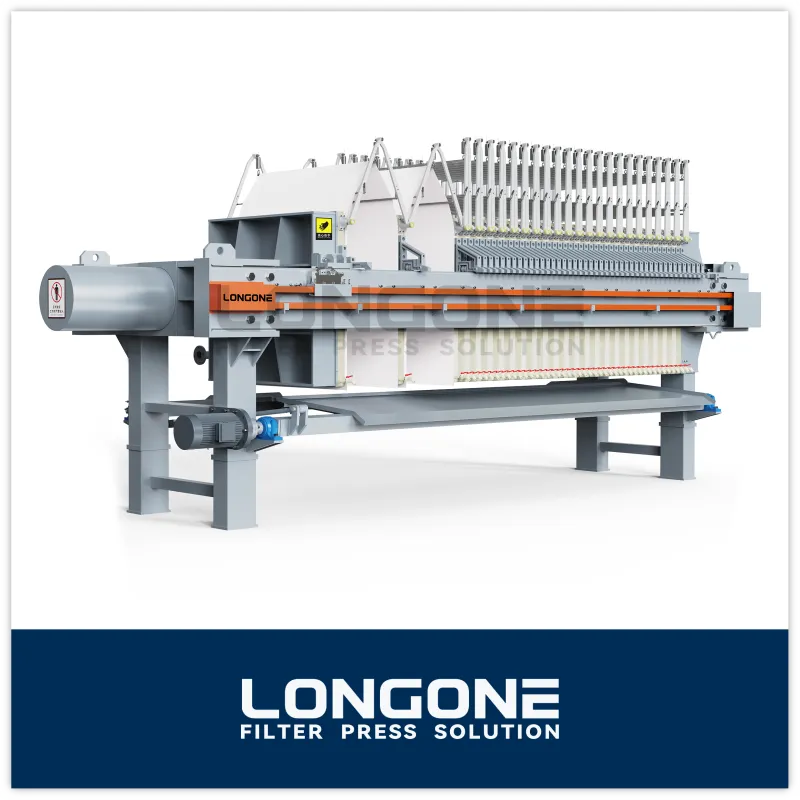
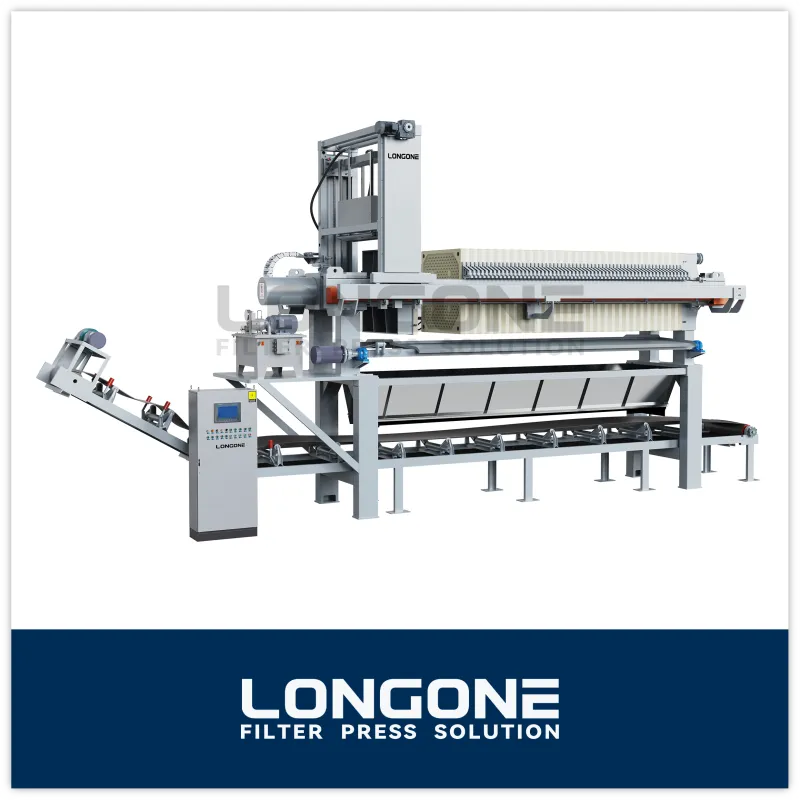
Struggling to improve production efficiency while meeting ever-stricter hygiene standards? For many food processors, ineffective solid-liquid separation creates a major bottleneck, hurting product quality, reducing yield, and driving up operational costs. A high-performance filter press for the food industry is the solution, designed to deliver clearer filtrate and drier filter cakes reliably and safely.
A filter press for the food industry is a specialized piece of equipment designed for solid-liquid separation that uses food-grade materials, sanitary construction, and high-pressure filtration to process edible products. Key considerations include the use of stainless steel or FDA-compliant polymers, designs that facilitate easy cleaning to prevent microbial growth, and the ability to handle various slurries like fruit juices, starches, and syrups while maximizing product recovery and ensuring food safety.
Getting this decision right is about more than just buying a machine; it’s about optimizing a critical process step that impacts your final product and your bottom line. Let’s dive deeper into the specific applications, essential features, and selection criteria for this vital equipment.
What Are the Main Applications of a Filter Press in the Food Industry?
Are you wondering where exactly this technology can make a difference in your facility? Many food processors overlook opportunities to improve separation processes, sticking with less efficient methods that waste product and increase disposal costs. This can directly limit your plant’s throughput and profitability.
The primary applications involve clarifying liquids, dewatering solids, and recovering valuable materials from process streams. This technology is versatile enough to handle everything from delicate juices to thick, viscous slurries, making it a cornerstone of modern food manufacturing.
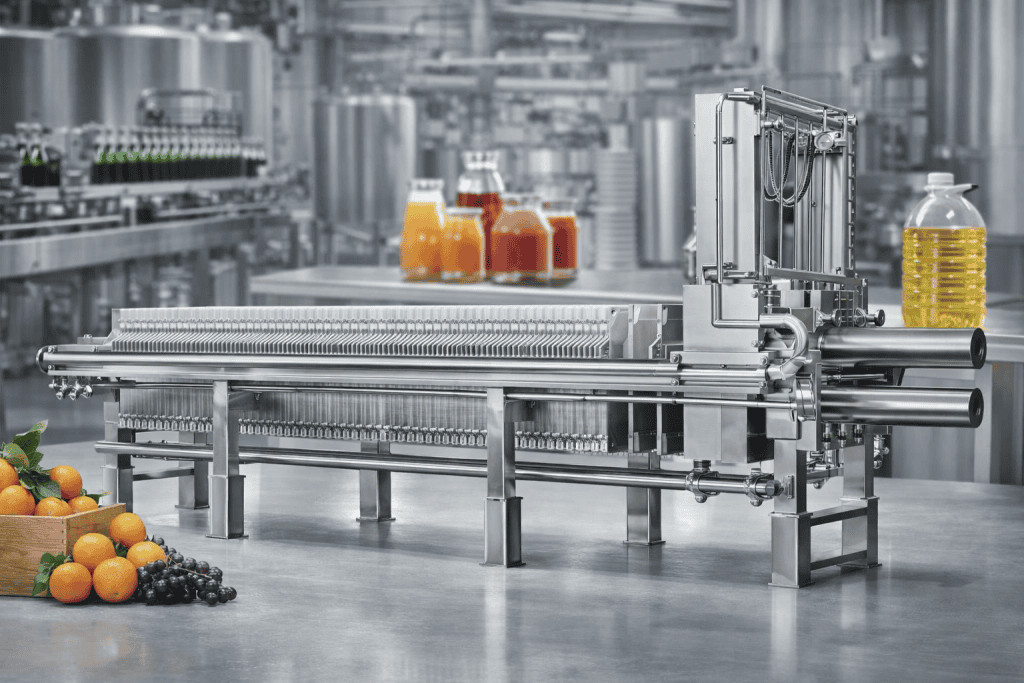
From Juices to Syrups
A filter press for the food industry is not a one-size-fits-all solution. Its configuration is adapted to the unique characteristics of each product. Over my career, I’ve seen our equipment at LONGONE customized for an incredible range of applications.
Fruit and Vegetable Juice Clarification
One of the most common uses is in the production of clear juices like apple, grape, and berry juice. After pressing, the raw juice contains suspended solids (pulp and pectins) that create a cloudy appearance.
- Process: The raw juice is pumped into the filter press.
- Result: The press forces the liquid through the filter cloths, capturing the fine solids. This results in a crystal-clear, polished filtrate that is ready for bottling. The filter cake, composed of pulp, can often be repurposed for animal feed or other by-products, maximizing value.
Starch and Gluten Dewatering
In wet-milling processes for products like corn or wheat starch, a filter press is essential for separating the starch slurry from the gluten.
- Challenge: Starch slurries can be difficult to dewater effectively.
- Solution: A high-pressure filter press can achieve very low moisture content in the filter cake, which is crucial for efficient drying and storage. This improves energy efficiency in the subsequent drying stage and ensures a high-quality final product.
Sugar Refining
During the production of cane or beet sugar, the raw syrup must be purified to remove impurities like minerals, waxes, and fibers.
- Process: The syrup, often mixed with a filter aid like diatomaceous earth, is processed through a filter press.
- Benefit: This step is critical for achieving the desired purity and color of the final crystalline sugar. The high temperatures involved require filter plates and cloths made from materials that can withstand sustained heat, like polypropylene or specialized polymers.
Edible Oil and Fat Processing
A filter press is used in several stages of edible oil production, including:
- Crude Oil Filtration: Removing solids from freshly pressed oilseeds.
- Winterization: Chilling the oil to crystallize waxes and saturated fats, which are then removed by the filter press. This process ensures the oil remains clear when refrigerated.
- Bleaching: Removing color pigments by filtering the oil after it has been treated with bleaching clay.
Here is a table summarizing some key applications:
| Application | Input Slurry | Desired Output | Key Benefit |
|---|---|---|---|
| Juice Clarification | Raw fruit/vegetable juice | Clear, polished juice | Improved product appearance and shelf stability. |
| Starch Dewatering | Starch/gluten slurry | Dry starch cake, clear process water | Reduced energy consumption in drying. |
| Sugar Refining | Impure sugar syrup | Purified, clear syrup | High-purity final product. |
| Edible Oil Winterization | Chilled oil with crystallized fats | Clear, stable oil | Prevents clouding at low temperatures. |
| Brewing | Beer post-fermentation | Bright, clear beer | Removal of yeast and protein haze. |
What Makes a Filter Press Suitable for Food Grade Applications?
Are you concerned that a standard industrial machine won’t meet your strict hygiene and safety requirements? You should be. Using equipment not explicitly designed for food processing can introduce contaminants, create cleaning nightmares, and put your entire production at risk of non-compliance.
A filter press suitable for the food industry is defined by its materials of construction, sanitary design, and performance characteristics. It must be built to prevent contamination, withstand rigorous cleaning protocols, and operate efficiently under demanding production schedules.
Beyond Standard Specifications
When a client from the food sector approaches us, the conversation immediately shifts from purely mechanical performance to a balance of performance, safety, and cleanability. A filter press for the food industry must incorporate specific design philosophies.
Food-Grade Materials of Construction
The materials that come into contact with the product are the first line of defense against contamination.
- Framework: The structural frame is often made from carbon steel, but it should be coated with a durable, non-toxic epoxy paint. For ultimate cleanability and corrosion resistance, parts of the frame or the entire structure can be clad in stainless steel (SS304 or SS316L).
- Placas de filtro: While cast iron is common in mining, food applications demand food-grade polypropylene (PP). This material is lightweight, chemically resistant, and can be manufactured to meet FDA and EU food contact regulations. It’s crucial to verify that the supplier provides documentation certifying the material’s compliance.
- Panos de filtro: These must also be made from food-grade certified materials like polypropylene or polyester, with a weave pattern optimized for the specific food product to prevent blinding and ensure efficient filtration.
- Piping and Valves: All wetted parts, including manifolds, valves, and fittings, should be stainless steel with sanitary-grade welds and connections (e.g., tri-clamp fittings) to eliminate crevices where bacteria can grow.
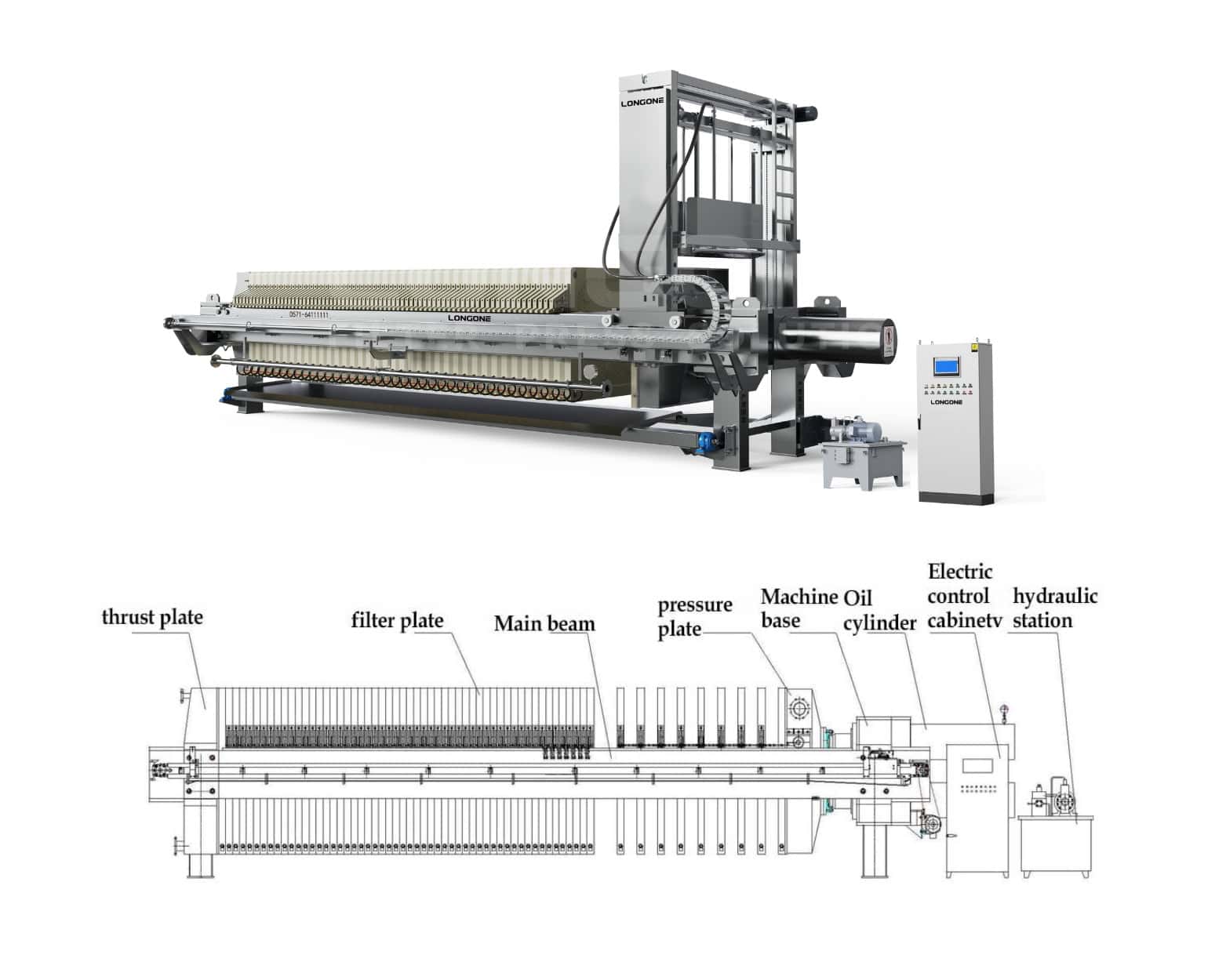
Sanitary and Hygienic Design
Design is just as important as materials. A machine that is difficult to clean is a liability.
- Clean-in-Place (CIP) Systems: Many modern food-grade filter presses can be equipped with automated CIP systems. These systems spray cleaning solutions, sanitizers, and rinse water onto the filter plates and cloths without requiring manual disassembly, saving time and ensuring consistent cleaning.
- Smooth, Polished Surfaces: All product-contact surfaces, especially stainless steel components, should be polished to a low Ra (Roughness average) value. This minimizes microscopic pits and crevices where food particles and microbes can hide.
- Elimination of Dead Legs: The piping and manifold design must avoid “dead legs” or stagnant areas where product can accumulate and spoil.
- Automatic Drip Trays: Motorized drip trays that move into place before the filter cake is discharged prevent filtrate or cleaning fluids from dripping onto the floor or the discharged cake, maintaining a clean operating environment.
High-Performance for Product Quality
In the food industry, performance isn’t just about speed; it’s about precision.
- Membrane Squeeze Technology: For many food applications, I recommend membrane filter presses. After the initial filtration cycle, an inflatable membrane behind the filter cloth squeezes the cake, removing additional liquid. This results in an exceptionally dry filter cake, which can:
- Maximize the recovery of valuable liquid (e.g., juice, oil).
- Reduce the cost of disposal for waste solids.
- Improve the efficiency of subsequent drying processes.
- Variable Pressure Control: The ability to control filtration pressure precisely allows for gentle handling of delicate products while still achieving high dewatering efficiency for more robust materials.
How Do You Select the Right Filter Press for a Food Industry Application?
Choosing the wrong filter press can feel like a costly mistake, leading to production bottlenecks, inconsistent product quality, and high operational expenses. Without a clear evaluation process, you risk investing in a machine that is either oversized and inefficient or undersized and unable to meet demand.
Selecting the right filter press for a food industry application requires a systematic approach. You must analyze your slurry’s properties, calculate your required throughput, determine the necessary level of automation, and thoroughly vet your potential suppliers.
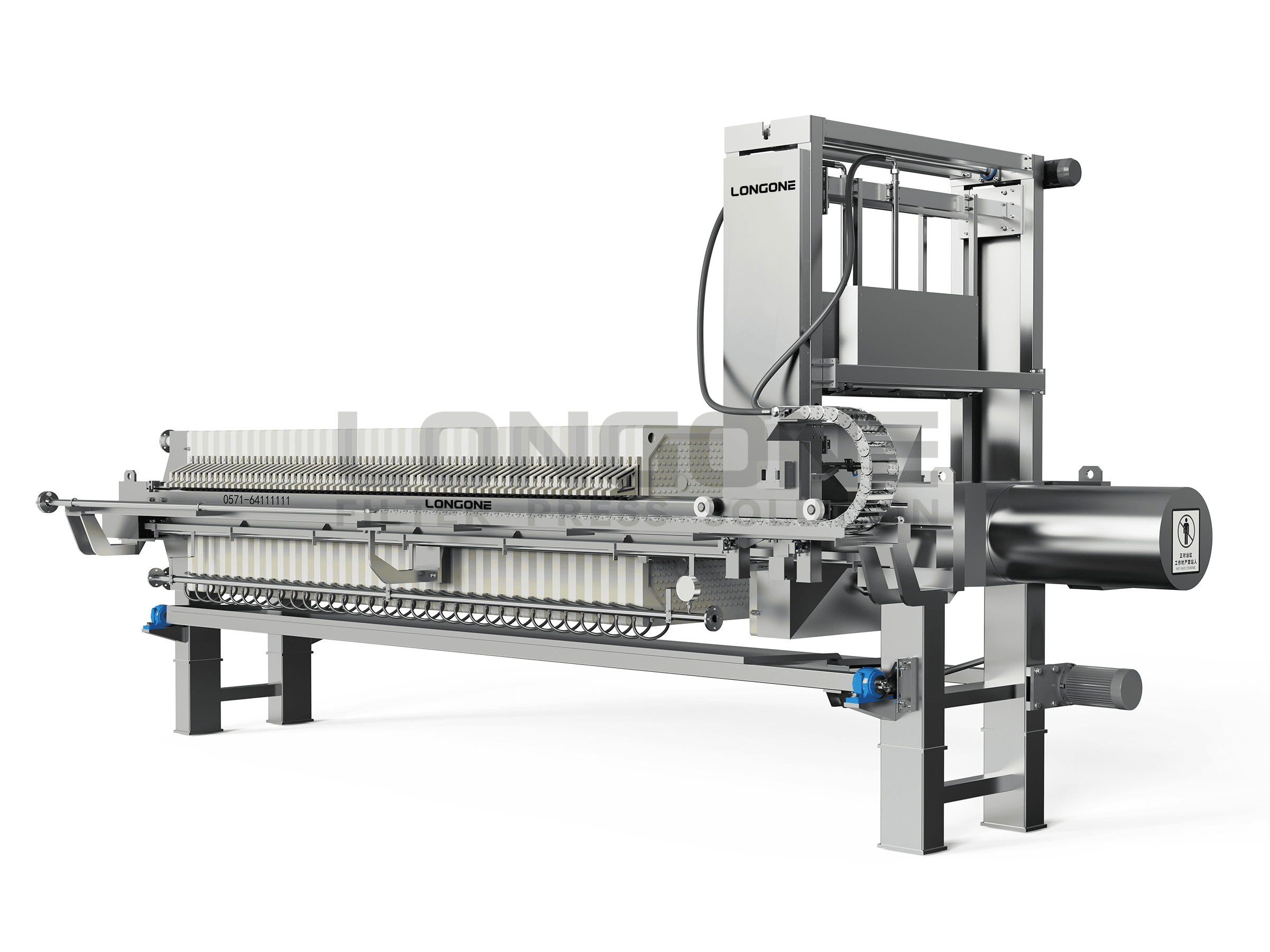
A Buyer’s Guide to Procurement
The best investment is an informed one. The selection process should be a collaborative effort between your engineering team and an experienced manufacturer who understands the nuances of food processing. At LONGONE, our process always starts with the customer’s specific needs.
Step 1: Characterize Your Process Stream
The first step is to understand what you’re filtering. The “slurry” is unique to your product and process. Key parameters to measure include:
- Solids Concentration (%): The amount of solid material in the liquid.
- Particle Size Distribution: The range of particle sizes, which affects the choice of filter cloth.
- Liquid Viscosity: Thicker liquids require more pressure or time to filter.
- Compressibility of Solids: How much the filter cake compacts under pressure.
- Chemical Composition and Temperature: Determines the required materials of construction.
Pro Tip: The best way to gather this data is through a bench-scale filtration test. Reputable manufacturers like LONGONE can perform this test on a sample of your slurry. The results provide the essential data needed to accurately size and configure the full-scale press, removing guesswork from the equation.
Step 2: Define Your Performance Requirements
Next, define what success looks like.
- Throughput: How many cubic meters or tons of slurry do you need to process per hour or per day? This will determine the required filtration area (m²) and chamber volume of the press.
- Filtrate Quality: What level of clarity is required? This influences the filter cloth micron rating.
- Cake Dryness: What is the target moisture content for the discharged solids? This will help decide between a standard chamber press and a membrane press. A drier cake often means higher liquid recovery.
Step 3: Choose the Right Configuration and Automation
Based on the data from the first two steps, you can specify the machine.
- Press Type:
- Chamber Filter Press: A robust and cost-effective choice for many applications.
- Membrane Filter Press: Offers superior cake dryness and shorter cycle times, ideal for maximizing liquid recovery or when cake disposal costs are high.
- Nível de automação:
- Manual: Operator manually opens/closes the press and shifts plates. Suitable for very small operations.
- Semi-Automatic: Features hydraulic closure and automatic plate shifting, reducing labor.
- Fully Automatic: Includes automatic cloth washing, drip trays, and cake discharge systems. This is the standard for most modern food plants, as it maximizes efficiency, ensures consistent cycles, and enhances hygiene.
Step 4: Vet the Supplier
Your supplier is your long-term partner. Look for:
- Experience in the Food Industry: Ask for case studies or references from customers with similar applications.
- Manufacturing Capability: Are they a direct manufacturer or a trading company? A direct manufacturer like LONGONE has full control over quality, from raw material sourcing to final assembly.
- Certifications: Ask for proof of certifications like ISO 9001 for quality management. Also, request documentation for food-grade materials.
- Technical Support: Do they offer installation support, operator training, and reliable after-sales service? A 12-month warranty, like the one we provide, is a good indicator of a manufacturer’s confidence in their equipment.
Frequently Asked Questions
How do you maintain a filter press in a food processing environment?
Maintenance focuses on cleanliness and component integrity. Regular, automated cloth washing (CIP) is crucial. Operators should visually inspect filter cloths for tears and gaskets for wear daily. The hydraulic system and mechanical components should be checked according to the manufacturer’s recommended schedule.
What is the difference between a chamber and a membrane filter press for food?
A chamber press uses hydraulic pressure to clamp the plates, and filtration occurs solely via the feed pump’s pressure. A membrane filter press adds a second step: after the chambers are filled, flexible membranes inflate to squeeze the filter cake, removing more liquid and creating a drier result.
Can a filter press handle hot liquids like sugar syrups?
Yes, but it requires specific materials. Standard polypropylene plates are typically rated for up to 80°C (176°F). For higher temperatures, special high-temperature polypropylene or other polymers are necessary. It’s critical to specify the operating temperature when ordering.
What certifications should I look for in a filter press food industry supplier?
Look for ISO 9001 certification, which demonstrates a commitment to a quality management system. For the machine itself, request compliance documents for all food-contact materials (e.g., FDA or EU 10/2011 conformity) for the polypropylene plates, filter cloths, and any stainless steel components.
Conclusion
Selecting the right filter press for the food industry is a critical decision that directly impacts your product quality, operational efficiency, and food safety compliance. It requires a move beyond standard industrial equipment to solutions that prioritize sanitary design, food-grade materials, and precise performance. By carefully analyzing your process needs, specifying the correct configuration—such as a membrane press for maximum dryness—and partnering with an experienced manufacturer, you can turn your solid-liquid separation process into a competitive advantage.
As a manufacturer with over 20 years of experience, we at LONGONE specialize in engineering custom filtration systems that meet the stringent demands of the food and beverage sector. We understand that success depends on reliability and precision.
If you are looking to improve your filtration process, contact the LONGONE engineering team today to discuss your specific food processing challenge. Let us help you design a reliable, customized solution.