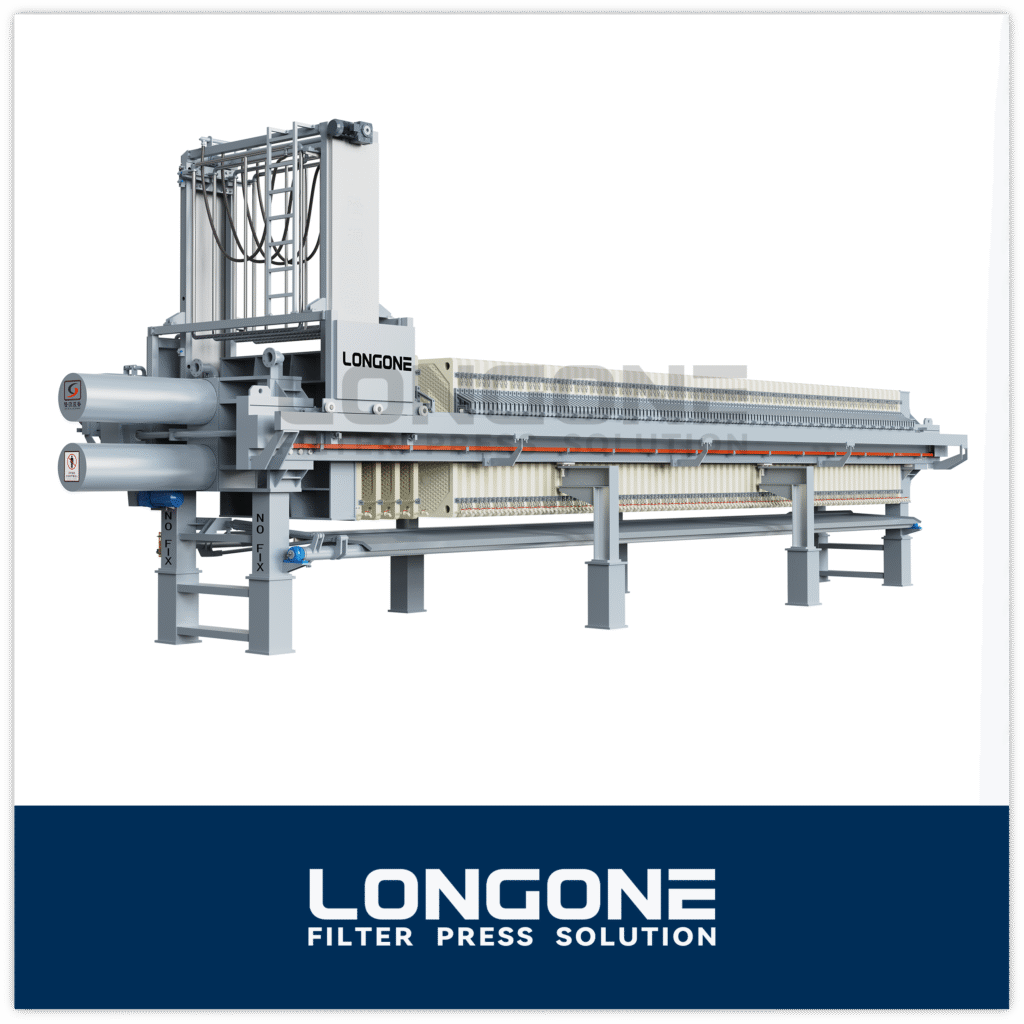
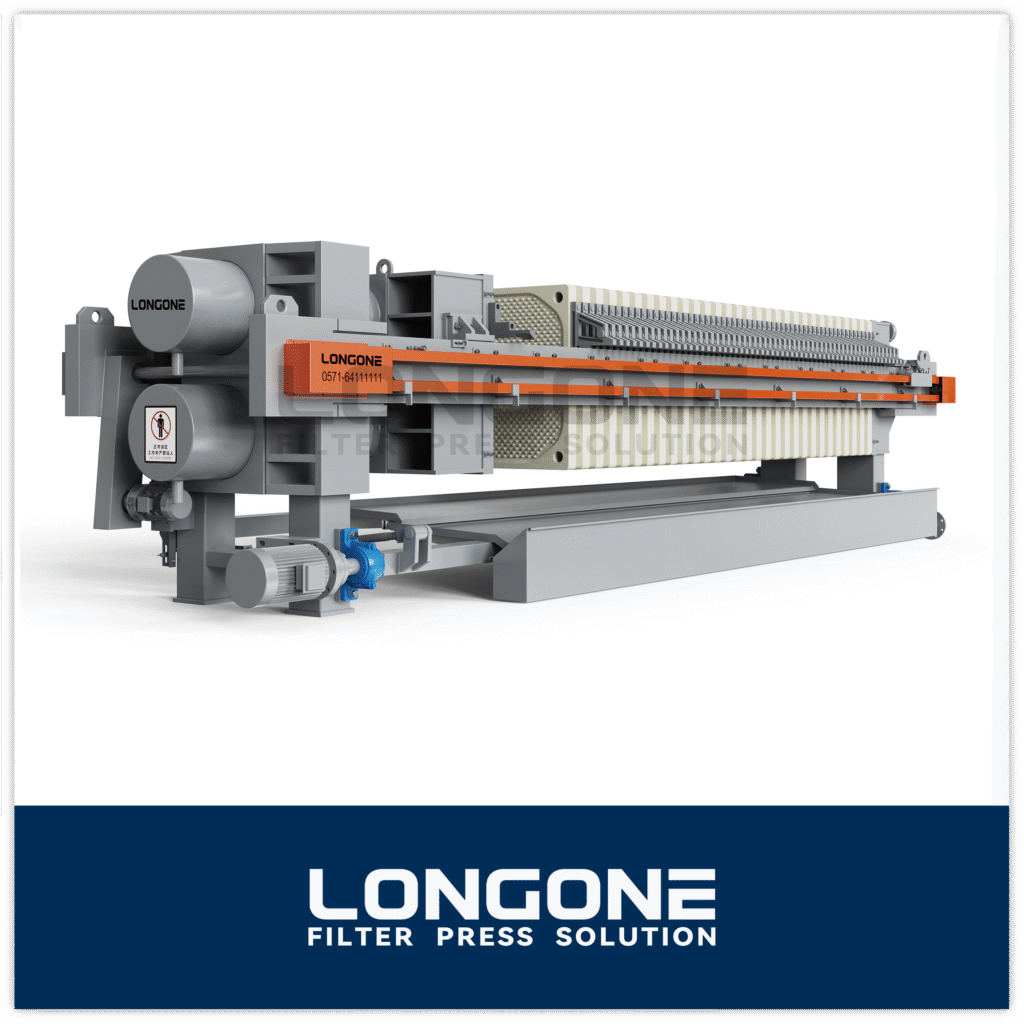
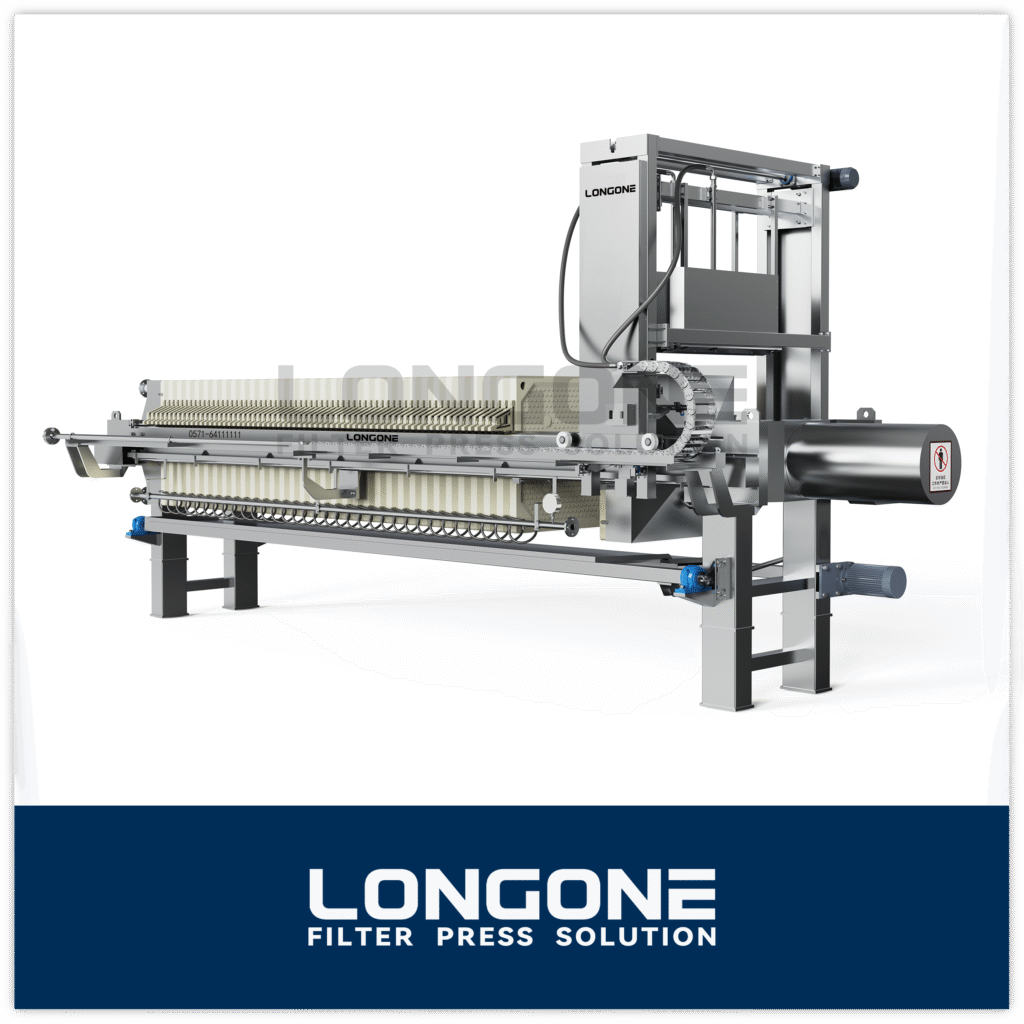
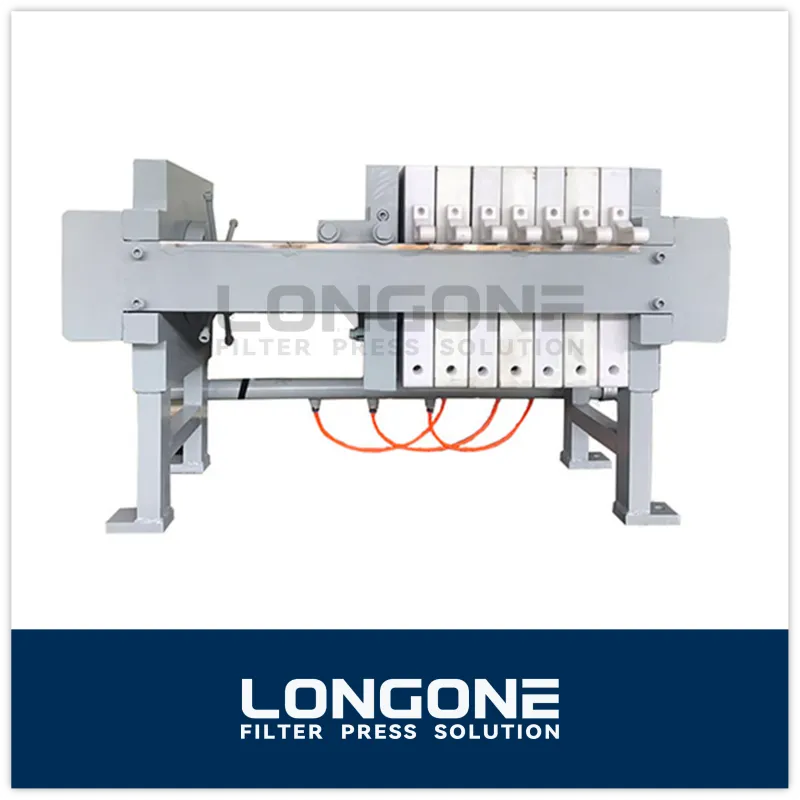
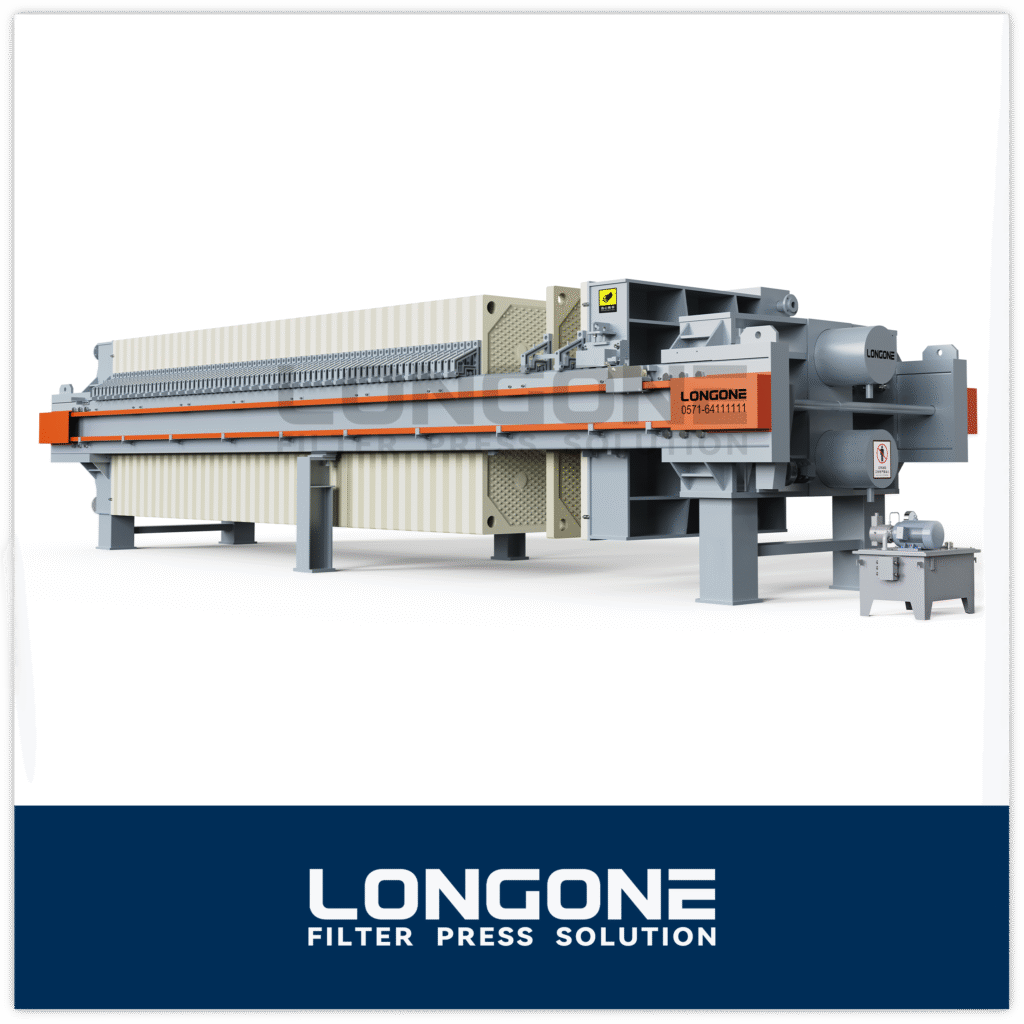
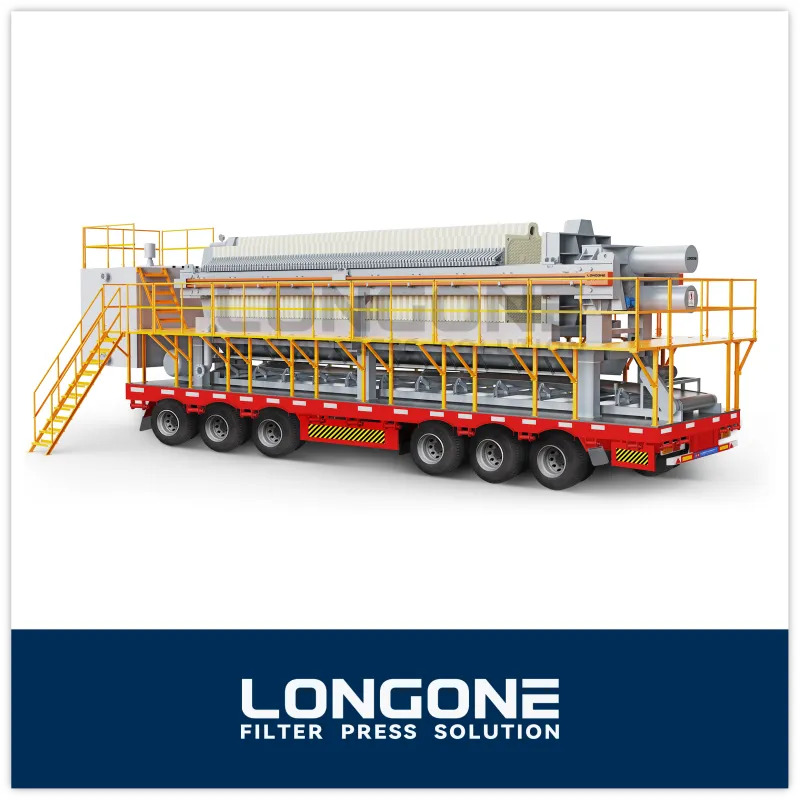
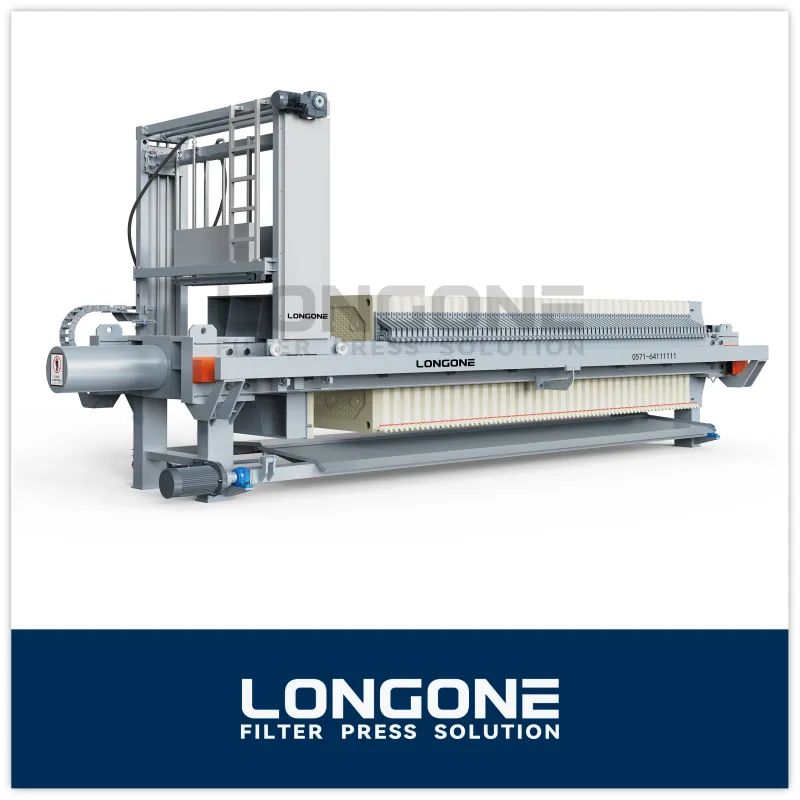
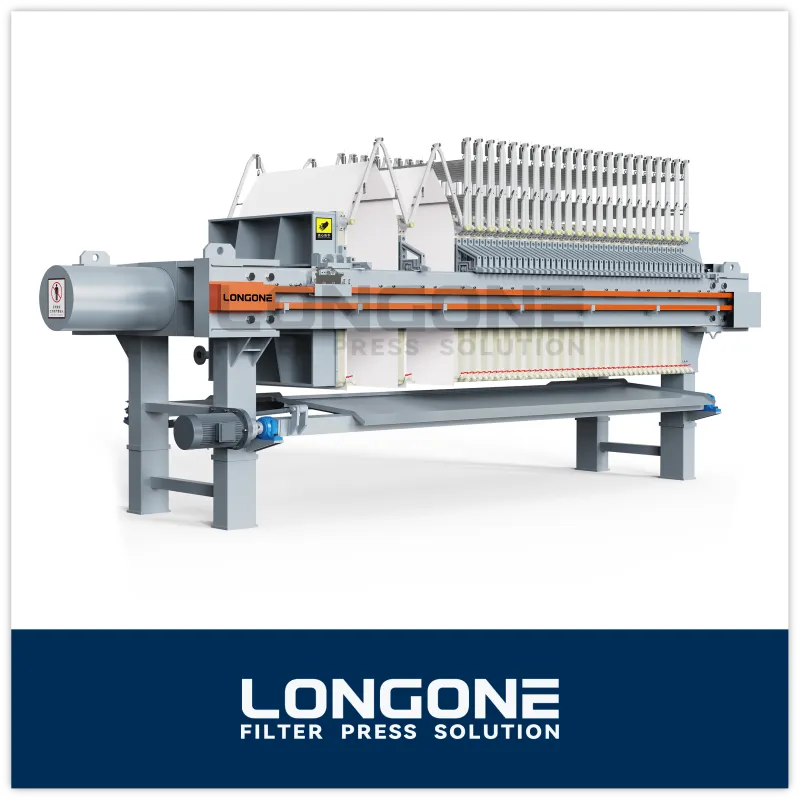
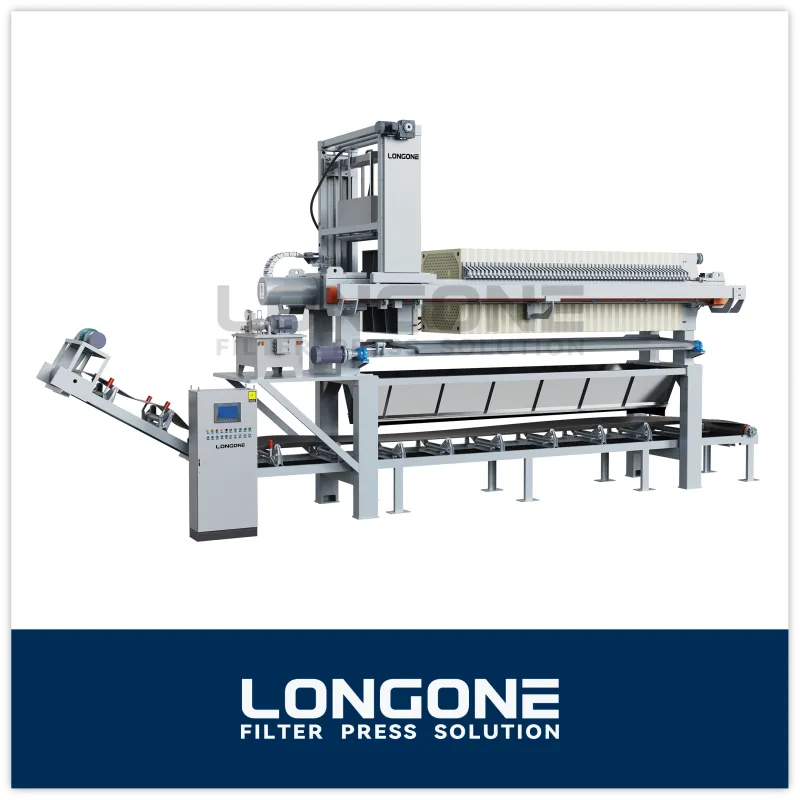
UN heavy duty filter press can solve serious dewatering problems, but the wrong machine can create new ones: wet cakes, frequent shutdowns, damaged plates, and rising labor costs. I see this often when buyers compare only price. The better solution is to evaluate structure, pressure, materials, automation, and supplier capability together.
A heavy duty filter press is an industrial solid-liquid separation machine built for long shifts, high filtration pressure, abrasive or corrosive slurry, and stable cake discharge. Buyers should judge it by frame strength, hydraulic clamping, plate and cloth materials, pressure rating, automation level, and suitability for the actual slurry and daily capacity.
In my experience at LONGONE, “heavy duty” is not a marketing label. It is an engineering result. Below, I will break down the main points plant managers, procurement teams, and process engineers should check before selecting a press.
What Makes a Heavy Duty Filter Press “Heavy Duty”?
A standard press may work well for light batches, but harsh slurry exposes weak design quickly. If the frame twists, the plate pack leaks, or the cloth blinds too fast, production suffers. A heavy duty filter press must be built for real operating stress, not brochure language.
A filter press becomes “heavy duty” when its frame, side beams, hydraulic clamping system, plates, cloths, and feed arrangement are designed to handle high pressure, abrasive solids, corrosive liquids, long operating hours, and repeated cake discharge with limited downtime.

When I discuss “heavy duty” with international buyers, I usually begin with the machine structure. A filter press is simple in principle, but every cycle creates mechanical stress. Slurry enters the chambers, pressure rises, solids collect on the cloth, and the hydraulic system must hold the plate pack tightly closed.
A strong heavy duty design usually includes:
- Rigid main frame to reduce deformation during high-pressure feeding
- Strong side beams to support large plate packs
- Reliable hydraulic clamping to keep the chambers sealed
- Correct plate material for pressure, temperature, and chemical exposure
- Cloth matched to slurry particle size and chemistry
- Discharge design that supports practical daily operation
At LONGONE, we manufacture filter presses with filtration areas from 0.16 m² to 1,600 m², so the same design logic must scale from small process batches to large wastewater or mining plants. Larger presses require more attention to beam strength, plate handling, feeding balance, and discharge clearance.
I recommend buyers ask three practical questions:
- Will the press run one shift, two shifts, or continuously?
- Is the slurry abrasive, corrosive, sticky, oily, or temperature-sensitive?
- What happens if the press stops for one day?
The answers decide whether a basic press is enough or whether a heavy duty filter press is justified. In high-cost downtime environments, the lowest purchase price is rarely the lowest operating cost.
Key Technical Specifications of a Heavy Duty Filter Press?
Technical specifications can look similar across suppliers, but small differences can affect cake dryness, cycle time, and maintenance. If buyers only check filtration area, they may miss pressure rating, cake thickness, temperature range, plate material, and automation details.
The key specifications of a heavy duty filter press include filtration area, plate size, number of plates, filtration pressure, membrane squeeze pressure, cake thickness, temperature range, plate material, cloth material, clamping method, and feeding method. These parameters should match the slurry, capacity, and operating schedule.
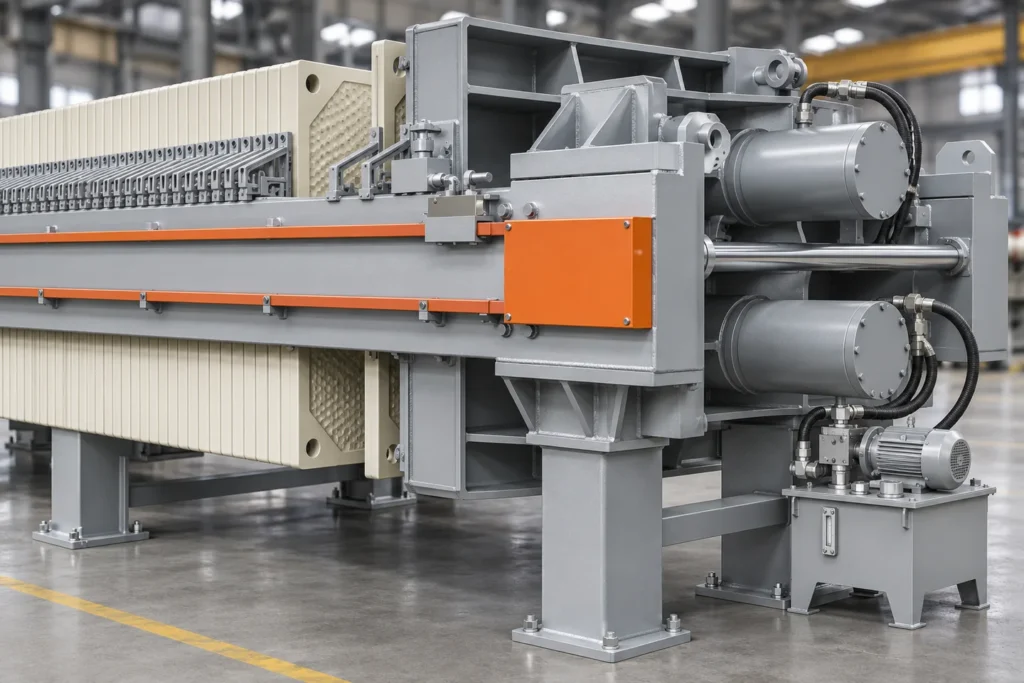
A good technical comparison should be specific. I prefer using a structured table during early procurement discussions because it helps both sides avoid unclear assumptions.
| Specifica | Typical LONGONE Capability / Options | Why It Matters |
|---|---|---|
| Filtration area | 0.16–1,600 m² | Determines batch capacity and solids holding volume |
| Plate size | 250 × 250 mm to 2000 × 2500 mm | Affects capacity, footprint, handling, and discharge |
| Number of plates | Up to 149 plates | Influences chamber volume and total cake output |
| Filtration pressure | 0.5–2.0 MPa | Affects filtration speed and cake formation |
| Membrane squeeze pressure | Up to 6.0 MPa with water or compressed air | Helps reduce cake moisture in membrane models |
| Cake thickness | 10–45 mm | Impacts cake stability, discharge, and cycle time |
| Temperature range | -40°C to 120°C depending on materials | Important for chemical, food, and special processes |
| Plate materials | Polypropylene; stainless steel where needed | Must match pressure, corrosion, and temperature |
| Cloth materials | Polyester, polypropylene, nylon | Must match particle size, pH, temperature, and wear |
| Clamping methods | Manual, mechanical, hydraulic, automatic hydraulic | Affects sealing, labor, and safety |
| Feed methods | Center feed, corner feed, top feed, pump-fed systems | Affects chamber filling and cake uniformity |
These figures are not a substitute for engineering review. They are a starting point. A mining slurry with sharp particles may need different cloth and plate considerations than food wastewater. A chemical residue with low pH may require careful material checks. A pharmaceutical waste liquid may require stricter cleanliness and documentation.
I always advise buyers to share slurry data before final quotation. Good data prevents wrong sizing.
Useful information includes:
- Concentrazione di solidi
- Particle size distribution
- pH value
- Temperature
- Viscosity
- Required cake moisture
- Required daily throughput
- Working hours per day
- Site utilities and automation level
A heavy duty filter press is selected around process reality. The more accurate the slurry information, the better the equipment recommendation.
Plate and Frame, Recessed Chamber or Membrane: Choosing the Right Design?
The press type affects dryness, cake discharge, washing, and operating cost. A mismatch can lead to slow cycles or unstable cakes. I often see buyers ask for a model name first, but the better starting point is the process target.
Plate and frame presses suit some traditional filtration and cake washing duties. Recessed chamber presses are common for sludge and industrial slurry dewatering. Membrane filter presses add squeezing after filtration, which can reduce cake moisture and improve cake stability when the application justifies the extra cost.

Each filter press design has a place. The best choice depends on slurry behavior, dryness target, and operating budget.
| Design | Best Fit | Main Advantage | Buyer Watchpoint |
|---|---|---|---|
| Plate and frame | Some fine filtration and cake washing processes | Flexible cake washing and traditional design | More handling and sealing points |
| Recessed chamber | Sludge, mineral slurry, chemical residue | Robust, common, cost-effective | Cake moisture depends mainly on feed pressure and slurry |
| Membrane | High dryness requirements, sticky cakes, valuable solids | Adds squeeze step for lower moisture | Higher initial cost and more system complexity |
Recessed Chamber Presses
UN recessed chamber press uses plates with recessed areas that form chambers when closed. Slurry fills the chambers, liquid passes through the filter cloth, and solids form cakes inside the chamber space. This design is common because it is practical and reliable for many industrial applications.
For municipal sludge, mining tailings, and many chemical residues, recessed chamber presses often provide a good balance between investment and performance.
Membrane Filter Presses
UN membrane press adds a squeezing stage. After initial filtration, flexible membranes expand using water or compressed air. This compresses the cake and can reduce moisture. At LONGONE, membrane models can support squeeze pressure up to 6.0 MPa, depending on design and application review.
This option is useful when:
- Disposal cost depends on cake moisture
- Cake transport cost is high
- The cake must be stable for handling
- Additional liquid recovery has value
- Cycle time reduction is possible
Plate and Frame Presses
Plate and frame designs still appear in certain applications, especially where cake washing or process flexibility is important. However, buyers should consider labor, sealing, and maintenance requirements.
My practical advice is simple: choose the press design after testing or reviewing slurry behavior. A heavy duty filter press should be matched to the process, not selected from habit.
Clamping, Feeding and Automation Options for Continuous Operation?
Manual operation can work for small batches, but large plants need repeatability. If operators spend too much time opening, discharging, washing, and reclosing the press, production capacity drops. Automation becomes important when the plant needs stable output every day.
For continuous or long-shift operation, a heavy duty filter press should use reliable hydraulic clamping, suitable slurry feeding, automatic plate shifting, automatic cake discharge, and optional cloth washing. These features reduce labor, improve cycle consistency, and help maintain uptime in demanding plants.

Automation does not mean every plant needs the most complex machine. It means the automation level should match labor cost, safety requirements, production schedule, and maintenance capability.
Clamping Options
The clamping system closes the plate pack and resists internal filtration pressure. If clamping is weak or unstable, leakage can occur.
Common options include:
- Manual clamping for small, low-frequency operations
- Mechanical clamping for simple installations
- Hydraulic clamping for stronger and more consistent sealing
- Automatic hydraulic clamping for larger or high-cycle plants
For heavy duty use, I usually recommend hydraulic or automatic hydraulic clamping. It gives better consistency, especially when the press runs long shifts.
Feeding Options
Feeding must fill the chambers evenly. Poor feeding can create uneven cakes, cloth stress, longer cycles, and reduced dryness.
Feed arrangements may include:
- Center feed for balanced distribution in many applications
- Corner feed for selected plate designs and process layouts
- Top feed for some special slurry behaviors
- Pump-fed systems matched to flow and pressure requirements
The feed pump should be selected with the press. A press rated for high pressure will not perform well if the pump cannot deliver the required flow and pressure curve.
Automation Options
Automatic functions can include:
- Automatic hydraulic closing and opening
- Automatic plate shifting
- Automatic cake discharge
- Automatic cloth washing
- Conveyor integration for discharged cake
- Control cabinet and PLC-based sequencing
Cloth washing is especially important for sticky or fine-particle slurry. If cloth pores blind, filtration time increases. Automatic washing can reduce manual cleaning and improve cycle stability.
For EPC contractors and large plants, automation also affects layout. Buyers should allow space for plate opening, cake drop, conveyors, cloth washing pipes, maintenance access, and operator walkways.
Where Heavy Duty Filter Presses Perform Best?
Not every process needs a heavy machine, but some applications punish light-duty equipment quickly. Abrasive solids, corrosive liquid, high solids loading, long operating hours, and strict moisture targets all point toward stronger construction and better automation.
Heavy duty filter presses perform best in sludge dewatering, mineral slurry treatment, chemical residue filtration, food wastewater processing, pharmaceutical waste liquid handling, and other industrial solid-liquid separation duties where pressure, reliability, and cake dryness are important.

Different industries use filter presses for different reasons. Some need to reduce disposal cost. Some need to recover water. Some need to separate valuable solids. Others need cleaner effluent before downstream treatment.
Common Application Areas
| Application | Typical Challenge | Filter Press Goal |
|---|---|---|
| Sludge dewatering | High water content and disposal cost | Produce drier, more manageable cake |
| Mineral slurry | Abrasive particles and large volume | Separate solids and recover process water |
| Chemical residue | Corrosion risk and variable slurry | Stable filtration with compatible materials |
| Food wastewater | Organic solids and hygiene requirements | Reduce solids load and wastewater volume |
| Pharmaceutical waste liquid | Process sensitivity and documentation needs | Controlled solid-liquid separation |
Mining and Mineral Processing
Mineral slurry can be abrasive. The press frame, plates, cloths, feed pump, and piping must be selected carefully. In this industry, uptime matters because production volumes are large. A heavy duty filter press may support tailings dewatering, concentrate filtration, or process water recovery, depending on the plant design.
Wastewater and Sludge
Municipal and industrial sludge often contains variable solids. Operators need stable cake discharge and practical cloth cleaning. Cake dryness can affect hauling and disposal cost, so pressure capability and cycle design matter.
Chemical Processing
Chemical residue may involve pH extremes, solvents, salts, or elevated temperatures. Buyers should verify material compatibility for plates, cloths, seals, piping, and wetted parts. Polypropylene plates are common, but stainless steel or other material choices may be needed in specific environments.
Food and Pharmaceutical Waste Streams
Food wastewater and pharmaceutical waste liquid may require more attention to cleaning, material documentation, and process control. Buyers should verify whether the supplier can provide suitable documentation and whether the design meets the plant’s internal standards.
In all these cases, I recommend that buyers do not rely only on application names. “Sludge” can behave very differently from plant to plant. Testing and engineering review make the selection safer.
How to Select a Heavy Duty Filter Press for Your Plant?
Selecting the wrong press can lock a plant into years of poor performance. Oversizing wastes budget, while undersizing creates bottlenecks. The best selection process starts with slurry data, operating goals, site conditions, and supplier engineering capability.
To select a heavy duty filter press, define the slurry properties, daily capacity, target cake moisture, working hours, available footprint, automation level, material requirements, and discharge method. Then compare suppliers based on engineering support, manufacturing capability, documentation, warranty, and export experience.

I like to guide buyers through a structured selection process. It reduces misunderstanding and makes quotations easier to compare.
Step 1: Define the Process Requirement
Before asking for price, prepare the basic process data:
- Slurry source
- Solids percentage
- Particle size
- pH and temperature
- Feed volume per hour or per day
- Required operating hours
- Target cake moisture
- Required filtrate clarity
- Cake discharge and transport method
If the buyer does not have complete data, lab testing or pilot testing may be useful. For application-specific decisions, I recommend qualified professional evaluation.
Step 2: Match Capacity and Filtration Area
Filtration area affects throughput, but it does not work alone. Cycle time, cake thickness, feed pressure, slurry solids, and cloth performance all affect daily capacity. At LONGONE, we manufacture presses from 0.16 m² to 1,600 m², so sizing can be adjusted for small batches or large-scale plants.
Step 3: Choose Plate, Cloth, and Pressure Rating
The plate and cloth are the heart of filtration. Polypropylene plates are common because they are corrosion-resistant and practical for many applications. Stainless steel can be considered where the process requires it. Cloth choices such as polyester, polypropylene, and nylon should be selected based on chemical compatibility, temperature, particle capture, and cake release.
Step 4: Decide Automation Level
A plant running one batch per day may not need full automation. A plant running long shifts often benefits from automatic clamping, plate shifting, cake discharge, and cloth washing. Automation can reduce labor and improve repeatability.
Step 5: Evaluate the Supplier
Buyers should verify supplier claims. Useful checks include:
- Factory manufacturing capability
- Engineering support for custom designs
- Export project experience
- Quality control process
- Spare parts availability
- Warranty terms
- ISO certificates and related documents
- Technical drawings and operation manuals
LONGONE was founded in 2007 in Zhejiang, China. We manufacture filter presses, filter plates, filter cloths, conveyors, and accessories. We also provide in-house engineering support for custom filtration systems and a 12-month warranty on every unit. Buyers should still review technical documents and confirm that the proposed press fits their specific process.
Frequently Asked Questions
What is the main advantage of a heavy duty filter press?
The main advantage is stable dewatering under demanding conditions. A heavy duty filter press is built with stronger structure, suitable pressure capability, matched plates and cloths, and optional automation. This helps plants reduce downtime, improve cake handling, and support long operating shifts.
How much pressure does a heavy duty filter press use?
Filtration pressure commonly depends on the model and application. In our product range, filtration pressure is typically 0.5–2.0 MPa. Membrane models can add squeeze pressure up to 6.0 MPa using water or compressed air, subject to proper design review.
Which plate material is best for corrosive slurry?
Polypropylene plates are widely used because they resist many chemicals, but material choice depends on pH, temperature, solvents, and mechanical stress. Stainless steel may be needed in selected applications. Buyers should verify compatibility with the supplier and, when needed, a qualified materials specialist.
Can a filter press reduce sludge disposal cost?
Yes, a filter press can reduce sludge volume by removing water and producing a filter cake. The actual saving depends on cake moisture, disposal fees, transport distance, chemical conditioning, and cycle time. A site-specific calculation is the best way to estimate the benefit.
Do I need an automatic filter press?
You may need automation if your plant runs long shifts, handles large volumes, has high labor costs, or requires consistent cycle performance. Automatic clamping, plate shifting, cake discharge, and cloth washing can improve uptime, but the right level depends on your operation.
Conclusione
UN heavy duty filter press should be evaluated by engineering details, not by a label. Buyers should check frame strength, hydraulic clamping, filtration and squeeze pressure, plate and cloth materials, automation, and supplier support. The best choice depends on slurry properties, daily capacity, target cake dryness, and site conditions. If you are planning a sludge, mineral slurry, chemical residue, food wastewater, or pharmaceutical waste liquid project, contact LONGONE for a customized quotation and technical review.