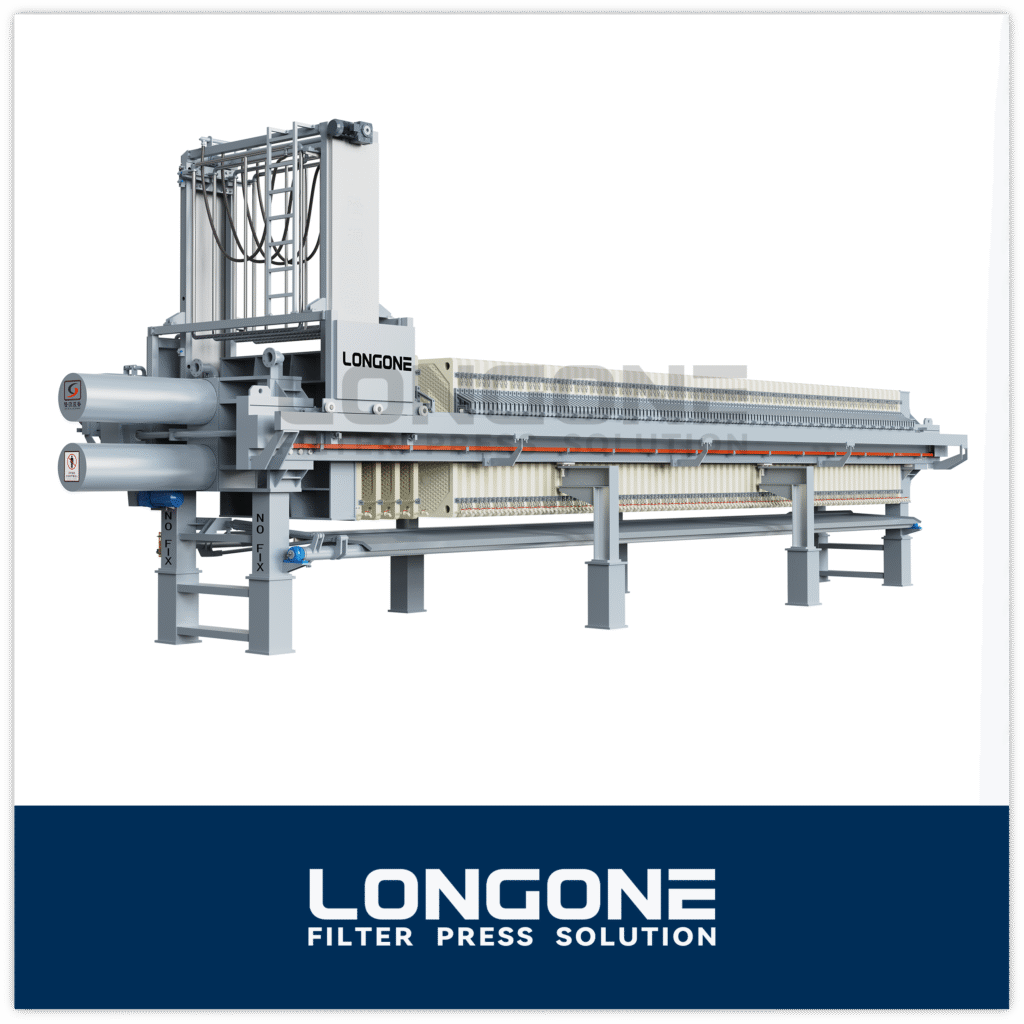
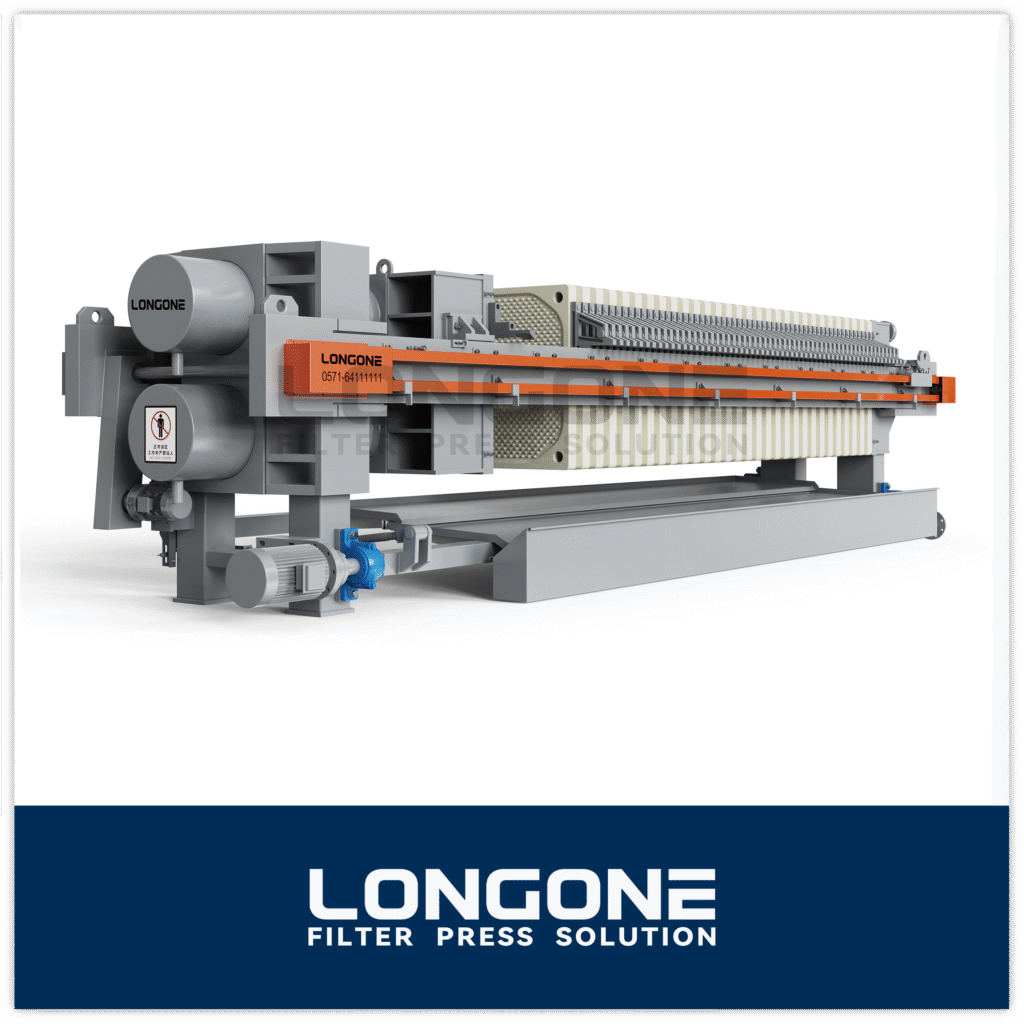
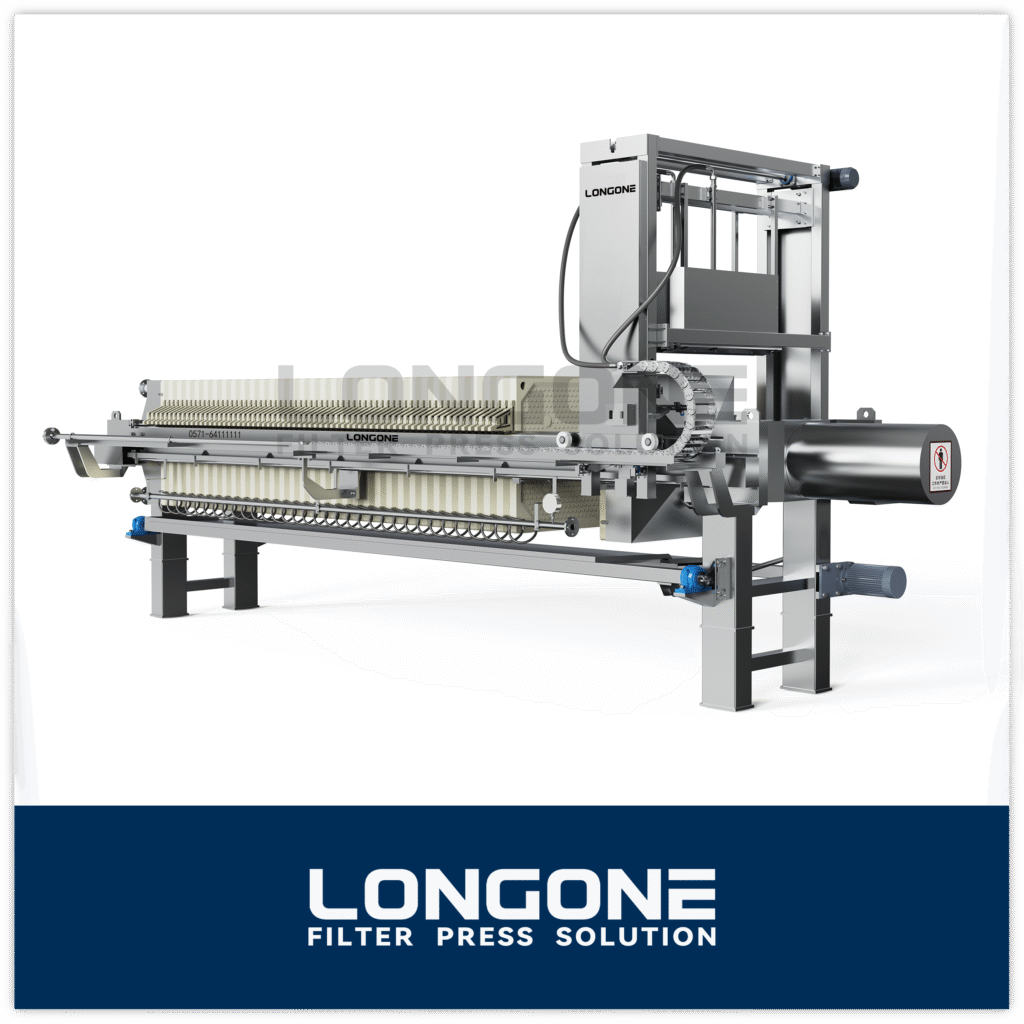
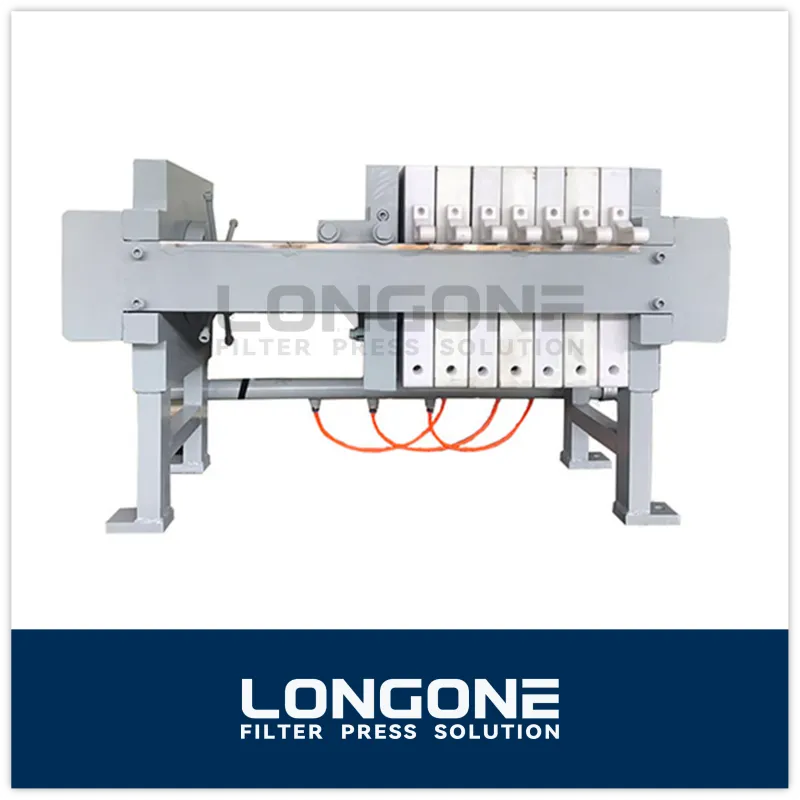
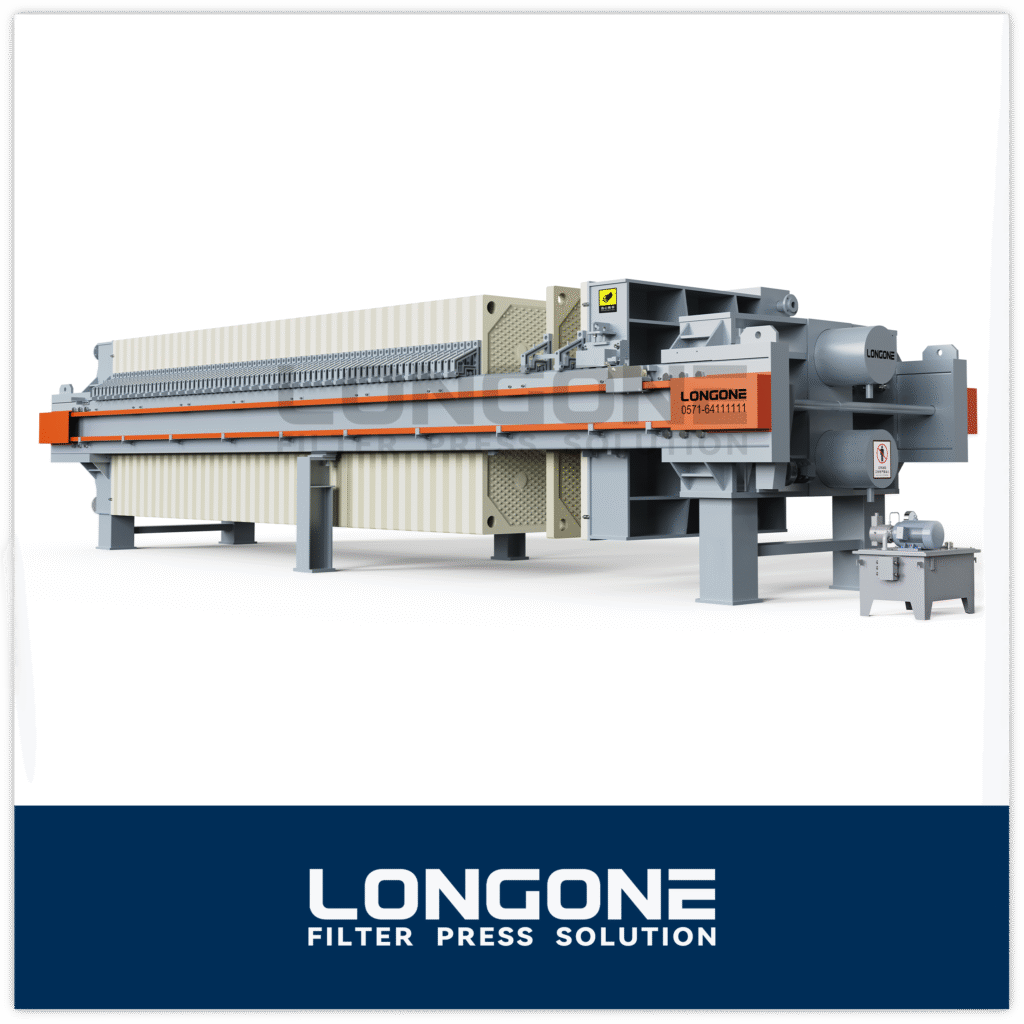
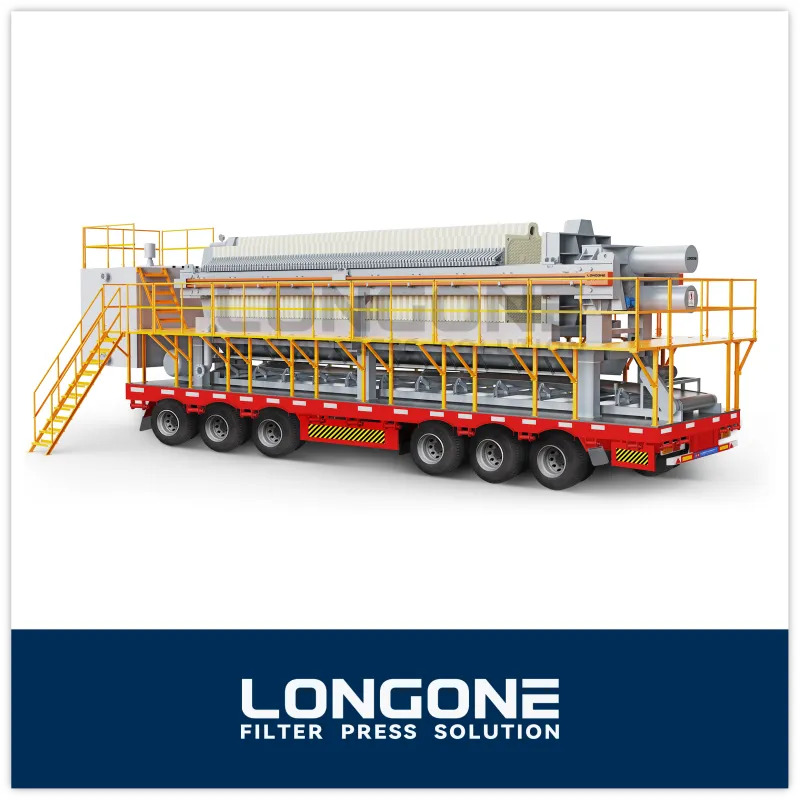
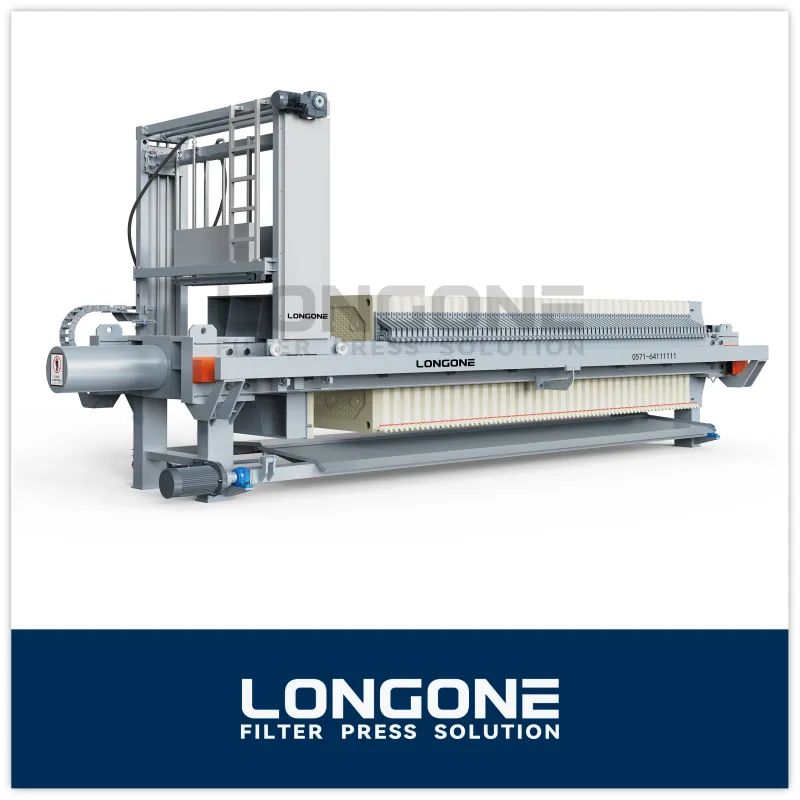
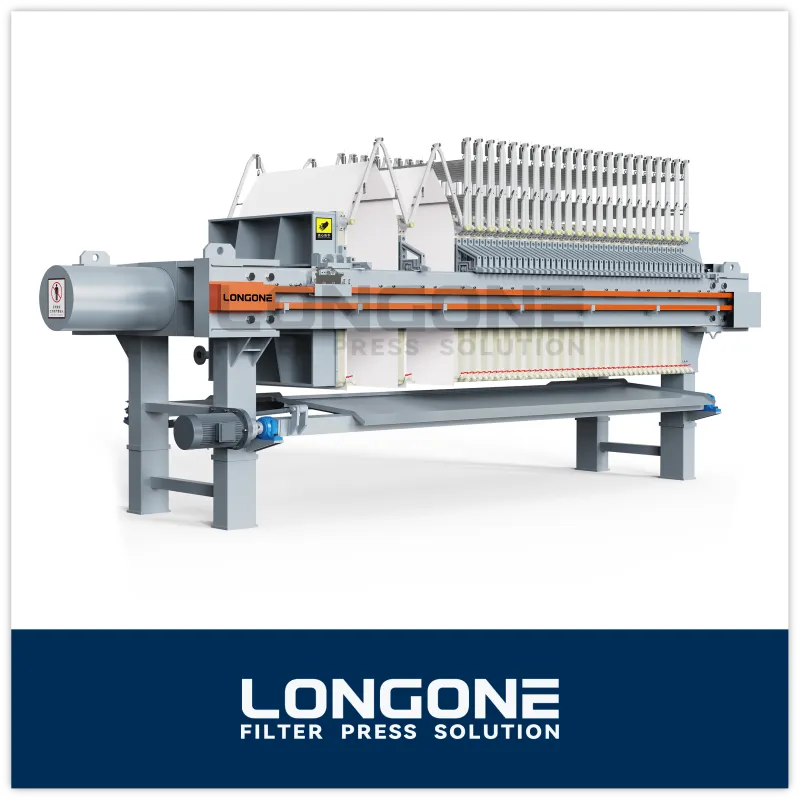
Navigating the landscape of filter press price quotations can be a confusing experience for any procurement manager or engineer. You receive multiple quotes that vary wildly, leaving you to wonder if you’re comparing apples to apples. This uncertainty is frustrating because choosing the wrong equipment based on a misleadingly low price can lead to operational bottlenecks, high labor costs, and poor filtration results down the line. The solution is to look beyond the final number and understand the core components that truly drive the cost of this essential equipment.
A filter press price is primarily determined by three main factors: the total filtration area (size of the machine), the material and type of the filter plates (e.g., standard chamber vs. high-efficiency membrane), and the level of automation (manual, semi-automatic, or fully automatic). Secondary factors like steel frame thickness, hydraulic system components, pressure rating, and included accessories like feed pumps and filter cloths also significantly influence the final quotation.
Understanding these drivers is the first step. Now, let’s dive deeper into each element. This breakdown will empower you to dissect any quote you receive, ask the right questions, and make an investment that delivers the lowest total cost of ownership for your operation.
What Determines the Filter Press Price: The Core Cost Drivers?
Trying to make sense of different quotes can feel like solving a puzzle with missing pieces. You see a low price from one supplier and a high one from another for what seems like the same machine. This can lead to analysis paralysis or, worse, a purchase that compromises quality for a short-term budget win.
The final filter press price is a direct reflection of its configuration and build quality. The three most significant cost drivers are the machine’s size (filtration area), the technology inside the plates, and the degree to which it operates without human intervention.

Beyond the Big Three
While filtration area, plates, and automation are the primary levers, several other specifications create significant price variance. In my experience manufacturing over 3,000 units, I’ve seen these “hidden” details make all the difference.
- Frame & Steel Quality: A heavier, thicker steel frame is more expensive but crucial for safety and longevity, especially at higher pressures. A low-cost unit may use lighter I-beams or thinner steel plates, which can flex or fail under sustained industrial use. Our standard frames are built for durability, anticipating decades of service.
- Sistema idraulico: The hydraulic station closes the plate pack and maintains pressure. The brand and quality of the pump, motor, and valves directly impact reliability. A premium hydraulic system costs more but prevents leaks and downtime.
- Pressure Rating: Standard filter presses operate around 0.6 MPa (approx. 87 PSI). However, many applications, especially with fine particulates or a need for very dry cake, require higher pressures of 1.0 MPa, 1.6 MPa, or even higher. Higher pressure ratings demand a much more robust frame and hydraulic system, significantly increasing the filter press price.
- Tessuto filtrante: The filter cloth is the consumable media doing the actual separation. Its material (e.g., Polypropylene, Polyester, Nylon), weave pattern, and micron rating are tailored to your slurry. A low quote might include a generic, low-quality cloth or, in some cases, no cloth at all.
A rock-bottom quote often implies compromises on these fronts: thinner plates, a lighter frame, manual operation, and the exclusion of essential accessories like the feed pump or filter cloths.
Filtration Area and Plate Size: Why Do Square Meters Set the Price Baseline?
You need to process a certain volume of slurry each day, but how does that translate to machine size and cost? It’s easy to get fixated on the price per square meter, but this metric can be misleading if the underlying quality isn’t comparable. The real issue is ensuring the size you pay for can actually meet your throughput demands reliably.
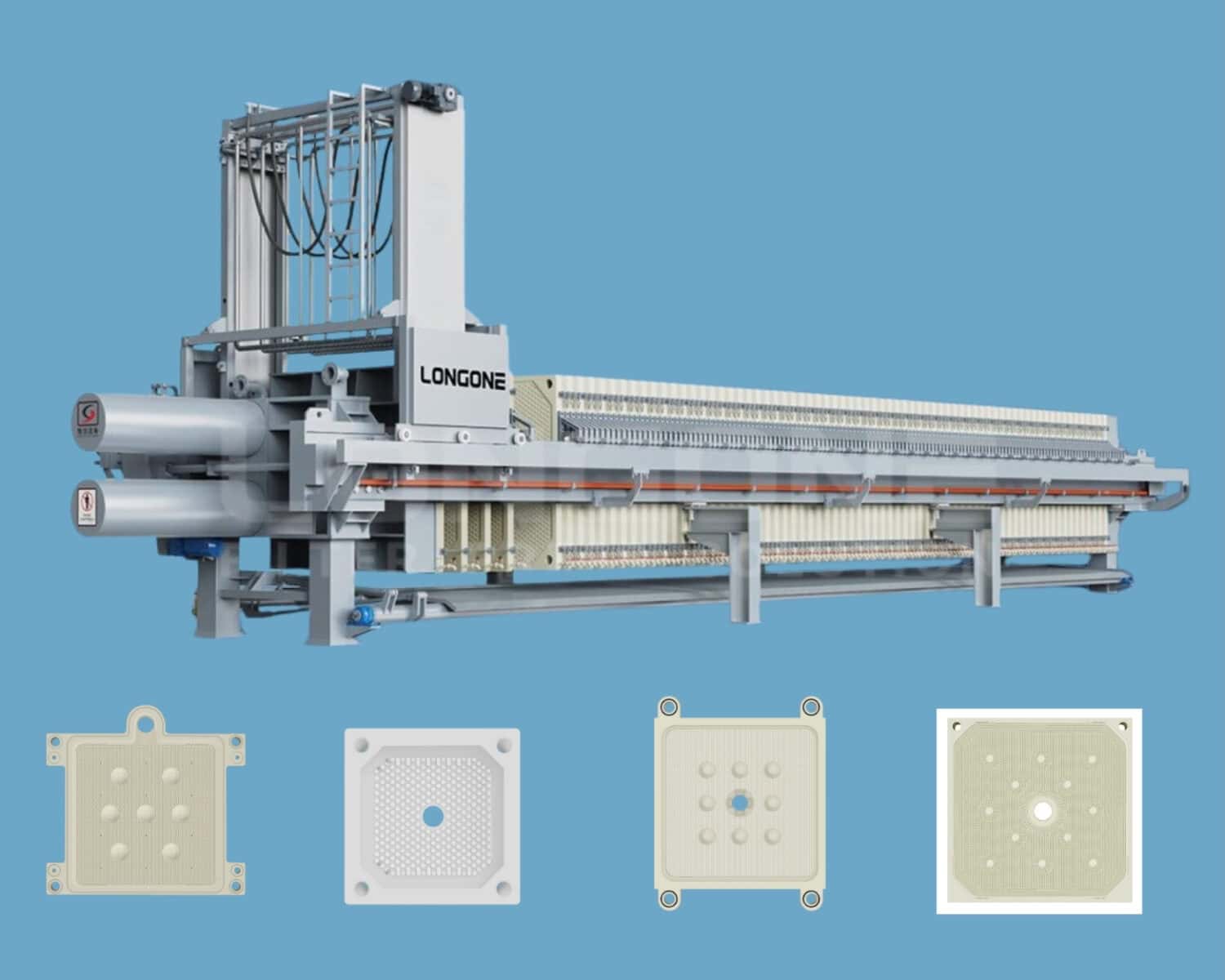
The total filtration area, measured in square meters (m²), is the foundational element of a filter press’s cost. It dictates the physical size of the machine, the number and size of the filter plates, and consequently, the amount of steel and raw materials required for its construction.
From Process Needs to Physical Size
Filtration area is the sum of the filtering surfaces of all plates in the press. For example, a press with 100 plates, each measuring 1m x 1m, has two filtering sides per plate. The total area would be roughly 100 plates * (1m * 1m) * 2 sides = 200 m².
Here’s how this directly impacts the cost:
- More Plates, More Material: A larger filtration area means more filter plates. Since plates are a major cost component, this is a direct price multiplier.
- Larger, Heavier Frame: A press holding 200 m² of plates needs a much longer and stronger steel frame than one holding 50 m². This requires heavier side beams, a more substantial head and tail plate, and a more robust foundation.
- More Powerful Hydraulics: Closing a large, long stack of plates and holding it against high filtration pressure requires a larger hydraulic cylinder and a more powerful hydraulic power unit. This adds to the cost and complexity.
Therefore, when a supplier provides a quote, the filtration area is the first specification that sets the scale of the investment. A 20 m² press for a small batch chemical application and a 1000 m² press for a large-scale mining operation are fundamentally different machines in every aspect, from weight to price. However, don’t stop your comparison here. A 200 m² press from one factory can be vastly different from a 200 m² press from another. The next factor—the plates—is where the technology and performance truly diverge.
Plate Material and Type: How Do PP Chamber vs. Membrane Plates Affect the Filter Press Price?
You know you need a certain size, but now you face a choice: standard chamber plates or more advanced membrane plates? One has a lower initial filter press price, but the other promises better performance. Choosing incorrectly can mean either overspending on technology you don’t need or getting stuck with wet, costly-to-dispose-of filter cake.
The choice between standard recessed chamber plates and membrane (or diaphragm) filter plates is a critical decision that significantly impacts both the initial price and the long-term operational efficiency. Chamber plates are less expensive upfront, while membrane plates carry a premium for their advanced dewatering capabilities.
Cost of Investment vs. Cost of Operation
The core difference lies in their function.
- Chamber Plates: These are simple, recessed plates made of polypropylene (PP). Slurry is pumped in, and the solid particles (cake) build up in the chamber between plates until the chamber is full and pressure is reached. The process stops there.
- Membrane Plates: These plates have a flexible, inflatable face. After the initial filtration cycle fills the chamber, a fluid (air or water) is pumped behind the flexible membrane. This membrane squeezes the filter cake, physically forcing out additional liquid.

This “membrane squeeze” phase results in:
- Drier Filter Cakes: Moisture content can be reduced by an additional 10-50% compared to a standard chamber press. This is critical when disposal costs are high or when the cake needs to be further processed.
- Shorter Cycle Times: The squeeze achieves a dry cake faster than simply holding pressure on the feed pump, which can shorten overall cycle times by over 50%. This increases the daily throughput of the machine.
Let’s compare them directly:
| Feature | Filtropressa a camera | Filtropressa a membrana |
|---|---|---|
| Initial Price | Lower | Higher (1.5x to 2x) |
| Filter Cake Moisture | Standard | Significantly Drier |
| Cycle Time | Longer | Shorter |
| Operating Cost | Lower (simpler) | Higher (requires air/water for squeeze) |
| Long-Term ROI | Good for low-volume or easy-to-dewater slurry | Excellent for high-volume or hard-to-dewater slurry |
| Best For | Applications where cake moisture isn’t critical; smaller batches; tight budgets. | Mining tailings, wastewater sludge, chemical slurries where cake dryness, disposal cost, or throughput is critical. |
The crucial question is not just the upfront filter press price. It’s the cost per ton of dry solid processed over the machine’s lifetime. For a high-volume wastewater treatment plant paying for sludge disposal by weight, the extra investment in a membrane press often pays for itself very quickly through reduced disposal fees.
Automation Level: How Do Manual, Semi-Automatic, and Fully Automatic Options Impact Price?
You’re processing slurry around the clock, and labor costs are a major concern. Or perhaps you’re a small operation running only a few batches per week. The level of automation you choose must match your operational reality. Paying for full automation you don’t use is wasteful, but sticking with manual operation in a 24/7 plant will cripple your efficiency and inflate labor costs.
The degree of automation is another primary driver of the filter press price. Options range from fully manual machines requiring constant operator attention to fully automatic systems that can run almost unattended, and each level has a distinct price point and ideal use case.
Trading Capital for Labor
Automation in a filter press refers to mechanizing the steps that occur after the filtration cycle is complete: opening the press, separating the plates one by one to discharge the cake, and closing the press for the next cycle.
- Manual Filter Press: The operator uses a hydraulic lever to open and close the press. They must then physically pull each plate apart by hand to let the cake fall. This is the most labor-intensive and has the lowest initial cost.
- Semi-Automatic Filter Press: The press opening and closing is automated via push-button controls. It often includes a mechanical plate shifter that assists the operator in separating the plates, but an operator still needs to be present to guide the shifter from plate to plate.
- Fully Automatic Filter Press: The entire process is controlled by a PLC. The press opens, a plate shifting robot separates all plates, and optional systems like drip trays, bomb bay doors for cake collection, and automatic filter cloth washing systems operate in a pre-programmed sequence. The press then closes itself, ready for the next cycle. This has the highest upfront cost but the lowest labor requirement.

Here is how they stack up:
| Feature | Manual Press | Semi-Automatic Press | Fully Automatic Press |
|---|---|---|---|
| Price Tier | Low | Medium | High |
| Labor Requirement | High (Constant operator presence) | Medium (Operator needed during cake discharge) | Low (Supervisory) |
| Cycle Efficiency | Low (Long discharge time) | Medium | High (Fast, consistent discharge) |
| Recommended For | Lab use, very small batch production, severe budget constraints. | Most standard industrial applications, 1-2 shifts per day operation. | 24/7 operations, large-scale plants, minimizing human error, hazardous environments. |
When I consult with EPC contractors for large new plants, we almost always specify fully automatic systems. The savings in labor and the increase in throughput and operational consistency provide a clear return on investment, justifying the higher initial filter press price. For smaller factories or specialized chemical batches, a semi-automatic press often strikes the perfect balance between cost and efficiency.
What Hidden Costs Affect the Total Filter Press Price Beyond the Quote?
You’ve finally received a quote that seems to fit your budget, and the core specifications look right. But are you seeing the full picture? Many first-time buyers are caught off guard by necessary expenses that weren’t included in the initial equipment price. The problem is that these “hidden” costs aren’t optional—they are essential for a functional system.
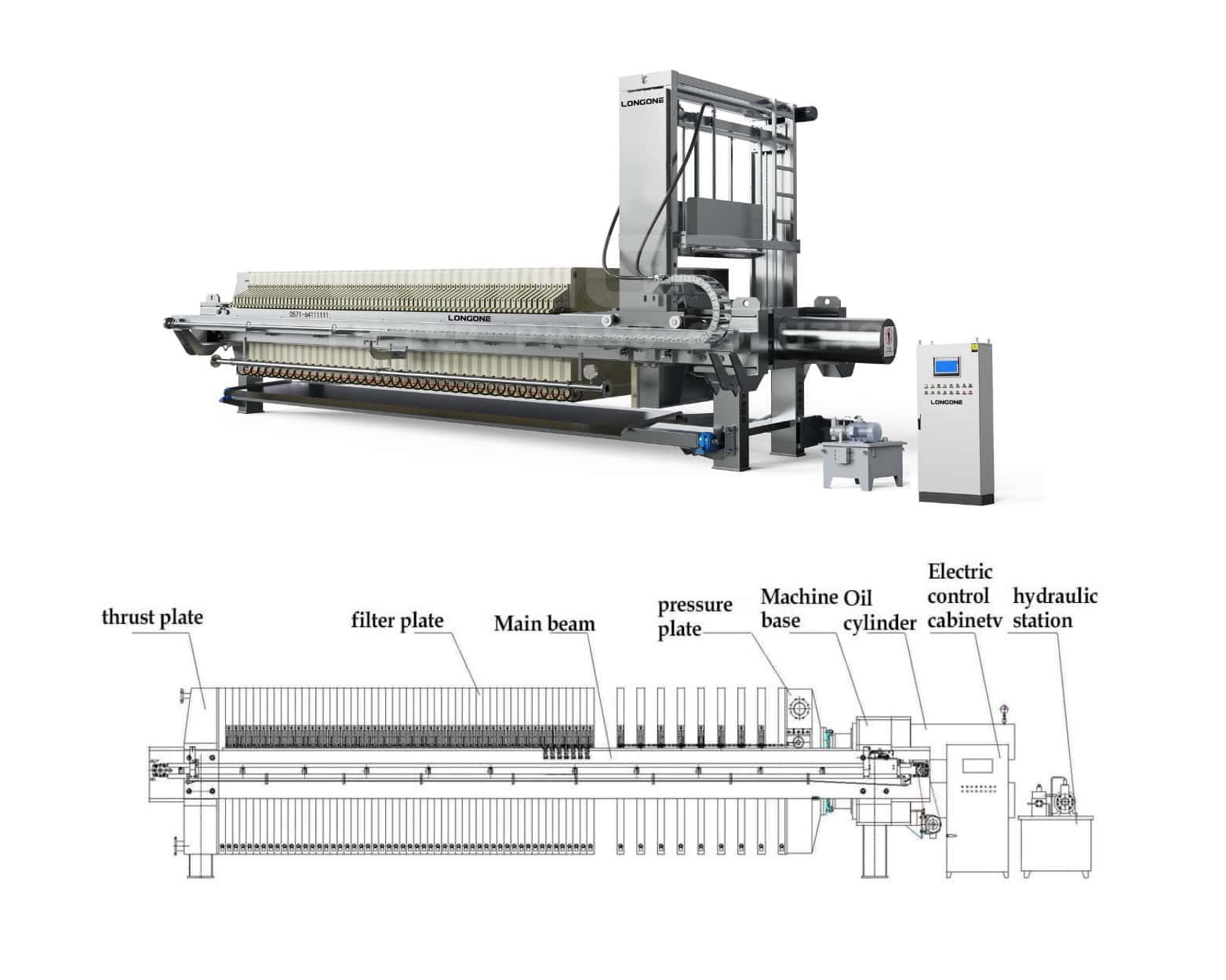
Beyond the machine itself, the total investment to get your filtration system operational includes several items and services that are often quoted separately or overlooked. A low filter press price on paper can become much higher once you account for the complete project scope.
Budgeting for the Complete System
When evaluating a quote, verify if it includes the following. If it doesn’t, you will need to budget for them separately.
- Feed Pump: A filter press is useless without a pump to feed it slurry. This isn’t just any pump; it must be a specific type (e.g., diaphragm pump, progressive cavity pump, or piston pump) sized correctly for your slurry’s characteristics, flow rate, and the press’s final pressure rating. A mismatch can lead to poor performance or damage. We often package our presses with a matched feed pump to ensure compatibility.
- Tessuti filtranti: As mentioned earlier, filter cloths are a critical and consumable component. A base quote may not include the first set of cloths, or it may include a low-grade “starter” set. The price of a full set of high-quality, application-specific cloths can be substantial.
- Shipping, Insurance, and Tariffs: For international buyers, logistics are a major cost. Clarify the shipping terms (e.g., FOB, CIF). FOB (Free On Board) means the price stops at the origin port; you are responsible for ocean freight, insurance, and import duties. CIF (Cost, Insurance, and Freight) covers transit to your country’s port, but you still handle customs and inland transport. These costs can add 10-20% or more to the equipment price.
- Installation and Commissioning: A large industrial filter press requires proper assembly, leveling, and connection to your piping and electrical systems. Commissioning involves a trained technician starting up the system, optimizing the cycle parameters for your slurry, and training your staff. While some buyers handle this with their own team, supplier supervision is highly recommended to ensure a smooth startup and validate the warranty.
- Spares and Ancillaries: It’s wise to budget for a set of spare filter cloths and perhaps a few spare filter plates. Other ancillary equipment might include a cake conveyor to move the discharged solids, an air compressor for a membrane press, or a pre-treatment chemical dosing system.
A transparent supplier will provide a quote that clearly itemizes what is and isn’t included.
How Can I Compare Filter Press Quotes and Request an Accurate Quotation?
You’re armed with knowledge, but the goal is to get quotes you can actually compare on a level playing field. Submitting a vague request to multiple suppliers will only result in the confusing, varied quotes you started with. To get a truly comparable and accurate filter press price, you need to provide a clear and detailed specification of your needs.
The most effective way to compare filter press quotes is to ensure every supplier is bidding on the exact same requirements. This is achieved by providing a comprehensive data sheet about your process with your request for quotation (RFQ).
The Buyer’s Checklist for an Accurate Quote
The wrong question is, “How much does a filter press cost?” The right questions are about your application. At LONGONE, to provide an accurate technical proposal and quotation, our engineers need to know the answers to the following. When you approach any supplier, have this information ready:
Process & Slurry Information
- Tipo di liquame: What are you filtering? (e.g., gold tailings, municipal sludge, calcium carbonate, lithium brine, etc.)
- Solids Concentration: What is the percentage of solids by weight in the slurry? (e.g., 30%)
- Particle Size Distribution (if available): Are the particles coarse or very fine?
- Chemical Composition & pH: Is the slurry acidic, alkaline, or corrosive?
- Temperature: What is the operating temperature of the slurry?
Performance Requirements
- Required Throughput: How many cubic meters or tons of slurry do you need to process per day or per hour?
- Target Cake Moisture: What is the maximum acceptable moisture content in the final filter cake? (e.g., “less than 25%”)
Site & System Specifications
- Pressure Requirement: Do you have a specific pressure rating you need to achieve?
- Livello di automazione: Do you require manual, semi-automatic, or fully automatic operation?
- Electrical Requirements: What is the voltage, frequency, and phase available at your site? (e.g., 480V/60Hz/3-Phase)
- Available Space: Are there any physical constraints on the machine’s footprint?
By providing this data to all potential suppliers, you force them to quote a machine designed for the same job. You can then compare their proposed filtration area, plate technology, automation features, and build quality on a true apples-to-apples basis, making the differences in filter press price meaningful.
Conclusione
Comprendere il filter press price is not about finding the cheapest option; it’s about making a smart, long-term investment. The final price tag is a composite of the machine’s physical size (filtration area), its technological sophistication (chamber vs. membrane plates), and its operational efficiency (automation level). As we’ve seen, factors like steel quality, pressure rating, and what’s excluded from the quote can create vast price differences. The most reliable path to a wise purchase is to define your process requirements in detail first. This allows you to solicit quotes that are truly comparable and to choose a machine that delivers the best performance and lowest cost per ton processed over its entire service life.
If you are ready to move from general estimates to a specific, technical proposal for your solid-liquid separation needs, I invite you to contact our engineering team. Provide us with your process data, and we will prepare a detailed quotation for a filter press system tailored to your exact requirements.
Frequently Asked Questions
Why are some filter presses so much cheaper than others?
A significantly lower price usually points to compromises in key areas. This can include using a lighter steel frame, lower-quality hydraulic components, thinner filter plates, a lack of automation features, or excluding essential items like the feed pump and filter cloths from the quote.
How much does a small lab filter press cost?
A small, manual laboratory filter press is at the lowest end of the price spectrum. Its cost is a fraction of a full-scale industrial unit, but the price still depends on the plate material, pressure rating, and any included accessories like a lab-scale pump.
Is a more expensive filter press always better?
Not necessarily. The “best” filter press is the one that is correctly specified for your application and offers the lowest total cost ofownership. An expensive, fully-automatic membrane press would be overkill for a small workshop running one batch a week, where a simple manual chamber press would be more cost-effective.
What is the expected lifetime of a filter press?
A well-built filter press frame and hydraulic system can last for 15-20 years or even longer with proper maintenance. However, components like filter plates and especially filter cloths are consumables. Plates may last 5-10 years depending on use and pressure, while cloths may need replacement every few months to a year.