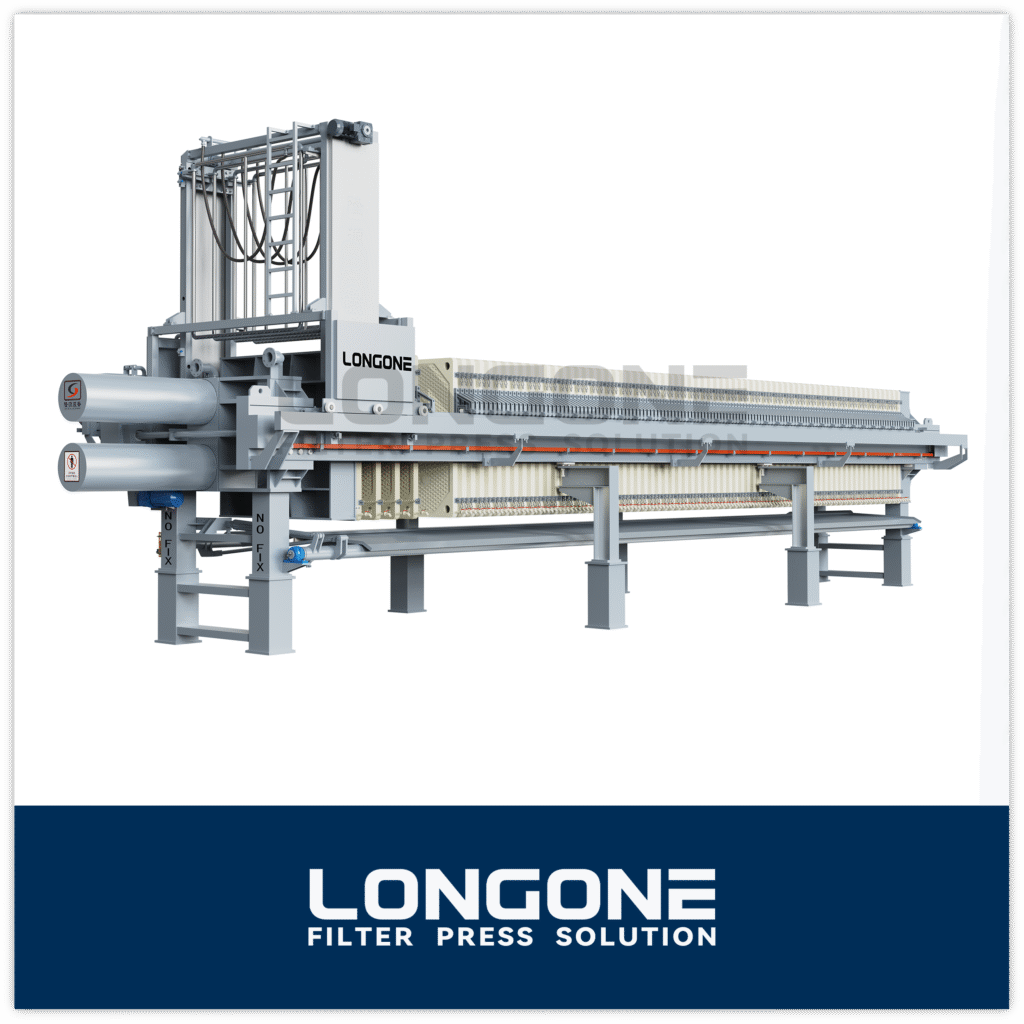
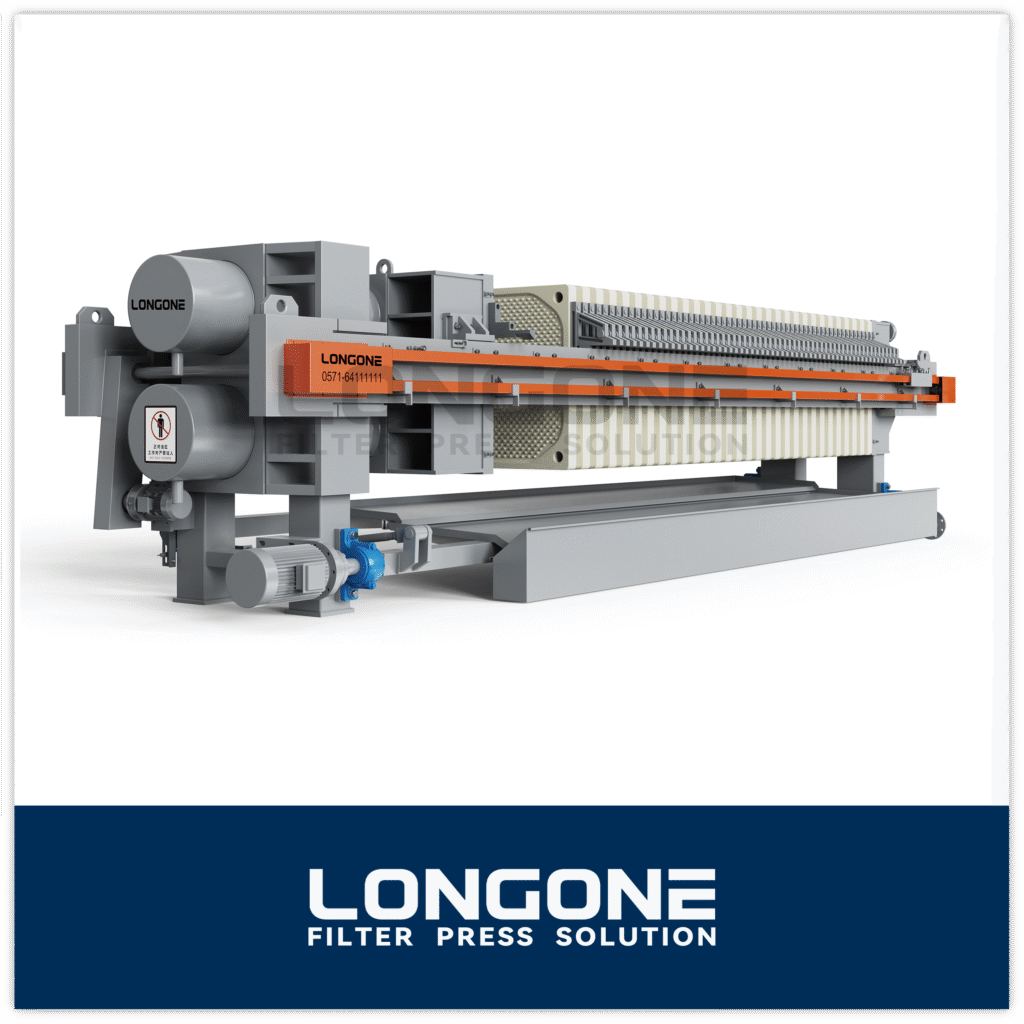
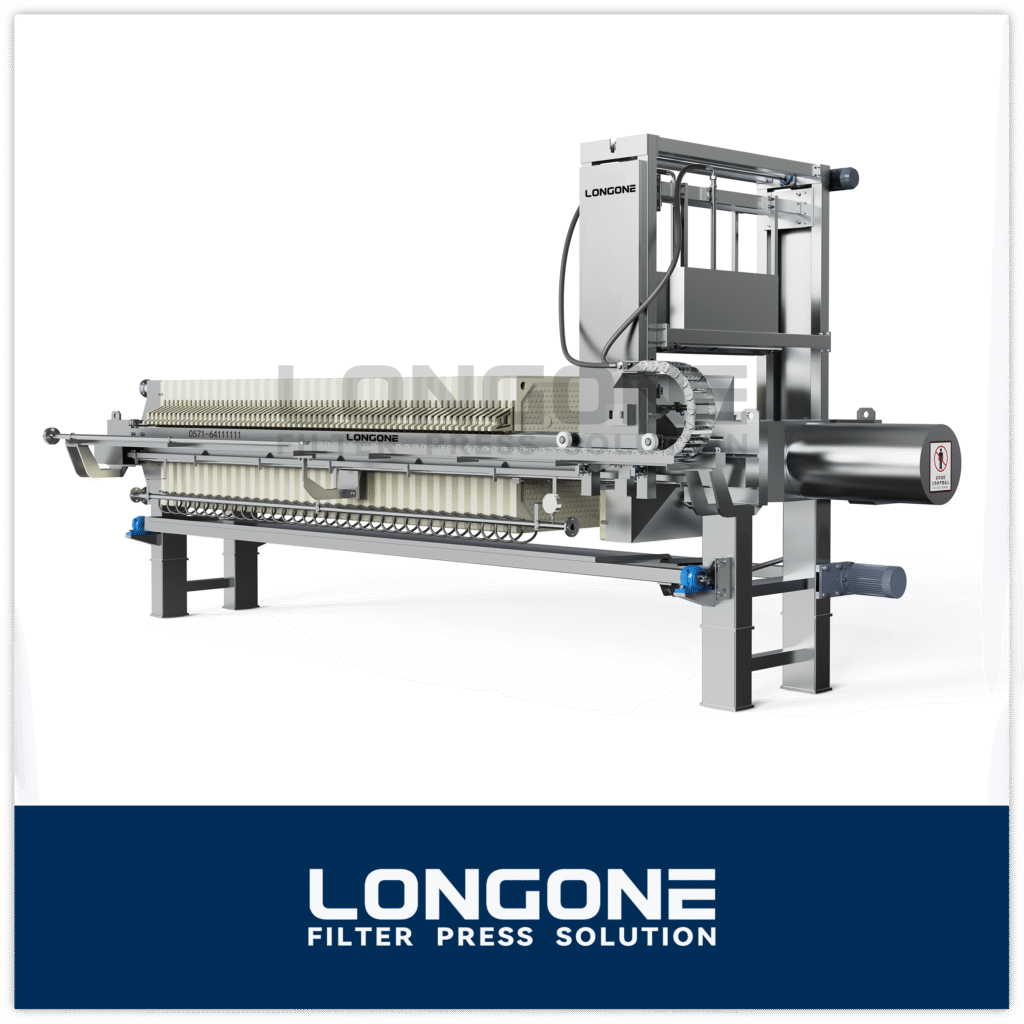
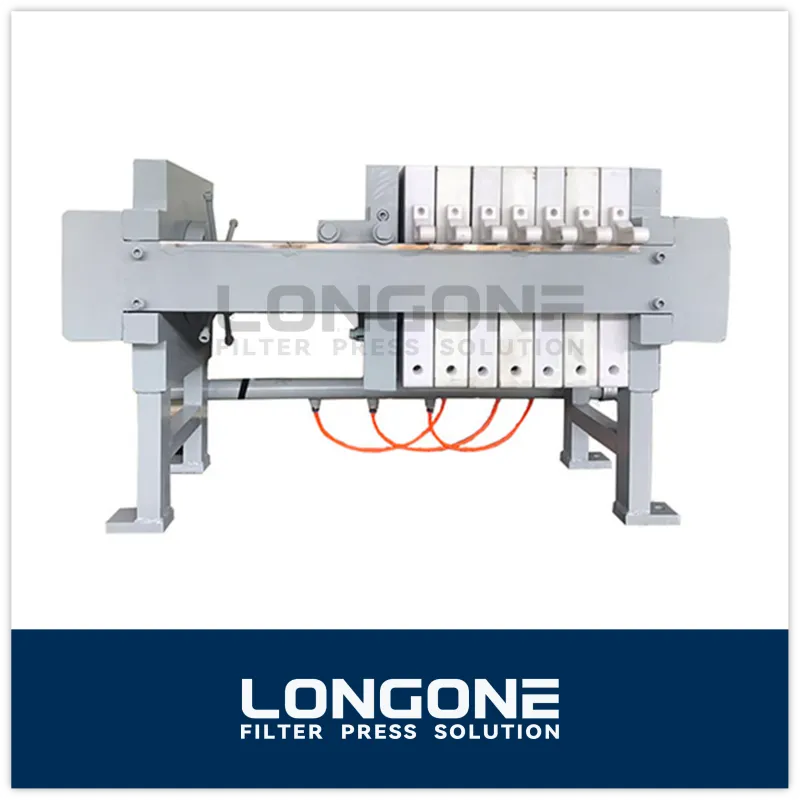
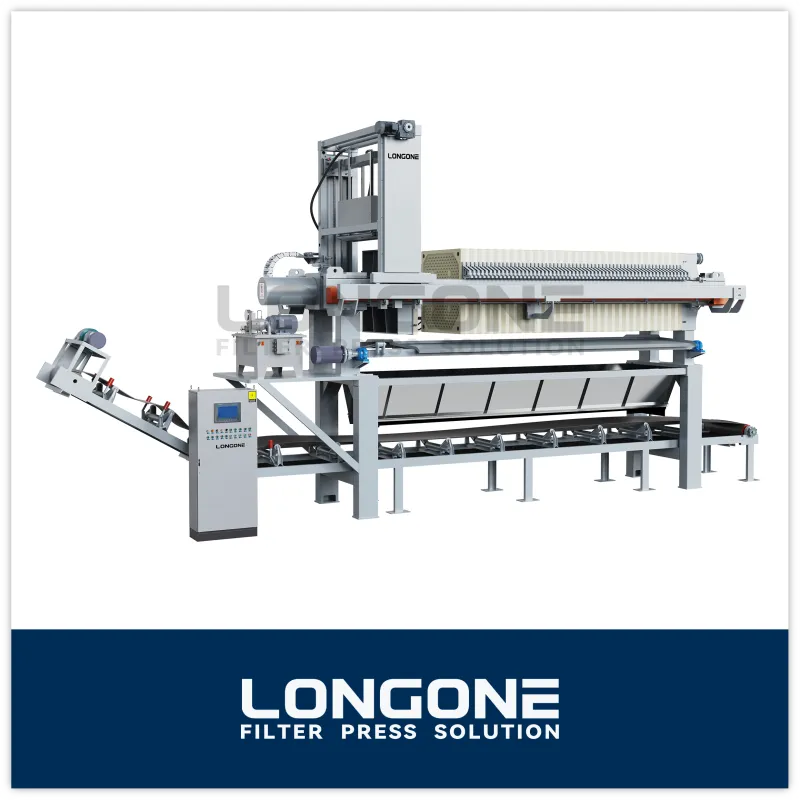
Your dewatering process requires constant manual intervention, increasing labor costs and creating operational bottlenecks. Every filtration cycle needs an operator to open the press, scrape cakes, and reset the system, leading to inconsistent cycle times and potential safety hazards. A fully automatic filter press promises a solution: unattended, continuous operation that maximizes throughput.
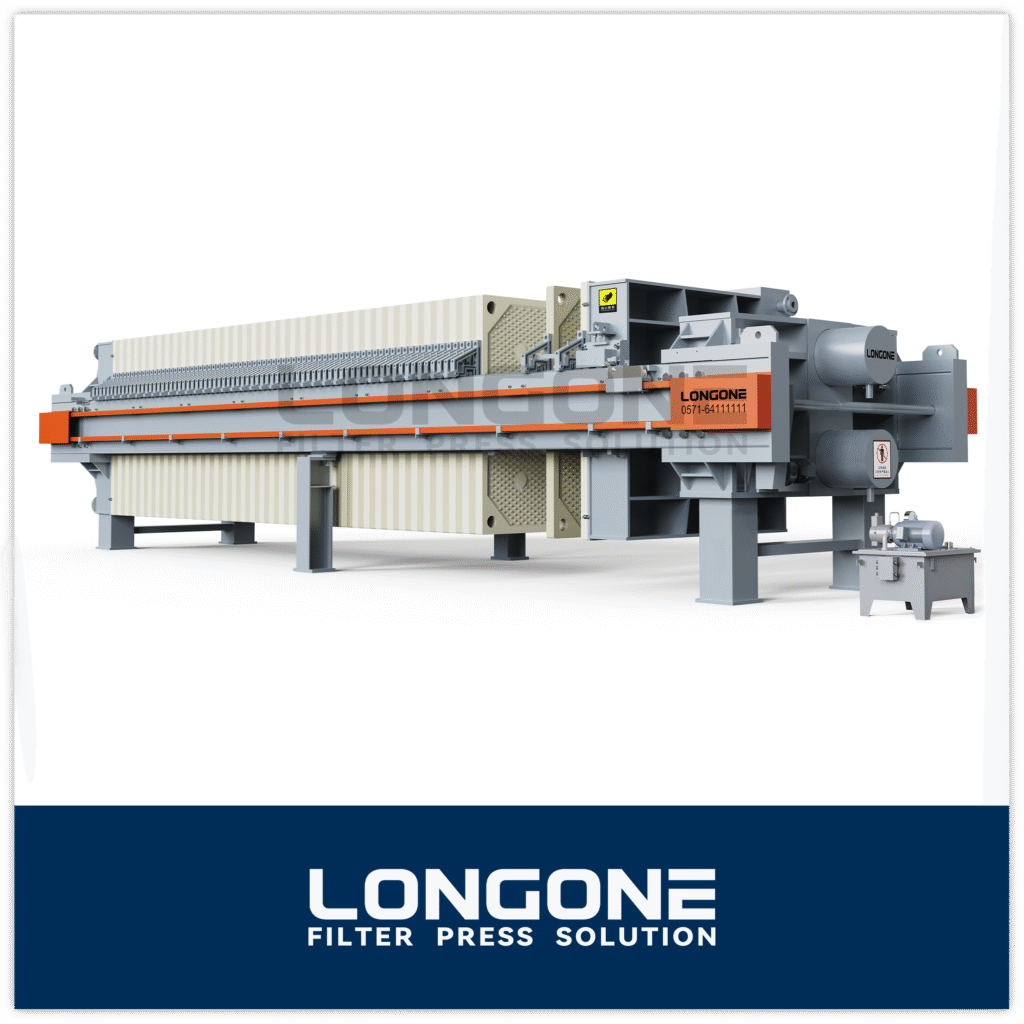
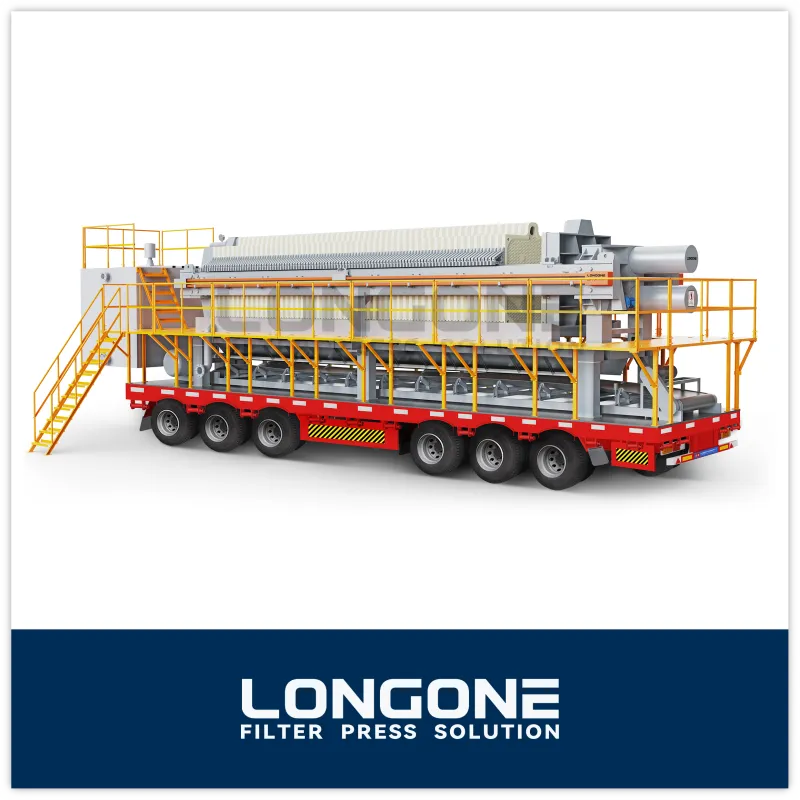
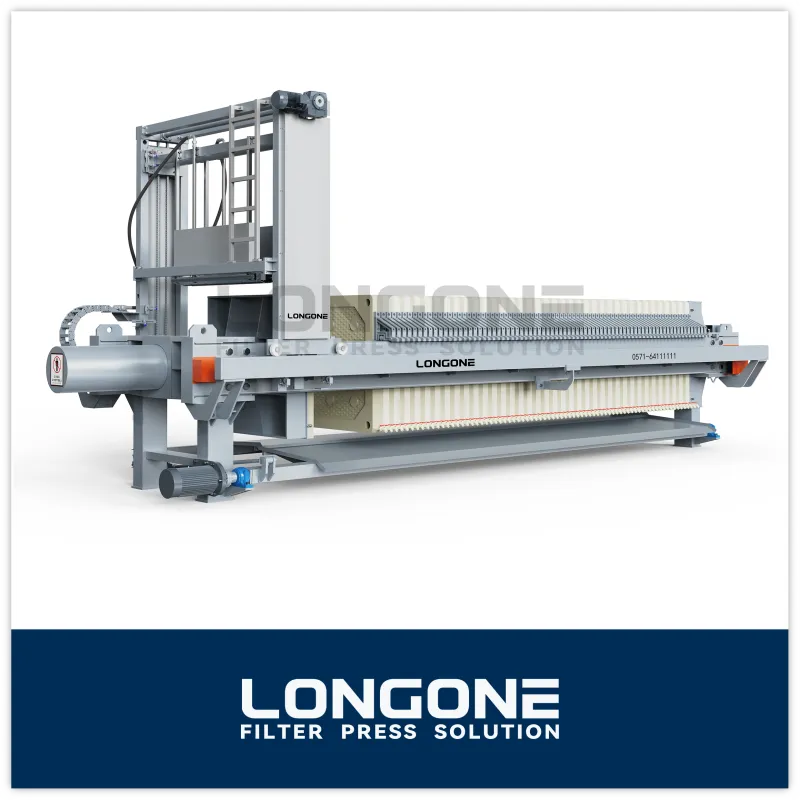
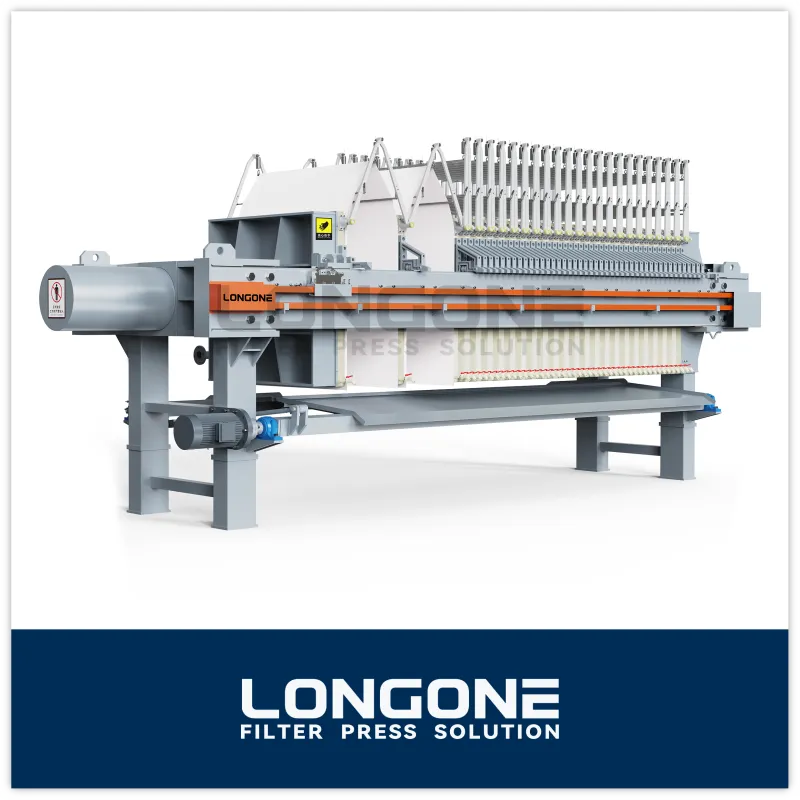
A fully automatic filter press is an industrial solid-liquid separation system that uses a Programmable Logic Controller (PLC) to manage the entire filtration cycle without direct human intervention. This includes automated closing and clamping, slurry feeding, filtration, filter cake discharge, and optional filter cloth washing, all orchestrated by sensors and programmed sequences.
While the PLC and hydraulic system are the brains and brawn of the operation, the secret to reliable automation lies in a component that is too often overlooked. Let’s explore what makes these systems truly “hands-off” and where automation most often fails in the real world.
What “Fully Automatic” Really Means in a Filter Press?
You hear the term “fully automatic” and imagine a machine you can simply turn on and walk away from. But you may have also seen systems labeled “automatic” that still require an operator to stand by and correct frequent errors. Let’s clarify what true, unattended automation should deliver.
In the context of industrial filtration, “fully automatic” means the equipment can execute the entire solid-liquid separation process programmatically. It operates as a closed-loop system, using sensor feedback—for pressure, flow, and component positions—to make decisions and transition between stages without human input.
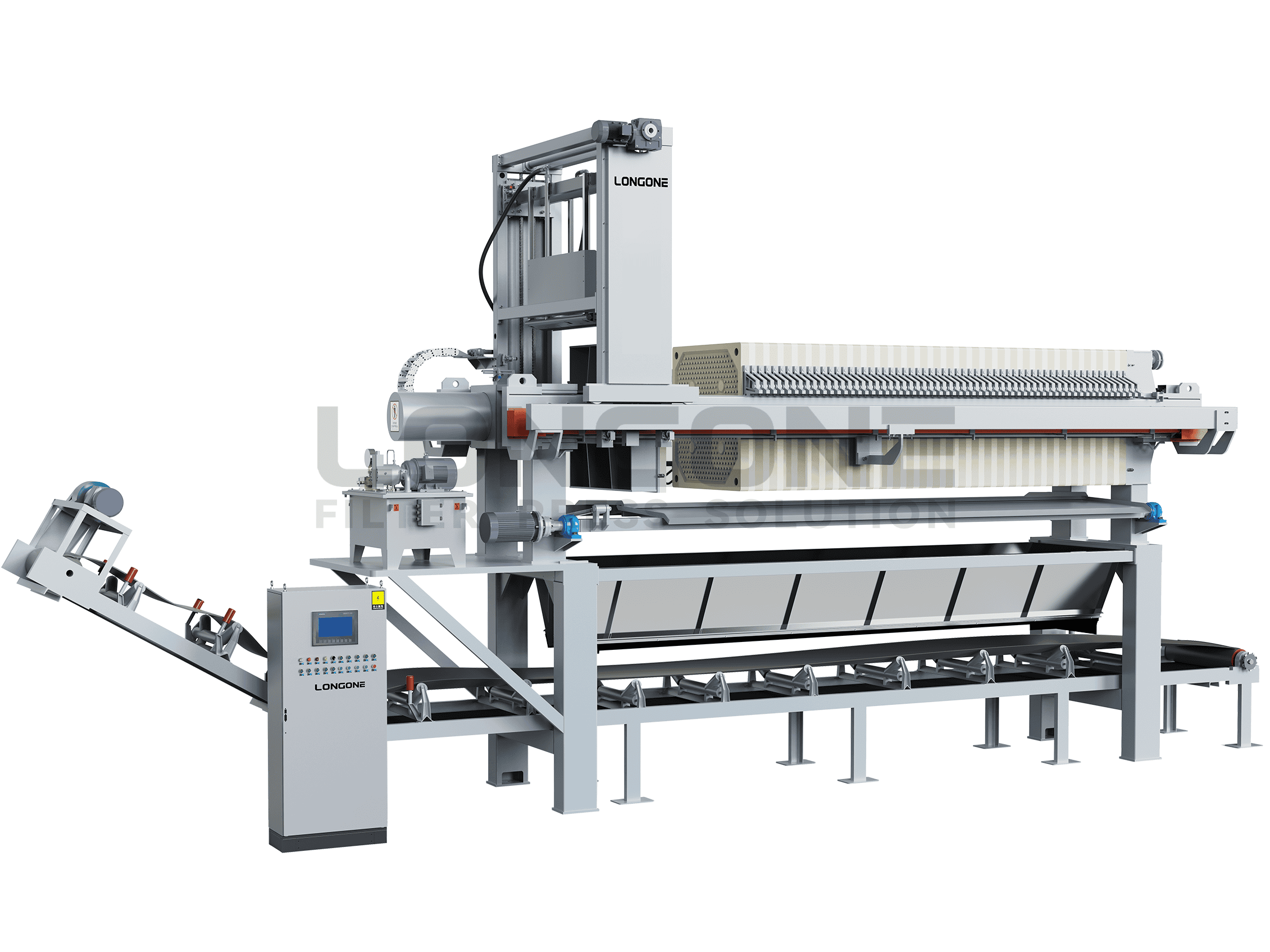
True automation is far more than a simple timer-based sequence. It’s about achieving consistent, repeatable outcomes, cycle after cycle, for hundreds or thousands of hours. A well-designed fully automatic filter press integrates multiple subsystems into a cohesive whole:
- Process Initiation: The cycle begins either on a schedule, via a signal from an upstream process (like a full slurry tank), or by an operator command from a central control room.
- Sensor-Based Logic: Throughout the cycle, the PLC doesn’t just follow a rigid timeline. It responds to real-time data. For example, the feed pump may stop not after a set time, but when a pressure sensor indicates the chambers are full and the cake is formed to the desired density. This adaptability ensures optimal performance even if slurry characteristics change slightly.
- Fault Detection and Alarms: A key part of automation is self-diagnosis. The system is programmed to recognize abnormal conditions, such as a pressure drop indicating a leak or a plate shifter jam. When it detects a fault, it can trigger an alarm, safely shut down the process, and notify an operator with a specific error code, dramatically reducing troubleshooting time.
- Auxiliary System Integration: Full automation often extends beyond the press itself. The PLC can control peripheral equipment like slurry feed pumps, conveyors for cake disposal, and water pumps for cloth washing. This creates a fully integrated and self-sufficient dewatering station.
In my experience, the difference between a system that is merely automated and one that is reliably autonomous comes down to the quality of this integration and, most importantly, the mechanical components it controls.
Inside the Automation Cycle: PLC Control, Hydraulic Clamping, and Cake Discharge?
The automated cycle can seem like a black box, making it difficult to specify what you need or troubleshoot issues. This opacity can be a real problem when evaluating suppliers. So, let’s open the box and break down the sequence step-by-step.
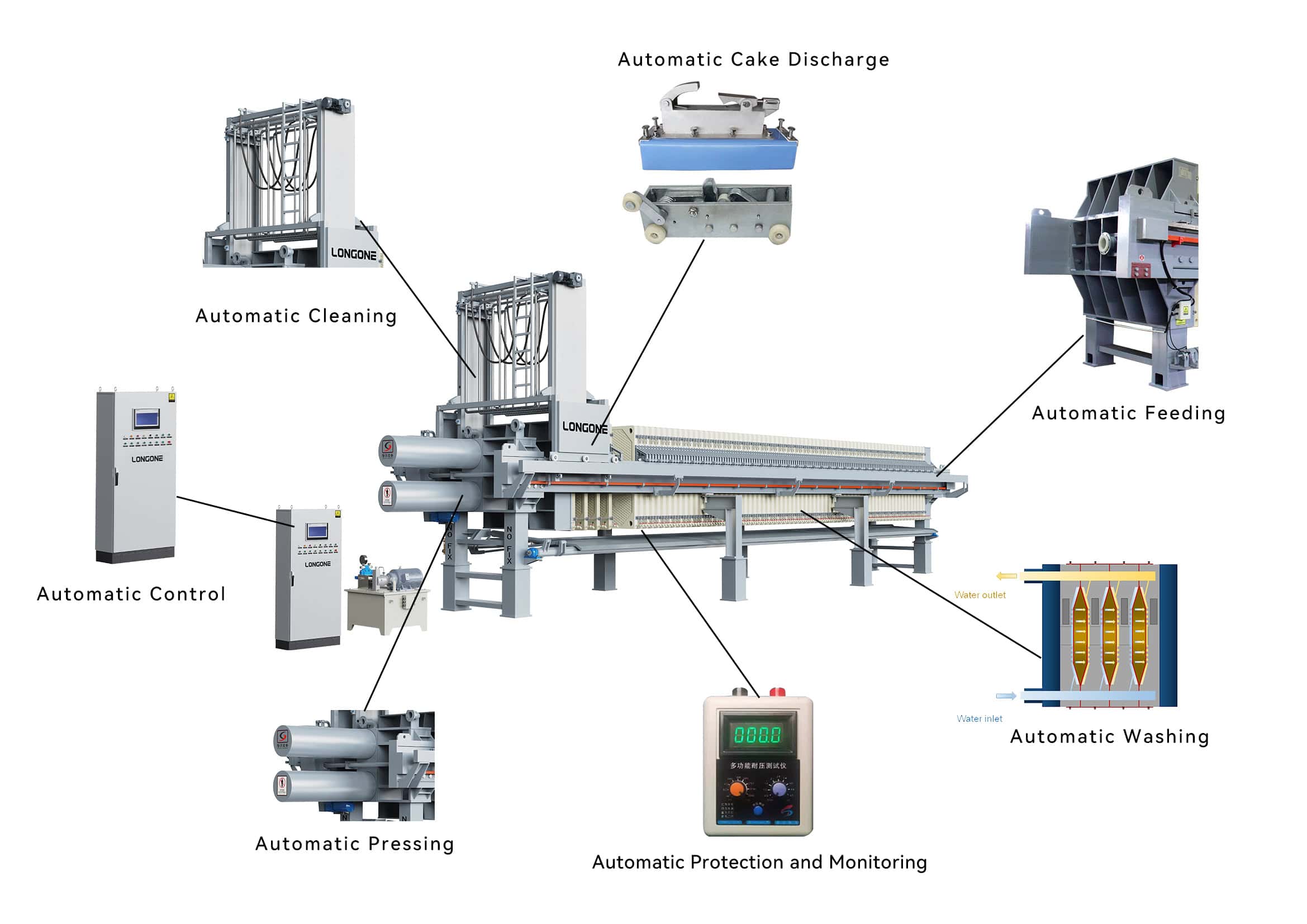
The entire operation is orchestrated by the PLC, which directs the hydraulic system and mechanical components through a precise sequence: closing the press, feeding the slurry, applying pressure, discharging the filter cake via an automatic plate shifter, and optionally washing the filter cloths.
Each step in the cycle is a critical link in the automation chain. A failure at any point can bring the entire process to a halt.
The PLC: The Brain of the Operation
The Programmable Logic Controller (PLC) is a rugged industrial computer that serves as the central nervous system. We program it with the specific logic for your application, including setpoints for pressure, cycle times, and sequences for all automated components. It receives input from sensors and sends output commands to motors, valves, and hydraulic pumps. The Human-Machine Interface (HMI)—usually a touchscreen panel—allows operators to monitor the process, adjust parameters, and review alarms.
Hydraulic System: The Muscle
The hydraulic power unit provides the immense force needed to operate the press. Its primary functions in an automatic cycle are:
- Closing the Press: A hydraulic cylinder rapidly closes the plate pack.
- Clamping: Once closed, the system applies and maintains high hydraulic pressure (often up to 6.0 MPa in our high-pressure systems) to keep the filter plates sealed against the high internal filtration pressure. Pressure sensors constantly monitor this, ensuring a leak-free seal.
- Opening the Press: After filtration, the hydraulic cylinder retracts, opening the plate pack to allow for cake discharge.
Automated Plate Shifting and Cake Discharge
This is where automation often meets its toughest mechanical challenge. Once the press is open, a plate shifting mechanism engages. This device travels along the top or side of the press, pulling each filter plate apart from the next, one by one. As each plate separates, the compacted filter cake in the chamber between them should fall—under its own weight—onto a conveyor or into a bin below.
Some systems include additional mechanisms to assist this process, such as:
- Pneumatic Shakers: Devices that vibrate the plates to help dislodge sticky cakes.
- Drip Trays: Automated trays that move into place to catch any residual liquid before opening the press, keeping the area below clean.
The reliability of this mechanical discharge step is absolutely critical. If even one cake fails to release, the entire system must stop and wait for manual intervention. And the reason for this failure is rarely the PLC or the shifter itself.
The Overlooked Variable: How Plate Design Determines Whether a Fully Automatic Filter Press Actually Holds Up?
Your new “automatic” press keeps stopping, requiring an operator to scrape sticky cakes or reset a jammed plate shifter. You blame the control system, but the real problem might be the plates you’re using. The truth is, high-quality filter plates are the absolute foundation of reliable automation.
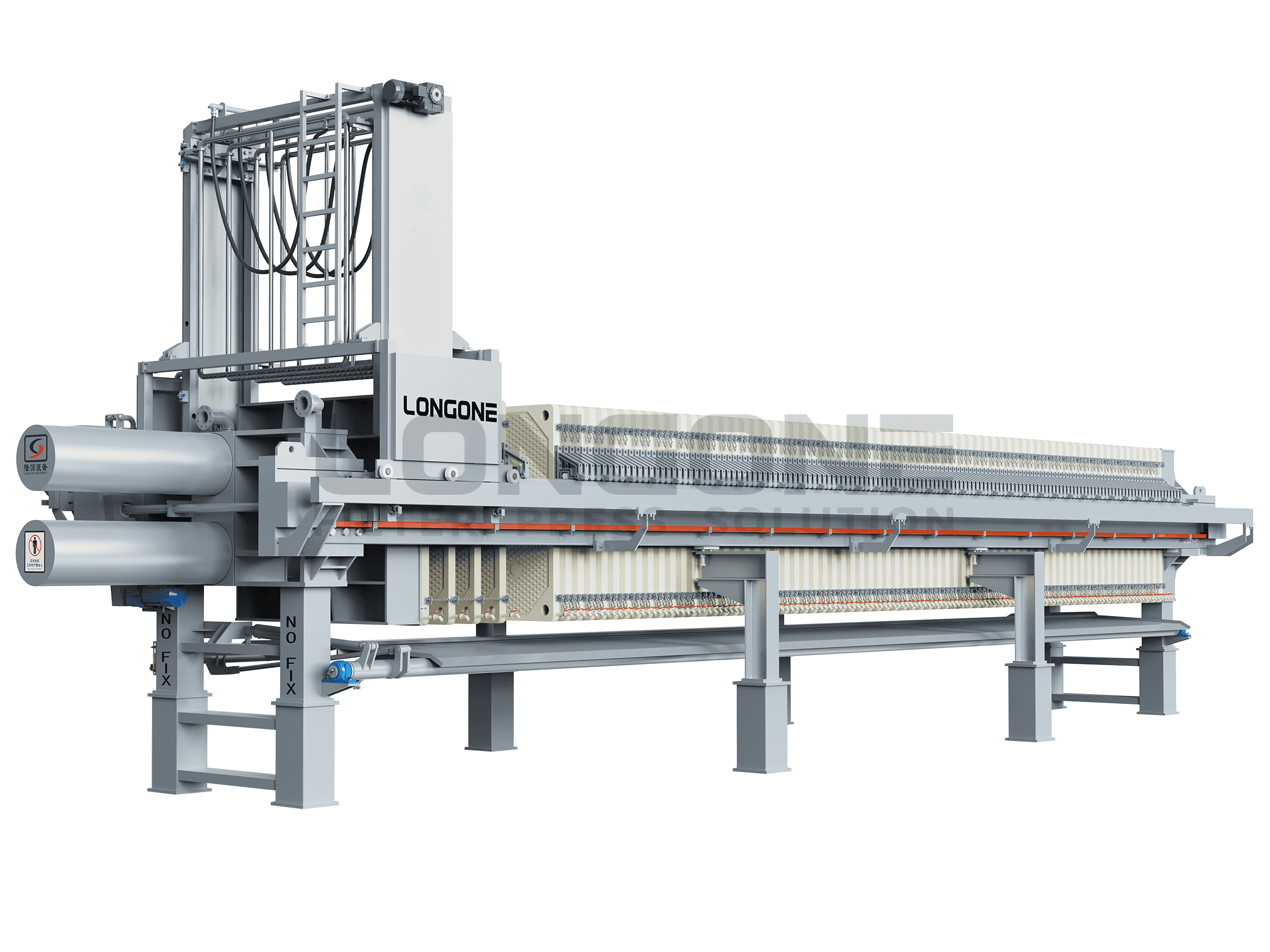
The ultimate success of a fully automatic filter press is often limited not by its advanced controls, but by the precision and quality of its filter plates. Poor plate design, material choice, or manufacturing tolerances lead directly to cake sticking, gasket leaks, and shifter jams—the very issues that undermine and halt an automated system.
The Problem with Incomplete Cake Discharge
This is the single most common failure point. The plate shifter separates the plates, but the filter cake sticks to the cloth instead of dropping cleanly. The system’s photosensors detect the lingering cake and halt the cycle to prevent damage.
- Why it’s a plate problem:
- Surface Finish: A rough or poorly designed drainage surface on the plate can cause the cake to adhere too strongly.
- Fillet Radius: The radius of the corners inside the chamber is critical. A sharp corner will hold cake, while a smooth, molded radius promotes a clean release.
- Material Formulation: The polypropylene formula itself can affect surface properties.
I’ve visited plants where an operator has to stand by with a plastic spatula, ready to scrape cakes from a brand-new automatic press. This completely defeats the purpose of the investment.
Gasket Integrity and Pressure Leaks
An automatic system relies on stable pressure. The gaskets (often CGR or EPDM) that seal each plate are critical. If they wear prematurely, are poorly seated due to bad molding, or if the plate sealing surfaces aren’t perfectly flat, leaks will occur. This high-pressure spray of slurry not only creates a mess and a safety hazard but also triggers pressure-loss alarms that stop the machine. Consistent, high-quality molding is the only way to ensure gasket integrity over thousands of cycles.
Plate Flatness and Shifter Reliability
An automatic plate shifter is a precision device. It’s designed to engage with a stack of plates that are perfectly parallel and uniform. If plates are warped—even slightly—or have inconsistent thicknesses due to poor manufacturing controls, the shifter can jam or misalign. A jam will immediately halt the process. At LONGONE, we maintain extremely tight manufacturing tolerances for plate flatness and thickness for this very reason; it’s essential for a fully automatic filter press.
The Retrofit Trap
A common scenario is a facility upgrading a semi-automatic press to full automation. To save money, they decide to reuse their old filter plate pack. They invest in a new PLC, hydraulic controls, and a plate shifter, then wonder why the system is unreliable. The old plates, which may be warped, worn, or have poor cake-release properties, become the limiting factor. You cannot build a reliable automated system on a faulty mechanical foundation.
Fully Automatic vs. Semi-Automatic Filter Press: Comparison Table?
You’re evaluating filtration solutions and facing a key decision: semi-automatic or fully automatic? The price difference is significant, and the best choice isn’t always obvious. Let’s compare them side-by-side to clarify the trade-offs.
A semi-automatic press requires manual operator involvement for opening the press and discharging the cake, while a fully automatic filter press handles the entire cycle without an operator present, offering significantly higher throughput and lower long-term labor costs.
The decision between these two options is a classic CAPEX vs. OPEX trade-off. A semi-automatic press has a lower initial purchase price (CAPEX), but a higher ongoing operational cost (OPEX) due to the need for manual labor. A fully automatic system is the reverse. The right choice depends entirely on your production volume, labor availability, process consistency needs, and budget.
Here is a direct comparison:
| Feature | Fully Automatic Filter Press | Semi-Automatic Filter Press |
|---|---|---|
| Operator Involvement | Minimal (periodic monitoring only) | Required for plate shifting & cake discharge |
| Labor Cost (OPEX) | Very Low | Moderate to High |
| Cycle Time | Fast & Highly Consistent | Slower & Operator-Dependent |
| Throughput | High and Predictable | Lower and Variable |
| Safety | Higher (minimal manual interaction) | Lower (more direct machine interaction) |
| Initial Cost (CAPEX) | High | Moderate |
| System Complexity | High (PLC, sensors, automated shifter) | Low to Moderate (basic controls) |
| Ideal For | High-volume, 24/7 operations, hazardous materials | Lower volume, batch processes, tight budgets |
Where Full Automation Pays Off—and Where It’s Overkill?
You want the “best” system available, but “best” is relative to your specific operational needs. Over-investing in a level of automation you can’t fully utilize hurts your return on investment. Let’s identify the scenarios where a fully automatic filter press delivers a clear and rapid financial return.
Full automation is clearly justified in high-volume, continuous operations such as large mining sites, municipal wastewater treatment plants, or 24/7 chemical processing facilities. In these cases, the savings in labor costs and the gains from consistent, maximized throughput quickly offset the higher initial investment.
Making the business case for full automation requires looking beyond the purchase price and analyzing the total cost of ownership (TCO).
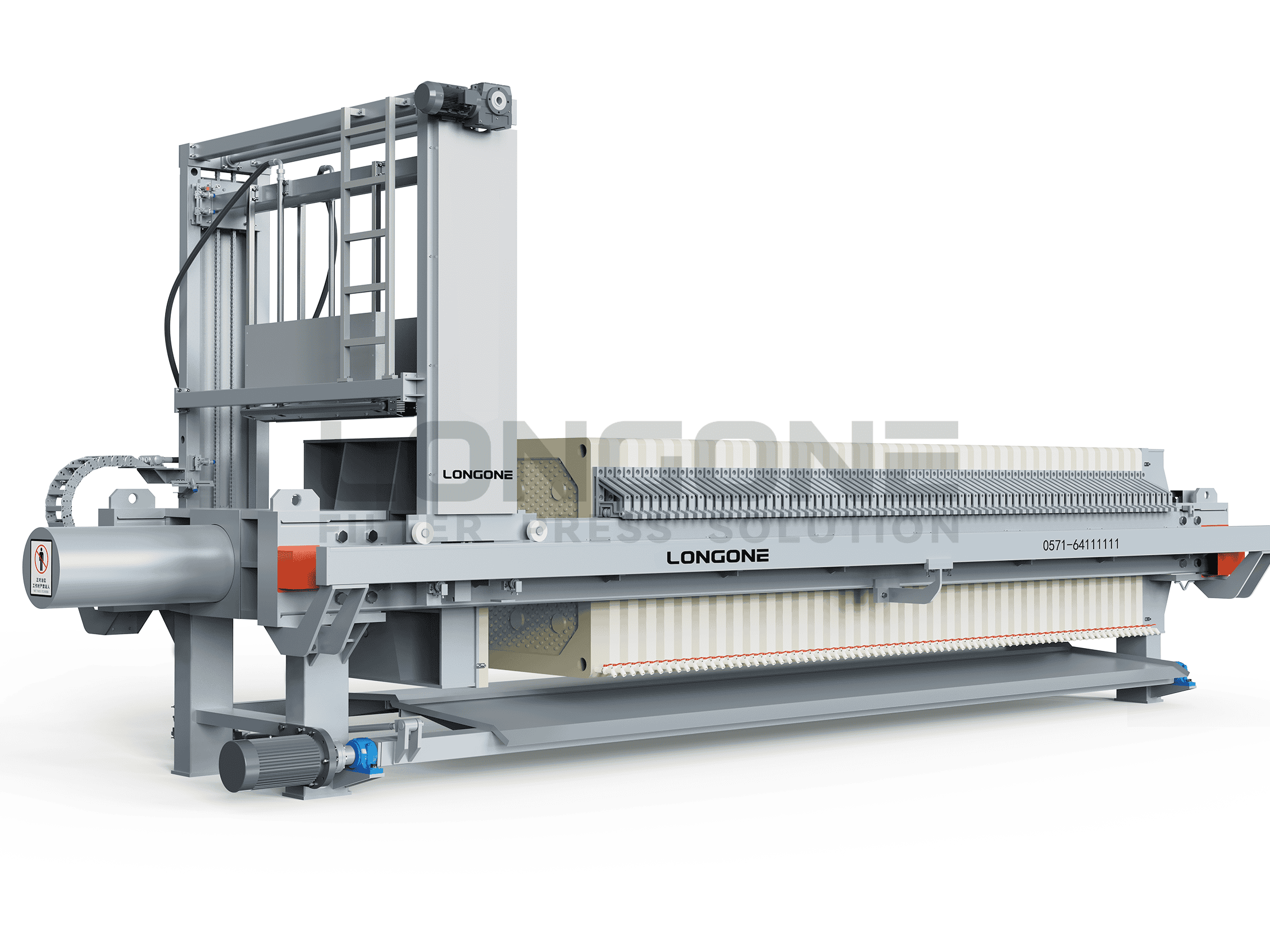
The Business Case for a Fully Automatic Filter Press
This investment is a strong strategic fit when one or more of the following conditions apply:
- High Slurry Volume: In industries like mining tailings dewatering or large-scale manufacturing, the sheer volume of material requires the fastest, most consistent cycle times possible to keep up with production. Manual intervention would create a massive bottleneck. For example, our systems with filtration areas up to 1,600 m² are almost exclusively sold as fully automatic.
- 24/7 Operations: If your plant runs around the clock, automating the filtration process eliminates the need to staff the dewatering station on night and weekend shifts. The press can run unattended, paying for itself in labor savings alone.
- Hazardous or Harsh Environments: When dealing with corrosive chemicals or in environments where operator safety is a primary concern, a hands-off system is invaluable. It minimizes human exposure and reduces the risk of accidents.
- Process Consistency is Critical: For industries like pharmaceuticals or specialty chemicals, perfectly consistent filter cake moisture and composition are required for downstream processes. Automation removes the variability of human operators, ensuring every cycle is identical.
When Semi-Automatic is the Smarter Choice
Full automation is not always the right answer. A semi-automatic press is often the more prudent investment if:
- You run smaller, infrequent batches. In food processing or specialty chemical production, you might only run the press a few times a day. The labor required for manual cake discharge is minimal and doesn’t justify the cost of automation.
- Your budget is tightly constrained. For smaller companies or new projects, the lower CAPEX of a semi-automatic press may be the deciding factor.
- Your filter cake is not “sticky.” If you are dewatering a slurry that forms a cake that releases very easily, the manual discharge process is quick and simple, reducing the advantage of automation.
Frequently Asked Questions
How much operator attention does a fully automatic filter press still need?
Minimal. A well-designed system only needs periodic monitoring and routine maintenance. An operator can typically oversee several units from a central control room, freeing them up for other tasks. They are not involved in the cycle-to-cycle operation of the machine.
Can a semi-automatic filter press be upgraded to fully automatic?
Yes, it is technically possible to retrofit a press with a PLC, new hydraulics, and an automatic plate shifter. However, the success of the upgrade depends heavily on the condition and quality of the existing filter plates. Using old or warped plates is a common reason these upgrade projects fail to deliver reliable automation.
What is the typical ROI for a fully automatic filter press?
The Return on Investment (ROI) varies by application but is driven primarily by labor cost savings and increased production throughput. For high-volume plants running 24/7, the payback period can be as short as 12-24 months. A detailed analysis based on your specific operational costs is essential.
What are common failure points in an automated system?
While control system components can fail, the most frequent “automation” failures are actually mechanical issues stemming from the filter plates. Incomplete cake discharge (sticking), gasket leaks causing pressure faults, and plate shifter jams due to warped plates are the most common culprits.
Does a fully automatic filter press require special filter plates?
Yes, absolutely. For reliable, unattended operation, it demands high-quality filter plates manufactured with precise dimensional tolerances, an excellent surface finish for clean cake release, and durable, perfectly molded gasket seals. Using standard or low-cost plates is the primary bottleneck for achieving true automation.
Conclusion
A fully automatic filter press can transform a dewatering process, delivering significant returns through lower labor costs, higher throughput, and enhanced safety and consistency. However, achieving this is not just about installing an advanced PLC and hydraulic system. As we’ve seen, the promise of automation is fundamentally tied to the mechanical integrity of the system, particularly the quality of the filter plates. Common failures like sticking cakes, pressure leaks, and jammed shifters are not typically control system faults; they are symptoms of underlying problems with plate design and manufacturing quality.
When evaluating a fully automatic filter press, it’s crucial to scrutinize the plates with the same rigor you apply to the control panel and specifications. The true measure of a system’s quality is its ability to run unattended for thousands of cycles, and that reliability is built from the plate up.
If your organization is considering an investment in automated filtration and needs to ensure long-term reliability, our engineering team is available to discuss your application. We can help you evaluate the critical specifications, from the control logic down to the precise design of the filter plates themselves.