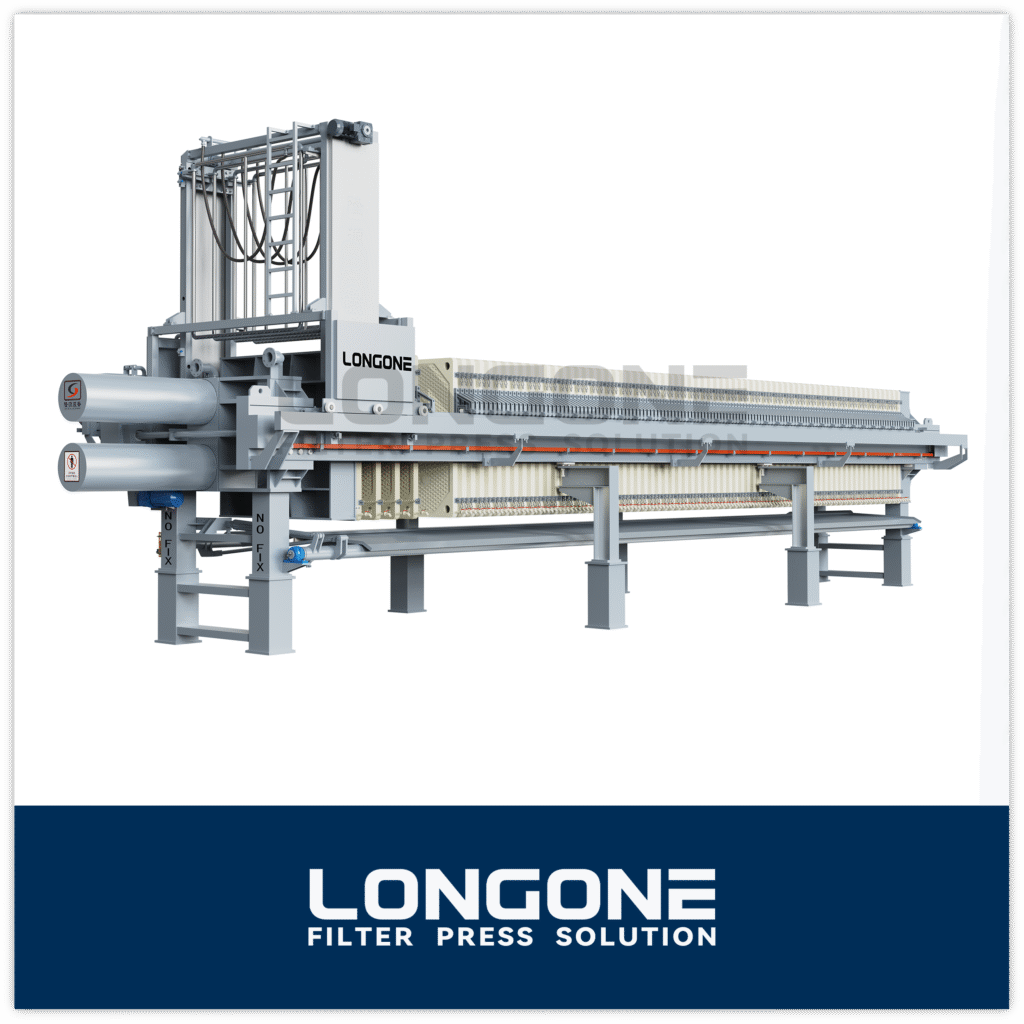
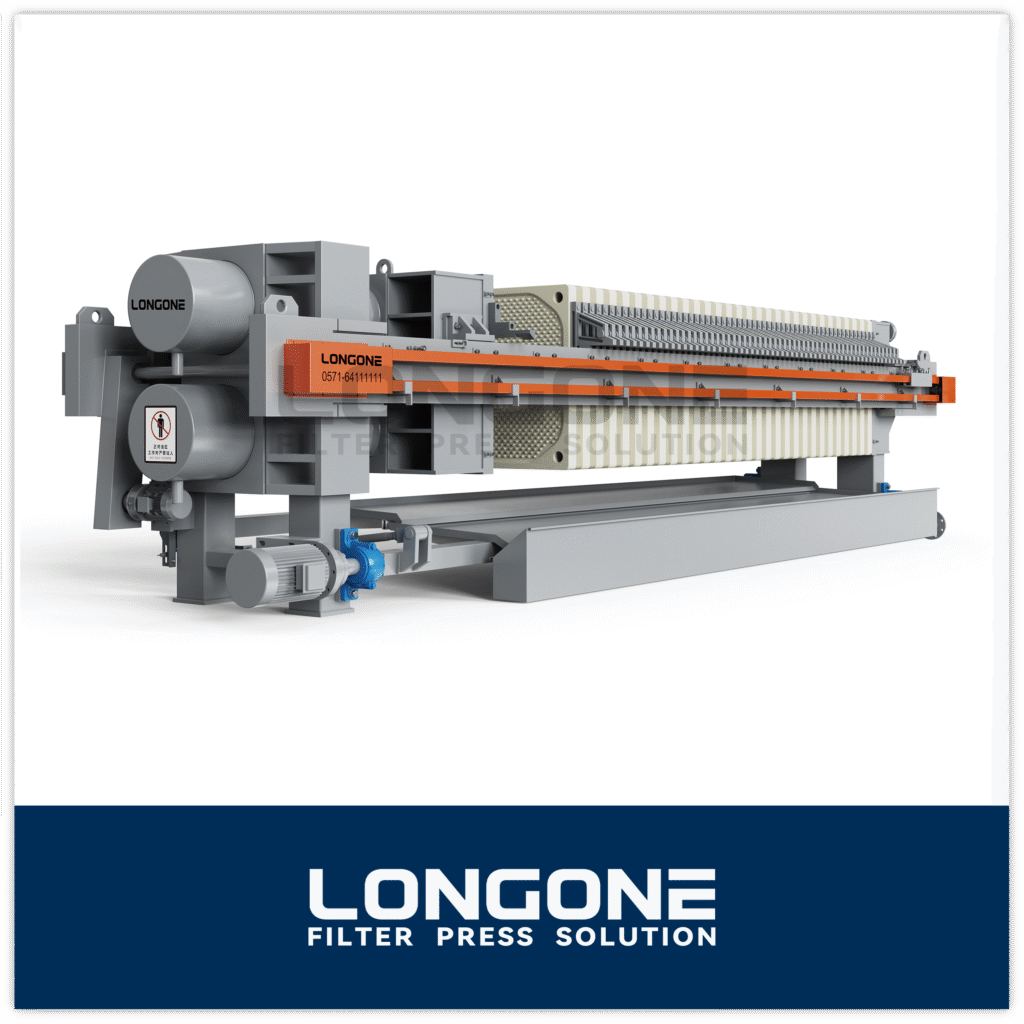
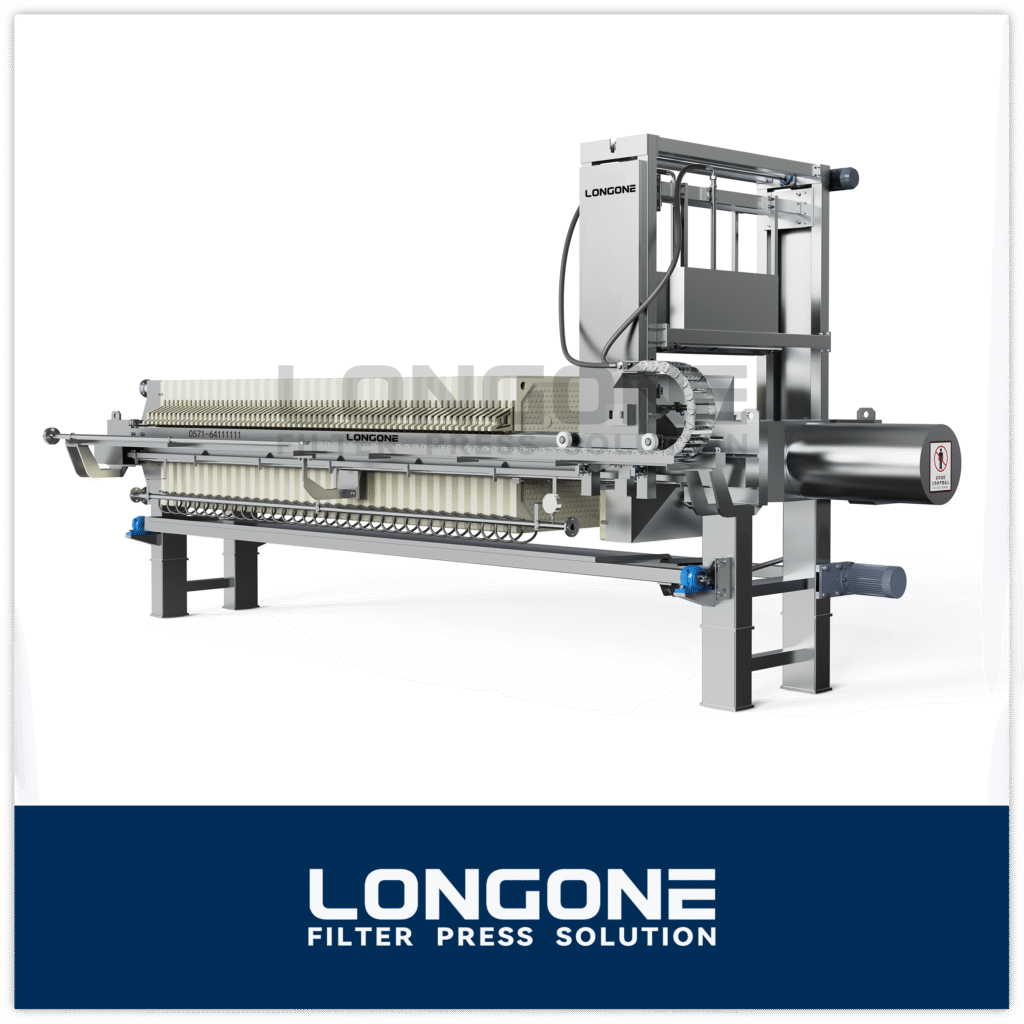
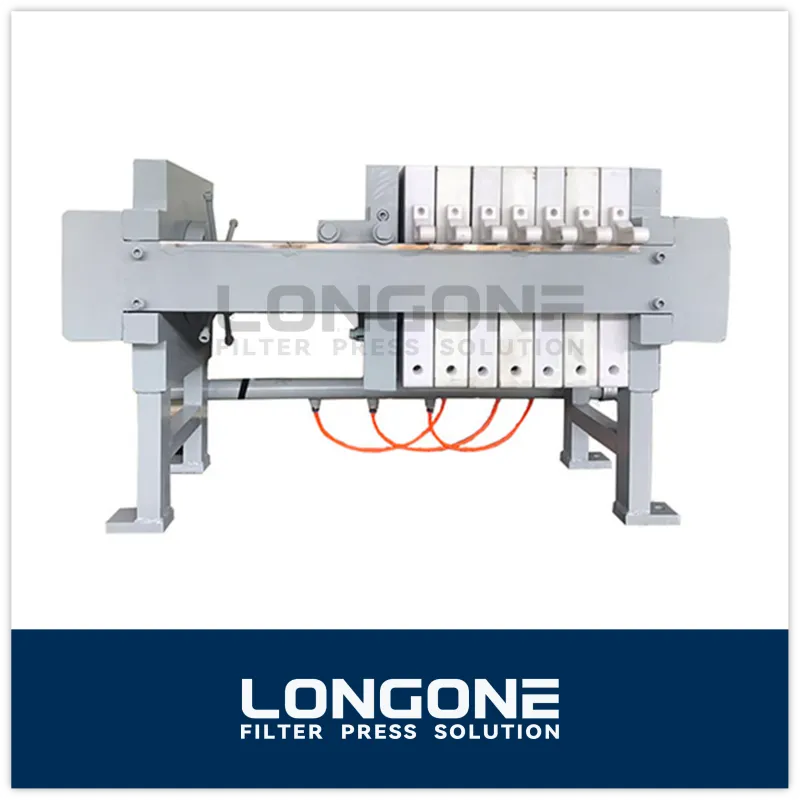
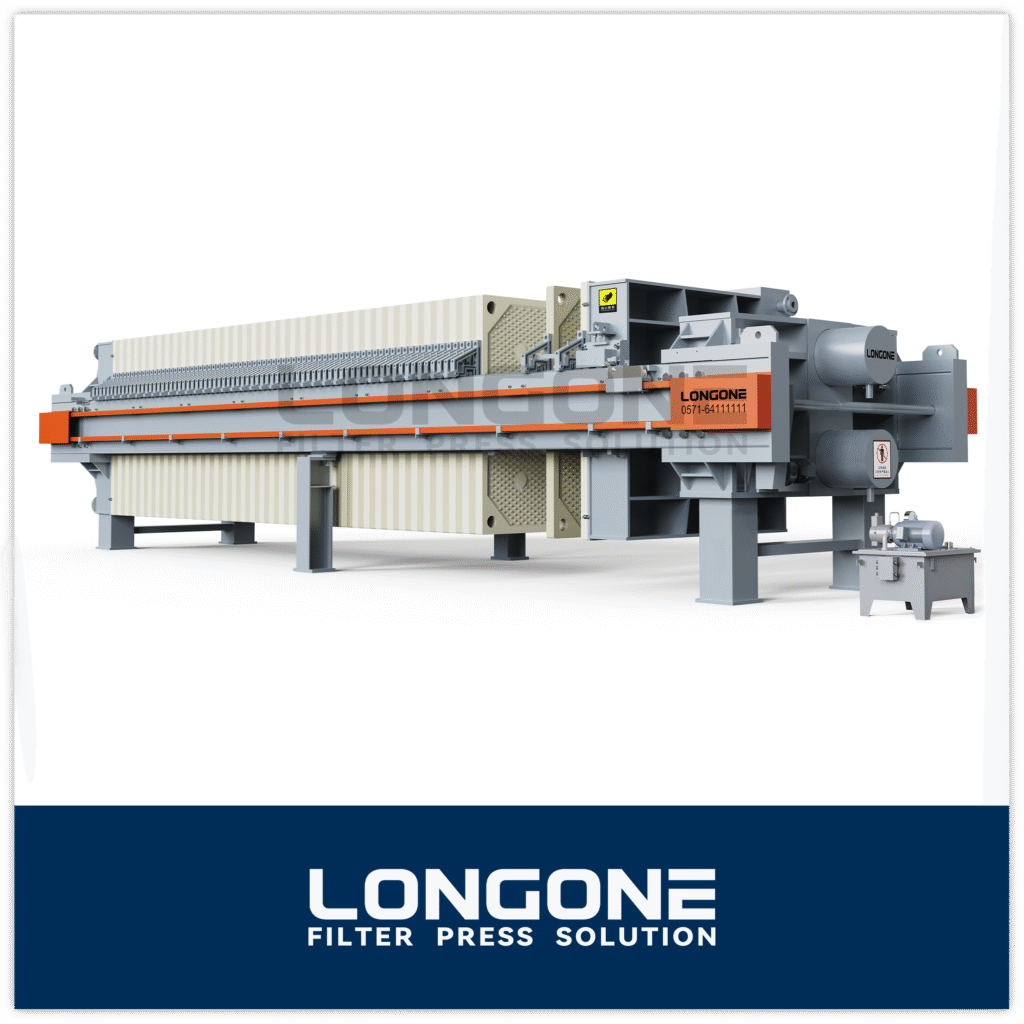
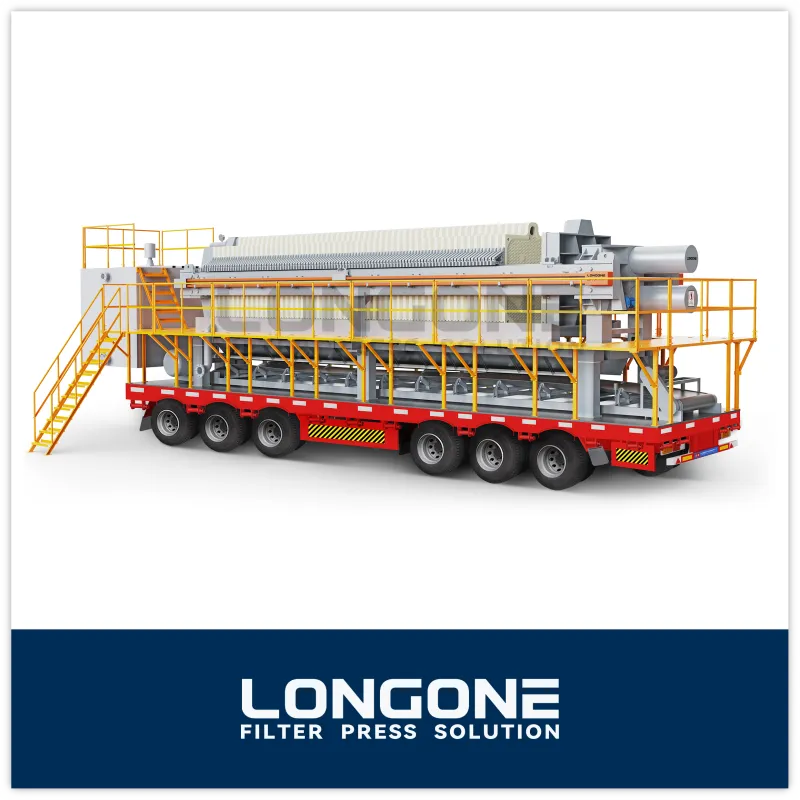
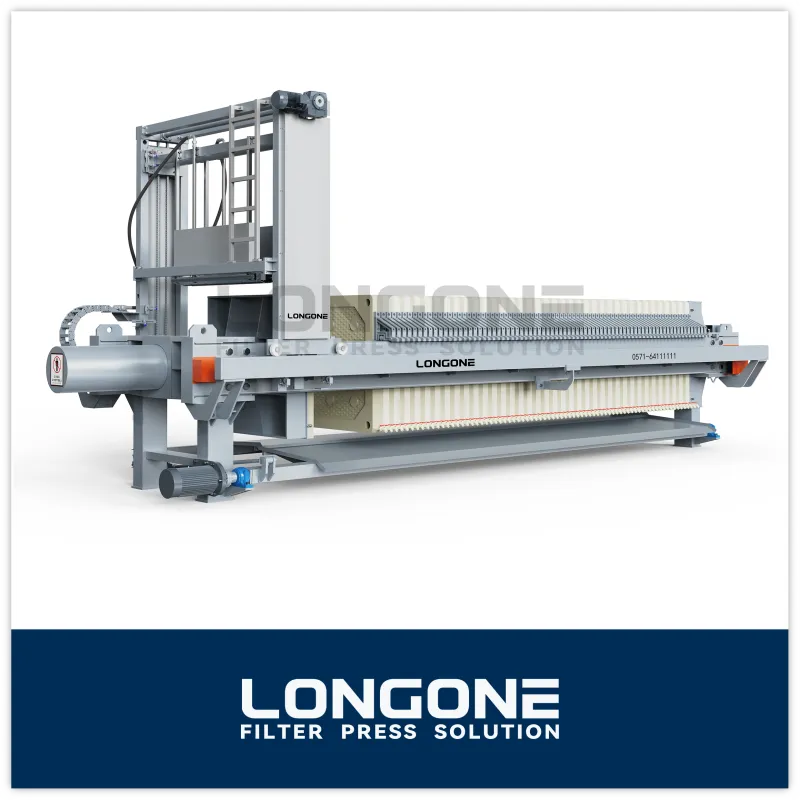
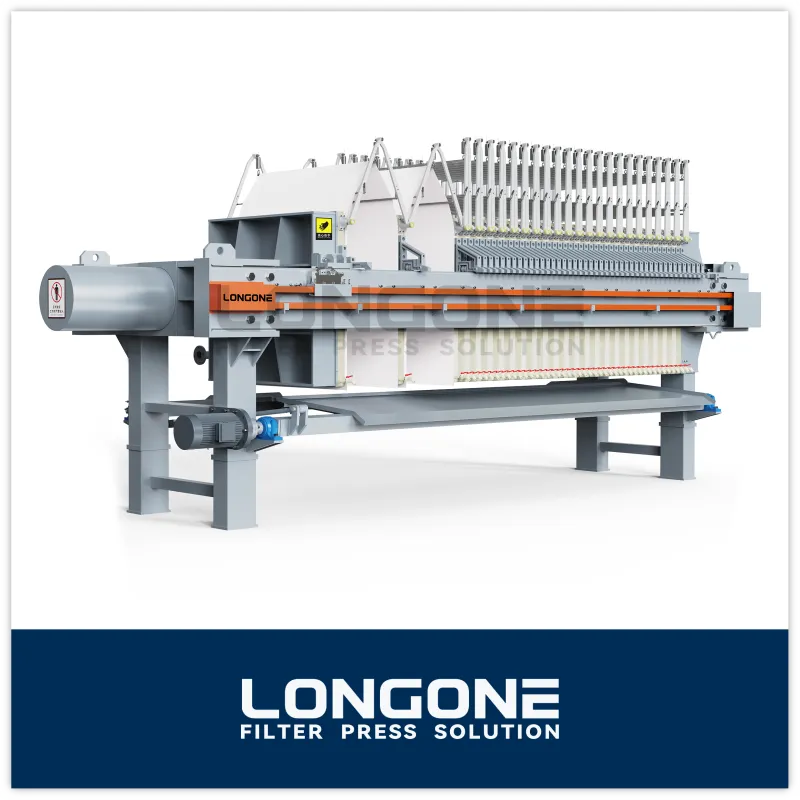
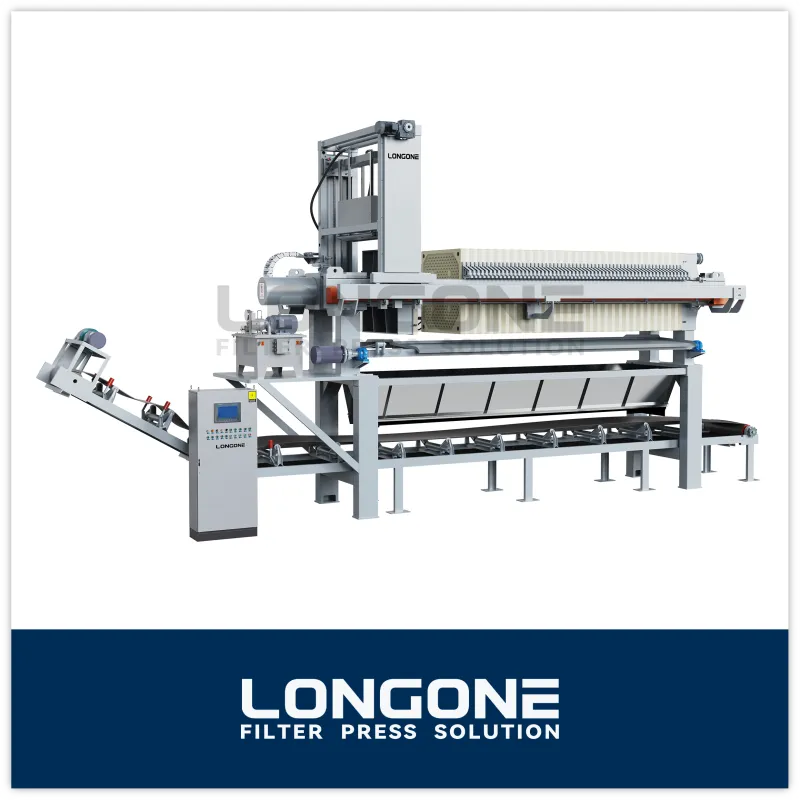
Choosing the wrong filter press size is a costly mistake. An undersized press creates a production bottleneck that slows your entire operation, while an oversized one wastes capital, energy, and valuable floor space. Finding the right balance feels like a high-stakes calculation. This guide provides a clear, engineering-based approach to help you calculate the correct filter press size for your specific solid-liquid separation needs.
To calculate the correct filter press size, you must first determine your process requirements: daily slurry volume, solids concentration, target cake dryness, and operating hours. From these, you calculate the total dry solids to be processed daily and per cycle. This determines the required filter cake volume, which then dictates the necessary total chamber volume, filtration area, and finally, the optimal filter plate size and quantity.
Now that you have the high-level formula for success, let’s break down each of these terms and steps. Understanding the nuances is what separates a rough estimate from an accurately engineered solution that will serve your facility for years to come.
What Does Filter Press Size Actually Mean?
Potential buyers often use the term “size” in ambiguous ways, which can lead to confusing quotes and incorrect equipment. Is “size” the plate dimension, the processing capacity, or the machine’s footprint? Clarifying this is the first step.
The term filter press size is not a single metric. It is a collection of related parameters including filter plate dimensions, total filtration area, chamber volume, number of plates, and overall processing capacity. To get an accurate quote, you must be specific about which metric you are referring to.
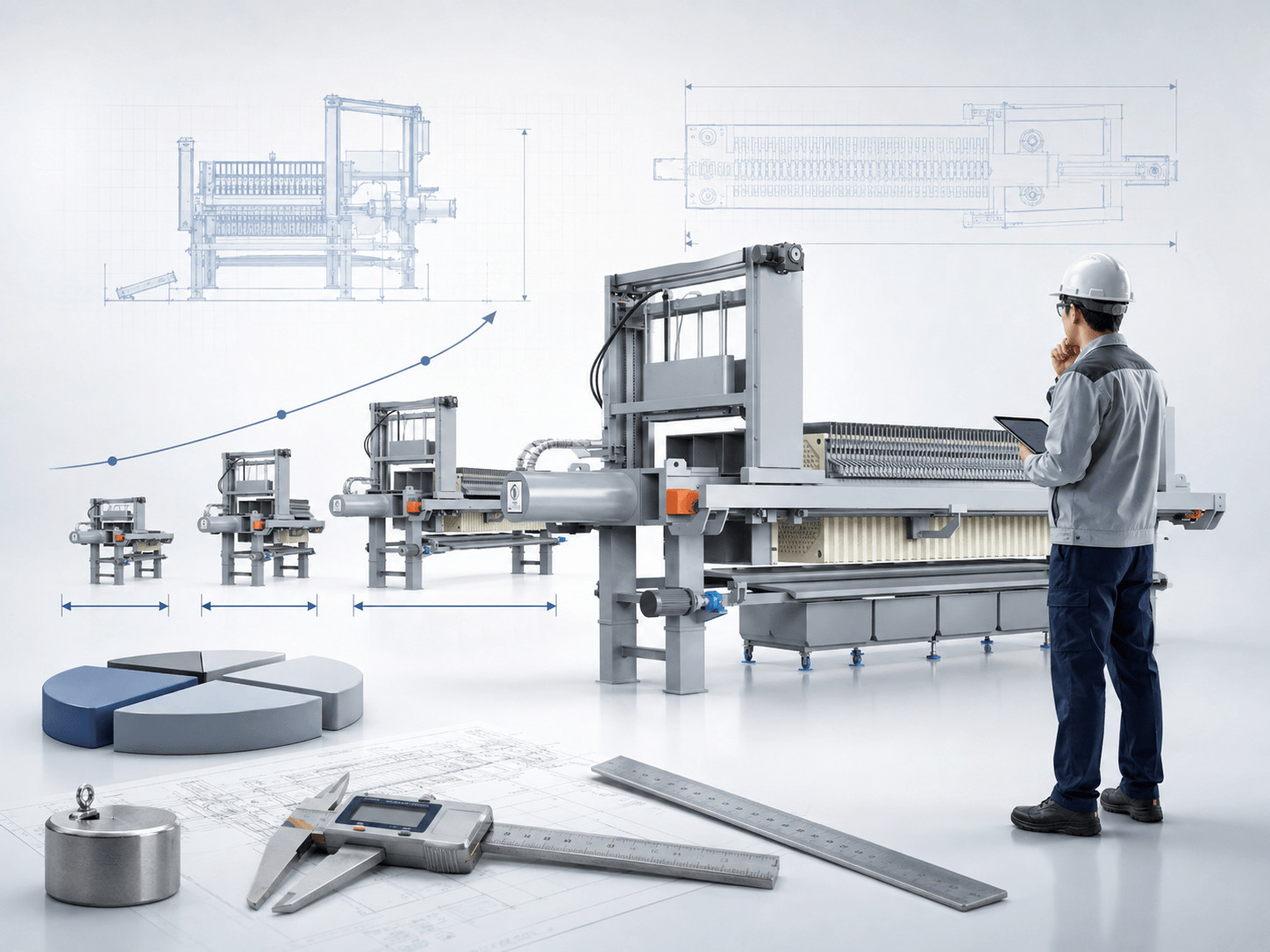
Distinguishing Key Sizing Metrics
When I speak with procurement teams, one of the first things we do is define our terms. A manufacturer might describe a press by its plate dimensions (e.g., a “1200mm press”), but this single data point tells you very little about its actual performance. Two presses using 1200mm plates can have vastly different throughputs.
Let’s clarify the essential concepts you need to know:
- حجم لوحة التصفية: This is the physical dimension of the square filter plates, such as 800mm x 800mm or 1500mm x 1500mm. It is a primary component but does not define the press’s capacity on its own.
- Total Filtration Area (m² or ft²): This is the total surface area available for filtration across all plates in the press. It’s a more accurate indicator of potential throughput than plate size alone. More area generally means faster dewatering.
- Chamber/Cake Volume (L or m³): This is the total volume within the chambers formed between the filter plates when the press is closed. It directly determines how much filter cake the press can hold in a single cycle. This is arguably the most critical metric for sizing.
- Number of Plates/Chambers: The quantity of filter plates determines the total filtration area and chamber volume. A press frame can often be built to accommodate a future increase in the number of plates.
- Processing Capacity (m³/hr or tons/day): This is the ultimate performance metric, indicating how much slurry the press can process or how much dry solid it can produce over a given period. It’s a result of all the other factors combined with your specific slurry characteristics.
- Physical Footprint (L x W x H): These are the external dimensions of the machine, crucial for facility layout and planning.
The most important takeaway is that capacity is a function of volume, not just plate dimensions. For example, a filter press with 50 plates of size 1200mm will have a dramatically lower processing capacity than a press with 100 plates of the same size, assuming all other factors are equal. Always specify your required chamber volume or daily processing target when speaking with a manufacturer.
What Are Some Common Filter Press Plate Sizes and Their Applications?
Seeing where your needs might fit among standard industry sizes can help you benchmark your requirements. Are you dealing with small, high-value batches or enormous volumes of industrial waste?
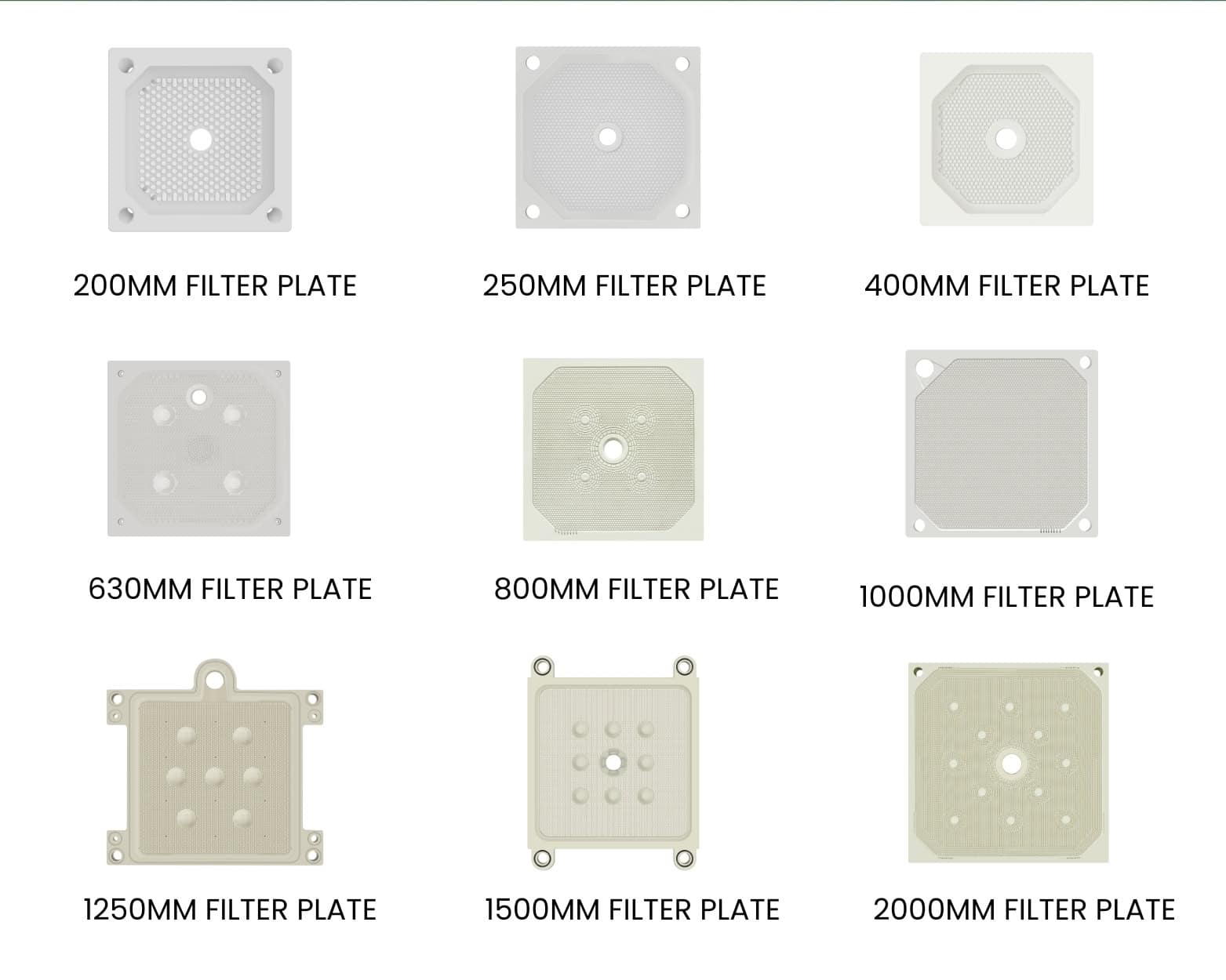
Filter press plate sizes range from small 250mm laboratory models to massive 2000mm units for heavy industry. The appropriate size directly correlates with the required processing volume, from small-batch pharmaceutical production to large-scale dewatering of mining tailings.
Matching Plate Size to Industry Needs
As a manufacturer, we produce a wide spectrum of equipment because our customers’ needs are incredibly diverse. A food processing plant dewatering fruit pulp has very different requirements than a steel mill treating wastewater. Below is a table that outlines common plate sizes and their typical uses.
| Plate Size (mm x mm) | Typical Chamber Volume (Liters) | Common Applications |
|---|---|---|
| 250 x 250 – 470 x 470 | 5 – 50 | Laboratory testing, pilot projects, pharmaceuticals, fine chemicals. |
| 630 x 630 – 800 x 800 | 50 – 500 | Small-scale wastewater treatment, metal finishing, chemical batches. |
| 1000×1000 – 1250×1250 | 500 – 5,000 | Municipal wastewater plants, mid-sized chemical production, food processing. |
| 1500×1500 – 2000×2000 | 5,000 – 20,000+ | Mining and mineral processing, aggregate washing, large industrial sludge. |
Let’s look closer at these categories:
- Small-Scale (250mm – 470mm): These are often used for R&D or for products with very high value per liter, like active pharmaceutical ingredients (APIs). Here, precision, cleanability, and material construction (like stainless steel) are more important than sheer volume.
- Mid-Range (630mm – 800mm): This is a versatile range suitable for many manufacturing facilities. A company producing specialty chemicals or a plant with a dedicated industrial wastewater stream might use a press of this size for daily batch processing.
- Large-Scale (1000mm – 1250mm): This is the workhorse of many municipal and large industrial applications. Municipal wastewater treatment plants (WWTPs) that need to dewater tons of sludge every day rely on presses of this size for their combination of high capacity and manageable footprint.
- Heavy Industrial (1500mm – 2000mm): These giants are reserved for the most demanding applications. I’ve worked with mining clients who need to dewater thousands of tons of tailings per day. For them, maximizing volume per cycle is the single most important goal, making these massive plates the only viable option.
What Determines the Right Filter Press Size?
You now understand the key terms and have seen common sizes. But what specific information do you need to collect from your own process before you can even begin a calculation?
The right filter press size is determined by your specific process data, not a generic chart. The most critical factors are your slurry’s properties (volume, solids content) and your operational goals (target cake dryness, daily operating hours).
The Data You Must Collect
Before an engineer can size a press, they need a complete picture of the challenge. Sizing a press without this data is pure guesswork. The process is “garbage in, garbage out.” Here are the essential parameters you must define.
Slurry and Solids Characteristics
This is the “input” side of the equation—what are you feeding into the press?
- Daily Slurry Volume (V_slurry): How many cubic meters or gallons of slurry do you need to process per day? This is your top-level throughput requirement.
- Solids Concentration (%S): What is the weight percentage of solid particles in your slurry? A 2% slurry has vastly different dewatering needs than a 20% slurry. This is one of the most sensitive variables in the calculation.
- Slurry Density (ρ_slurry): The mass per unit volume of your slurry (e.g., in kg/m³).
- Filtrability: This is a qualitative but critical measure of how easily water passes through the filter cake formed by your solids. Some solids are slimy and “blind” the filter cloth, leading to long cycle times. Others are crystalline and dewater quickly. Slurry testing is often essential to determine this and to select the right filter cloth and chemical conditioning (if any).
Operational Goals and Constraints
This is the “output” side—what results do you need, and under what conditions?
- Target Cake Dryness (%D): What is the target percentage of solids in the final filter cake? A higher dryness level may be required for landfill disposal regulations or if the cake is your final product. This directly impacts the final cake volume.
- Operating Hours (T_op): How many hours per day will the filter press be in operation? A press running one 8-hour shift has to be much larger than one running 24/7 to process the same total volume.
- Estimated Cycle Time (T_cycle): A full filter press cycle includes filling, filtration, final squeezing (if applicable), and cake discharge. This can range from 30 minutes to several hours depending on the slurry’s filtrability, cake thickness, and level of automation. A realistic estimate is crucial.
How Do I Calculate the Required Filter Press Size Step by Step?
Feeling overwhelmed by all the variables? This section puts it all together into a logical, step-by-step calculation that demystifies the filter press sizing process.
To calculate the required filter press size, first determine the daily dry solids mass from your slurry volume and concentration. Next, divide this by the number of cycles per day to find the solids mass per cycle. Finally, use this to calculate the required filter cake volume per cycle, which directly equals the necessary press chamber volume.
A Worked Example
Let’s walk through a practical example. Assume the following process requirements:
- Daily Slurry Volume (V_slurry): 80 m³/day
- Slurry Density (ρ_slurry): 1050 kg/m³ (slightly denser than water)
- Solids Concentration (%S): 5% by weight
- Operating Hours (T_op): 16 hours/day
- Estimated Cycle Time (T_cycle): 2 hours
- Target Cake Dryness (%D): 35% solids by weight
- Estimated Cake Density (ρ_cake): 1200 kg/m³ at 35% solids
Step 1: Calculate Daily Dry Solids Mass (M_solids)
This tells you the total mass of solid material you need to capture each day.
- Formula:
M_solids = V_slurry × ρ_slurry × (%S / 100) - Calculation:
M_solids = 80 m³/day × 1050 kg/m³ × 0.05 = 4,200 kg/day
Step 2: Calculate Required Cycles per Day (N)
This determines how many batches the press will run.
- Formula:
N = T_op / T_cycle - Calculation:
N = 16 hours/day / 2 hours/cycle = 8 cycles/day
Step 3: Calculate Required Solids Mass per Cycle (M_cycle)
This tells you how much dry solid material the press must hold in each batch.
- Formula:
M_cycle = M_solids / N - Calculation:
M_cycle = 4,200 kg/day / 8 cycles = 525 kg/cycle
Step 4: Calculate Required Filter Cake Volume per Cycle (V_cake)
This is the most important step. It tells you the physical volume of cake the press must hold. This value is equal to the required Total Chamber Volume of the filter press.
- First, find the total mass of the wet cake:
Mass_wet_cake = M_cycle / (%D / 100) - Calculation:
Mass_wet_cake = 525 kg / 0.35 = 1500 kg - Then, find the volume of that wet cake:
V_cake = Mass_wet_cake / ρ_cake - Calculation:
V_cake = 1500 kg / 1200 kg/m³ = 1.25 m³ - Convert to liters for convenience:
1.25 m³ × 1000 = 1250 Liters
Step 5: Select Plate Size and Number of Plates
Now we take our required chamber volume of 1250 L and find a press configuration that provides it. We consult manufacturer specification sheets.
- Let’s consider a 1000mm x 1000mm plate with a 30mm cake thickness. One chamber might provide approximately 22 Liters of volume.
- Number of Chambers needed:
1250 L / 22 L/chamber ≈ 56.8 - We always round up, so we need 57 chambers.
- A press with 57 chambers requires 58 plates (one head plate, one tail plate, and 56 middle plates).
Conclusion of Calculation: Based on this data, the client needs a filter press with a total chamber volume of at least 1250 Liters. A suitable configuration would be a 1000mm filter press with 58 plates, creating 57 chambers with a 30mm cake thickness.
Disclaimer: This is a simplified educational calculation. Real-world sizing requires confirmation through slurry testing to verify cycle time, cake density, and achievable dryness. Always work with a qualified filtration engineer from a reputable manufacturer like Longone to finalize your specifications.
What Are the Most Common Filter Press Sizing Mistakes to Avoid?
A small error in your assumptions can lead to a major investment mistake. I’ve seen companies have to buy a second press or run their facility 24/7 because of a preventable sizing error.
The most common filter press sizing mistakes include ignoring slurry variability, being too optimistic about cycle times, focusing only on plate dimensions instead of total volume, and failing to plan for future capacity needs.
How to Prevent Sizing Errors
Forewarned is forearmed. Keep these common pitfalls in mind during your evaluation process.
- Ignoring Slurry Variability: Your process stream is likely not perfectly consistent day-to-day. Solids concentration may drop, or the particle composition may change. A press sized for the “average” day will fail on a “bad” day. Always size your press based on the most challenging realistic conditions (e.g., lowest solids concentration) to ensure it can always keep up.
- Underestimating Cycle Time: A laboratory test in a beaker might suggest a very fast filtration rate. However, a full industrial cycle includes pump ramp-up, core blow, membrane squeeze (if applicable), cake discharge, and sometimes cloth washing. A realistic cycle time is often 2-4 times longer than the pure filtration time. I always advise clients to be conservative and add a safety margin to their cycle time estimate.
- Focusing Only on Plate Size: As we’ve stressed, asking for a “1200mm press” is meaningless without specifying the number of plates or the required chamber volume. This is the most frequent point of confusion I see. Always lead with your required capacity in liters or m³.
- Forgetting Future Growth: Sizing a filter press exactly for today’s production volume leaves no room for business growth. A wise strategy is to purchase a press with a frame (sidebars) that is longer than currently needed. This allows you to easily add more filter plates in the future to increase capacity at a minimal cost compared to buying a whole new press.
- Neglecting Ancillary Equipment: The filter press is the heart of the system, but it doesn’t work alone. The feed pump must be sized to provide the right pressure and flow rate. The air compressor must be able to handle membrane squeeze and other pneumatic functions. The cake discharge system (conveyor or bin) must handle the volume of cake produced. All components must be sized as a complete system.
خاتمة
Selecting the right filter press size is not about picking a model from a catalog; it is a crucial engineering calculation based on your unique process. By moving beyond simple plate dimensions and focusing on the core metrics of slurry characteristics and operational goals, you can accurately determine your required chamber volume. This process-driven approach ensures you specify a machine that is neither too small to handle your load nor too large to be economical. Remember to start with your daily solids load, calculate the required cake volume per cycle, and then work with an expert to translate that into a specific plate size and number.
في لونجون, our engineering team lives and breathes these calculations. We understand that your success depends on getting this right. If you have your process data ready, contact us. We can help you perform a detailed analysis, recommend slurry testing, and design a complete, customized filtration system with the perfect filter press size to optimize your operations and maximize your return on investment.