Filter press dewatering is one of the most widely specified solid-liquid separation methods in industrial processing — yet it is also one of the most frequently misunderstood. Many procurement teams focus on pressure ratings or brand names. What actually determines your project’s success, however, is the moisture content of the final filter cake. Get that number wrong, and disposal costs, transport weight, and downstream reuse potential all suffer.
The moisture content of a filter cake is the single most useful metric for evaluating filter press dewatering performance. A well-matched press, running on a correctly conditioned feed slurry with the right filter cloth and cycle settings, can achieve cake moisture between 15% and 55% depending on the material. No single figure applies to all slurries. Buyers should always specify a target moisture range before comparing equipment options.

Understanding what drives cake dryness — and how to measure and improve it — gives procurement engineers and plant managers a far more reliable basis for equipment selection than any datasheet alone. The sections below walk through each factor in practical order.
Why Cake Moisture Content Is the Core Metric of Filter Press Dewatering?
Most performance comparisons start with throughput or cycle time. But those numbers mean little if the resulting cake is too wet for your disposal or reuse path.
Cake moisture content — expressed as the percentage of water remaining in the pressed solids — directly controls three downstream costs: waste disposal fees (often charged by weight), transport tonnage, and the energy required for any secondary drying. A 5-percentage-point reduction in moisture can cut hauling costs by more than 20%, based on typical waste-transport pricing structures.
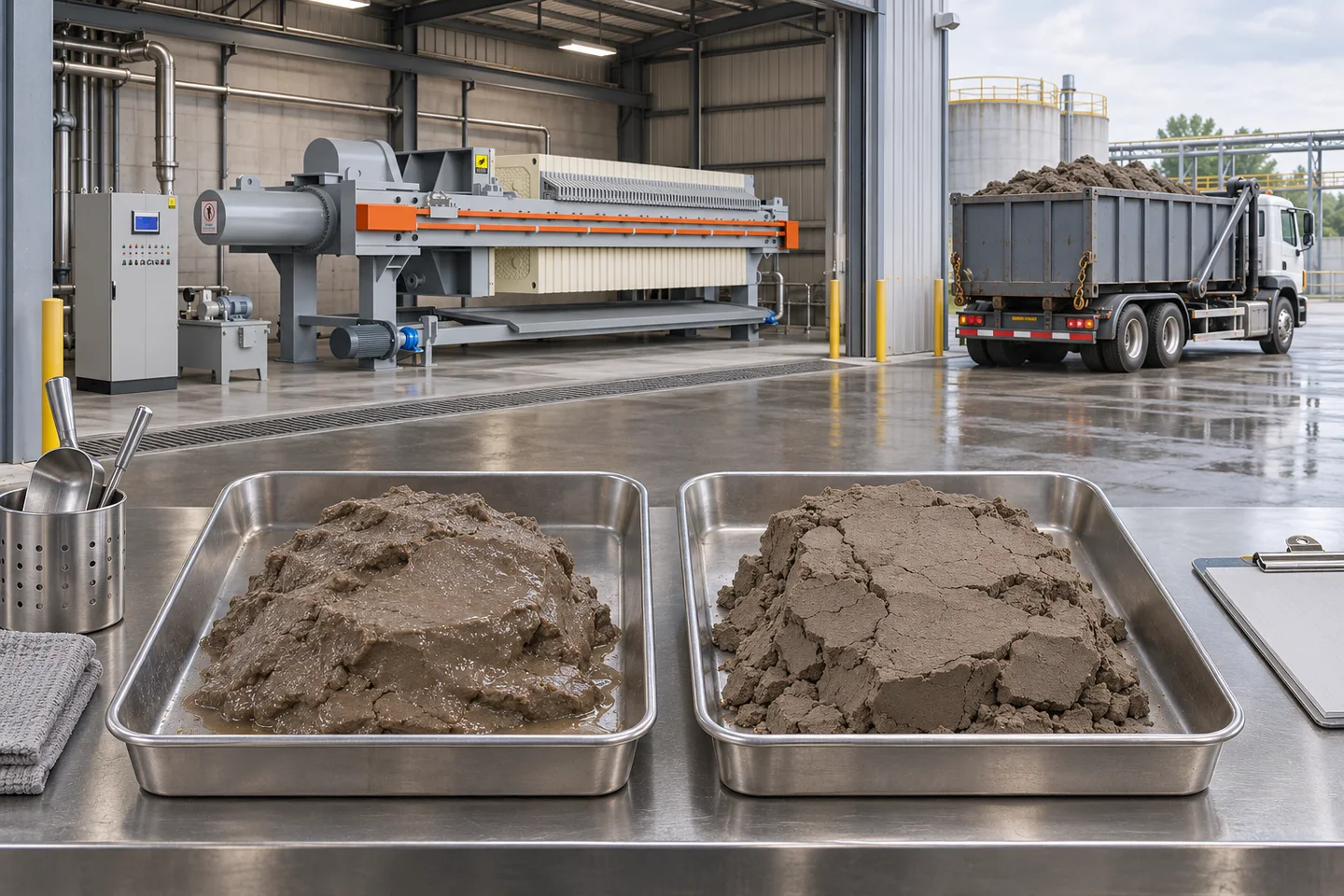
That relationship explains why cake dryness deserves to be the primary specification in any filter press procurement project, not an afterthought.
Why weight matters so much
Wet cake is heavy cake. For every 1,000 kg of solids in a sludge stream, an extra 10 percentage points of moisture adds roughly 110 kg of water to the load. Multiply that across dozens of truckloads per month, and the cost difference becomes significant at virtually any disposal pricing level.
Why moisture also affects reuse and incineration
- Landfill disposal: Most facilities impose a maximum moisture limit — commonly around 60% for sludge — before accepting a cake for burial.
- Cement kiln co-processing: Requires moisture typically below 40%, and often below 35%, so the cake contributes heat value rather than consuming it.
- Mine backfill: Cake must be firm enough to handle without slumping. Moisture above 30–35% can disqualify a material from this application entirely.
- Agricultural land application: Regulatory moisture thresholds vary by country, but stable, drier cake reduces odour and pathogen risk during spreading.
Setting a clear moisture target before specifying equipment is not an optional step. It defines which filter press type, which filter cloth, and which cycle configuration will actually solve your problem.
How to Measure Filter Cake Moisture: The Oven-Drying Method Step by Step?
Before you can improve cake dryness, you need a reliable, reproducible measurement. Many sites use quick moisture meters, but those can drift or give surface-only readings.
The oven-drying (gravimetric) method is the standard laboratory technique for measuring filter cake moisture content. It involves weighing a fresh cake sample, drying it to constant weight at 105 °C, and calculating the moisture percentage from the mass loss. It is simple, low-cost, and gives results that are comparable across sites and suppliers.

The procedure itself takes under 24 hours and requires only a lab balance and a drying oven. Any quality-control team can run it without specialist equipment.
Step-by-step procedure
- Collect a representative sample. Take a core sample from at least three different positions across the cake — centre and two corners. Mix them together.
- Weigh the wet sample immediately. Record as W₁. Use a tared container that can go into the oven.
- Dry at 105 °C for a minimum of 4 hours, or until two consecutive hourly weighings differ by less than 0.1%.
- Weigh the dry sample. Record as W₂.
- Calculate: Moisture % = (W₁ − W₂) / W₁ × 100
Practical tips for accurate results
- Collect samples immediately after the press opens. Evaporation begins the moment the cake is exposed to air.
- Avoid taking samples from the cloth surface only — these are drier than the cake interior.
- Run at least three replicates and report the average.
- For slurries that contain volatile organics, 105 °C may cause mass loss beyond water. In those cases, use a lower drying temperature (60–80 °C) and note the method used.
A consistent measurement protocol also makes it possible to compare results between different production runs, or between your site and a supplier’s pilot test facility.
How Slurry Characteristics Affect Filter Press Dewatering Results?
Equipment matters, but feed slurry characteristics often matter more. Two plants running identical filter presses can achieve very different cake moisture values simply because their feeds are different.
The key slurry characteristics that affect filter press dewatering results are: particle size distribution, solid concentration, the presence of colloidal or bound water, pH, and temperature. Fine-particle or high-organic feeds are fundamentally harder to dewater than coarse, mineral-dominant slurries — regardless of the press type selected.
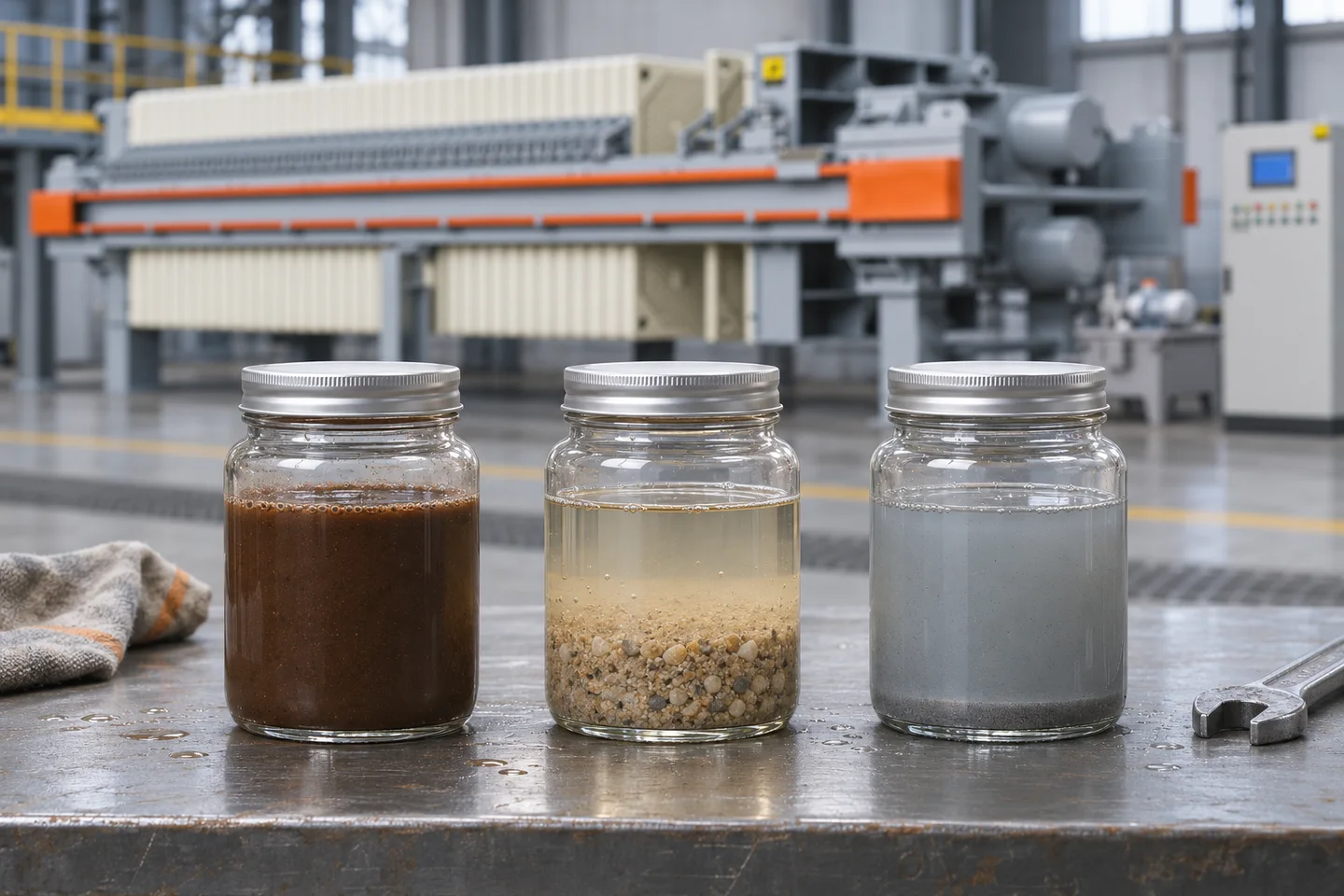
Understanding your slurry before specifying equipment is not optional — it is the starting point for every honest equipment recommendation.
Particle size and filterability
Coarse particles (above ~100 µm) form a porous, permeable cake that drains quickly. Fine particles — especially clays, biological sludge flocs, or precipitated metal hydroxides — form dense, low-permeability cakes that hold water under pressure. Grinding or precipitation upstream can dramatically worsen filterability even before the slurry reaches the press.
Bound water vs. free water
- Free water sits between particles and is released relatively easily under pressure.
- Bound water is chemically or physically attached to particle surfaces or trapped inside biological cells. Pressure alone cannot remove bound water effectively.
Municipal activated sludge is a classic example: it contains a high proportion of bound water inside microbial cell walls. Without chemical conditioning (typically polymer flocculants, sometimes lime), no amount of filter press pressure reliably drops cake moisture below roughly 70–75%.
Chemical conditioning
Adding polymer or coagulant before the press changes the slurry’s filterability dramatically by:
- Aggregating fine particles into larger, more permeable flocs
- Releasing some bound water from biological matrices
- Reducing cake compressibility
The correct polymer type, dose, and mixing conditions are slurry-specific. A conditioning test on your actual feed is the only reliable way to establish the right approach. No supplier can specify this correctly from a data sheet alone.
Typical Cake Moisture Ranges: Municipal Sludge, Sand Washing and Mining Slurry?
Different materials have different dewatering potential. Knowing the typical achievable range for your material helps set realistic project targets.
Achievable filter cake moisture ranges vary widely by material type, filter press configuration, and conditioning. The table below shows indicative ranges for common industrial applications. These are ranges observed in practice — not guaranteed figures — because actual results depend on feed characterisation and operating conditions.
| Material Type | Standard Chamber Press | غشاء مرشح الصحافة | Notes |
|---|---|---|---|
| Municipal WWTP sludge (digested) | 65–75% | 55–65% | Requires polymer conditioning |
| Municipal WWTP sludge (activated) | 75–85% | 65–75% | High bound water; lime or polymer needed |
| Sand-washing slurry | 15–25% | 12–20% | Coarse particles; easy to dewater |
| Coal washing tailings | 25–40% | 20–35% | Varies with clay content |
| Iron ore concentrate | 20–30% | 15–25% | Moderate filterability |
| Copper/zinc flotation tailings | 30–45% | 25–40% | Fines content is the key variable |
| Chemical precipitation sludge | 50–70% | 40–60% | Wide range depending on precipitate type |
| Food processing waste | 60–80% | 50–70% | Organic binders; conditioning critical |
Important: These ranges are illustrative. Your material may fall outside them depending on specific feed composition, temperature, and upstream processing. Always test before committing to a moisture target in a supply contract.
Key Operating Factors That Improve Filter Press Dewatering Performance?
Even a well-matched press will underperform if operating parameters are set incorrectly. Understanding these factors gives plant engineers direct levers to pull.
The key operating factors that affect filter cake dryness are: feed pressure and ramp profile, filtration cycle time, membrane squeeze pressure and duration (where applicable), and filter cloth condition. Optimising these parameters on a correctly specified press can reduce cake moisture by 5–15 percentage points compared to default factory settings.

Each factor interacts with the others, so optimisation is iterative rather than a one-time adjustment.
Feed pressure and ramp profile
Applying full feed pressure too quickly can blind the cloth with fine particles before a cake bridge forms. A stepped or ramped pressure increase — starting at 2–4 bar and rising to maximum over 10–20 minutes — allows an initial permeable cake layer to form first, which then acts as a pre-coat for the rest of the cycle.
Cycle time
Extending the filtration phase beyond the point of diminishing filtrate return wastes capacity without improving cake dryness. Plotting filtrate volume against time reveals an inflection point where flow rate drops sharply. That is the correct end-point for the filtration phase. Running beyond it adds time without benefit.
Membrane squeeze stage
For membrane filter plates, the squeeze phase — where high-pressure water or air inflates a flexible membrane against the cake — is typically where the largest dryness improvement occurs. Squeeze pressures of 10–16 bar, held for 20–60 minutes depending on the material, commonly reduce cake moisture by 5–12 percentage points compared to pumping alone.
Filter cloth selection and maintenance
A clogged or mismatched filter cloth restricts flow and shortens cake release. Key cloth parameters include:
- Air permeability — governs flow rate
- Fibre type — polypropylene suits most acidic/neutral slurries; polyester suits some alkaline applications
- Weave pattern — monofilament weaves release cake better; multifilament weaves offer higher particle retention
Cloth washing intervals should be established by monitoring filtrate clarity and cycle time trends, not by fixed calendar schedules.
How to Choose the Right Filter Press for Your Target Cake Dryness?
Filter press selection starts from the material and the target, not from a catalogue page.
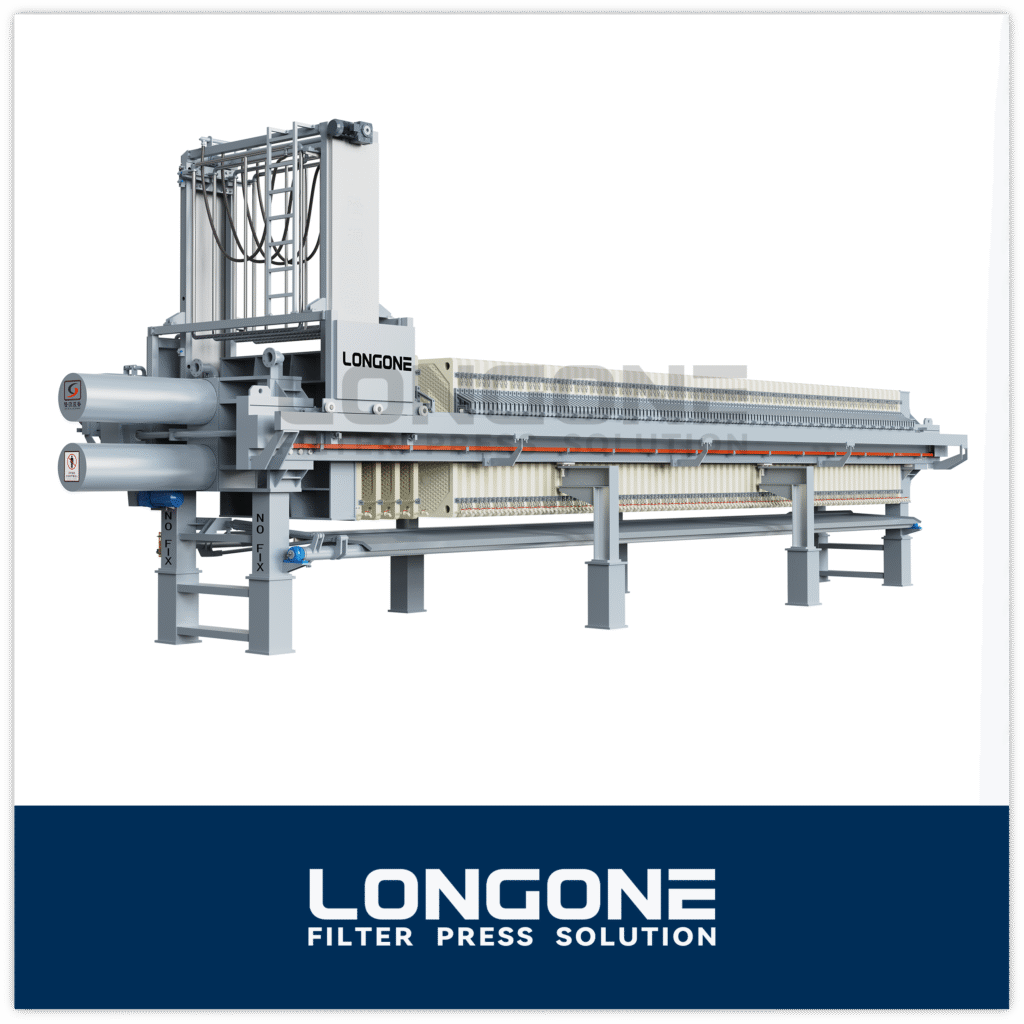
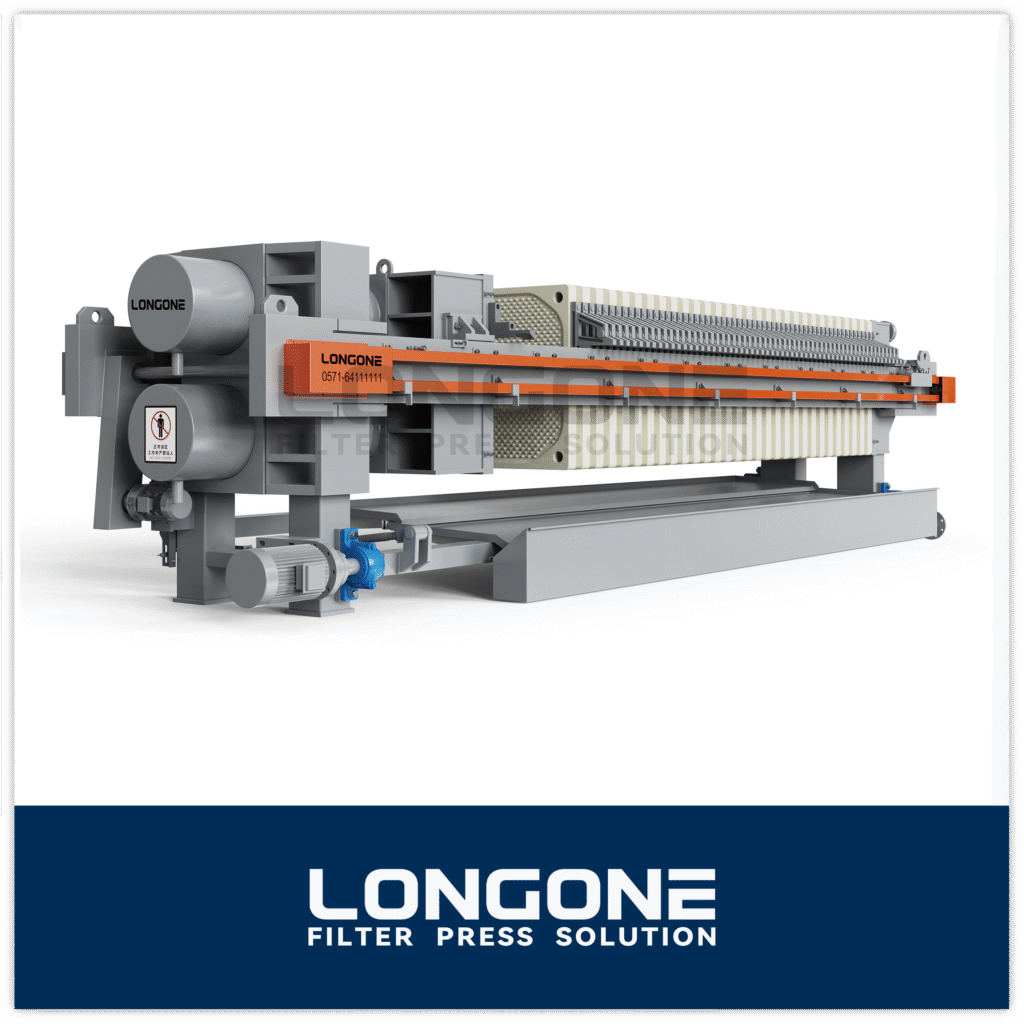
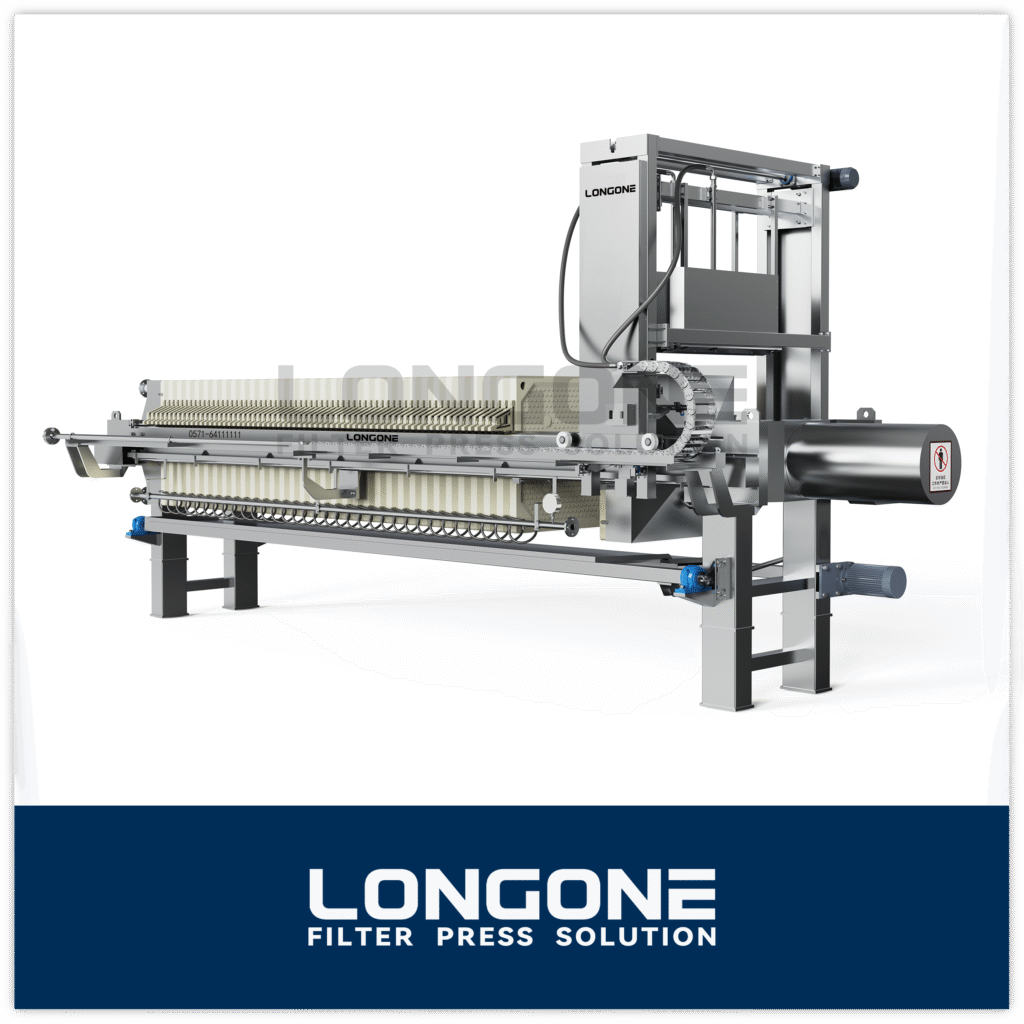
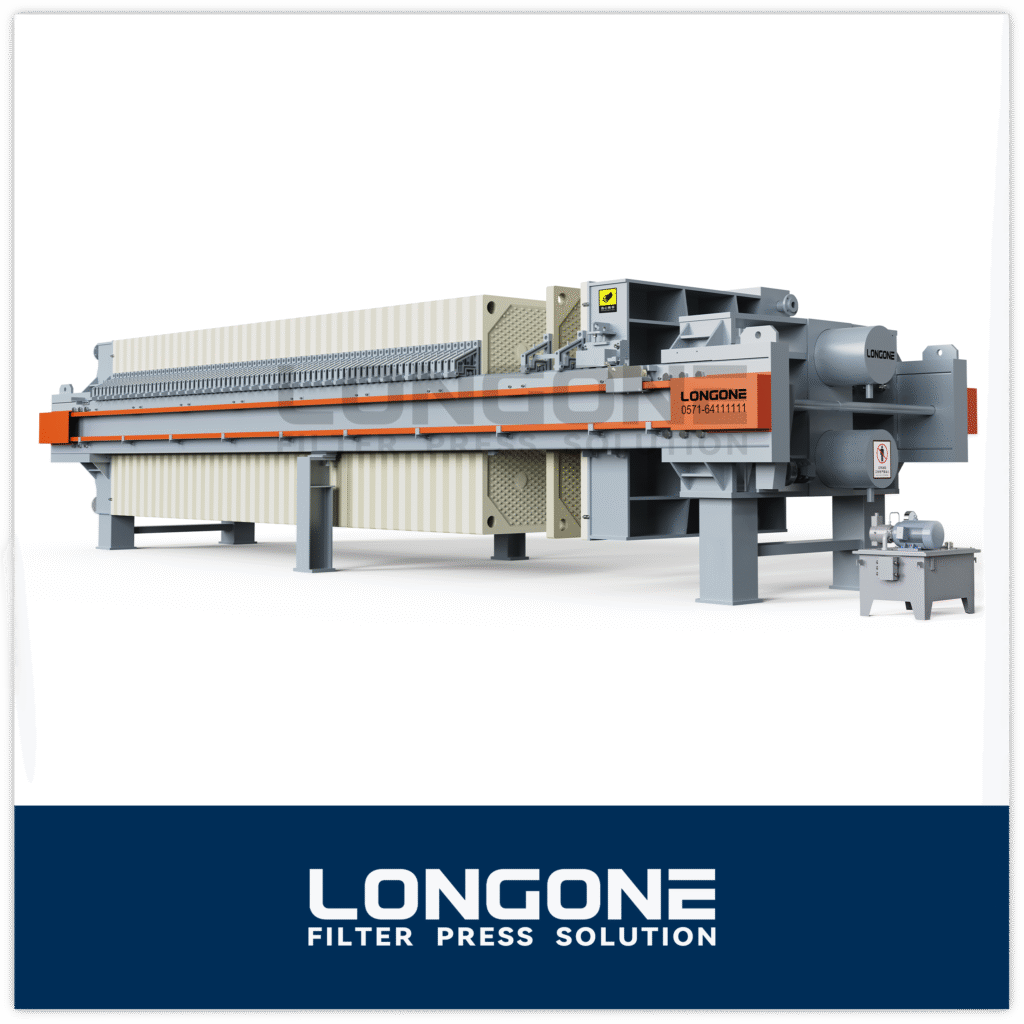
Choosing the right filter press for a target cake moisture requires matching the press type (standard chamber or membrane), the plate count and filtration area, the operating pressure, and the filter cloth to the specific slurry being processed. For materials with high fine-particle content or significant bound water, a membrane filter press is usually the correct starting point.

Here is a practical selection framework based on target moisture and material type:
Standard chamber filter press
- Best suited for: sand washing, mineral concentrates, and chemical slurries with moderate fines content
- Typical operating pressure: 6–16 bar
- Achievable moisture: material-dependent, but generally above 25% for most mineral slurries
- Advantage: lower capital cost, simpler operation
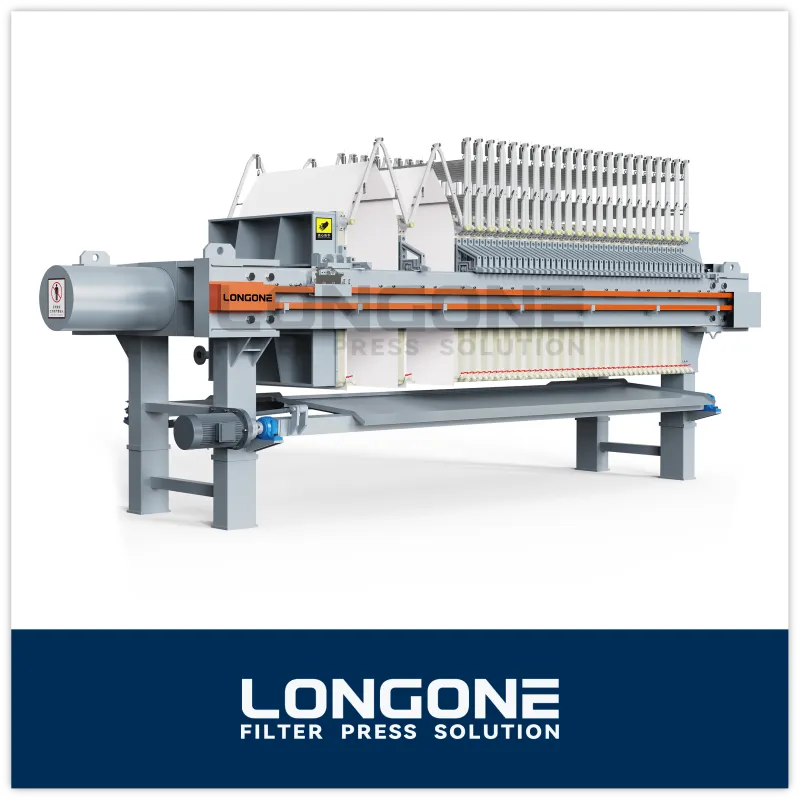
Membrane (diaphragm) filter press
- Best suited for: municipal sludge, fine flotation tailings, food processing waste, and any application where target moisture is below what standard pressing can achieve
- Typical squeeze pressure: 10–16 bar
- Advantage: 5–15 percentage-point improvement in cake dryness versus standard pressing
- Consideration: higher capital cost; membrane plates require periodic inspection and replacement
Plate sizing and quantity
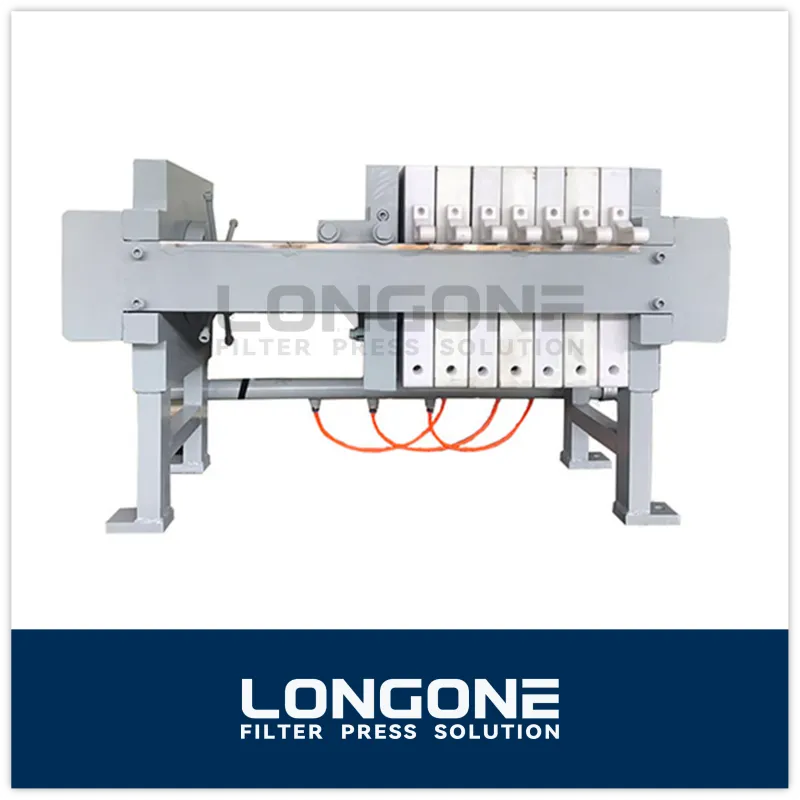
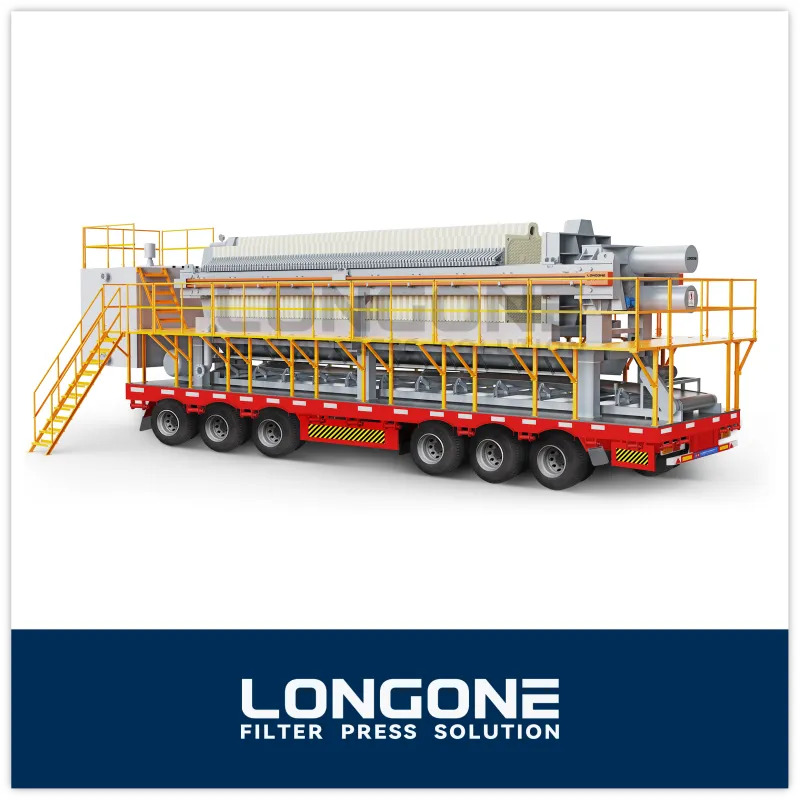
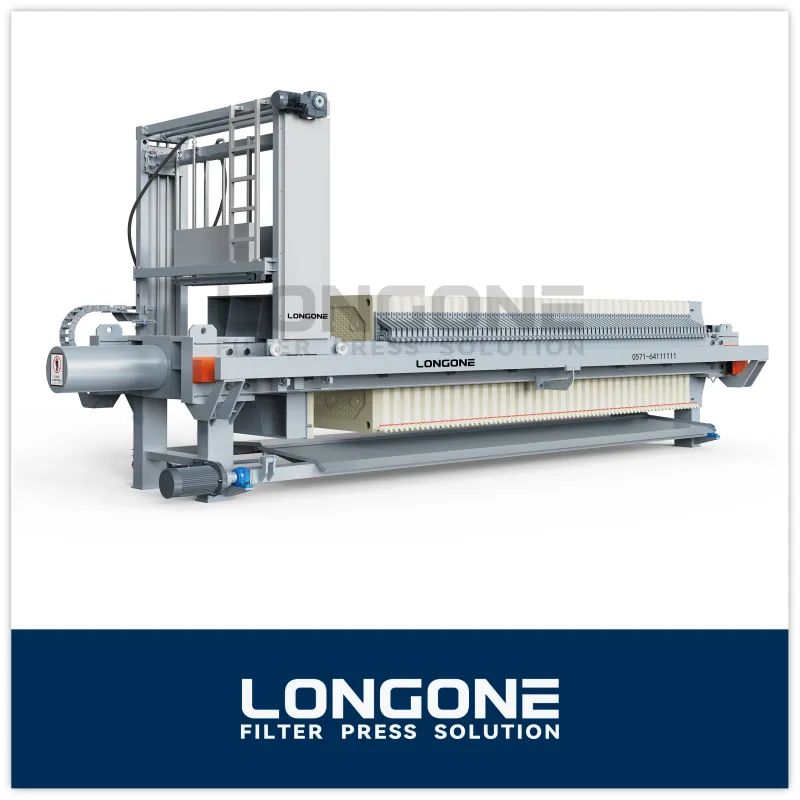
Filtration area drives throughput. Undersizing the filtration area forces shorter cycles at higher refill frequency, which increases wear and operating cost. At LONGONE, we manufacture filter presses covering filtration areas from 0.16 to 1,600 m², which means the same selection framework scales from a pilot unit to a full production line without changing the basic design logic.
Frequently Asked Questions
What is a realistic target cake moisture for municipal wastewater sludge?
For digested municipal sludge on a membrane filter press with polymer conditioning, a realistic target is 60–68% moisture. Activated sludge without digestion typically achieves 65–75%. Results depend heavily on conditioning chemistry and polymer dose. Test your specific sludge before committing to a contract figure.
How often should filter cloths be replaced on a filter press?
Filter cloth service life depends on the slurry’s abrasiveness, chemical composition, and wash frequency — it typically ranges from three months to two years. The clearest indicators for replacement are rising cycle times, increasing filtrate turbidity, or visible weave damage. Establish a monitoring baseline during the first month of operation rather than replacing on a fixed schedule.
Can I improve cake dryness without buying new equipment?
Yes, often significantly. Optimising feed conditioning (polymer type and dose), adjusting the pressure ramp profile, extending the squeeze phase duration on membrane presses, and replacing worn or mismatched filter cloths are all operational changes that commonly reduce cake moisture by 5–10 percentage points. A systematic audit of operating parameters is a sensible first step before any capital expenditure.
خاتمة
Filter press dewatering performance ultimately comes down to one measurable outcome: cake moisture content. Everything else — press type, operating pressure, cycle time, filter cloth selection — is a lever you adjust to hit your moisture target. The right target starts with knowing your slurry: its particle size, organic content, and conditioning response. Standard chamber presses serve coarse, mineral-dominant feeds well. Membrane presses are the correct choice when target moisture demands more than pumping alone can deliver. At LONGONE, we manufacture filter presses و لوحات الترشيح across a wide range of sizes and configurations, and we consistently find that the most reliable path to the right equipment selection begins with real slurry data, not catalogue assumptions.
If you are evaluating filter press dewatering options for a new project or trying to improve results on an existing installation, we invite you to send us your slurry details — material type, feed concentration, target moisture, and throughput requirements. We will provide a free pilot test recommendation and selection guidance based on your specific application, with no obligation.