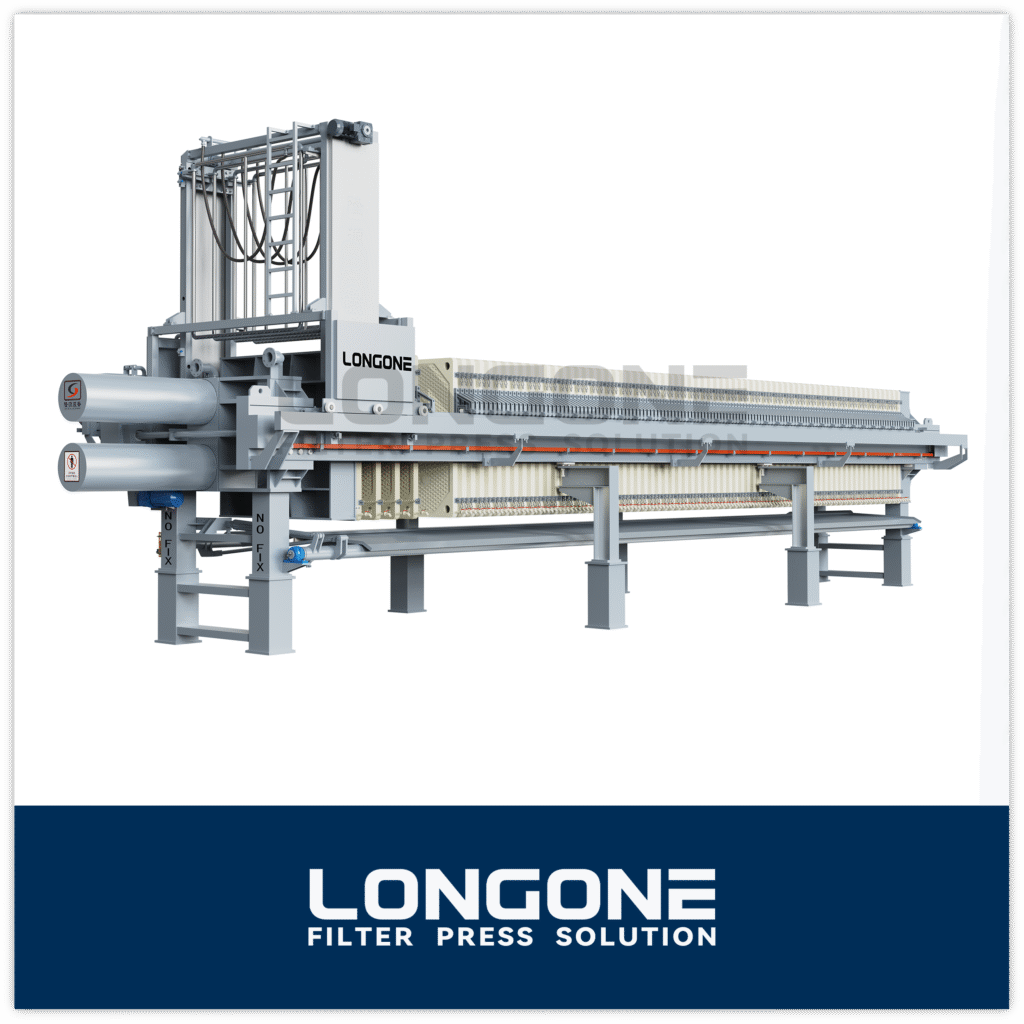
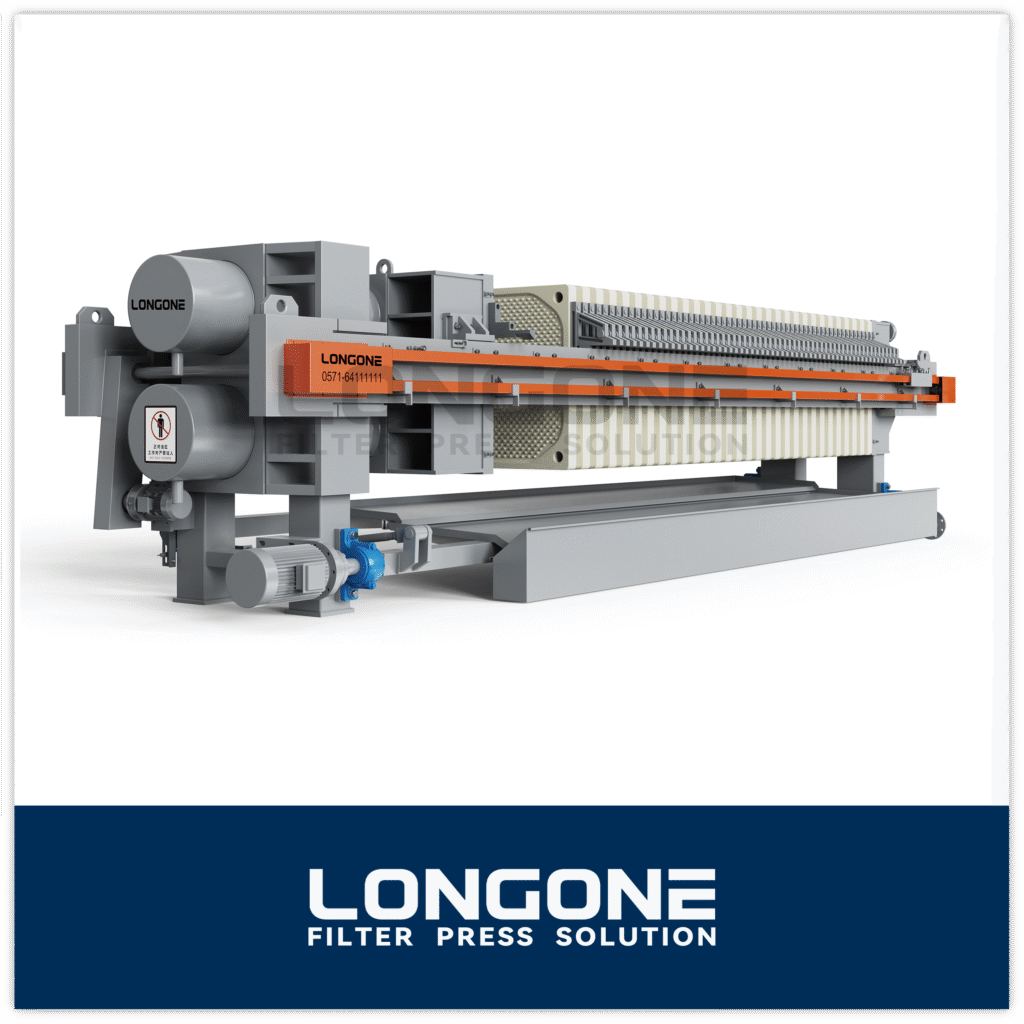
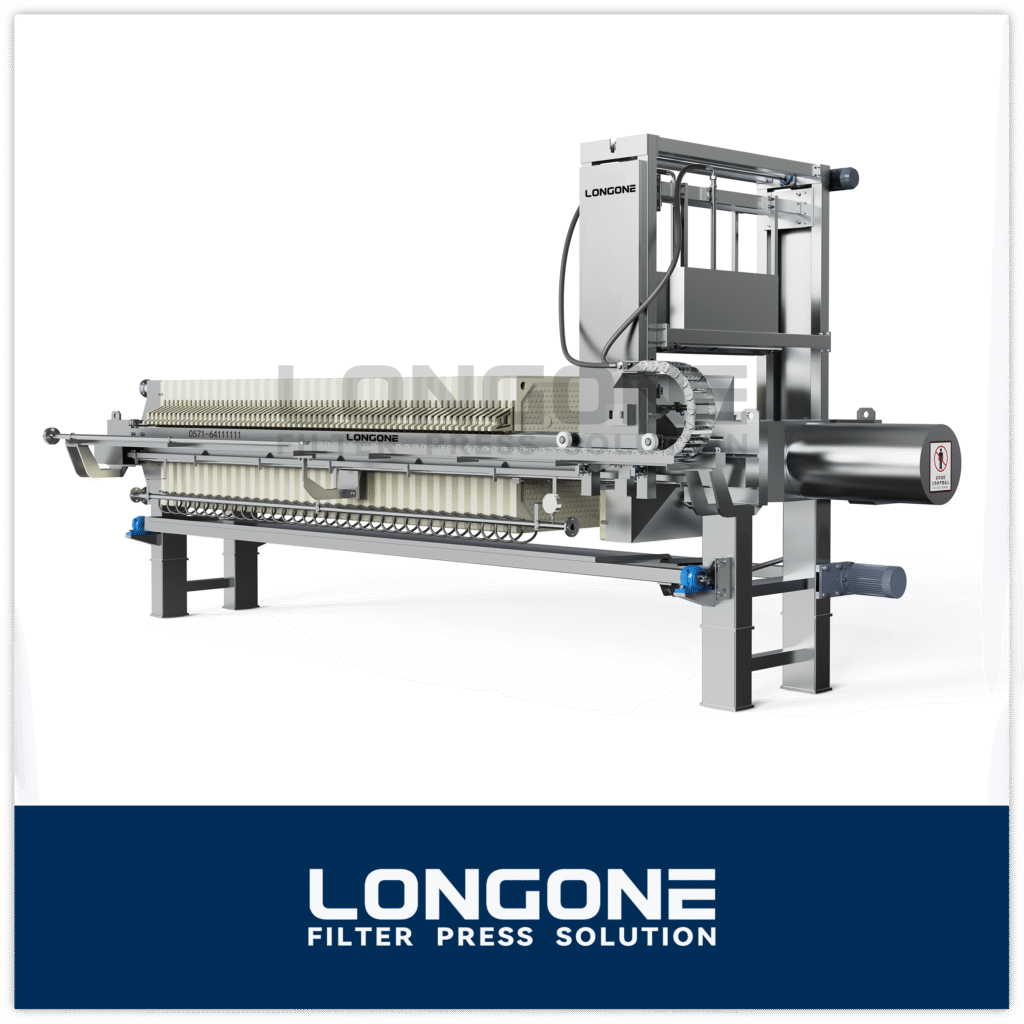
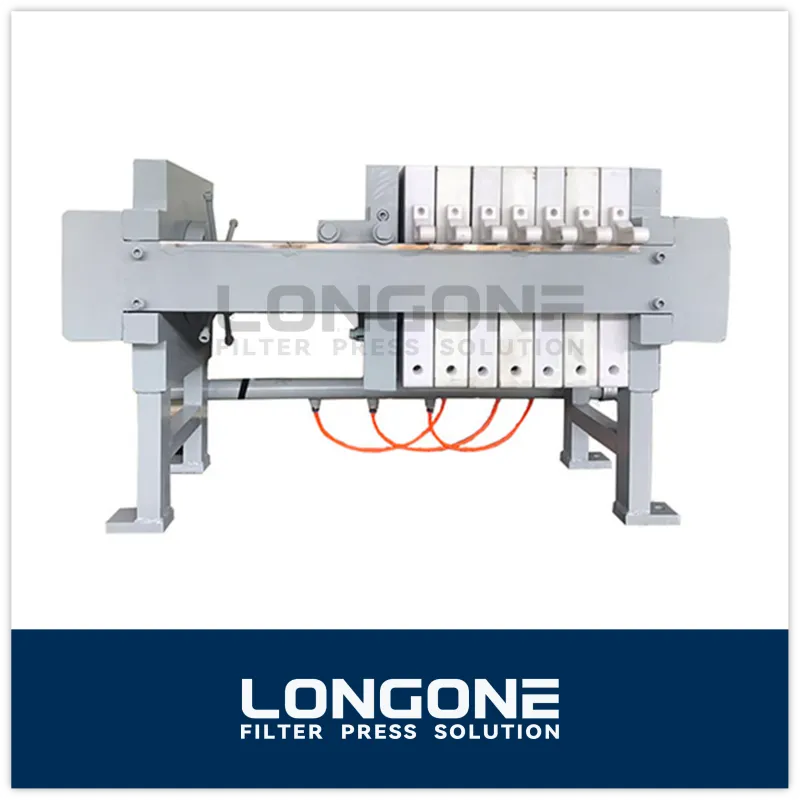
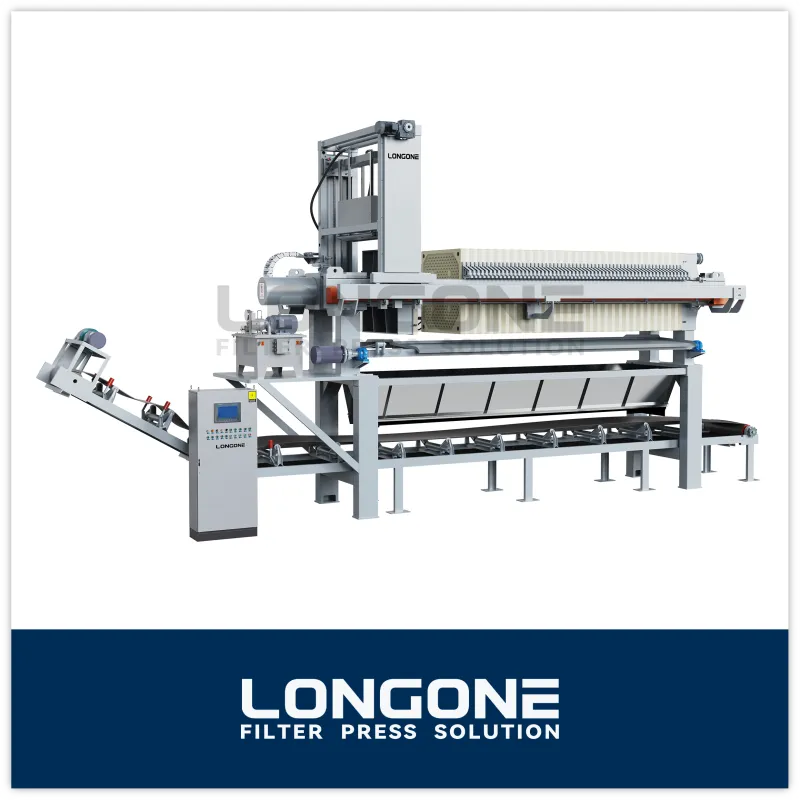
Navigating the complexities of industrial separation processes can be challenging, often requiring a critical choice between various dewatering technologies. When evaluating equipment, many businesses struggle to optimize efficiency and cost-effectiveness while maintaining high quality standards. While centrifuges have their place, filter presses often present compelling advantages, delivering robust performance across diverse applications.
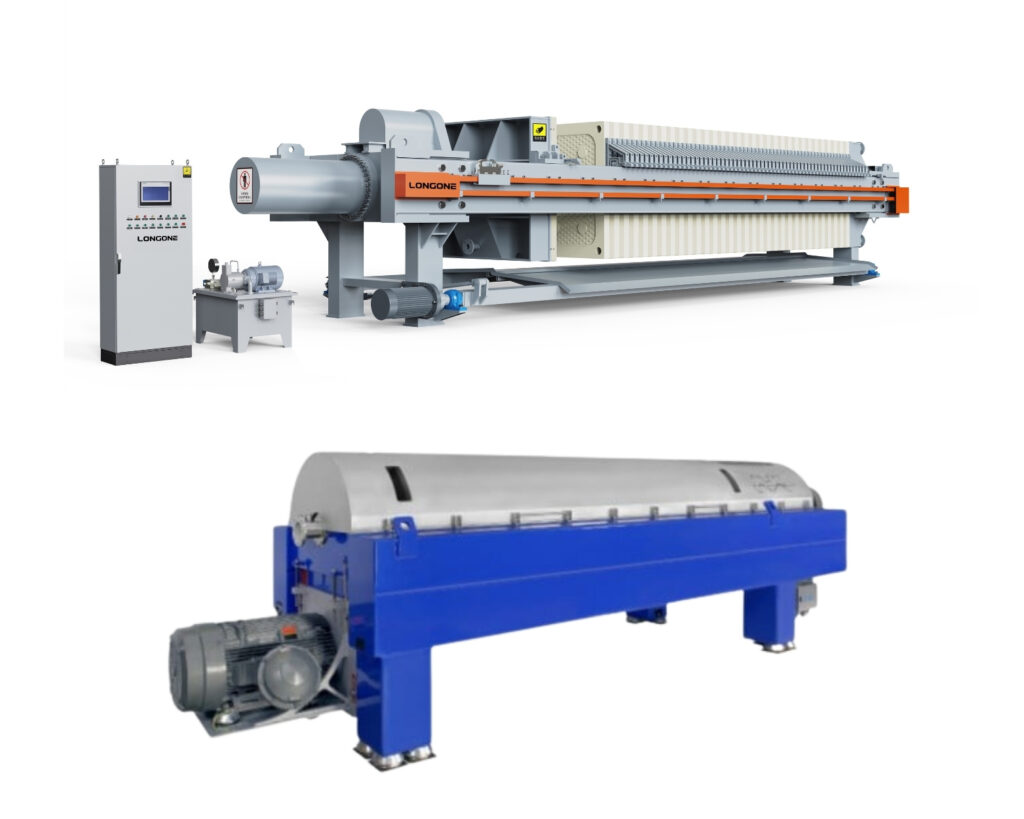
Filter presses generally offer several key advantages over centrifuges in industrial separation processes, including superior versatility and customization, significantly lower energy consumption, easier maintenance and operation, higher solids recovery rates, gentler handling of sensitive materials, and reduced noise levels. These benefits contribute to improved operational efficiency, lower costs, and enhanced product quality for a wide range of industrial applications.
Understanding the nuances of these separation technologies is crucial for making informed procurement decisions that impact your entire production chain. Let’s delve deeper into why filter presses are often the preferred choice, offering insights that can shape your operational strategy.
How Versatile and Customizable are Filter Presses?
When selecting industrial equipment, rigidity can quickly become a liability, leading to suboptimal performance as requirements evolve. Many businesses find that separation technologies lacking adaptability struggle to meet the diverse needs of modern industrial processes, from varying feed materials to fluctuating operational conditions. This lack of versatility can result in compromises on efficiency and output quality.
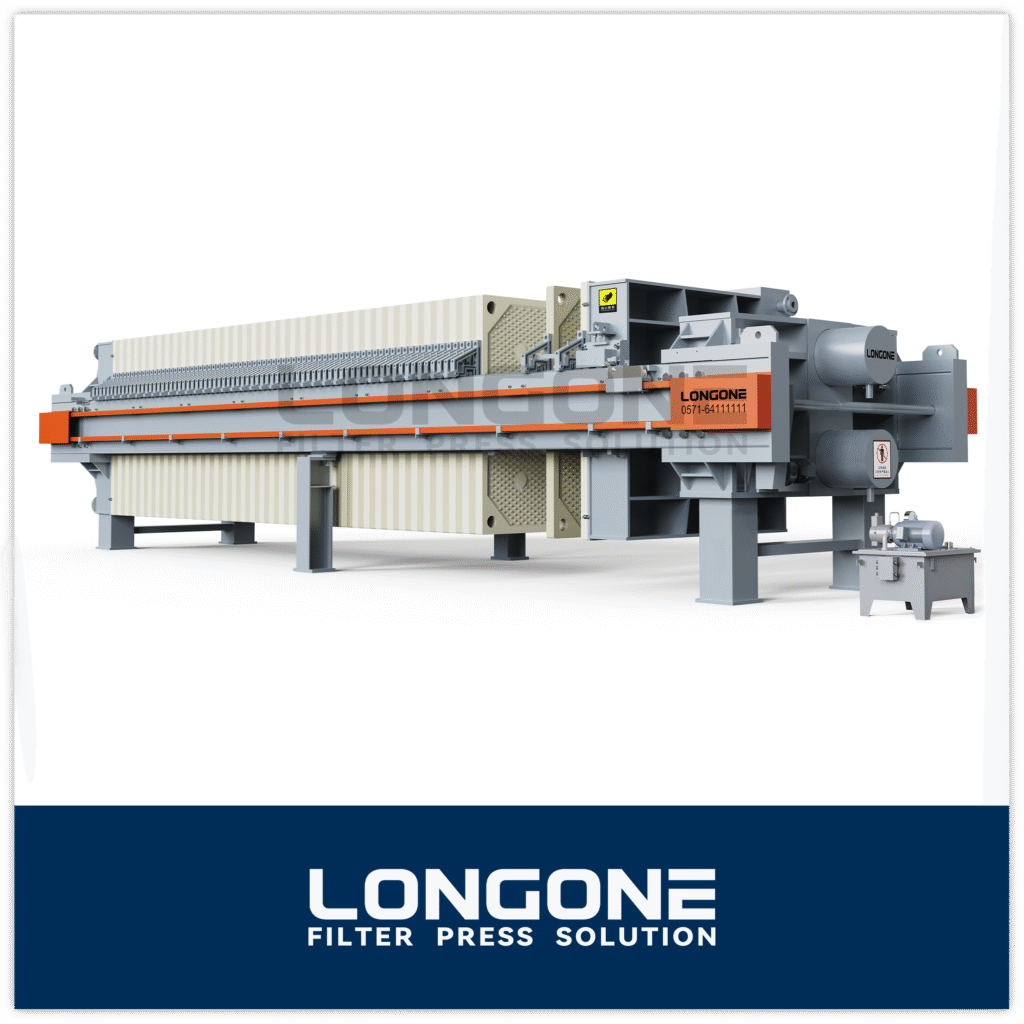
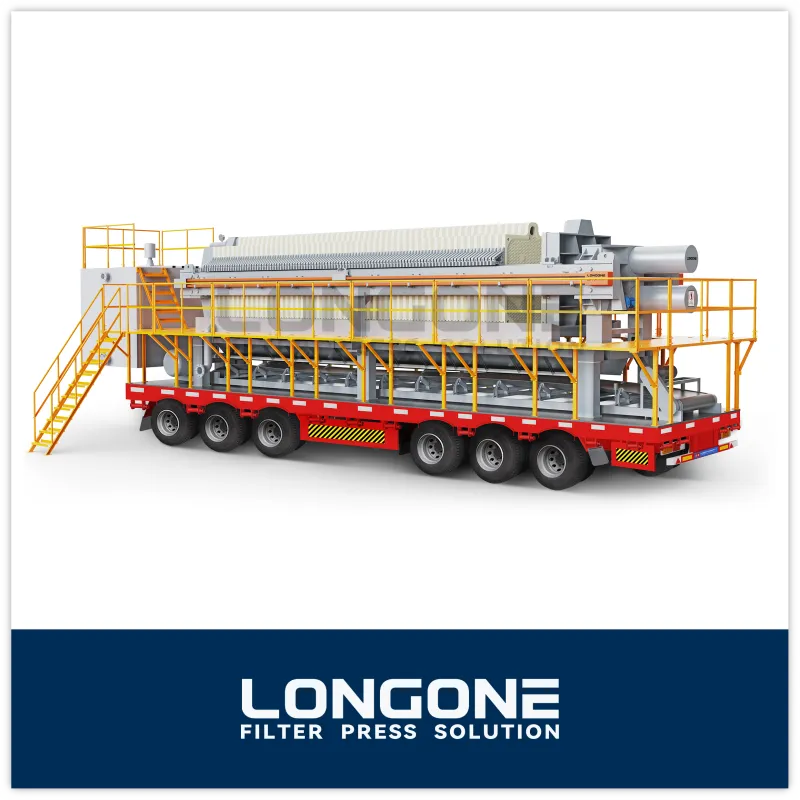
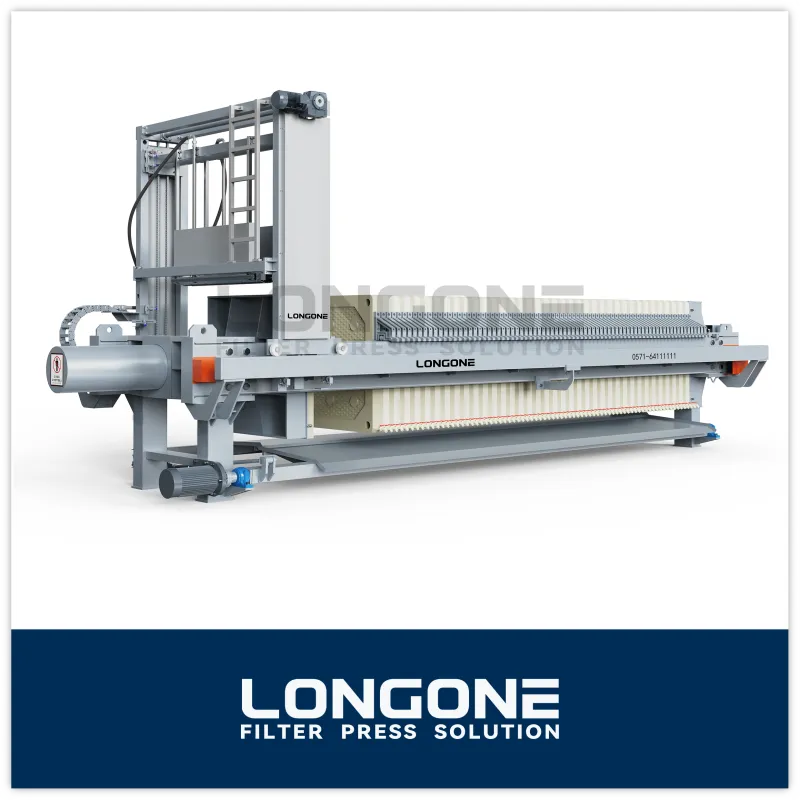
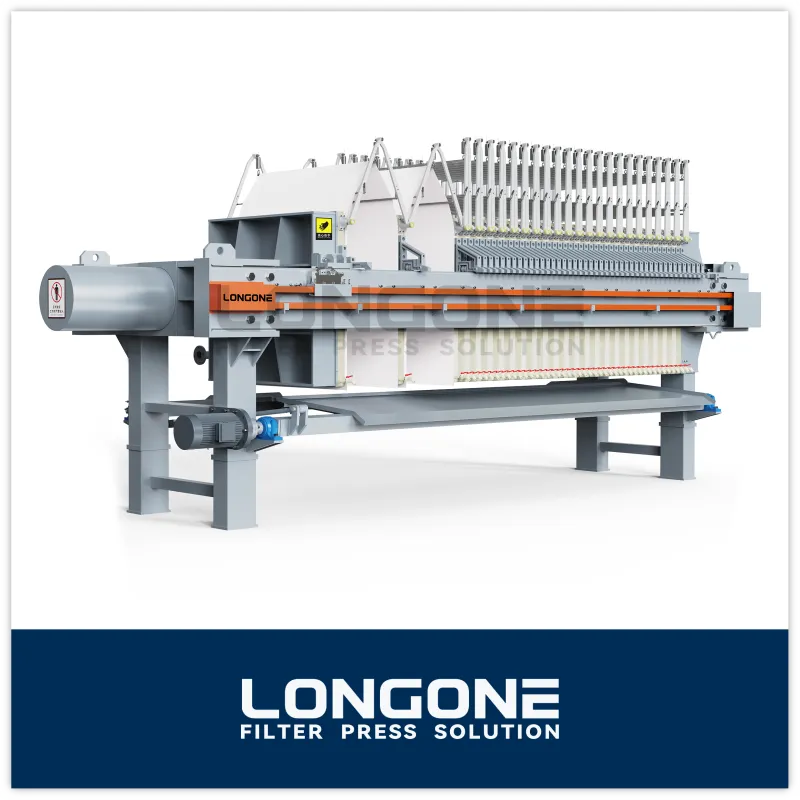
Filter presses are exceptionally versatile and customizable, allowing them to be finely tuned for a broad spectrum of industrial applications, unlike centrifuges which typically operate within more rigid parameters. This adaptability stems from their modular design, enabling adjustments in filter media, plate types, and operational sequences to precisely match specific process requirements and material characteristics.
Adapting to Diverse Industrial Needs
Consider the various industries that rely on solid-liquid separation:
- معالجة مياه الصرف الصحي: Filter presses handle a wide range of sludge compositions, from municipal to industrial, often requiring different levels of dewatering.
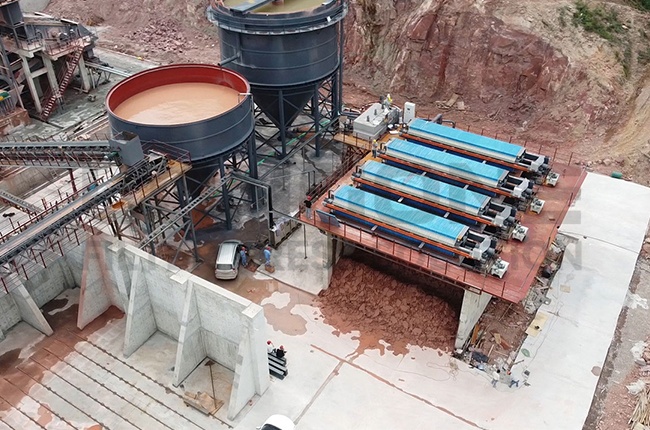
- Mineral Processing: They are crucial for dewatering mineral concentrates and tailings, which can vary significantly in particle size and abrasiveness.
- Chemical Manufacturing: From pigments to pharmaceuticals, handling delicate or hazardous chemicals with specific purity requirements is common.
- Food and Beverage: Separating liquids from solids in processes like fruit juice clarification or brewery waste processing.
Centrifuges, while effective for certain applications, are often designed for more specific material properties and flow rates. Their high-speed rotation works best within a narrower band of parameters, and significant changes often require different models or costly re-engineering.
Customization Options for Optimal Performance
The ability to customize a filter press is a critical differentiator. This isn’t just about selecting a standard model; it involves tailoring several key components:
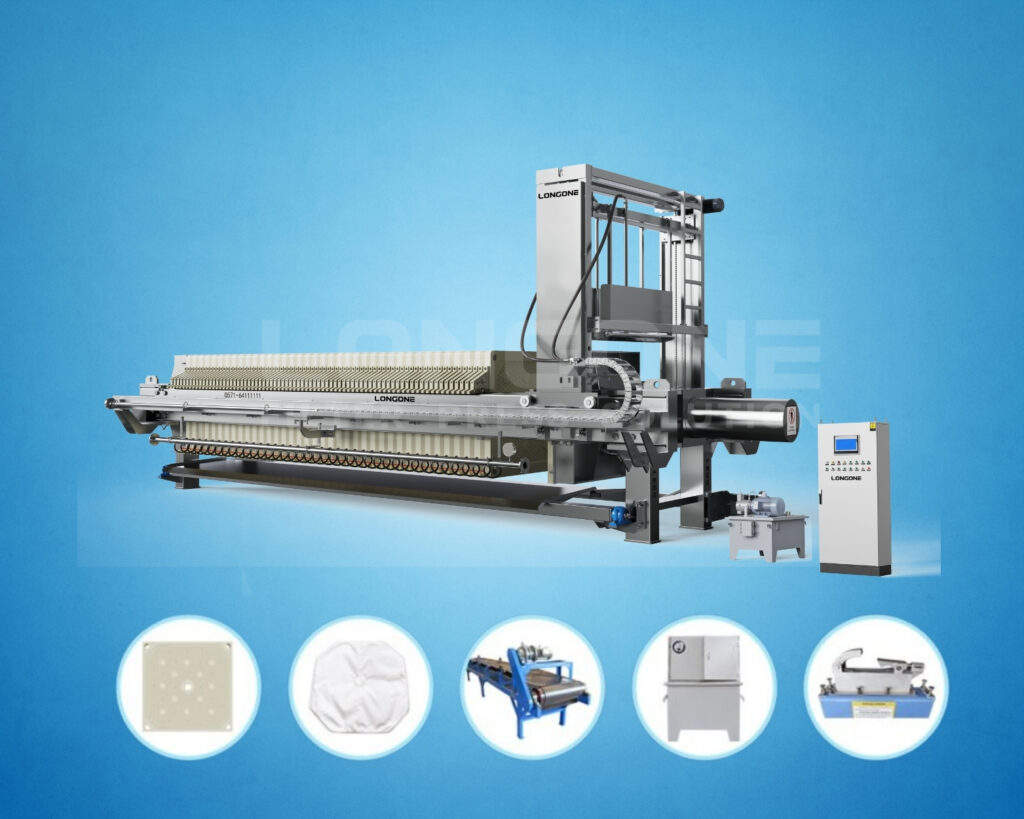
- Filter Cloths: The choice of filter cloth is paramount. Options range from polypropylene for general industrial use to specialized fabrics like polyester, nylon, or even PTFE, each offering different pore sizes, chemical resistance, and filtration efficiencies. This allows for precise tuning to capture specific particle sizes and withstand various chemical environments.
- لوحات التصفية: Plates come in different materials (polypropylene, stainless steel), designs (chamber, membrane, plate-and-frame), and sizes. Membrane plates, for instance, allow for a “squeezing” action after filtration, which can significantly reduce cake moisture, an important factor in maximizing solids recovery or minimizing disposal costs.
- Feed Pumps: The type of pump (e.g., diaphragm, centrifugal, peristaltic) and its pressure capabilities are chosen based on the slurry’s viscosity, solids content, and desired filtration rate.
- Automation Levels: From manual to fully automatic systems with plate shifting, cloth washing, and cake discharge, the level of automation can be tailored to operational needs and labor availability.
Do Filter Presses Offer Lower Energy Consumption?
In today’s industrial landscape, soaring energy costs and increasing environmental regulations put immense pressure on businesses to optimize their power usage. Many companies struggle with high operational expenses, particularly from energy-intensive equipment that significantly impacts their bottom line and carbon footprint. This constant struggle to balance productivity with sustainability often leaves businesses seeking more efficient alternatives for their critical processes.
Yes, filter presses generally offer significantly lower energy consumption compared to centrifuges, particularly during extended operational cycles. While centrifuges rely on high-speed rotational energy to generate centrifugal force for separation, filter presses utilize mechanical compression, which requires considerably less power input. This inherent design difference directly translates into reduced operational costs and a smaller environmental footprint for facilities employing filter press technology.
The energy consumption profile is a critical factor when evaluating long-term operational costs for any industrial machinery. From a procurement standpoint, assessing Total Cost of Ownership (TCO) is paramount, and energy expenditure often forms a substantial part of that. Here, the advantages of filter presses become particularly evident.
Centrifuges, by their very nature, operate by spinning a drum at very high velocities (often thousands of RPMs) to create a centrifugal force field that separates solids from liquids. This continuous high-speed rotation demands a significant amount of electrical energy, not only to maintain the rotational speed but also to overcome friction, air resistance, and to accelerate the mass of the material being processed. The power required often scales with the square of the rotational speed, meaning even small increases in RPM can lead to substantial energy spikes.
In contrast, filter presses employ a fundamentally different mechanism: mechanical compression. They achieve dewatering by pumping slurry into a series of chambers formed by filter plates, where solids are retained on a filter cloth while the liquid (filtrate) passes through. The primary energy requirement is for:
- Pumping the slurry: This consumes energy to overcome hydraulic resistance.
- Actuating the plate closing mechanism: This is typically a hydraulic or electromechanical system that creates the pressure to hold the plates together during filtration.
- Plate shifting and cake discharge: These are intermittent operations.
Crucially, once the filtration cycle begins and the plates are closed, the energy consumed by the filter press itself to maintain pressure is relatively low compared to the continuous, high-power draw of a centrifuge. The main energy input is for the feed pump, which can be optimized based on slurry characteristics and desired flow rates.
Are Filter Presses Easier to Maintain and Operate?
Complex industrial machinery can quickly become a bottleneck, leading to costly downtime, increased labor expenses, and a steep learning curve for operators. Many procurement managers face the challenge of sourcing equipment that not only performs reliably but is also straightforward to maintain and operate. The hidden costs of intricate maintenance schedules and specialized training can significantly erode perceived benefits, creating frustration and inefficiency within the production environment.
Yes, filter presses are generally designed for easier maintenance and operation compared to centrifuges, contributing to reduced downtime and lower labor costs. Their mechanical compression system involves fewer high-speed rotating parts, simplifying troubleshooting and routine upkeep. In contrast, centrifuges require more intricate balancing, specialized lubrication, and frequent inspections of high-wear components, making them more demanding to maintain and operate effectively.
Streamlining Operations and Maintenance
- Intuitive Control Systems: Modern automatic filter presses come with user-friendly HMI (Human-Machine Interface) screens that allow operators to monitor cycles, adjust parameters (like feed pressure or filtration time), and troubleshoot basic issues. The sequence of operation (filling, filtration, cake discharge, cloth washing) is typically automated and programmable.
- Simplified Training: The principles of operation are relatively straightforward. Operators primarily need to understand the feed process, monitor for proper cake formation, and manage discharge. This reduces the time and cost associated with training new personnel.
- Visual Inspection: Many operational issues, like leaks or uneven cake formation, can be visually identified, making troubleshooting faster.
Filter Press Maintenance:
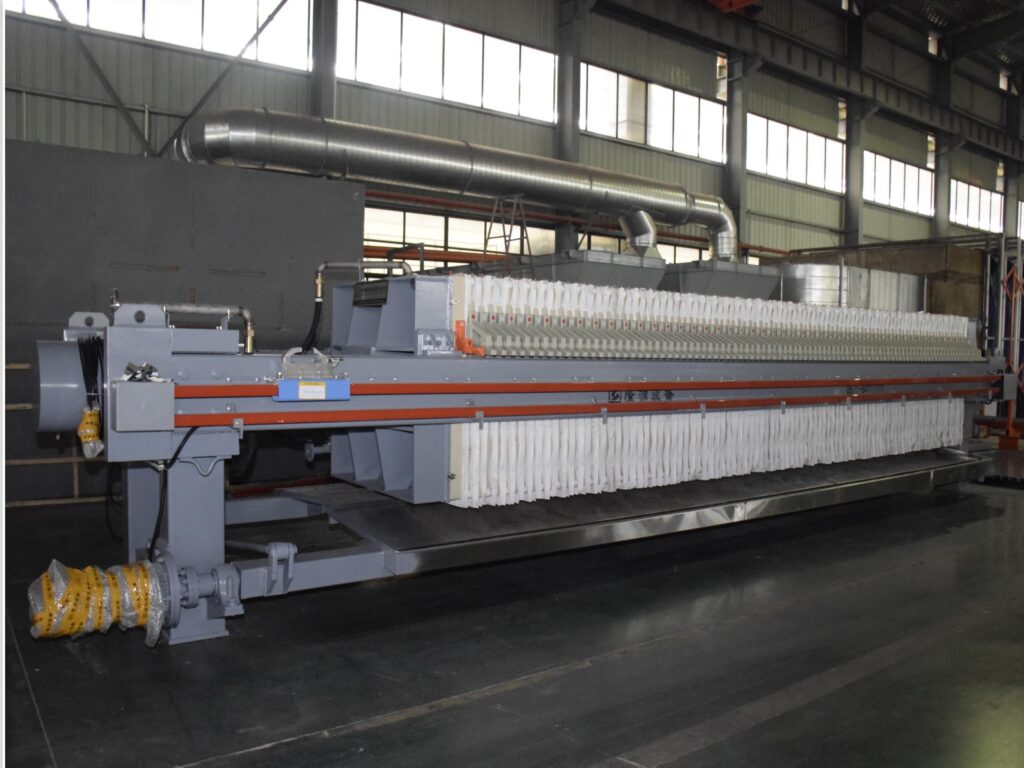
- Fewer High-Speed Components: The primary moving parts are the hydraulic cylinder for plate closing, the plate shifter mechanism, and the feed pump. These components operate at much lower speeds and stresses compared to a centrifuge’s rotating assembly.
- Modular Design: Components like filter cloths, plates, and hydraulic seals are designed for relatively easy replacement. A worn filter cloth, for example, can be changed out without requiring specialized tools or highly technical expertise.
- Predictable Wear: Wear items such as cloths and seals have predictable lifespans, allowing for proactive maintenance scheduling rather than reactive repairs, minimizing unexpected downtime.
The Complexity of Centrifuge Maintenance
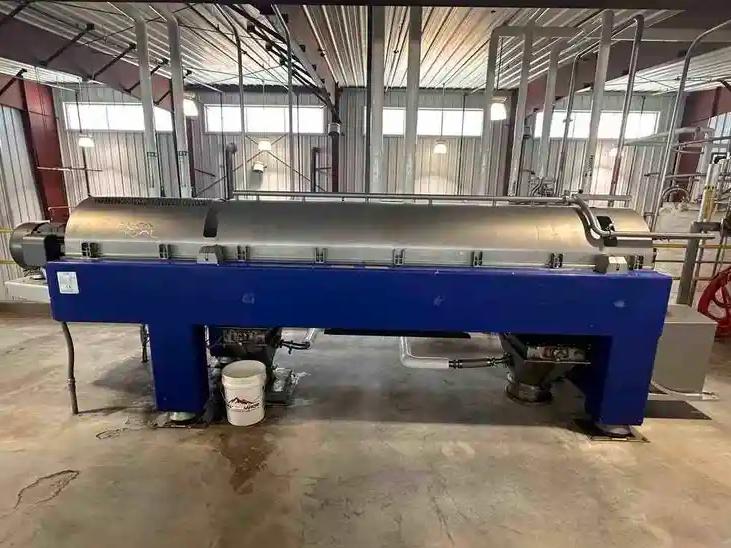
Centrifuges, while powerful, introduce a different level of maintenance complexity:
- High-Speed Rotation: The very nature of their operation (thousands of RPMs) means that balancing is critical. Any imbalance can lead to severe vibrations, bearing wear, and structural damage. Regular dynamic balancing may be required.
- Intricate Lubrication Systems: High-speed bearings require precise and often specialized lubrication systems, which need constant monitoring and scheduled maintenance.
- Wear and Tear: Components like bowls, scrolls, and gears are subject to abrasive wear from the high-velocity slurry, particularly in applications with hard or erosive solids. Replacing these parts can be complex and expensive.
- Specialized Expertise: Troubleshooting and repair of centrifuges often require technicians with specialized training in high-speed rotating equipment, which can be a scarce and costly resource.
- Vibration Monitoring: Continuous monitoring of vibration levels is essential to prevent catastrophic failures, adding another layer of operational complexity.
Do Filter Presses Achieve Higher Solids Recovery?
In many industrial processes, maximizing the recovery of solids is not merely an efficiency goal but a critical economic and environmental imperative. Businesses often face the challenge of extracting valuable materials from slurries or dewatering waste streams to minimize disposal costs and environmental impact. Inefficient solid-liquid separation can lead to product loss, increased waste volume, and ultimately, higher operational expenses.
Yes, filter presses are highly effective at achieving higher solids recovery rates compared to centrifuges in many applications, leading to drier filter cakes. They can apply significant hydraulic pressure during the filtration process, resulting in a more complete separation of solids from liquids and yielding a filter cake with very low moisture content. This capability is especially valuable in industries where the recovery of valuable solids or minimizing waste disposal volume is crucial.
Maximizing Yield and Minimizing Waste
Maximizing solids recovery and achieving a dry filter cake are often twin goals in industrial separation, directly impacting profitability and environmental compliance. From our experience in B2B manufacturing and supply, we know that efficiency at every stage ultimately translates to value for the end customer. The advantages of filter presses in this regard are significant and often translate into tangible economic benefits.
How Filter Presses Excel in Solids Recovery:
- High Filtration Pressure: Filter presses operate by applying high hydraulic pressure (often up to 15-20 bar, or even higher for specialized applications) to force the liquid through the filter cloth, leaving the solids behind. This mechanical compression compacts the filter cake significantly, expelling more interstitial liquid than other methods.
- Membrane Squeezing: Advanced automatic filter presses often incorporate “membrane” or “diaphragm” plates. After the initial filtration phase, an inflatable membrane within the plate inflates, squeezing the filter cake to further reduce its moisture content. This post-filtration compression can reduce the moisture content of the cake by an additional 5-20%, leading to exceptionally dry solids. For our customers, achieving drier sludge means less mass to transport and dispose of, drastically cutting costs.
- Consistent Cake Formation: The uniform pressure across the filter plate surface ensures a consistent and homogenous filter cake, preventing channeling or uneven dewatering that can occur in other systems.
Comparison with Centrifuges:
Centrifuges separate based on density differences and centrifugal force. While effective for many applications, they often struggle to achieve the same level of dryness for very fine or compressible solids.
- Moisture Content: Centrifuges typically produce a cake with higher moisture content compared to a membrane filter press. This is because the centrifugal force, while strong, may not be as effective at squeezing out capillary-held water from compacted solids as direct mechanical pressure.
- Particle Size Limitations: Centrifuges can struggle with very fine particles (sub-micron) that do not settle easily, leading to lower solids capture efficiency and turbid filtrate. Filter presses, with the right filter cloth, can effectively capture these fine particles.
- Product Loss: In applications where the solid is the valuable product, a higher moisture content means a lower yield per batch or higher drying costs if further processing is required. For example, in mineral concentrate dewatering, every percentage point of moisture reduction means a higher concentration of valuable metal.
Do Filter Presses Have Lower Noise Levels?
Industrial environments are often characterized by high levels of noise, which can significantly impact worker health, safety, and productivity. Excessive noise contributes to fatigue, communication difficulties, and long-term hearing damage, making regulatory compliance a constant challenge for businesses. Many operations struggle to maintain a comfortable and safe working environment while running necessary high-performance machinery.
filter presses typically operate at significantly lower noise levels compared to centrifuges, making them a more suitable choice for industrial settings where noise reduction is a priority. Their reliance on mechanical compression rather than continuous high-speed rotation minimizes acoustic output, contributing to a quieter and safer working environment for operators. This also aids facilities in complying with increasingly stringent noise regulations.
خاتمة
In industrial separation processes, the choice of equipment profoundly impacts efficiency, costs, and environmental performance. As we’ve explored, filter presses offer compelling advantages over centrifuges across several critical domains. Their superior versatility and customization allow them to adapt to diverse applications, while their significantly lower energy consumption translates into tangible operational savings. The ease of maintenance and operation minimizes downtime and training costs, further enhancing productivity. Moreover, filter presses excel in achieving higher solids recovery, yielding drier cakes, and their gentle processing safeguards sensitive materials. Finally, their inherently lower noise levels contribute to a safer, more compliant, and comfortable working environment.
Are you evaluating separation technologies for your next industrial project, aiming for optimal performance and cost-effectiveness? Consider connecting with suppliers who demonstrate a clear understanding of industrial efficiency and quality, much like our team at [Your Company Name] values in our own B2B partnerships.