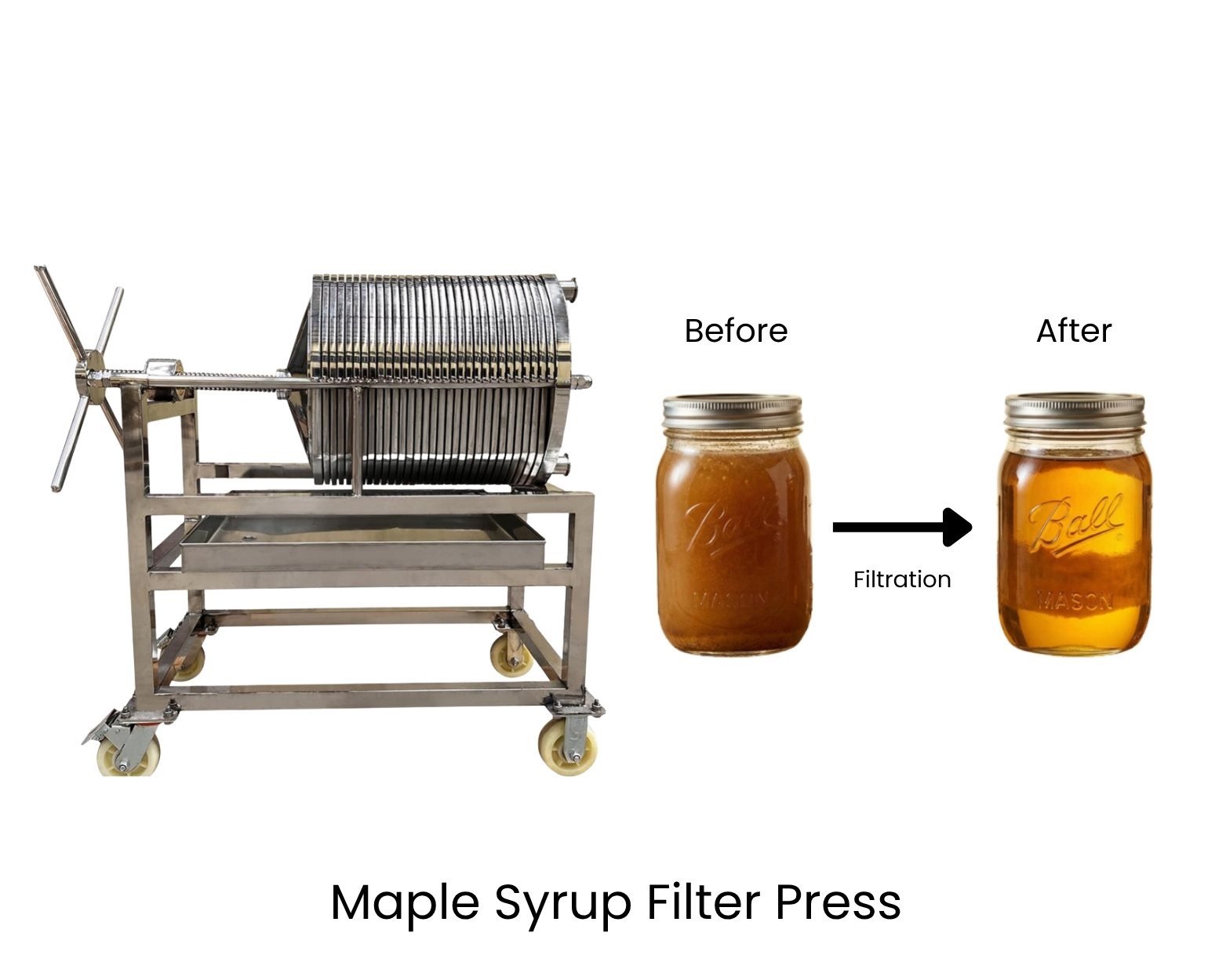
You boil the sap down, draw off a batch of finished syrup, and hold the jar up to the light. It looks hazy. A few weeks later, a fine, gritty layer has settled at the bottom of the bottle. Nothing is wrong with your sap or your evaporator. You are looking at sugar sand, and it is the most common reason finished maple syrup loses clarity and market grade.
A maple syrup filter press is the standard tool for removing it. This guide explains what the press does, how the filtration cycle works, why filter plate design and material matter more than most buyers expect, and how to size a press for your sugarhouse.
It is written from the perspective of a filter press manufacturer, so the focus is on the engineering behind the equipment rather than on sales claims.
What Is a Maple Syrup Filter Press and Why Sugarmakers Use One
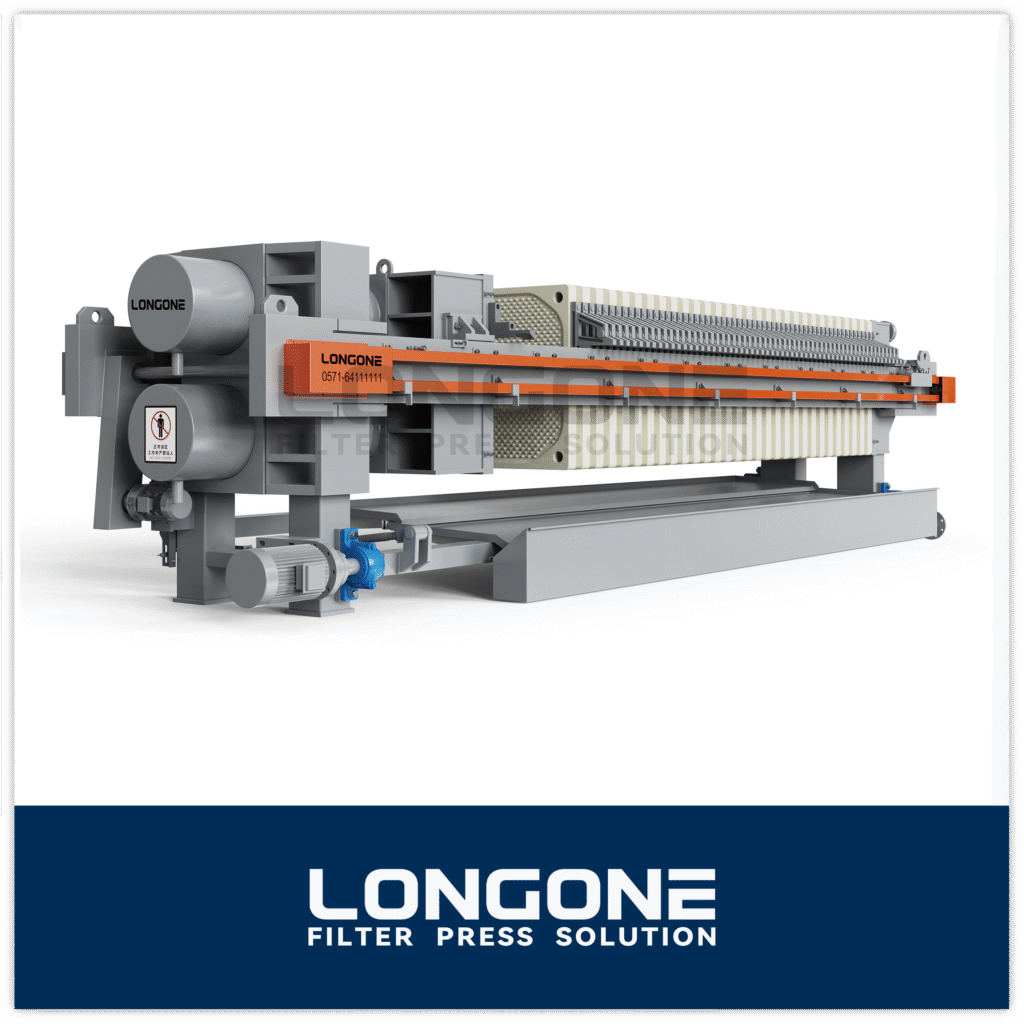
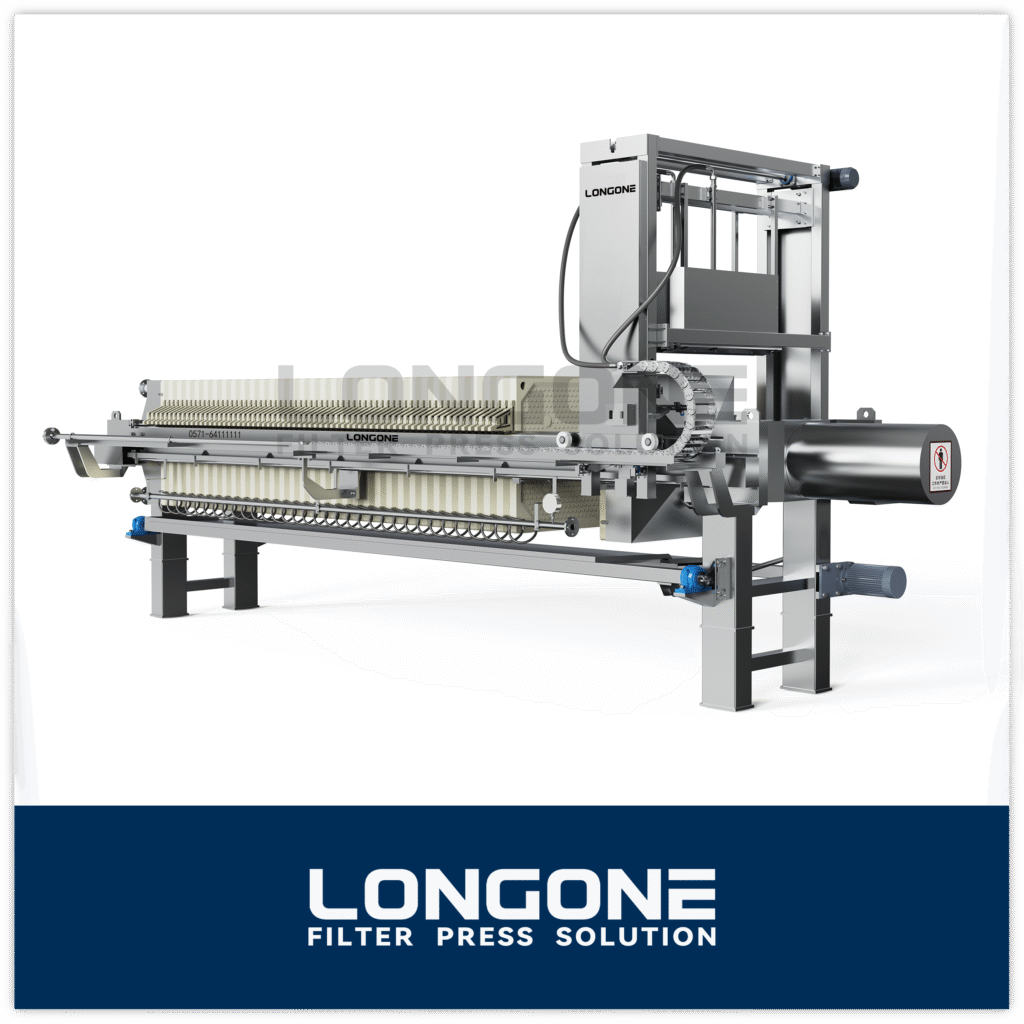
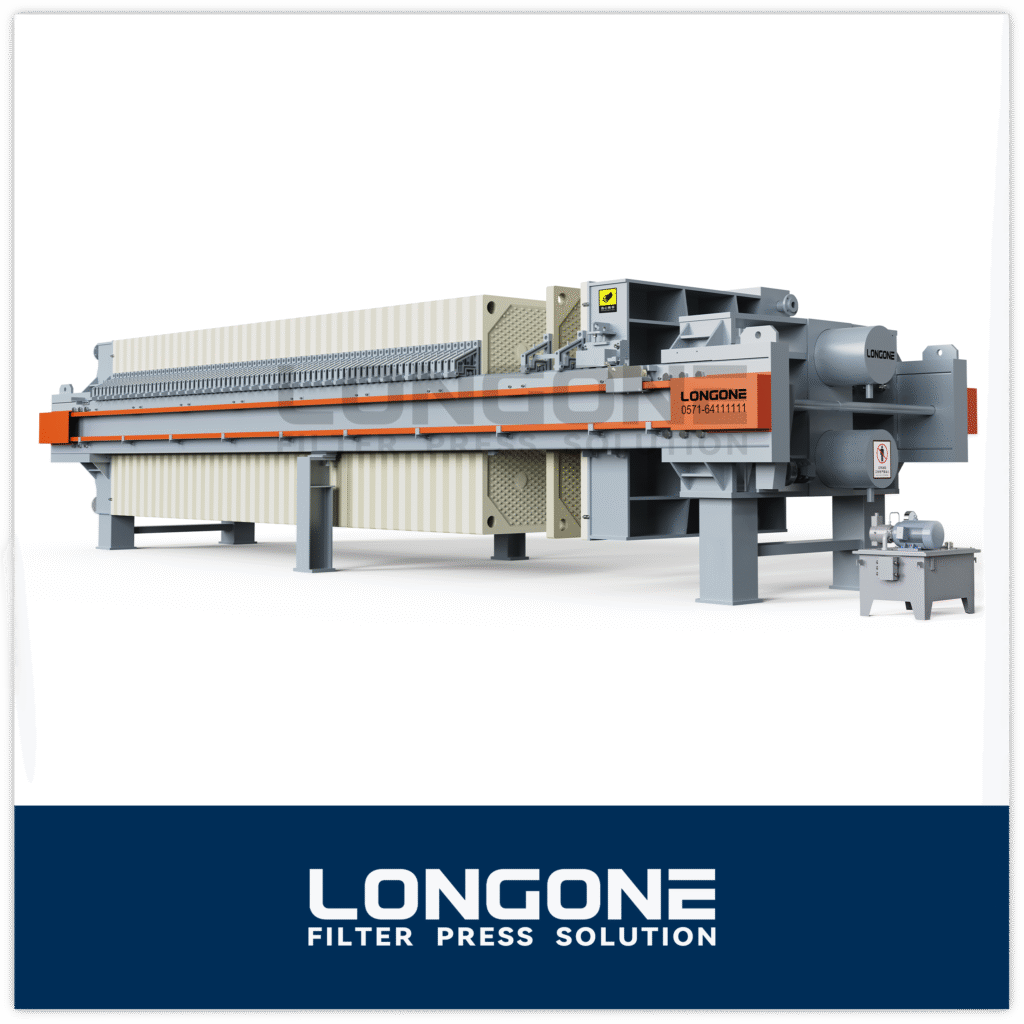
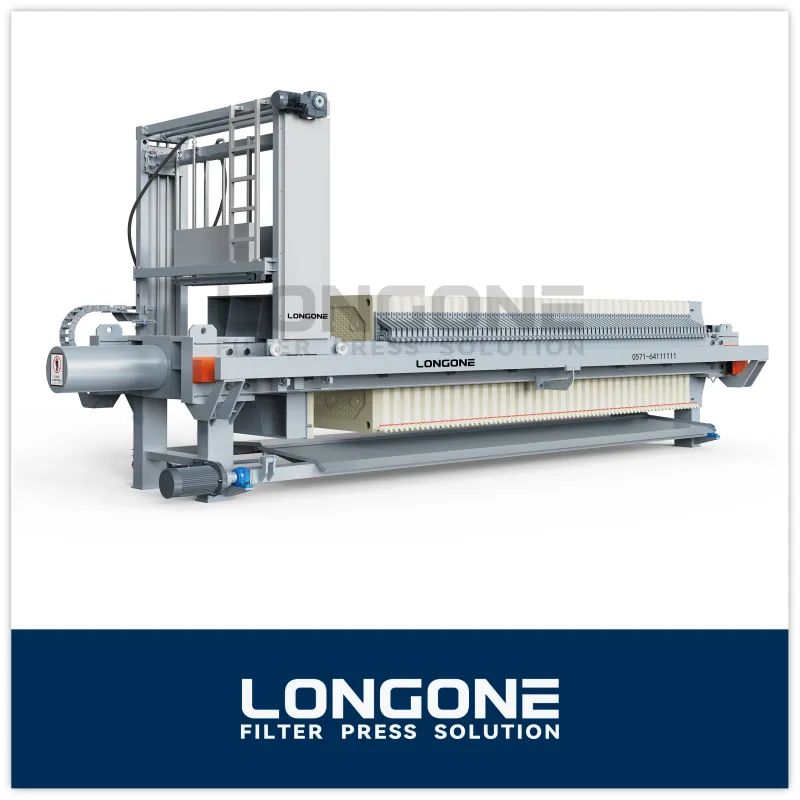
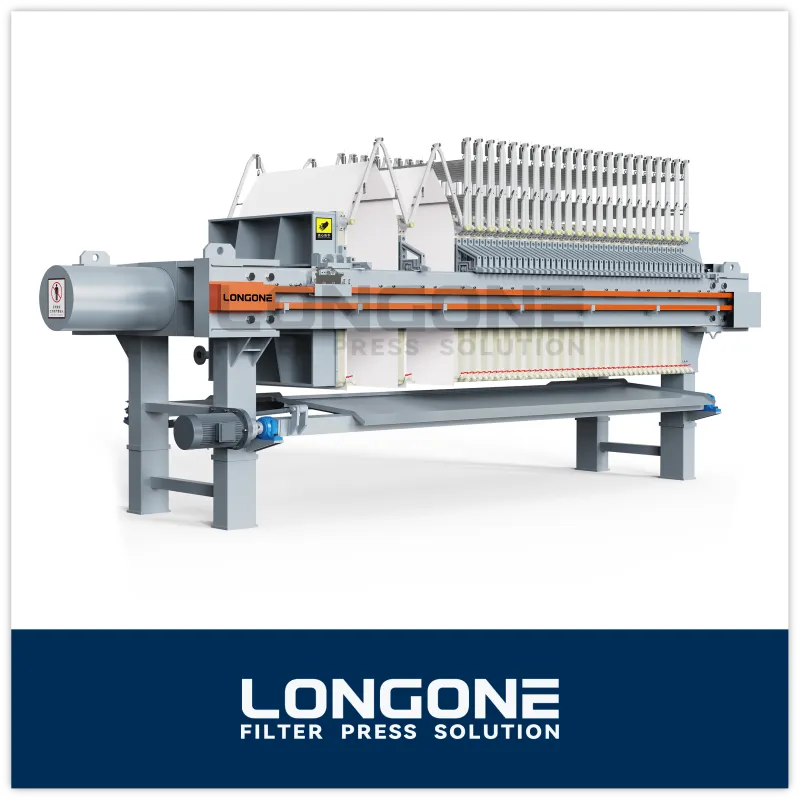
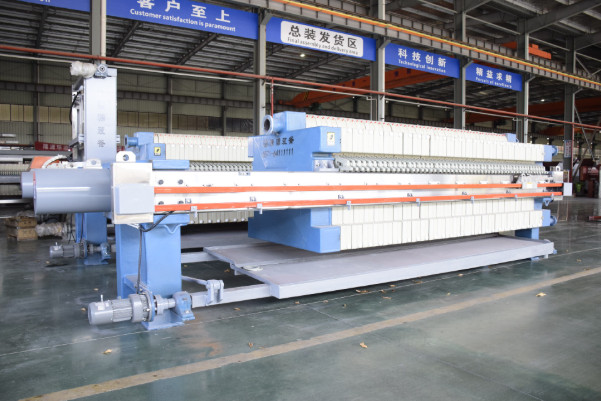
A maple syrup filter press is a pressure filtration device made of stacked filter plates, filter paper or cloth, and a clamping frame. Hot syrup is pumped into the press, passes through the filter media, and leaves clear. The solids stay behind as a filter cake.
What it removes is mostly sugar sand, also called niter. Sugar sand is a mineral precipitate, largely calcium-based, that forms as sap is concentrated. It is harmless to eat, but it makes syrup cloudy and settles out in the container. A press also catches fine debris such as wood particles and other small impurities carried through the evaporator.
Producers use a filter press for three practical reasons:
- Clarity. Clear syrup grades better and looks better on the shelf, which supports price and repeat sales.
- Shelf appearance. Filtering before bottling prevents sediment from forming later in the container.
- Throughput. A properly sized press clears a day’s draw-off quickly, so syrup can be bottled while it is still hot.
How a Maple Syrup Filter Press Works: Hot Filtering, Precoat, and Cake Discharge
A filtration cycle follows the same logic whether the press is a small hobby unit or a commercial sugarhouse system.
1. Build the precoat. Many sugarmakers mix a food-grade filter aid, usually diatomaceous earth (DE), with water or syrup and circulate it through the press. The filter aid deposits on the filter paper as a thin, even layer. This layer does the fine work. It traps particles that the paper alone would let through, and it protects the paper from blinding too early.
2. Filter the syrup hot. Finished syrup is drawn from the evaporator and fed into the press while it is still hot, commonly in the range of 180–190°F (82–88°C). Temperature is not a detail here. As syrup cools, it thickens, flows slowly, and loads the media much faster. Filtering cold syrup is the fastest way to turn a short job into a long one.
3. Feed slowly and let pressure rise gradually. Syrup passes through the precoat and paper, and clear filtrate leaves through the outlet. Pressure builds as filter cake accumulates on the plates. Raising pressure too quickly drives fine sugar sand deep into the paper fibers, where it blocks flow permanently. A steady, gradual increase gives a longer, cleaner run.
4. Stop, release pressure, and discharge the cake. When flow slows to the point where the next batch would take too long, stop feeding. Release pressure completely before opening the press. Remove the spent paper and cake, then rinse the plates and lines with hot water before the next run.
The full cycle is simple, but each step depends on the hardware behaving predictably, and this is where plate design enters the picture.
Filter Plate Design and Materials: What Really Affects Syrup Clarity
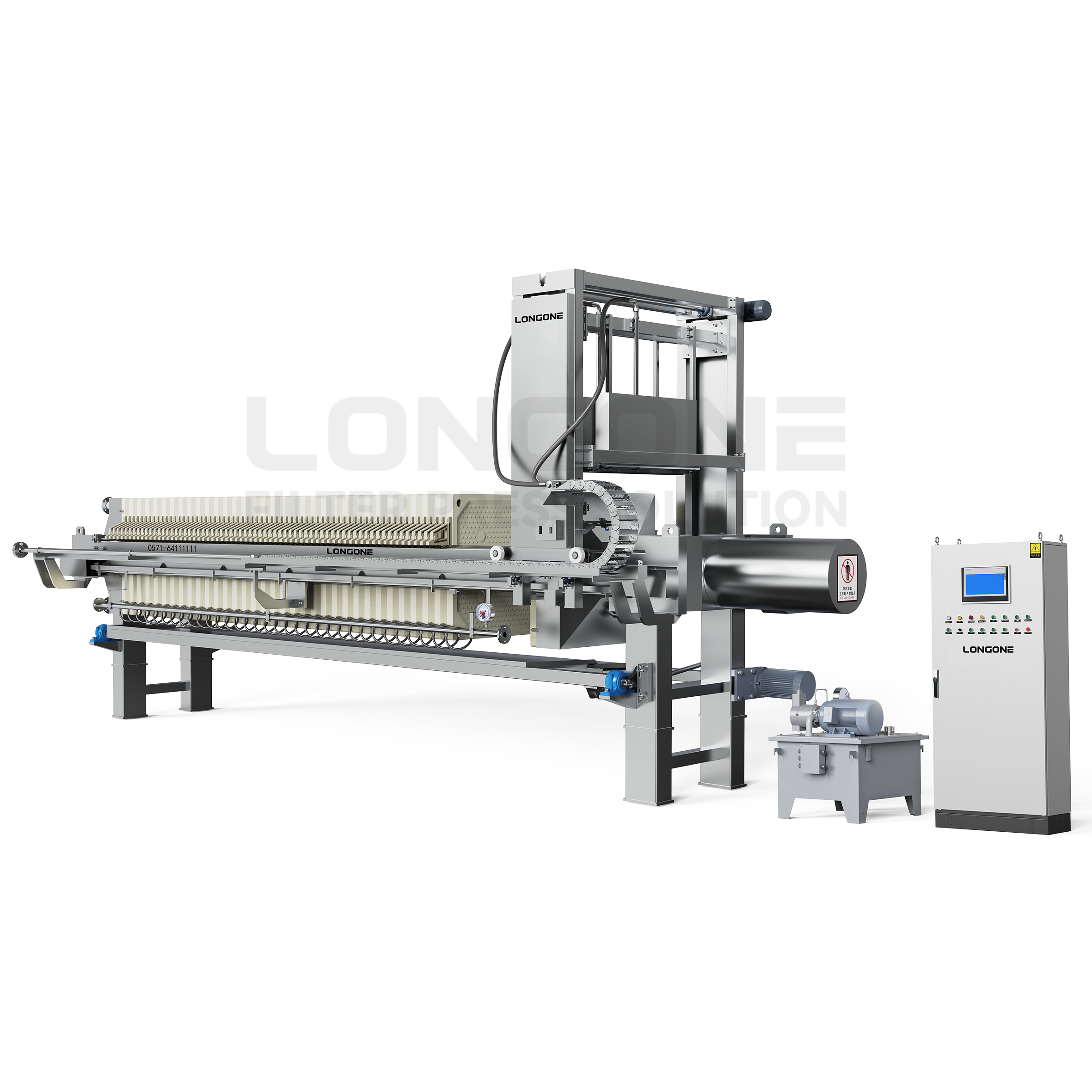
The filter plate is the heart of any filter press. Most buyer guides focus on pump type and flow rate and say little about the plate, yet the plate largely determines how well the press performs in a sugarhouse.
Surface channel pattern. The face of the plate carries a grid of channels, often a waffle or pyramid pattern, that supports the filter paper and gives filtered syrup a path to the outlet. If the channels are too shallow or unevenly spaced, the paper is poorly supported and flow becomes uneven. Syrup then runs through a few areas of the paper while the rest sits idle, which means pressure climbs sooner and filter capacity is wasted.
Port size and feed path. The feed and discharge ports control how evenly syrup reaches each plate. Undersized ports create pressure drop before the syrup even reaches the media. For thick, hot syrup, generous and smooth flow paths make a visible difference in how consistently the press runs from the first plate to the last.
Plate thickness and cake capacity. The space available for solids determines how much sugar sand a run can hold before the press needs to be opened. A press that fills too quickly means more stops, more paper changes, and more labor during a busy season.
Material and temperature rating. This is the point buyers most often overlook. Maple syrup is filtered at roughly 180–190°F, which is above the typical rating of standard polypropylene filter plates, commonly around 80°C (176°F). For hot syrup service, buyers should look at food-grade stainless steel plates or heat-stabilized plate materials, and should always ask the supplier for the plate’s rated working temperature in writing. A plate that is perfectly suitable for wastewater duty may soften, warp, or leak when it sees hot syrup every day.
Food-contact surfaces and seals. Every surface that touches syrup should be food-grade, smooth, and easy to clean. Gaskets and seals should be food-grade and rated for the temperature. Plates and frames with crevices or dead zones trap residue, which becomes a hygiene problem and a source of off-flavors.
Ease of disassembly. Sugaring seasons are short and demanding. Plates that separate cleanly and a frame that opens and closes without special tools save real time over a season.

Choosing the Right Size and Type for Your Sugarhouse
Sizing is the most common source of disappointment. Buyers often size a press by the number of taps, but taps are only a rough proxy. The more useful numbers are how much syrup your evaporator produces on a peak day, and how long you are willing to spend filtering it.
A press that is too small forces the operator to compensate by raising feed pressure. As explained above, this pushes sugar sand into the paper and shortens the life of every run. A modestly larger press operates at lower pressure, filters more evenly, and handles a bad day better. When in doubt, leave some filtration-area headroom.
Pump type also shapes how the press behaves. The table below summarizes common options and the scale where each tends to fit.
| Feed method | How it works | Typically suited to | Main consideration |
|---|---|---|---|
| Hand pump | Operator pumps syrup through the press by hand | Hobby and small-batch producers | Lowest cost and simplest to maintain, but slow and labor-intensive for larger volumes |
| Pneumatic diaphragm pump | Driven by an air compressor | Small to mid-size sugarhouses | Adjustable flow, copes well with thick syrup; needs an air supply |
| Electric diaphragm pump | Electric motor drives the diaphragm | Mid-size to commercial operations | Steady, higher flow suited to regular production; needs a reliable power supply |
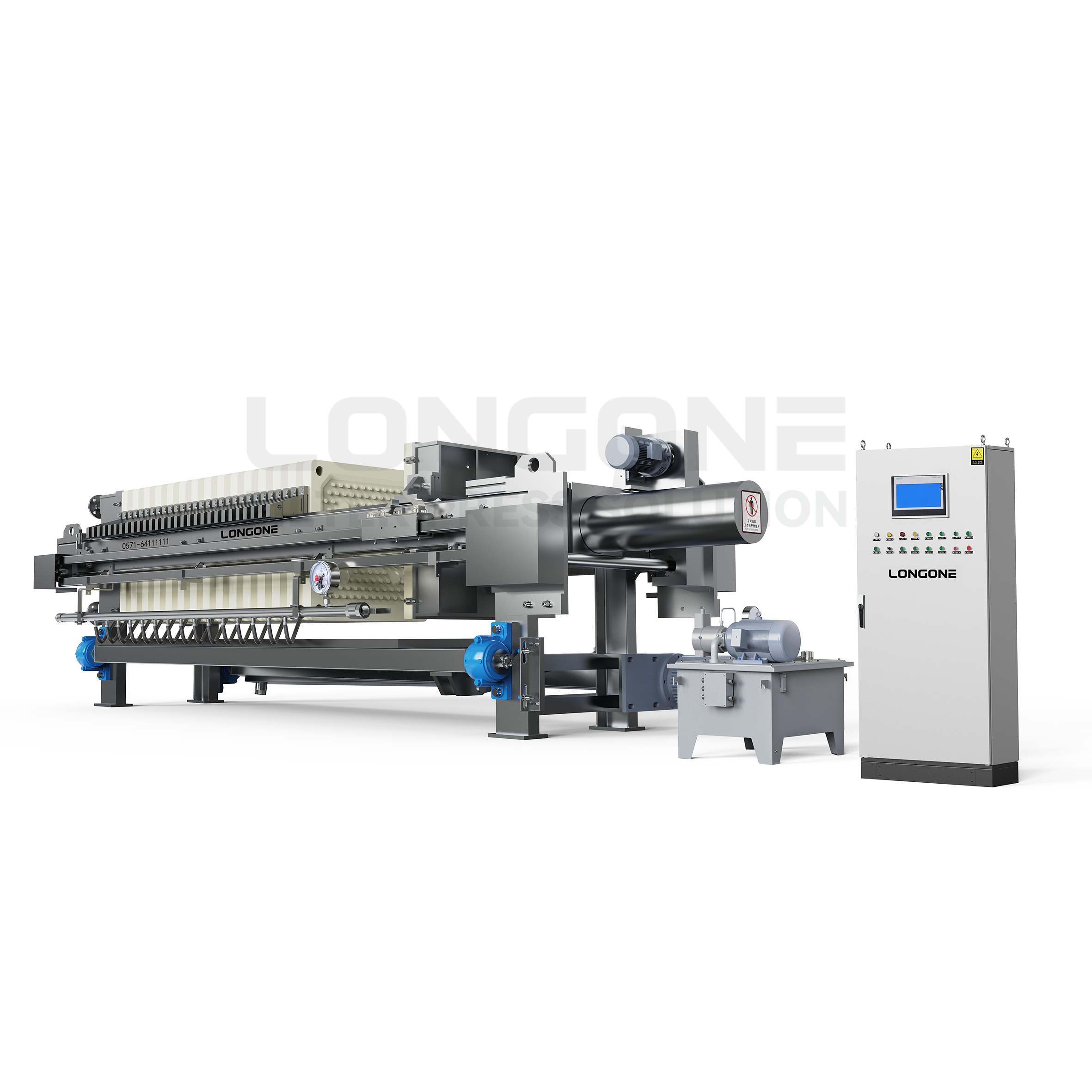
| Manual vs. powered clamping | Hand-crank or hydraulic frame closure | Depends on plate count and run frequency | Hand-crank frames are simple and durable at smaller sizes; hydraulic closure saves effort on larger stacks |
A few practical points for the buying decision:
- Match the press to your growth. If you plan to expand taps within a few seasons, choose a frame that allows additional plates.
- Think about handling. A press mounted on a wheeled frame is easier to move between the evaporator and the bottling area.
- Think about the whole season, not one batch. The right press is the one you can open, clean, and reassemble quickly on the fifteenth day in a row.

Operating Tips: Temperature, Pressure, Filter Aid, and Filter Media
Most filtration problems come down to a handful of habits.
Keep the syrup hot. Do not let a batch sit and cool before filtering. If the syrup has cooled, reheat it to the working range before it enters the press.
Raise pressure gradually. A steady, slow increase protects the filter paper and extends the run. If flow slows, do not simply push harder. Stop and check the paper and the precoat first.
Use filter aid deliberately. DE helps by forming a fine, permeable layer over the paper. The amount needed varies with the syrup. Darker syrup and late-season syrup, which often carry more fine material, usually need more filter aid than light early-season syrup. Follow your filter aid supplier’s guidance and adjust by observation rather than by a fixed rule.
Choose media to match the job. Filter paper is common because it is inexpensive and quick to replace. Replace it when pressure rises sharply or when the paper shows damage, rather than waiting for it to fail.
Check hoses and connections before each run. The lines between the pump and the press carry the highest pressure in the system and are a common point of leaks.
Always release pressure before opening. Syrup in the press is hot. Releasing pressure fully before discharge protects the operator and the equipment.
Cleaning, Maintenance, and Common Problems
After each run. Rinse the plates, frame, and lines with hot water to remove residual sugar before it hardens. If detergent is used, rinse until no residue remains so nothing carries over into the next batch.
Seasonal care. At the end of the season, clean thoroughly, dry the components, and store the plates flat or supported to prevent distortion. Lubricate threaded parts and moving components with food-grade lubricant only.
Common problems and likely causes:
- Flow slows early in the run: syrup too cool, pressure raised too fast, or the filter paper is blinded. Reheat, reduce feed pressure, and replace the paper.
- Syrup is still cloudy after filtering: not enough filter aid, a damaged or poorly seated paper, or a seal leak. Check the precoat, replace the paper, and inspect seals.
- Leaking at the plate edges: worn gaskets, uneven clamping, or a warped plate. Inspect gaskets and plate surfaces and re-tighten evenly.
- Plates warp or soften over time: the plate material may not be rated for the working temperature. Verify the plate’s rated temperature with your supplier.
FAQ
What temperature should maple syrup be when it is filtered?
Most producers filter finished syrup hot, commonly around 180–190°F (82–88°C). Cooler syrup is thicker and clogs the filter media quickly.
Why is my filtered syrup still cloudy?
The usual causes are insufficient filter aid, a torn or poorly seated filter paper, filtering syrup that has cooled, or a seal leak that lets unfiltered syrup bypass the media.
Do I need diatomaceous earth with a filter press?
Not always, but many sugarmakers use it because it forms a fine layer that captures fine sugar sand and protects the paper from clogging. The amount depends on the syrup, with darker or late-season syrup typically needing more.
How do I choose the right filter press size?
Size by your evaporator’s peak output and the time you want filtering to take, not by tap count alone. An undersized press forces higher pressure, which shortens runs and clogs the paper.
How often should the filter paper be replaced?
Replace it when pressure climbs sharply, when flow stays slow even after reheating, or when the paper is damaged. Frequency depends on syrup quality, filter aid use, and batch size.
Conclusion
A maple syrup filter press does a narrow job, and doing it well comes down to a few engineering choices: a plate material rated for hot syrup, a plate design that spreads flow evenly, and a press sized for your actual peak production. If you are comparing options or planning a larger sugarhouse, our engineering team is happy to review your syrup volume, working temperature, and space constraints and suggest a suitable configuration. You can reach us through the inquiry form on this page.