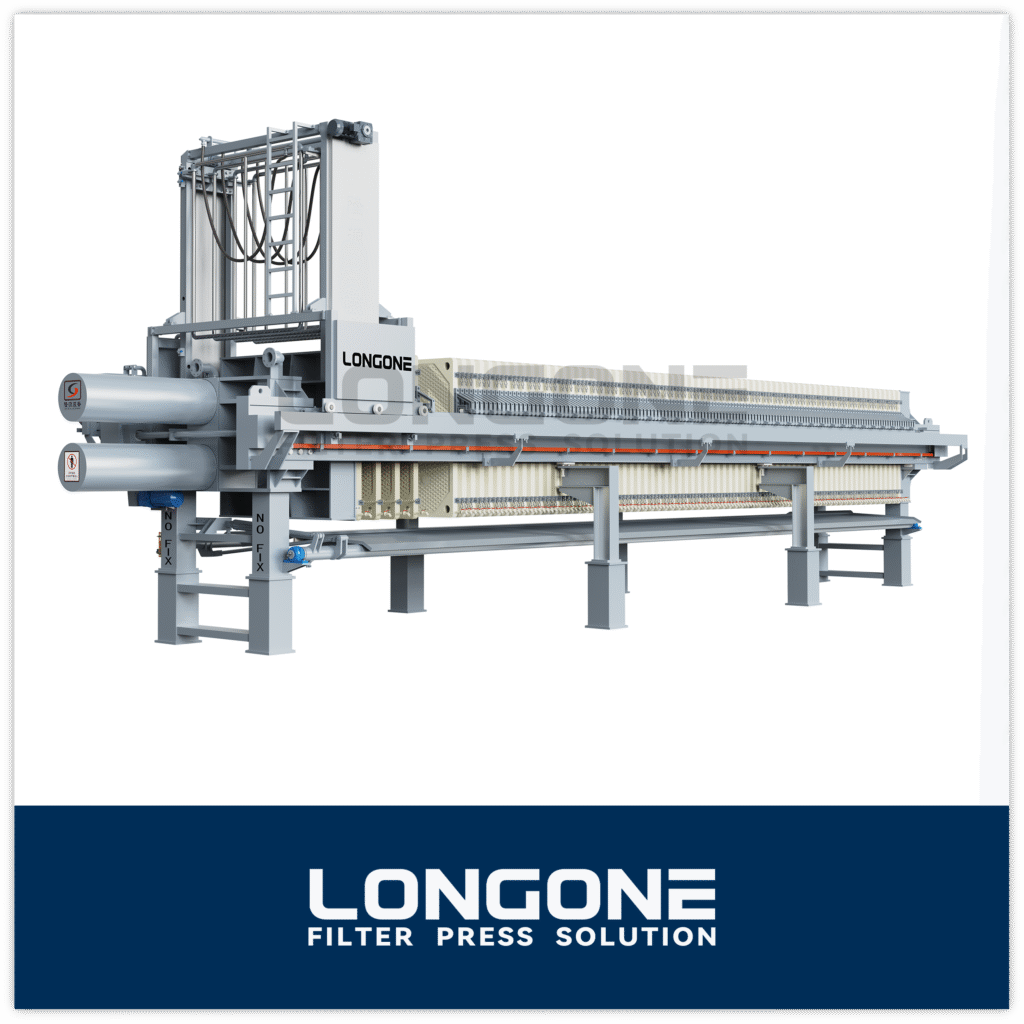
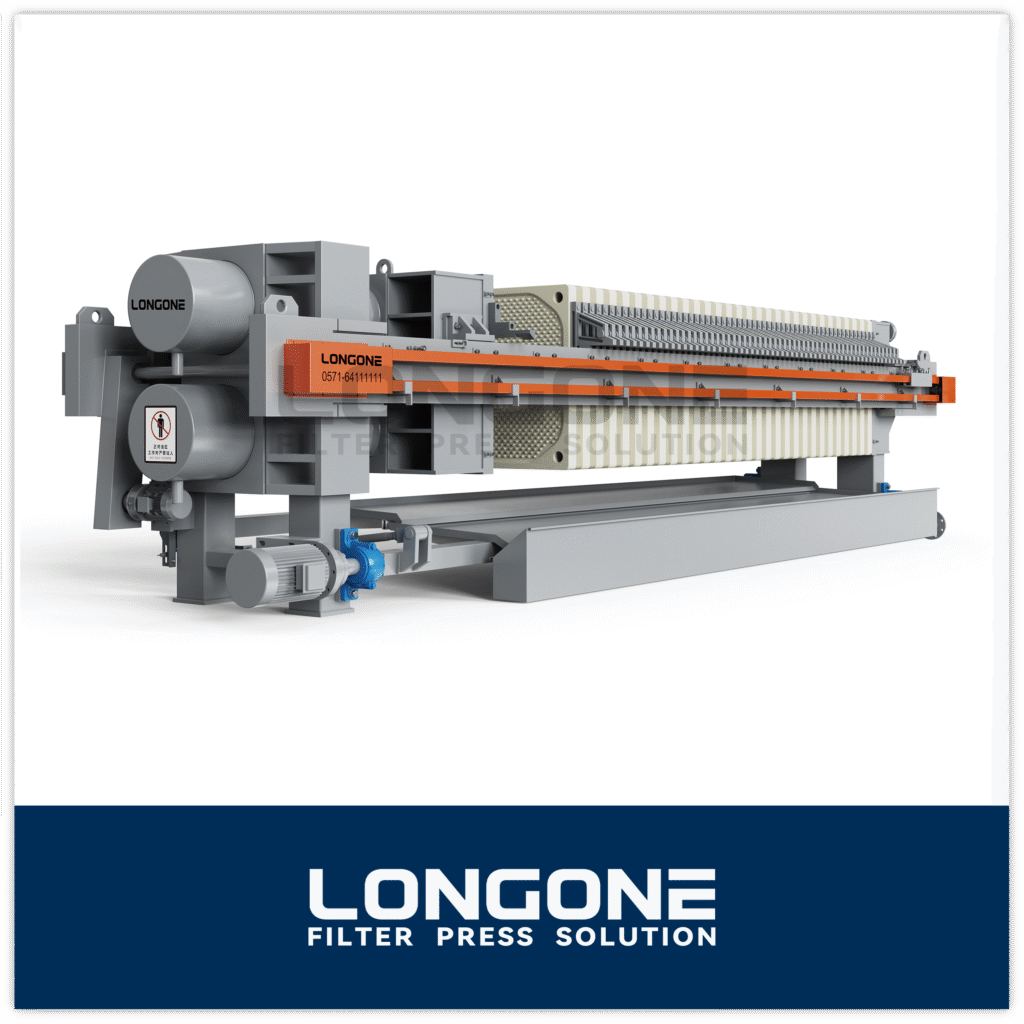
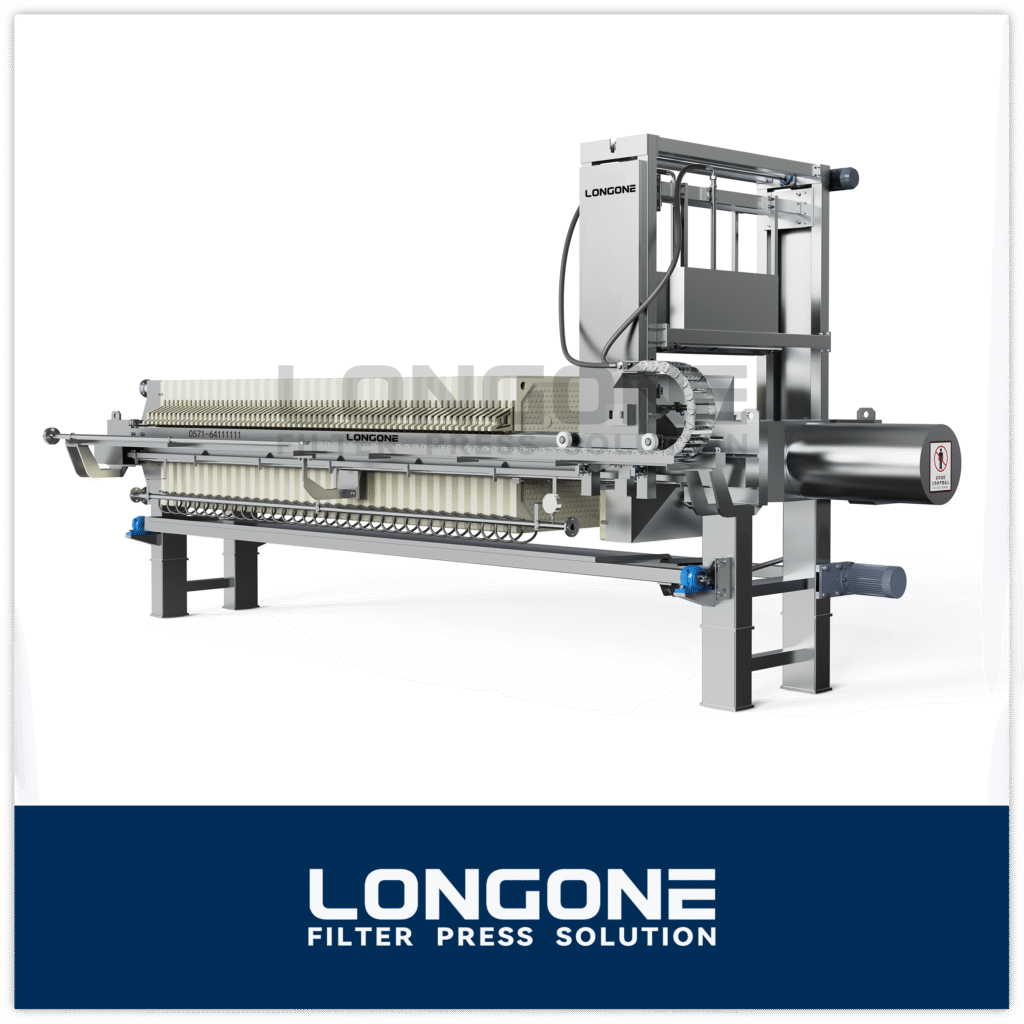
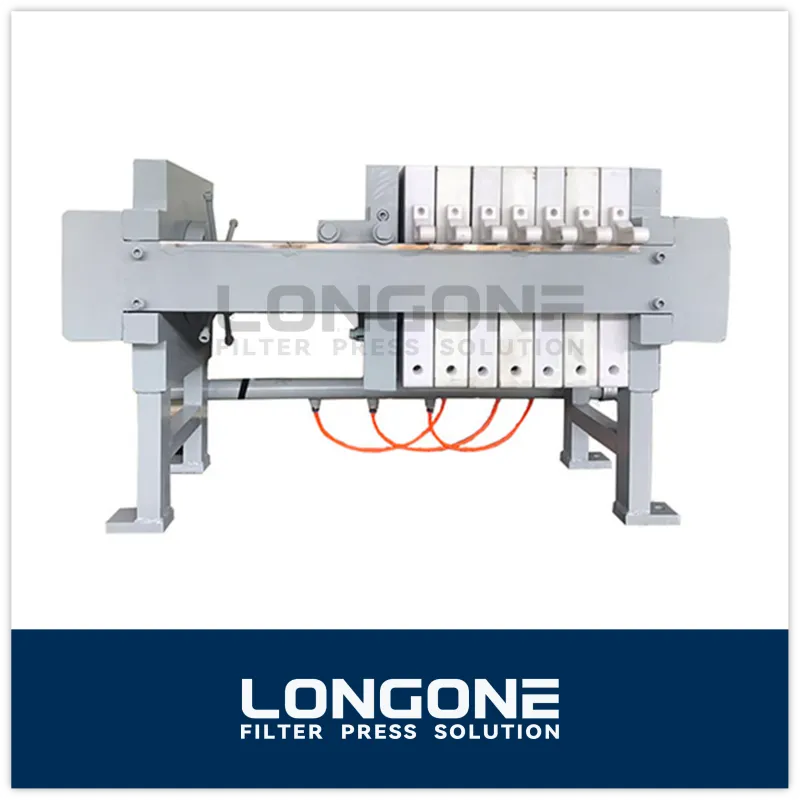
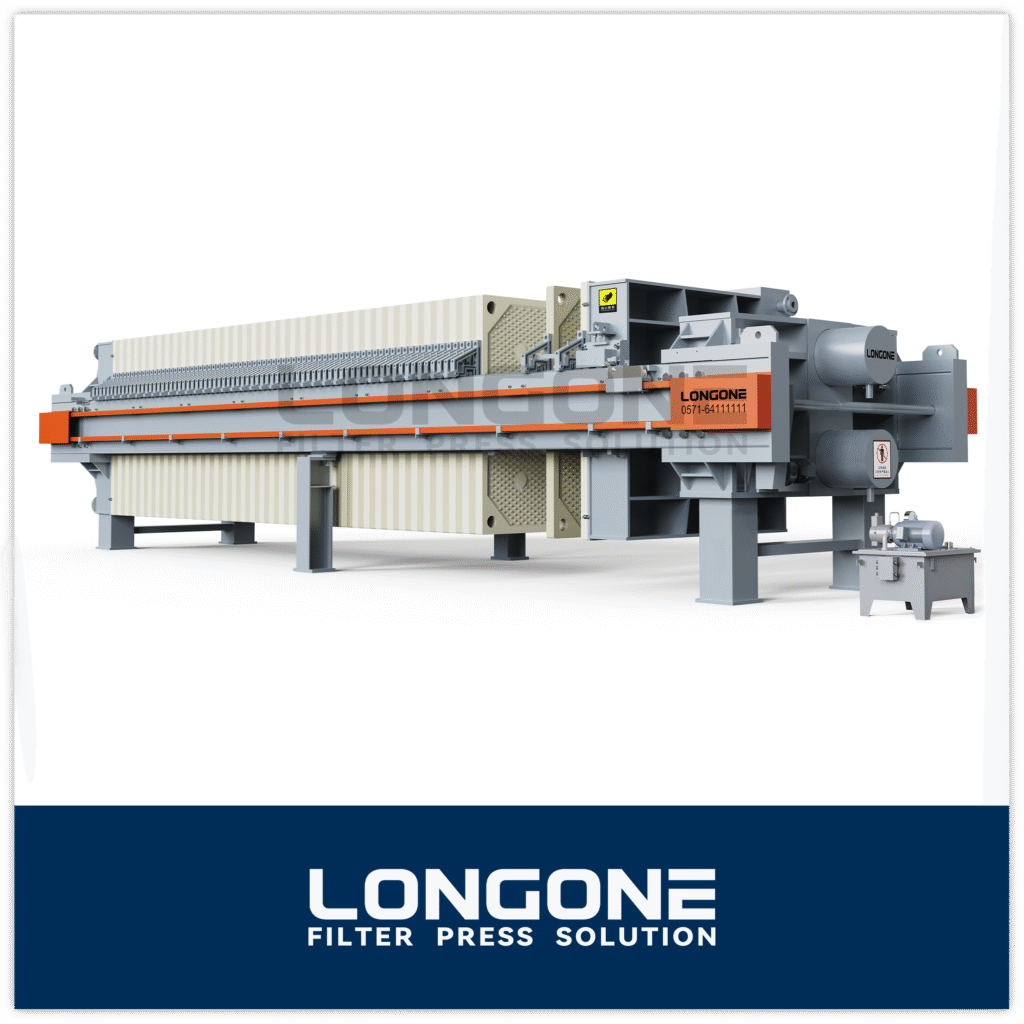
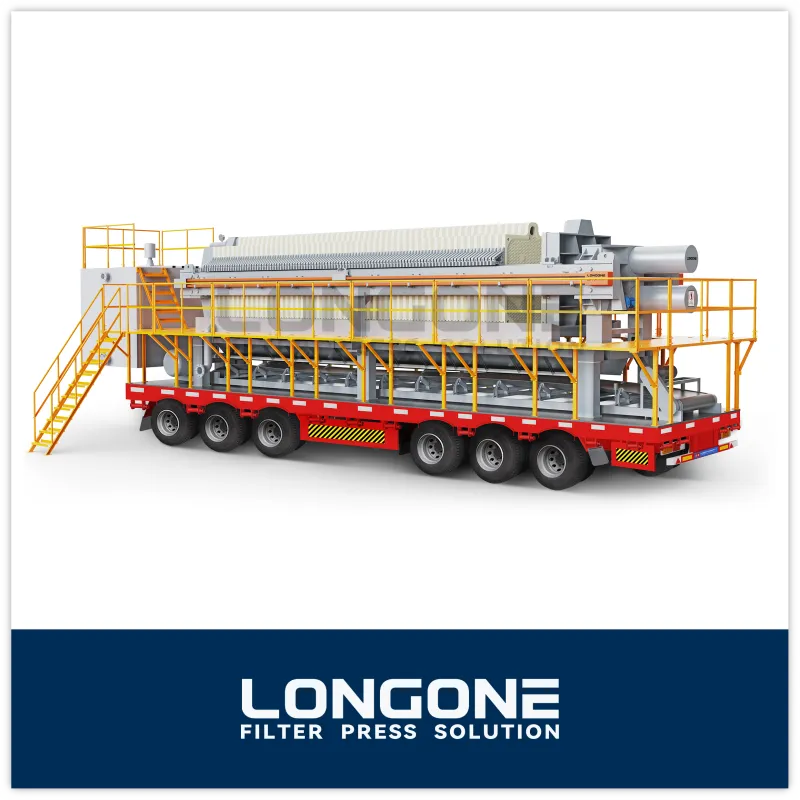
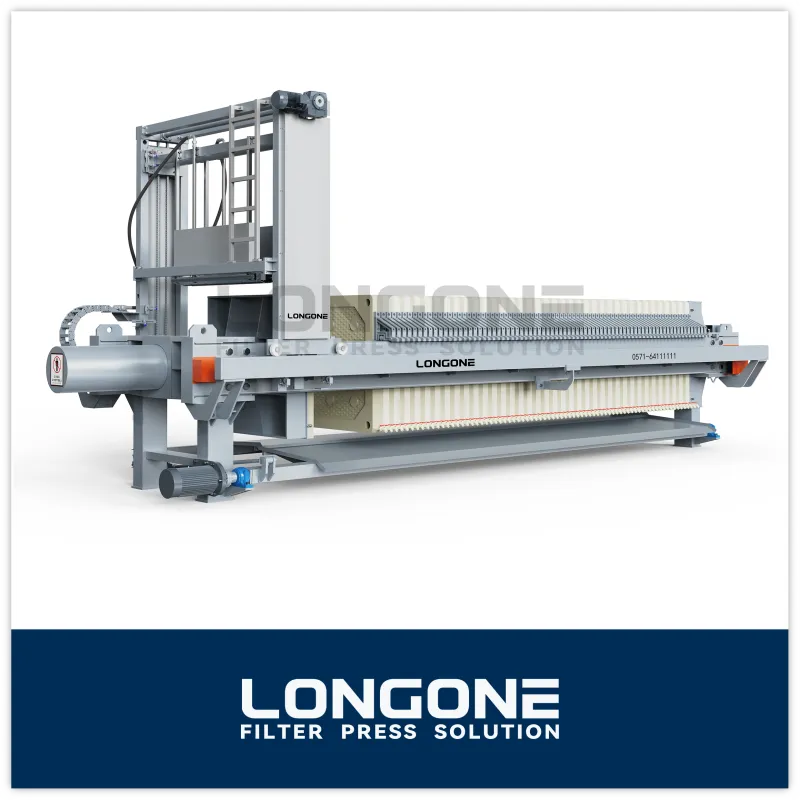
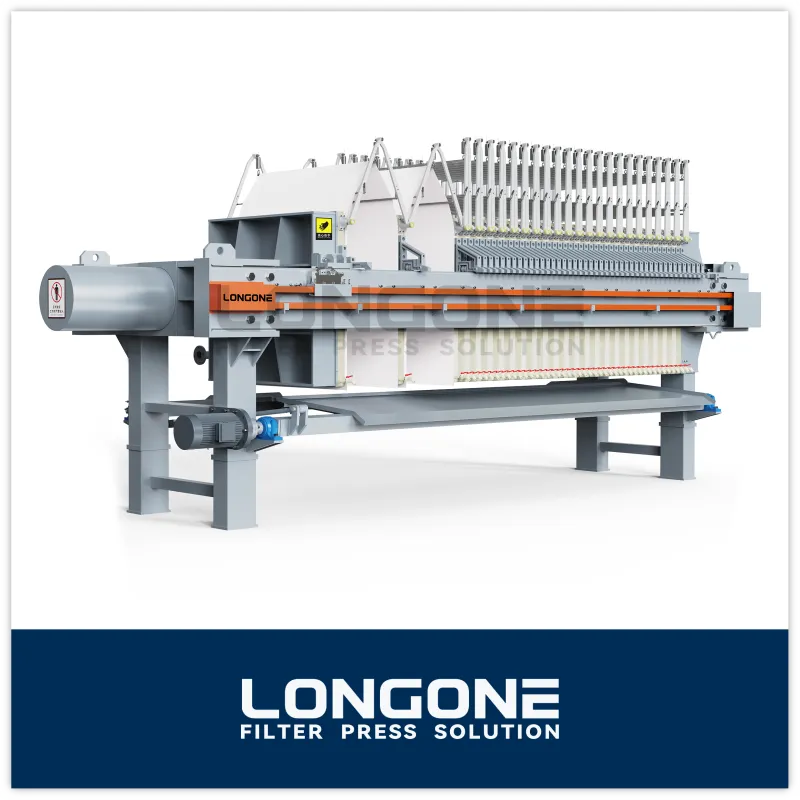
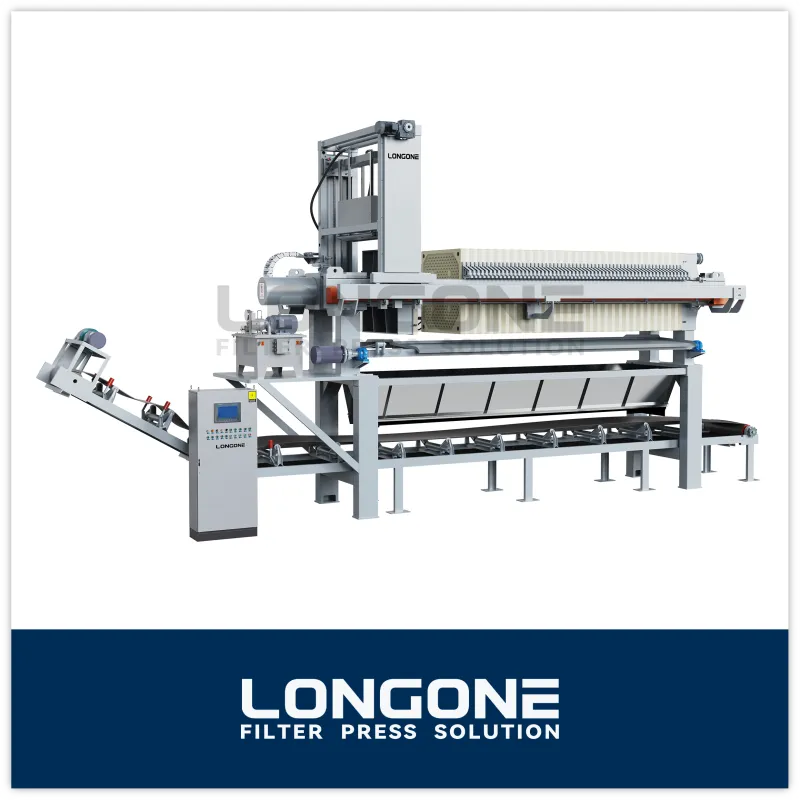
A filter press is one of the most widely used solid-liquid separation machines in industries such as mining, wastewater treatment, chemical processing, food production, and pharmaceuticals. By applying high pressure to separate liquid from solid materials, filter presses help improve production efficiency, reduce waste volume, and achieve effective sludge dewatering.
However, continuous operation under high pressure, frequent material contact, and demanding industrial environments can gradually affect equipment performance. Without proper maintenance, problems such as reduced filtration efficiency, hydraulic system failures, filter plate leakage, and unexpected downtime may occur.
Regular filter press maintenance is essential for maintaining stable operation, extending equipment service life, and reducing long-term operating costs. A well-planned maintenance program should include daily inspections, monthly preventive maintenance, and periodic deep inspections of mechanical, hydraulic, electrical, and filtration components.
This guide explains the key maintenance procedures required to keep a filter press operating efficiently and reliably.
Why Filter Press Maintenance Is Important
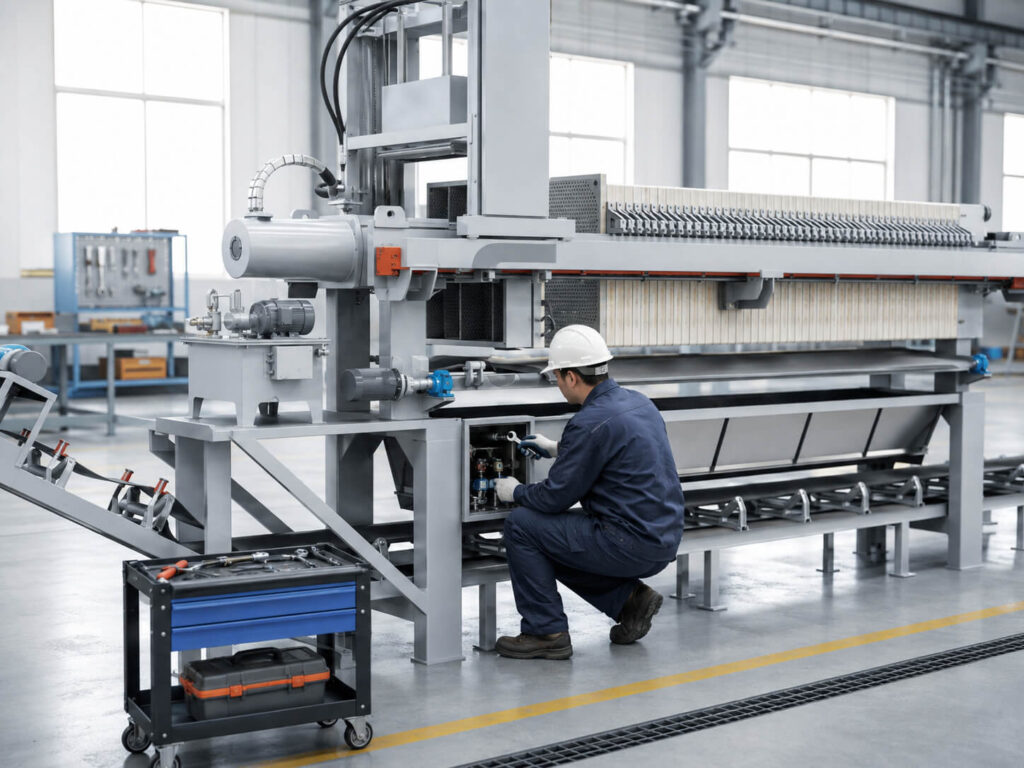
Filter presses are designed for heavy-duty industrial applications, but even high-quality equipment requires regular inspection and maintenance. Proper maintenance provides several important benefits.
Maintain Stable Filtration Performance
The efficiency of a filter press depends on many factors, including filter cloth condition, hydraulic pressure stability, plate sealing performance, and feeding conditions.
When components become worn or contaminated, filtration performance can decline. Common symptoms include:
- Longer filtration cycles
- Higher filter cake moisture
- Poor filtrate clarity
- Reduced production capacity
Routine maintenance helps identify problems before they affect production.
Reduce Equipment Downtime
Unexpected equipment failures can interrupt production schedules and increase operational costs.
For example:
- Hydraulic oil contamination may cause cylinder failure.
- Damaged filter cloths may reduce filtration efficiency.
- Loose bolts may lead to structural vibration or leakage.
Preventive maintenance allows operators to replace worn parts before serious failures occur.
Extend Equipment Service Life
A filter press contains many mechanical and hydraulic components that experience continuous stress during operation.
Regular maintenance can reduce:
- Mechanical wear
- Corrosion damage
- Hydraulic component aging
- Electrical system failures
Proper care can significantly extend the working life of the equipment.
Main Components That Require Filter Press Maintenance
Filter Plates Maintenance
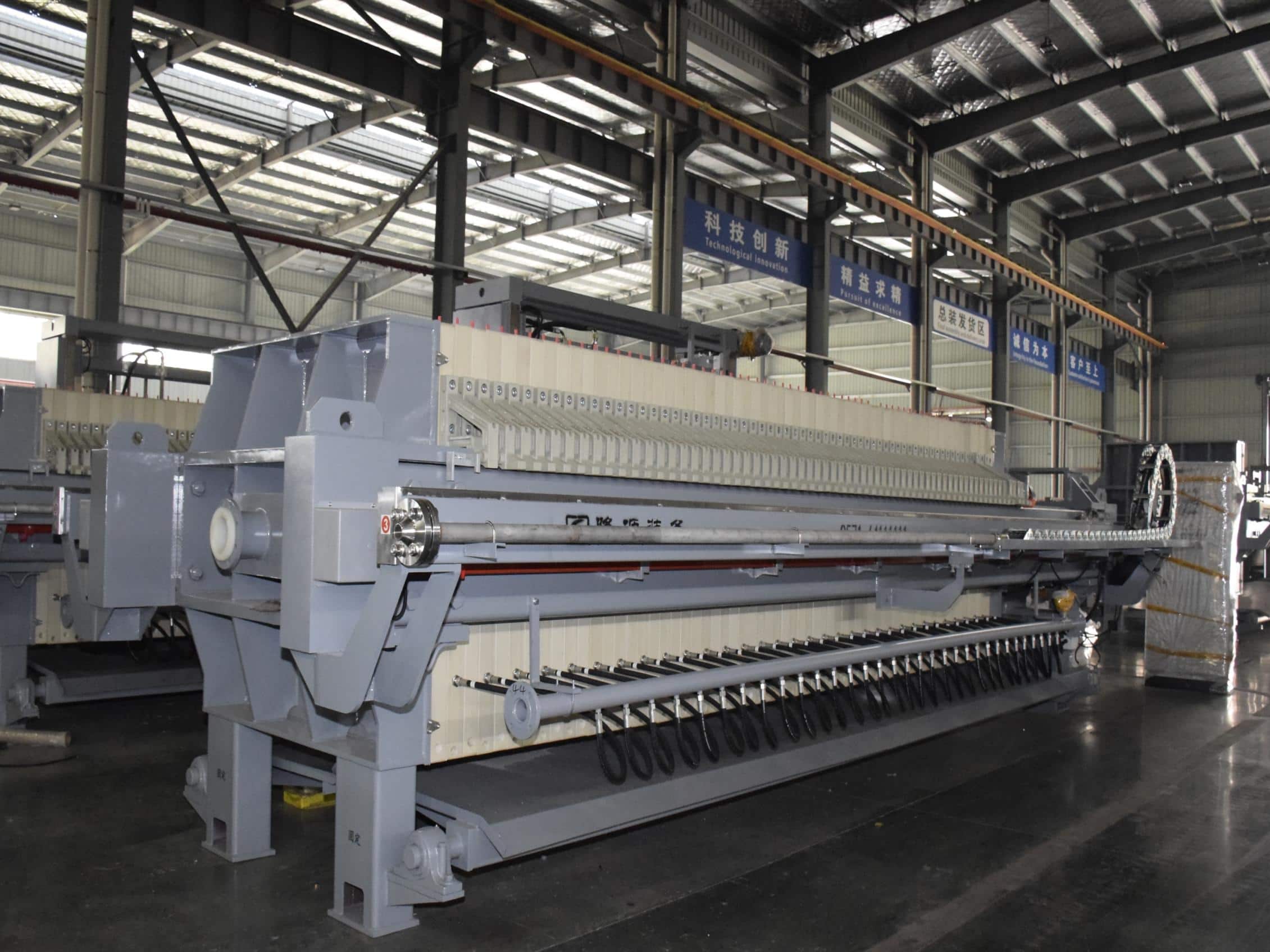
Filter plates are the core filtration components of a filter press. During operation, plates are repeatedly closed under high pressure and exposed to abrasive materials.
Regular inspection should include:
- Checking plate surfaces for cracks or deformation
- Removing residual filter cake materials
- Inspecting sealing edges
- Ensuring plates are correctly aligned
Damaged or deformed plates may cause:
- Sludge leakage
- Uneven filter cake formation
- Reduced filtration pressure
Cleaning filter plates after each operation cycle helps prevent material buildup and improves sealing performance.
Filter Cloth Maintenance
Filter cloths directly influence filtration speed and cake quality. Over time, filter cloths may become blocked, stretched, damaged, or chemically degraded.
Operators should regularly check:
- Cloth holes or tears
- Surface blockage
- Reduced permeability
- Incorrect installation position
A damaged filter cloth should be replaced immediately because it can lead to:
- Poor solid-liquid separation
- Increased filtration time
- Dirty filtrate discharge
Proper cleaning methods should also be selected according to the material characteristics being filtered.
Hydraulic System Maintenance
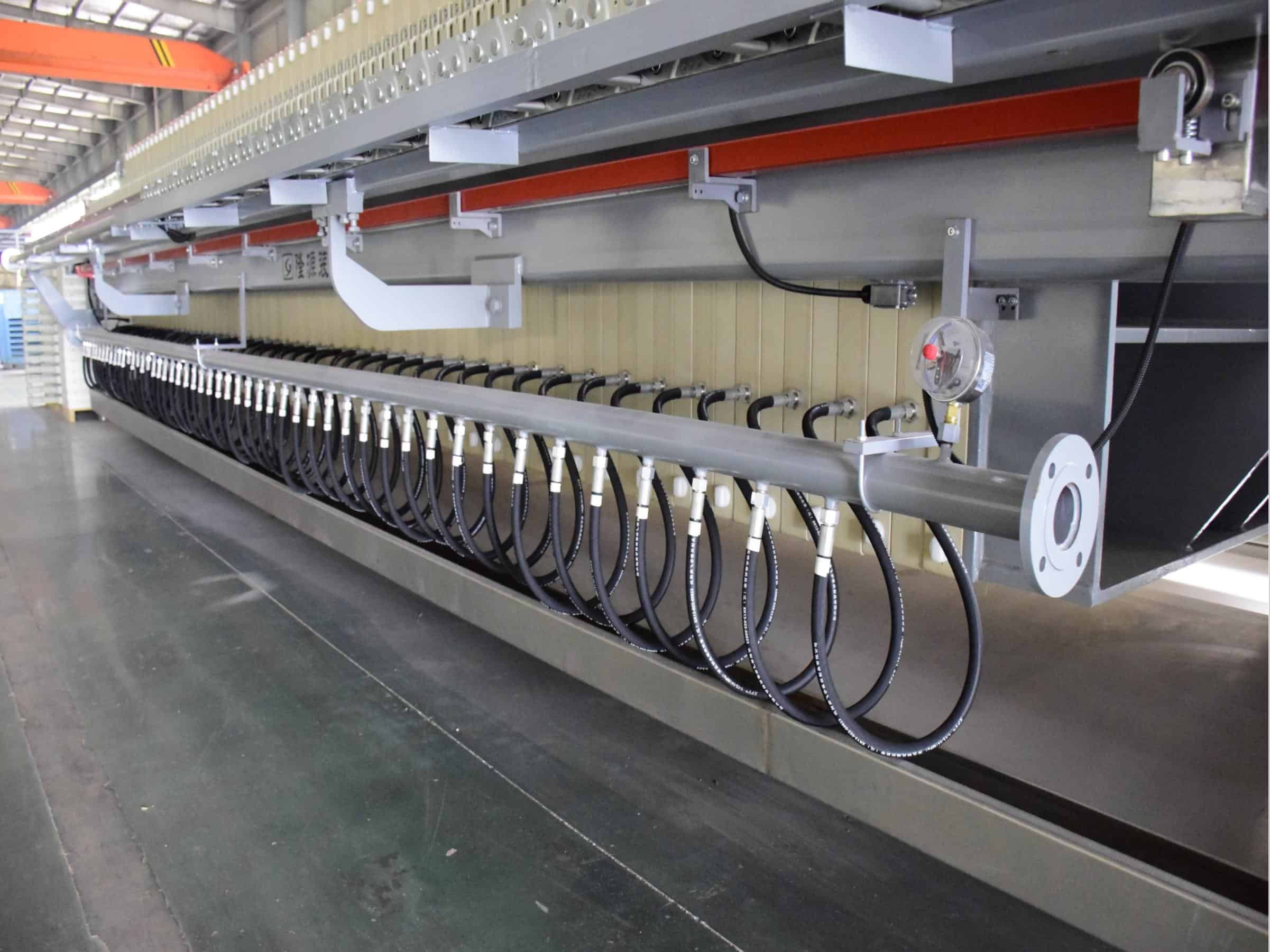
The hydraulic system provides the closing force required for filter plate compression. Stable hydraulic performance is essential for safe operation.
Maintenance tasks include:
- Checking hydraulic oil level
- Inspecting oil cleanliness
- Monitoring pressure stability
- Checking hydraulic cylinder seals
- Inspecting valves and hydraulic connections
Possible hydraulic problems include:
- Insufficient closing pressure
- Oil leakage
- Slow plate movement
- Unstable operation pressure
Regular hydraulic inspection helps maintain consistent filtration pressure and prevents unexpected shutdowns.
Mechanical and Electrical Component Maintenance
Important inspection areas include:
- Guide rails
- Rollers and wheels
- Transmission chains
- Motors
- Electrical control cabinets
- Sensors and limit switches
Maintenance should ensure:
- Moving parts operate smoothly
- Electrical signals are accurate
- Safety devices function correctly
Daily Filter Press Maintenance Procedures
After filtration is completed, remove remaining materials from:
- Filter plates
- Machine frame
- Feeding area
- Discharge area
Accumulated sludge and dust may affect equipment movement and accelerate component wear.
Check Bolts and Connections
Daily inspection should include:
- Frame bolts
- Hydraulic pipe connections
- Feeding pipelines
- Filtrate discharge connections
Any loose connection should be tightened immediately.
Inspect Hydraulic Oil Level and Condition
Operators should check:
- Oil level inside the hydraulic tank
- Oil color and cleanliness
- Signs of contamination
- Possible leakage
Dirty or insufficient hydraulic oil can reduce system performance and damage hydraulic components.
Lubricate Moving Components
Moving components such as guide rails and rollers require proper lubrication.
Regular lubrication helps:
- Reduce friction
- Prevent mechanical blockage
- Improve movement stability
- Reduce wear
Check Electrical Safety Components
Daily electrical inspection should include:
- Control panel indicators
- Emergency stop buttons
- Sensors
- Limit switches
Safety components must remain functional.
Monthly Filter Press Maintenance Procedures
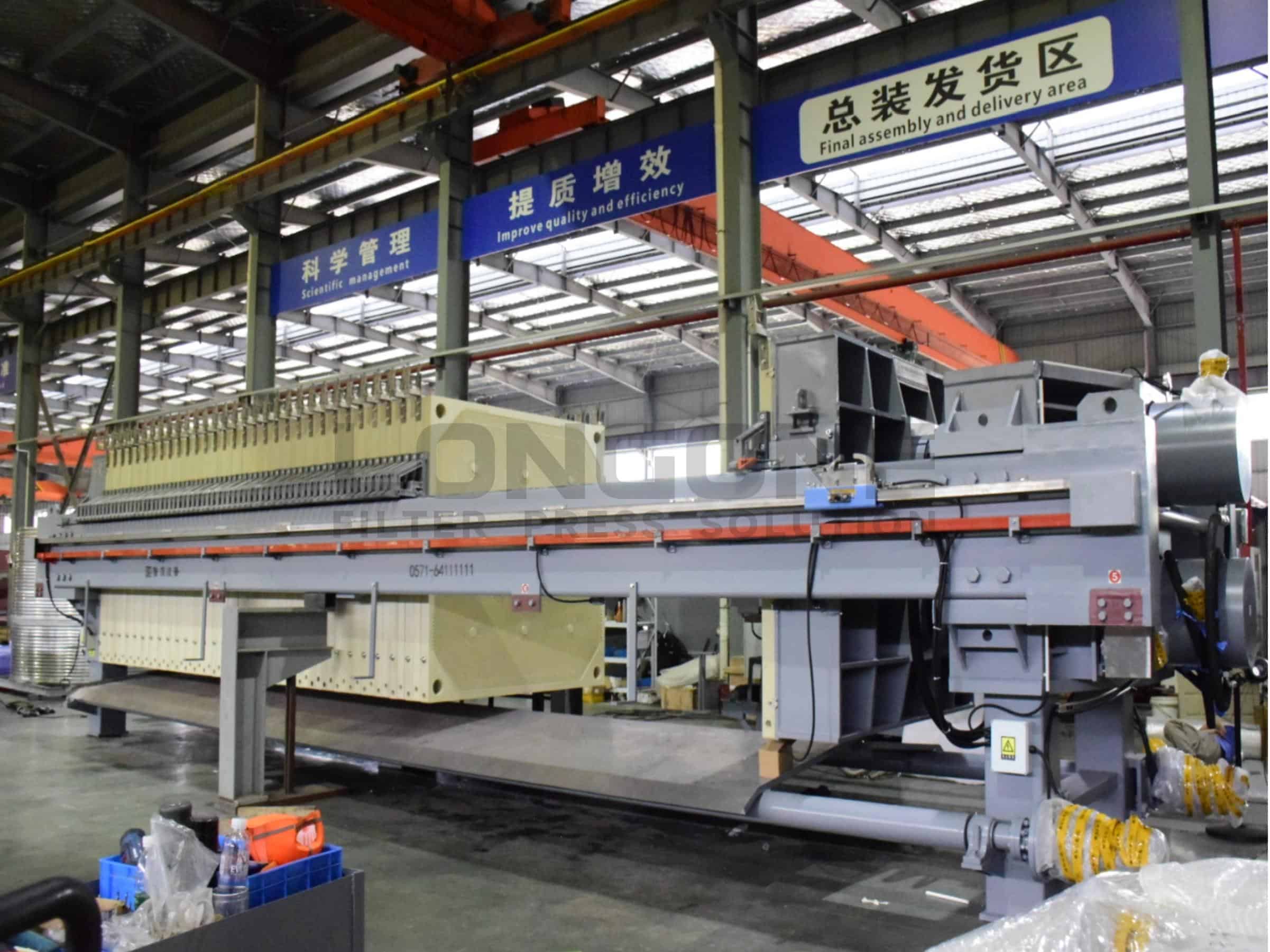
Inspect Filter Cloth Condition
Check:
- Aging problems
- Holes or cracks
- Material blockage
- Filtration performance
Replace filter cloth when it can no longer maintain proper filtration efficiency.
Check Hydraulic Oil Quality
Inspect:
- Oil cleanliness
- Moisture contamination
- Oil degradation
- Replacement requirements
Calibrate Pressure Gauges and Limit Switches
Monthly checks should include:
- Pressure gauge accuracy
- Hydraulic pressure readings
- Limit switch positioning
Tighten External Bolts
Inspect and tighten:
- Main frame bolts
- Support structures
- Mechanical fastening points
Six-Month Preventive Maintenance and Deep Inspection
Inspect Wear Parts
Check:
- Sealing components
- Hydraulic valves
- Valve cores
- Transmission chains
Replace worn components before failure occurs.
Inspect Main Frame Structure
Check:
- Main beam condition
- Welding points
- Structural deformation
- Cracks or fatigue damage
Test Electrical System Performance
Evaluate:
- Cable insulation
- Wiring connections
- Leakage risks
- Control system performance
Complete System Evaluation
Review:
- Operation history
- Previous failures
- Component replacement records
- Performance changes
Common Filter Press Problems Caused by Poor Maintenance
Filter Plate Leakage
Possible causes:
- Damaged filter cloth
- Dirty sealing surfaces
- Insufficient closing pressure
- Deformed plates
Solutions:
- Clean sealing surfaces
- Replace damaged cloth
- Check hydraulic pressure
Reduced Filtration Speed
Possible causes:
- Blocked filter cloth
- Incorrect pressure
- Material changes
- Aging components
Hydraulic System Failure
Possible causes:
- Contaminated hydraulic oil
- Damaged seals
- Valve malfunction
Increased Operating Costs
Poor maintenance may result in:
- Frequent repairs
- Higher energy consumption
- Longer filtration cycles
- Increased downtime
Best Practices to Extend Filter Press Service Life
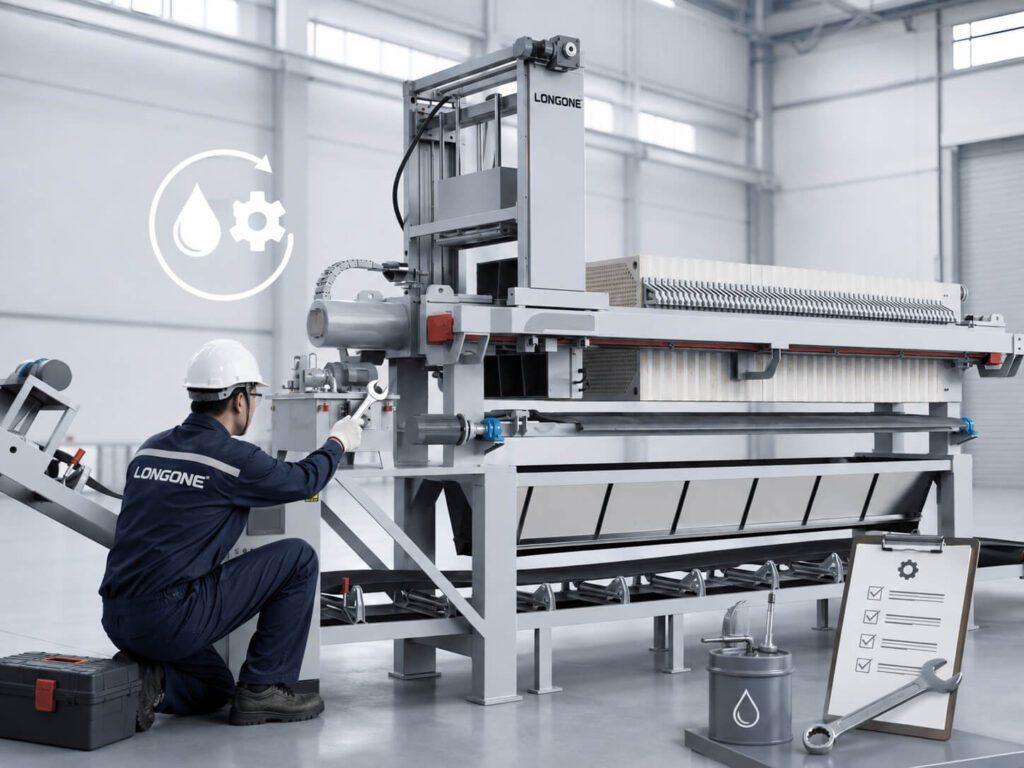
Create a Preventive Maintenance Schedule
| Maintenance Frequency | Main Tasks |
|---|---|
| Daily | Cleaning, leakage inspection, lubrication |
| Monthly | Filter cloth inspection, oil check, calibration |
| Every 6 Months | Wear parts inspection, structural checking |
Keep Maintenance Records
Record:
- Inspection dates
- Replaced components
- Equipment problems
- Operating conditions
Train Operators Properly
Operators should understand:
- Startup procedures
- Shutdown methods
- Cleaning requirements
- Safety operation
Use Suitable Spare Parts
Important spare parts include:
- Filter cloths
- Hydraulic seals
- Filter plates
- Valves
- Electrical components
How Often Should a Filter Press Be Maintained?
Maintenance frequency depends on:
- Operating environment
- Material characteristics
- Working hours
- Equipment type
Typical schedule:
| Maintenance Type | Frequency | Purpose |
|---|---|---|
| Daily inspection | Every operating day | Identify immediate issues |
| Monthly maintenance | Every month | Check performance |
| Deep inspection | Every six months | Prevent major failures |
Conclusion
Proper filter press maintenance is essential for achieving reliable filtration performance, reducing downtime, and extending equipment lifespan.
A complete maintenance program should include daily cleaning, monthly inspections, and six-month preventive maintenance.
By regularly checking filter plates, filter cloths, hydraulic systems, mechanical components, and electrical systems, operators can prevent common failures and maintain stable filtration performance.
Preventive maintenance is not only a repair strategy but also an important approach to improving production efficiency and reducing long-term operating costs.