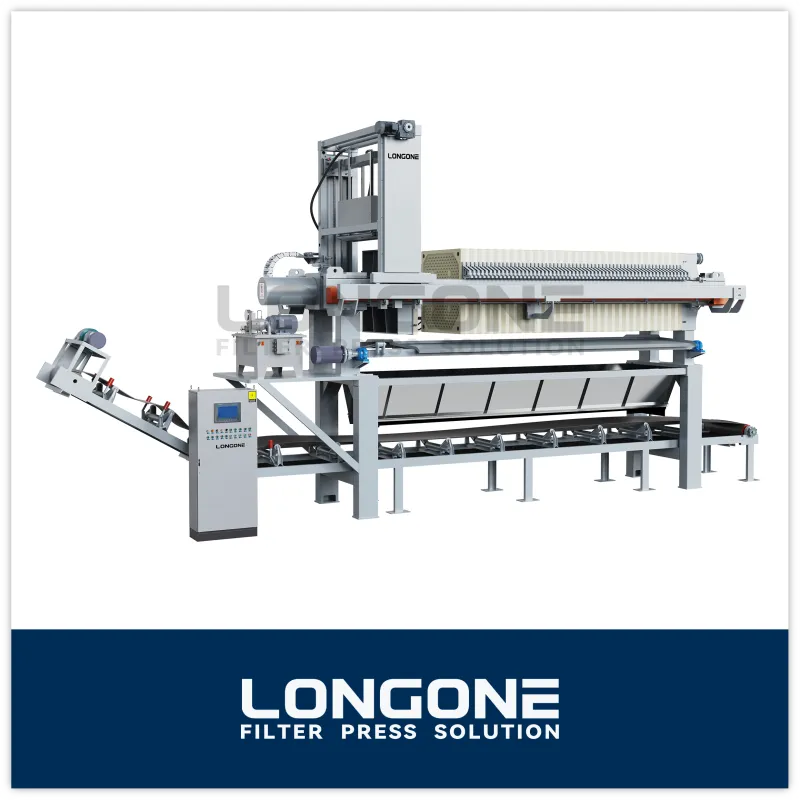
Industrial processes often generate slurries and sludge that are difficult and expensive to handle. This waste not only incurs high disposal costs but can also represent a significant loss of valuable product or reusable water. The solution lies in efficient solid-liquid separation, and understanding the full range of filter press applications is the first step toward optimizing your operation.
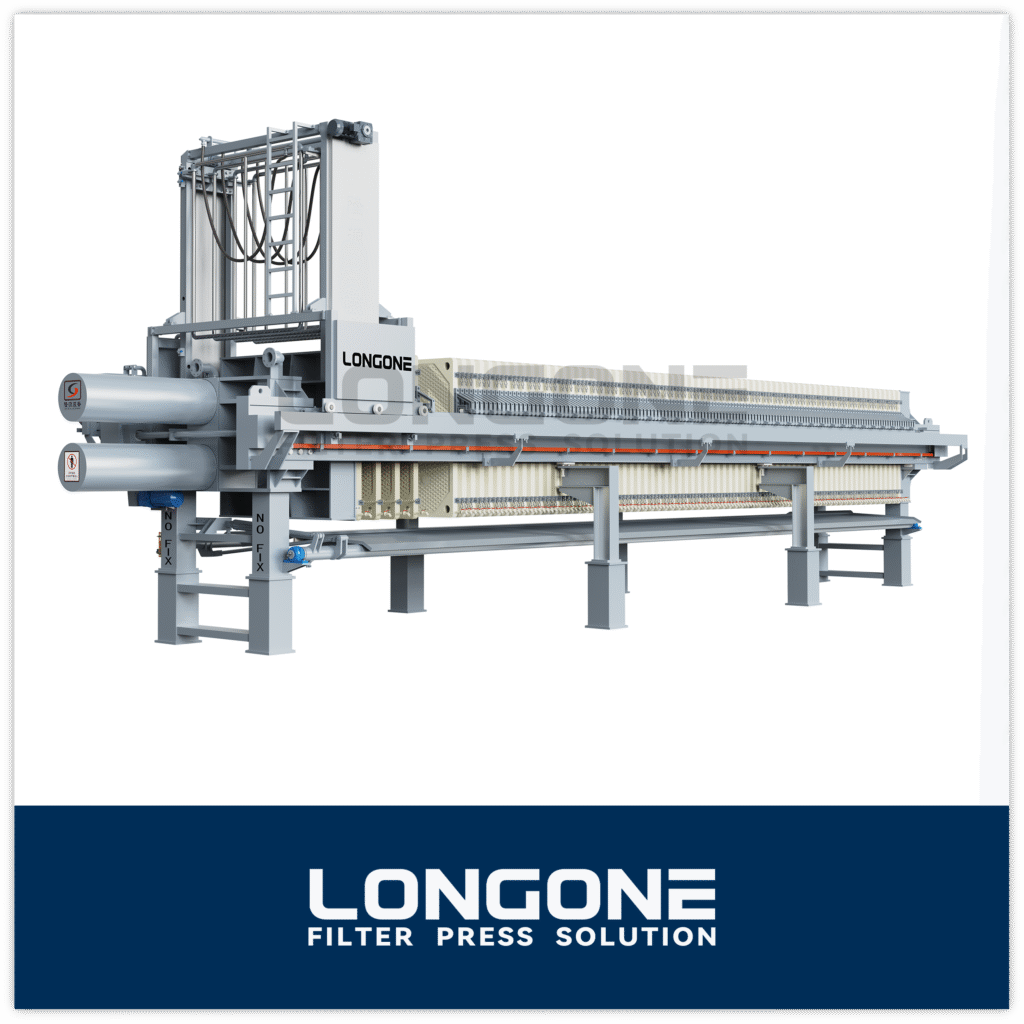
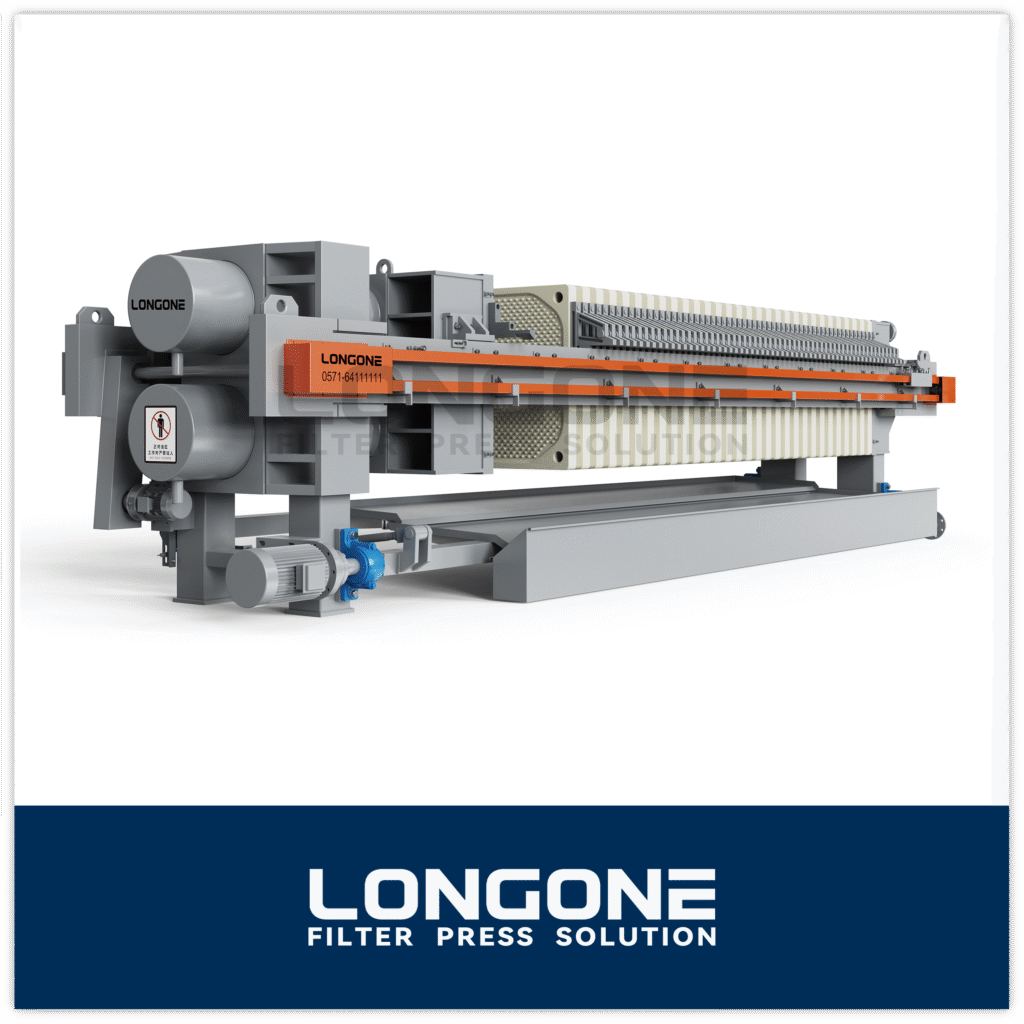
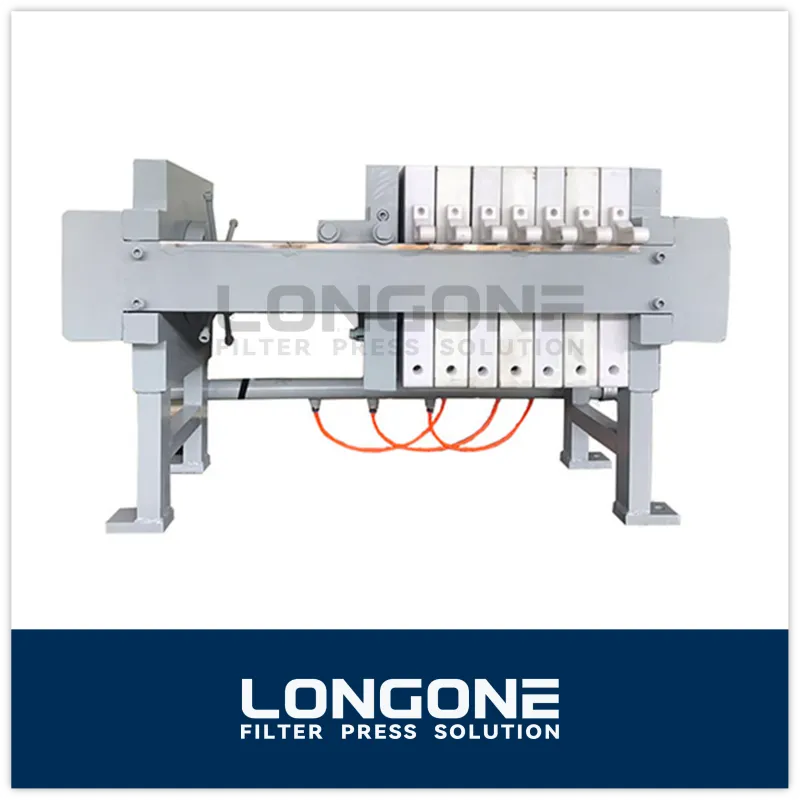
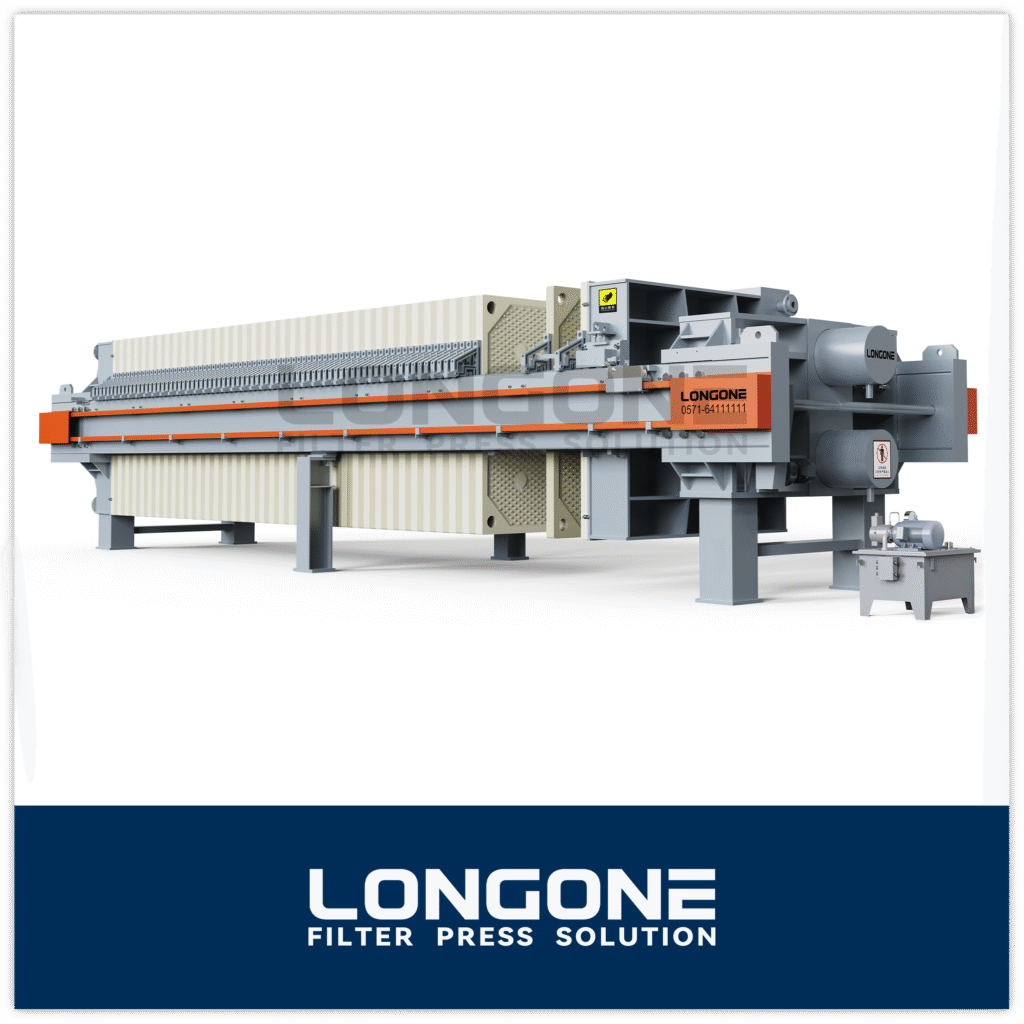
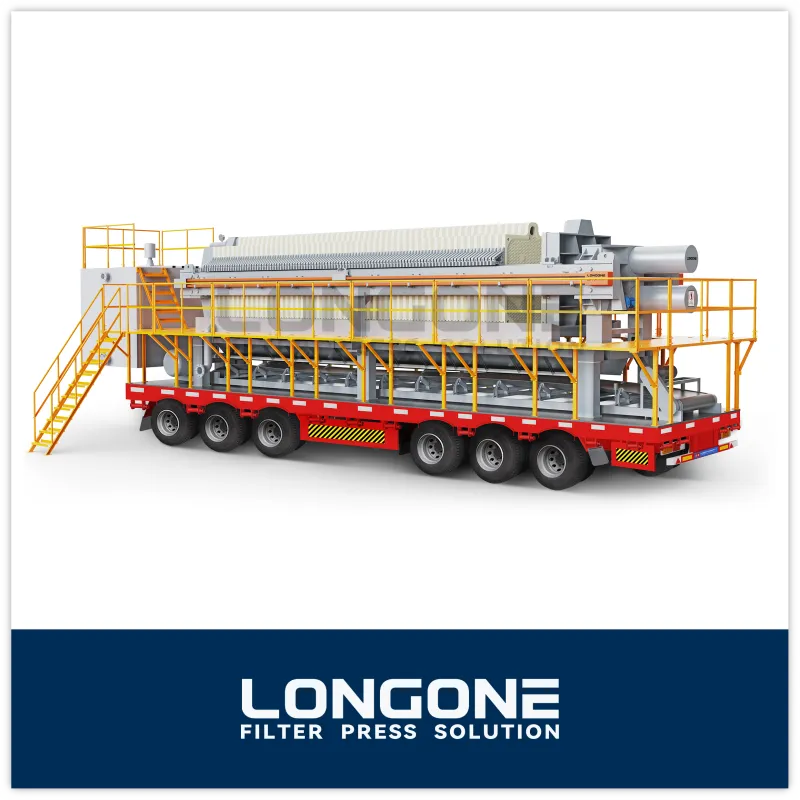
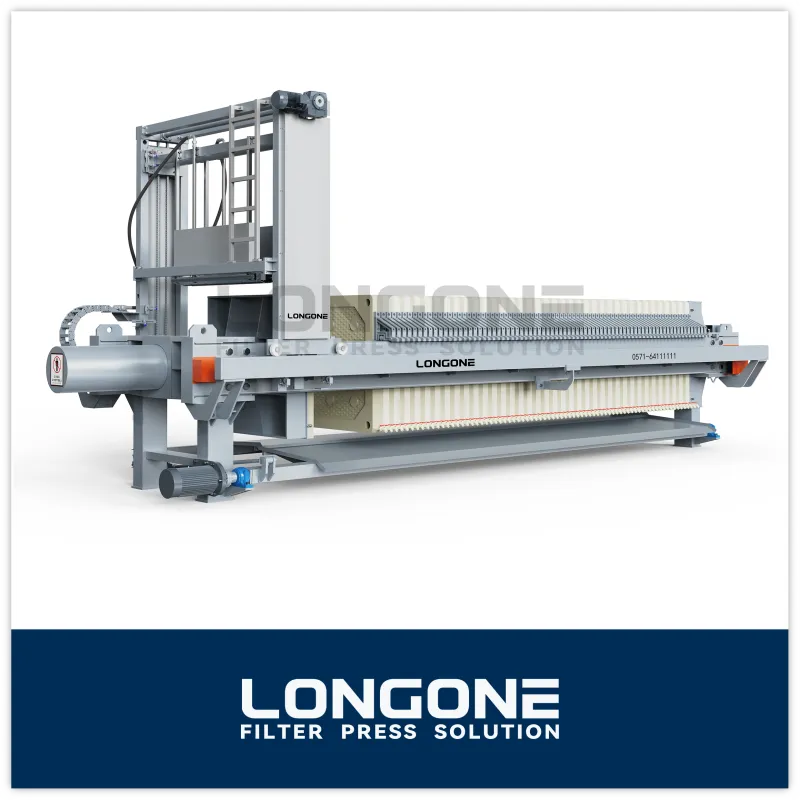
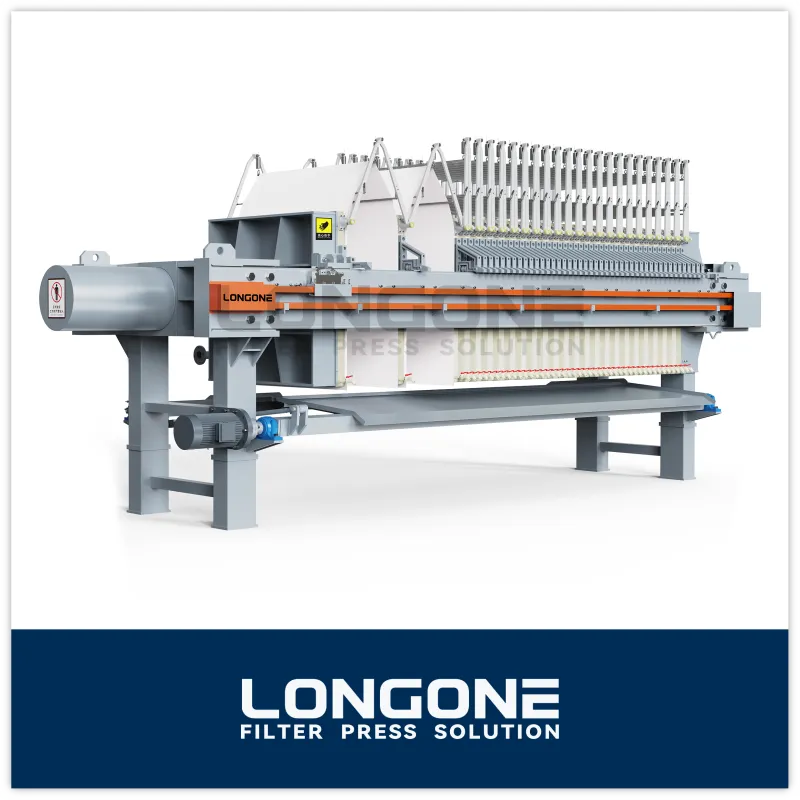
A filter press is a versatile piece of industrial equipment used for solid-liquid separation across numerous sectors. Key filter press applications include wastewater sludge dewatering, mineral concentrate recovery in mining, product purification in chemical manufacturing, clarification in the food and beverage industry, and active ingredient separation in pharmaceutical production. Its primary function is to produce a dry, handleable solid filter cake and a clear liquid filtrate.
What Is a Filter Press Used For?
Are you facing a mountain of wet sludge, losing valuable product in a liquid stream, or struggling to clarify your final liquid? These are precisely the problems a filter press is designed to solve, but the goals can vary significantly.
A filter press is used to achieve one or more primary objectives: dewatering solids to reduce volume and disposal costs, recovering valuable solid products from a process stream, clarifying a liquid by removing suspended solids, or washing a filter cake to remove impurities.
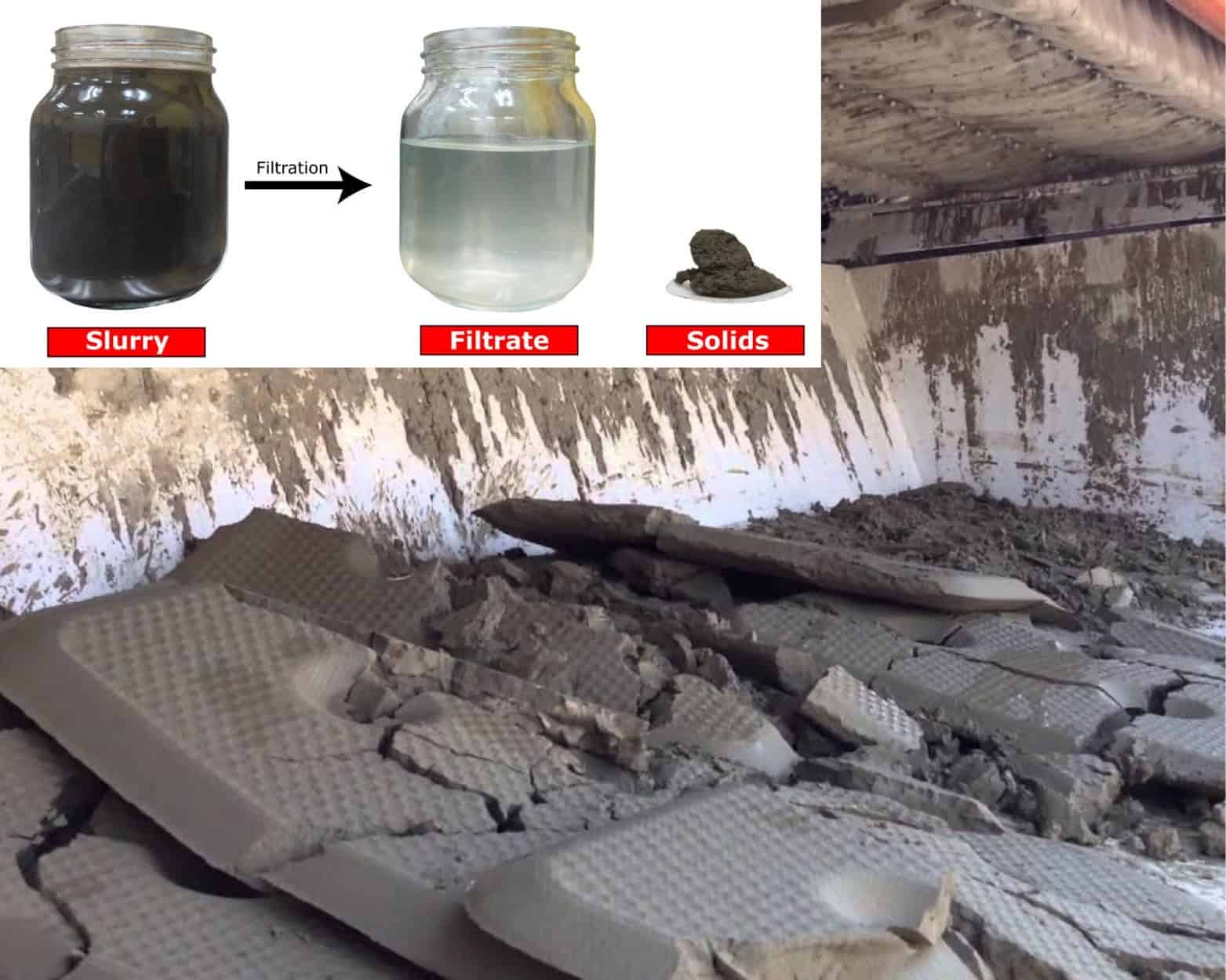
The versatility of the filter press comes from its ability to be tailored to very specific outcomes. While all applications involve separating solids and liquids, the primary business driver can differ.
- Dewatering: This is the most common goal, especially in wastewater treatment and mining tailings management. The objective is to remove as much liquid as possible from a solid-slurry mixture. This produces a compact, dry filter cake that is significantly lighter and cheaper to transport and dispose of compared to wet sludge. A high percentage of dry solids (%DS) is the key performance indicator.
- Product Recovery: In many chemical, pharmaceutical, and mineral processing applications, the solid cake is the valuable product. Here, the filter press is used to efficiently capture and dewater materials like mineral concentrates, chemical precipitates, or active pharmaceutical ingredients (APIs). The focus is on maximizing yield and ensuring the cake has the desired dryness and purity.
- Liquid Clarification: For industries like food and beverage, the clear liquid (filtrate) is the final product. A filter press can be used to remove yeast from wine, fine particles from edible oils, or other suspended solids to produce a polished, clear, and stable liquid. The quality of the filtrate is the most important metric.
- Cake Washing: In many chemical and pharmaceutical processes, the solid cake contains residual impurities trapped in the liquid. A filter press allows for an efficient cake washing step, where a wash liquid (often water or a solvent) is pumped through the formed cake to displace the mother liquor and remove soluble impurities. This is critical for achieving high product purity.
How Does a Filter Press Function in Industrial Applications?
The machine looks like a simple series of plates, but how does it reliably transform a wet, messy slurry into a dry, solid cake and clear liquid? Understanding the operational cycle is key to appreciating its efficiency.
A filter press works in a batch cycle involving four main stages: slurry filling, filtration under pressure, optional cake squeezing for further dewatering, and finally, cake discharge before the cycle repeats.
Each phase of the filter press cycle is critical to the success of the overall separation. From my experience helping customers commission new systems, optimizing each step is where we see the biggest performance gains.
Filling (Slurry Feed)
The cycle begins with the filter plates clamped together under hydraulic pressure, creating a series of sealed chambers. A feed pump begins to move the slurry into these chambers through a central feed port. The goal is to fill every chamber completely and evenly with the slurry. The pump’s characteristics (e.g., centrifugal, diaphragm) are chosen based on the slurry’s abrasiveness and viscosity.
Filtration (Pressure Build-up)
Once the chambers are full, the pump continues to deliver slurry, which builds pressure inside the chambers—typically from 7 to 15 bar (100 to 225 psi). This pressure forces the liquid component of the slurry to pass through the filter cloth that lines each plate surface. The solid particles are too large to pass through and begin to build up on the cloth, forming the filter cake. The clear liquid, now called filtrate, exits the press through internal ports and is collected. This stage continues until the chambers are packed with solids and the filtrate flow slows to a trickle.
Cake Squeezing (Membrane Press Only)
This stage is unique to membrane filter presses. After the initial filtration, if the press is equipped with flexible membrane plates, high-pressure water or air is introduced into the membranes. These membranes inflate and physically squeeze the filter cake that has formed in the chamber, forcing out additional liquid. This can significantly increase the final cake dryness, often by 10-20%, which is a major advantage for applications where disposal costs or product dryness are critical.
Cake Discharge and Reset
Finally, the hydraulic ram retracts, and the filter plates are separated. The solid, dewatered filter cakes fall from between the plates onto a conveyor or into a hopper below. In modern automatic filter presses, this process is handled by a plate-shifting mechanism and can include features like cloth shaking to ensure complete cake release. Once all cakes are discharged, the plates are clamped together again, and the press is ready for the next cycle.
What are the Key Filter Press Applications in Wastewater Treatment?
Struggling with ever-increasing volumes of municipal or industrial sludge? The handling and disposal of this waste is a major operational expense and environmental challenge for many treatment plants.
The primary filter press application in wastewater treatment is the dewatering of primary, secondary, or mixed sludge. The goal is to dramatically reduce the sludge volume and weight, thereby lowering transportation and disposal costs and creating a biologically stable cake.
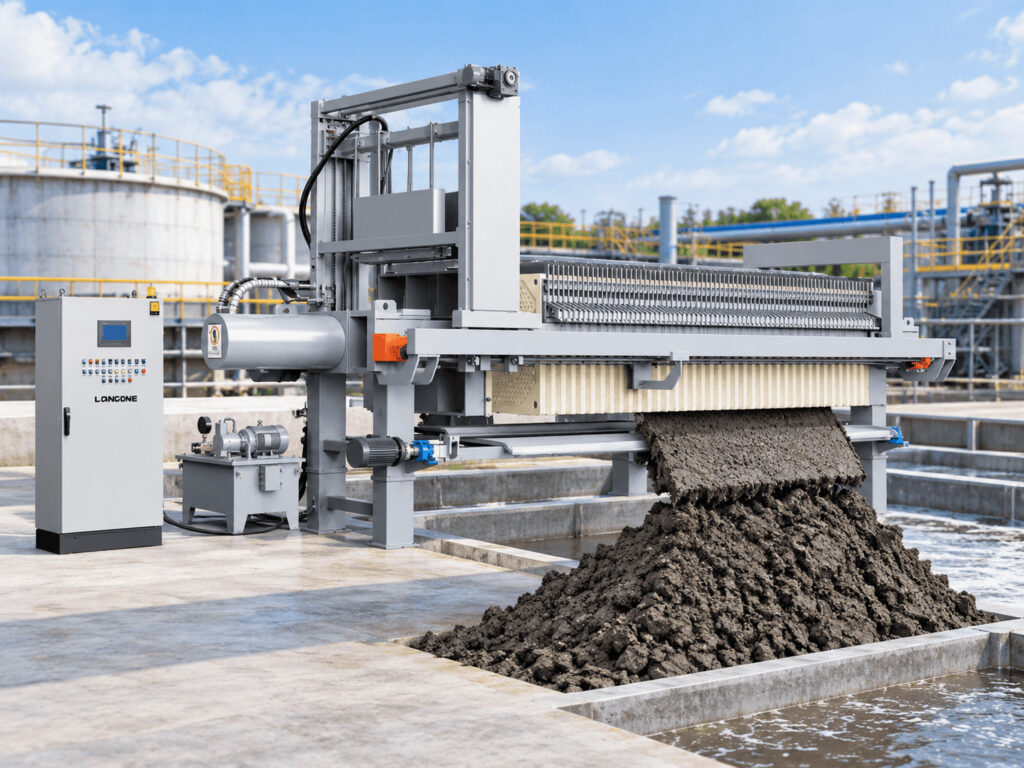
Wastewater sludge is notoriously difficult to dewater due to its high water content and fine, often biological, solids. A filter press provides the high-pressure force needed to achieve superior separation.
- Material to Separate: The feed material is typically biological sludge from activated sludge processes, chemical sludge from precipitation, or a mixture of both. It often has a very low solids content (1–4%) and must be pre-conditioned with polymers (flocculants) to agglomerate the fine particles, making them easier to filter.
- Primary Goal: The main objective is volume reduction. By dewatering sludge from 98% water content to a cake with 60-70% water content (30-40% dry solids), the total volume can be reduced by over 90%. This directly translates to massive savings in hauling and landfill tipping fees. A secondary goal is water recovery for potential reuse within the plant.
- Common Press Types: Heavy-duty chamber filter presses are a workhorse for this application due to their robust design and large capacity. For plants needing the absolute driest cake to minimize disposal costs, membrane filter presses are the preferred choice as they can achieve higher dry solids content. Large facilities benefit greatly from fully automatic filter presses that operate 24/7 with minimal operator intervention.
- Engineering Considerations: When configuring a press for this application, engineers must analyze:
- Solids Content & Conditioning: The low initial solids require effective flocculation.
- Sludge Type: Biological sludge dewaters differently than chemical sludge.
- Required Cake Dryness: This dictates whether a chamber or membrane press is more suitable.
- Throughput: The volume of sludge produced daily determines the size and number of presses required.
- Automation: For large plants, automatic plate shifting, cloth washing, and cake discharge are essential for efficiency.
How are Filter Presses Used in Mining and Mineral Processing Applications?
In the mining industry, processes generate vast quantities of slurries, from valuable concentrates to waste tailings. Managing this material efficiently is critical for profitability and environmental compliance.
The core filter press applications in mining involve dewatering mineral concentrates to prepare them for transport and smelting, and dewatering tailings to recover process water and create a stable, stackable solid for safe disposal.
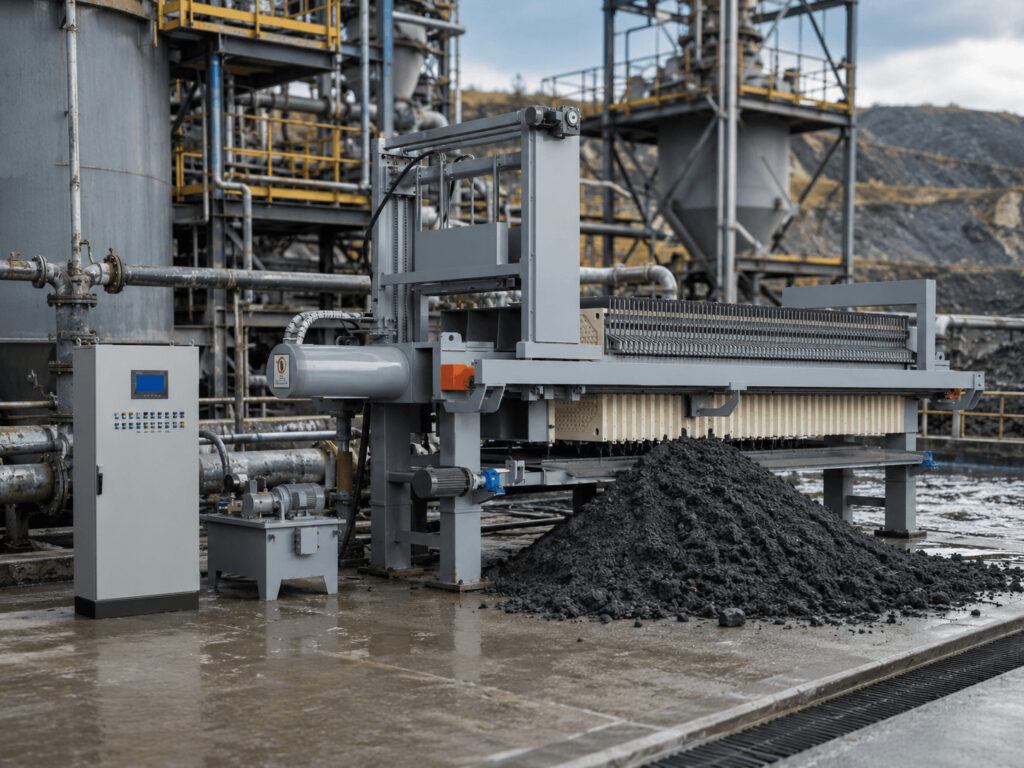
Mining slurries are often highly abrasive and exist in massive volumes, demanding extremely robust and large-scale equipment.
- Material to Separate: This includes valuable mineral concentrates (e.g., copper, zinc, lead, gold) or waste rock slurries known as tailings. These materials are typically dense and highly abrasive.
- Primary Goal: For concentrates, the goal is product dewatering to a specific low moisture content required by smelters, reducing shipping weight and costs. For tailings, the dual goals are water recovery for reuse in the water-scarce environments where many mines operate, and creating a compact, geotechnically stable “dry stack” of tailings, which is a safer and more environmentally sound disposal method than traditional slurry ponds.
- Common Press Types: Due to the abrasive nature and high volumes, large, heavy-duty chamber filter presses are standard. Membrane presses are also increasingly used for tailings to maximize water recovery and ensure the highest possible cake stability. Automation is critical for these large-scale, continuous operations.
- Engineering Considerations: The abrasive and high-density nature of mineral slurries presents unique challenges.
- Abrasiveness: Requires reinforced plate designs, specialized pump selection, and durable filter cloths.
- Particle Size Distribution (PSD): Affects filtration speed and final cake moisture.
- Throughput Capacity: Mines require some of the largest filter presses in the world, with plate sizes up to 2.5m x 2.5m, to handle thousands of tons per day.
- Cycle Time: Fast cycle times are essential to keep up with continuous mine production.
- Structural Integrity: The press frame must be engineered to withstand immense and continuous stress.
What Role Do Filter Presses Play in Chemical Production Applications?
Chemical synthesis and purification processes frequently produce solid products suspended in a liquid or create solid waste streams that need to be separated. Inefficiency here leads to product loss, higher costs, and purity issues.
In chemical manufacturing, key filter press applications include separating and washing valuable solid products, removing impurities from process liquids, and dewatering waste sludge to meet environmental regulations before disposal.
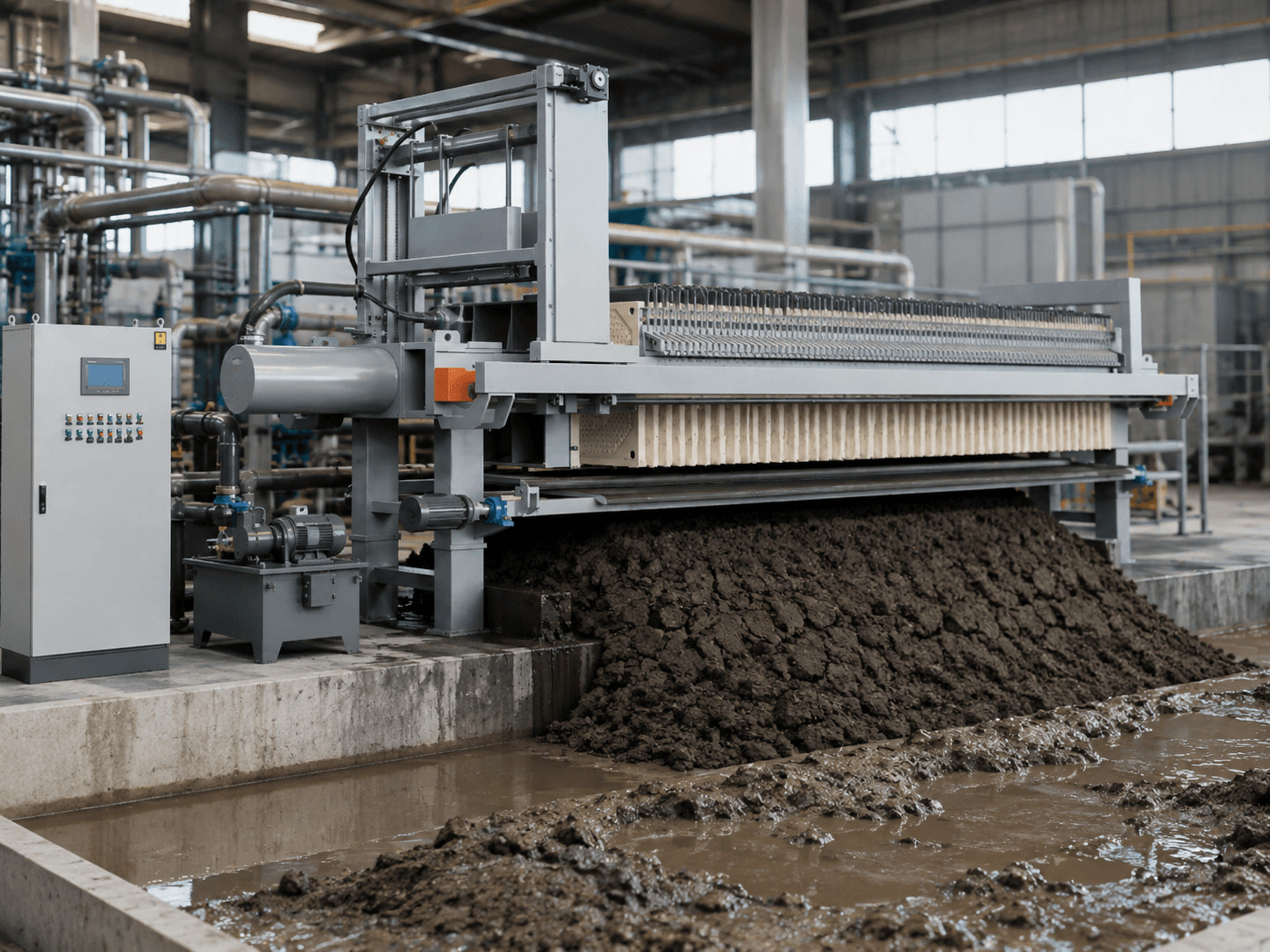
The chemical industry’s diversity means filter presses must handle a wide range of corrosive, hazardous, and temperature-sensitive materials.
- Material to Separate: This can be anything from pigments, dyes, and catalysts to specialty chemical precipitates, intermediates, and waste solids from neutralization processes.
- Primary Goal: Goals are diverse. Product recovery and purification are paramount when the solid is the product. This often involves a crucial cake washing step to remove soluble impurities and achieve high purity specifications. When cleaning up a waste stream, the goal is simply efficient dewatering to minimize disposal costs.
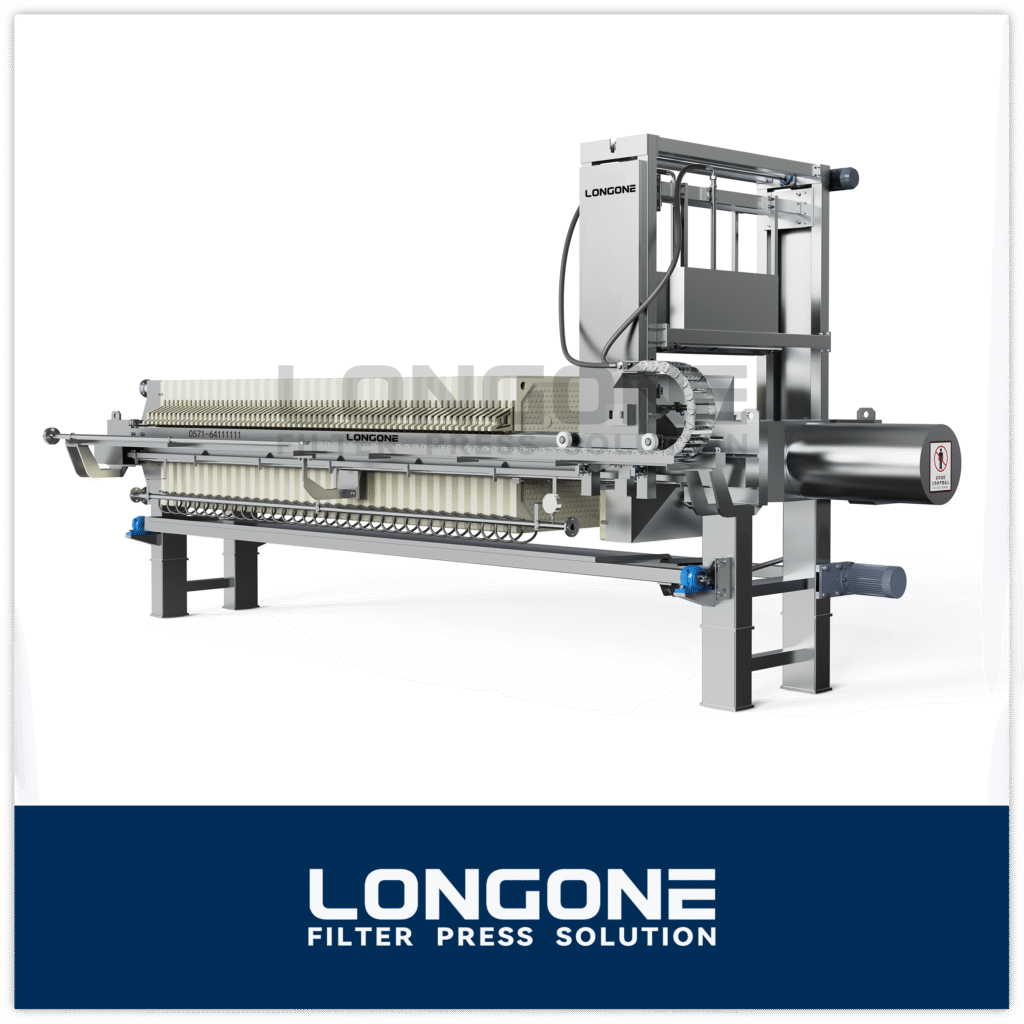
- Common Press Types: The choice is highly dependent on the chemical’s properties. Polypropylene chamber or membrane presses are common for their excellent chemical resistance. For processes requiring higher temperatures, solvent resistance, or sanitary conditions, stainless steel filter presses are often specified. Membrane presses are particularly valuable for their efficient cake washing and ability to produce a very dry, pure cake.
- Engineering Considerations: Chemical compatibility is the number one concern.
- Corrosiveness and pH: Dictates the material for plates (polypropylene, stainless steel), piping, and filter cloth (polypropylene, nylon, polyester).
- Temperature and Pressure: The press must be designed to operate safely within the process parameters.
- Cake Washing Requirements: If purity is critical, the press design must facilitate efficient, multi-stage washing.
- Solvents/Flammability: Special considerations for seals, electrical components (explosion-proof), and ventilation may be required.
- Product Contamination: The design must prevent contamination, often requiring specific gasketed plate designs (CGR plates).
Where are Filter Presses Found in Food and Beverage Applications?
From pressing grapes for wine to clarifying cooking oils, separating solids and liquids is fundamental to food and beverage production. Incomplete separation can lead to hazy products, reduced yield, and wasted byproducts.
Common filter press applications in this sector include the clarification of juices, wines, and edible oils, the dewatering of brewing mash (spent grains), and the processing of byproducts like sugar beet pulp or pectin.
Hygiene and material compliance are non-negotiable in this industry. All equipment must meet stringent food-grade standards.
- Material to Separate: Examples include yeast and finings from wine or beer, pulp from fruit juices, impurities from crude edible oils, and spent grains from the brewing process.
- Primary Goal: This is often liquid clarification, where the goal is to produce a bright, clear filtrate as the final product (e.g., wine, oil). In other cases, it’s about byproduct processing, such as dewatering spent grains to be sold as animal feed.
- Common Press Types: Stainless steel filter presses are the standard due to sanitary requirements and ease of cleaning. Gasketed plates are used to ensure a drip-free, hygienic operation. For clarification, presses are often used with a filter aid like diatomaceous earth (DE) to trap very fine particles.
- Engineering Considerations: The focus is on sanitation and gentle product handling.
- Food-Grade Materials: All contact parts, including plates, piping, and cloths, must be made from FDA-compliant materials. Stainless steel (304 or 316L) is typical.
- Sanitary Design: The press should have smooth, polished surfaces, no crevices where bacteria can grow, and be designed for easy cleaning-in-place (CIP).
- Temperature: Some products, like oils, may need to be filtered at elevated temperatures to reduce viscosity, which the press must be designed to handle.
- Filtrate Quality: For clarification applications, selecting the correct filter cloth and potentially using a filter aid is critical to achieving the desired clarity.
Why are Filter Presses Critical for Pharmaceutical Manufacturing Applications?
In pharmaceutical production, the purity of the final Active Pharmaceutical Ingredient (API) is absolutely critical. Any contamination or incomplete separation can compromise an entire batch, leading to massive financial losses and regulatory issues.
In this high-stakes environment, specialized filter press applications are used for the critical separation, purification, and washing of APIs and other pharmaceutical intermediates, all within a strictly controlled cGMP (current Good Manufacturing Practice) framework.
Pharmaceutical filtration demands the highest level of precision, cleanliness, and validation.
- Material to Separate: The primary material is the crystalline Active Pharmaceutical Ingredient (API) suspended in a mother liquor after a reaction or crystallization step. Other materials include cell cultures from biotech processes or activated carbon used for decolorization.
- Primary Goal: The absolute top priority is product purity. This is achieved through highly efficient solid-liquid separation followed by meticulous, often multi-stage, cake washing to remove any residual solvents or reaction byproducts. Maximizing product yield is a close second.
- Common Press Types: Stainless steel filter presses are mandatory, typically constructed from 316L stainless steel with a highly polished finish. Enclosed and vapor-tight designs are common to contain hazardous materials or prevent contamination. Membrane plates are frequently used to maximize washing efficiency and achieve a uniform, low-moisture cake.
- Engineering Considerations: The design process is governed by strict regulatory standards.
- cGMP Design: The press must be designed for easy validation, with no dead legs, full drainability, and smooth, cleanable surfaces.
- Material Traceability: Full documentation and traceability (MTRs) for all materials of construction are required.
- Containment: For potent or hazardous compounds, enclosed designs with glove box access or full containment systems are necessary.
- Washing Efficiency: The press must be designed to ensure uniform wash liquid distribution across the entire cake.
- Validation Support: As a manufacturer, we must provide a comprehensive documentation package (IQ/OQ – Installation/Operational Qualification) to support the customer’s process validation.
Conclusion
We’ve seen that the range of filter press applications spans nearly every major industry, from cleaning our water to producing life-saving medicines. While the specific goals—be it dewatering waste, purifying a chemical, or clarifying wine—may differ, the core technology provides a powerful and adaptable solution for solid-liquid separation. The most important takeaway is that while the industry sets the stage, the unique characteristics of your slurry and your specific process objectives are what truly dictate the optimal equipment design. A successful project always begins with thorough analysis and testing, not assumptions.